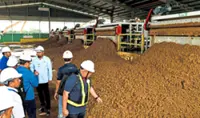
WHAT was once waste from water treatment plants is now being processed into high-value cement bricks through an innovative circular economy initiative.
The breakthrough stems from a collaboration between Alam Aliran Kualiti (AAK) and Penang Water Supply Corporation (PBAPP), which converts scheduled water treatment residue (SW204) into raw material for cement brick production.
The project makes PBAPP the country’s first water operator to reuse treatment residue, and AAK the first facility to convert SW204 into brick material.
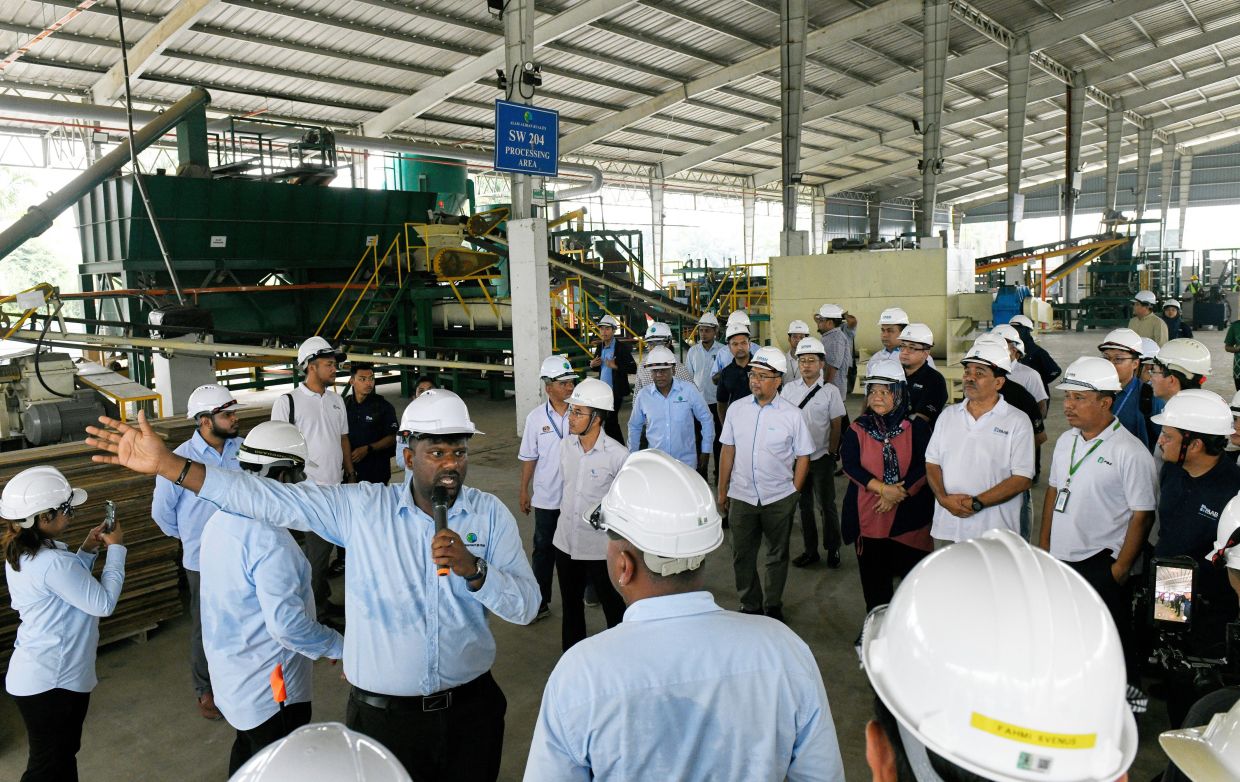
AAK Project head G. Karthigayan said the objective was not only to help water operators manage residue more efficiently but also change the perception that water treatment waste was merely something to be discarded.
“Material that previously ended up in landfills can now be repurposed into commercial products,” he told Bernama.
According to him, the process begins at the Sungai Dua Dewatering Plant (SDDP), where residue from the water treatment process undergoes belt press dewatering technology to separate water from solids.
The recovered water is returned to PBAPP’s water supply system, while the remaining alum sludge is transported to AAK’s brick manufacturing facility in Bukit Minyak.
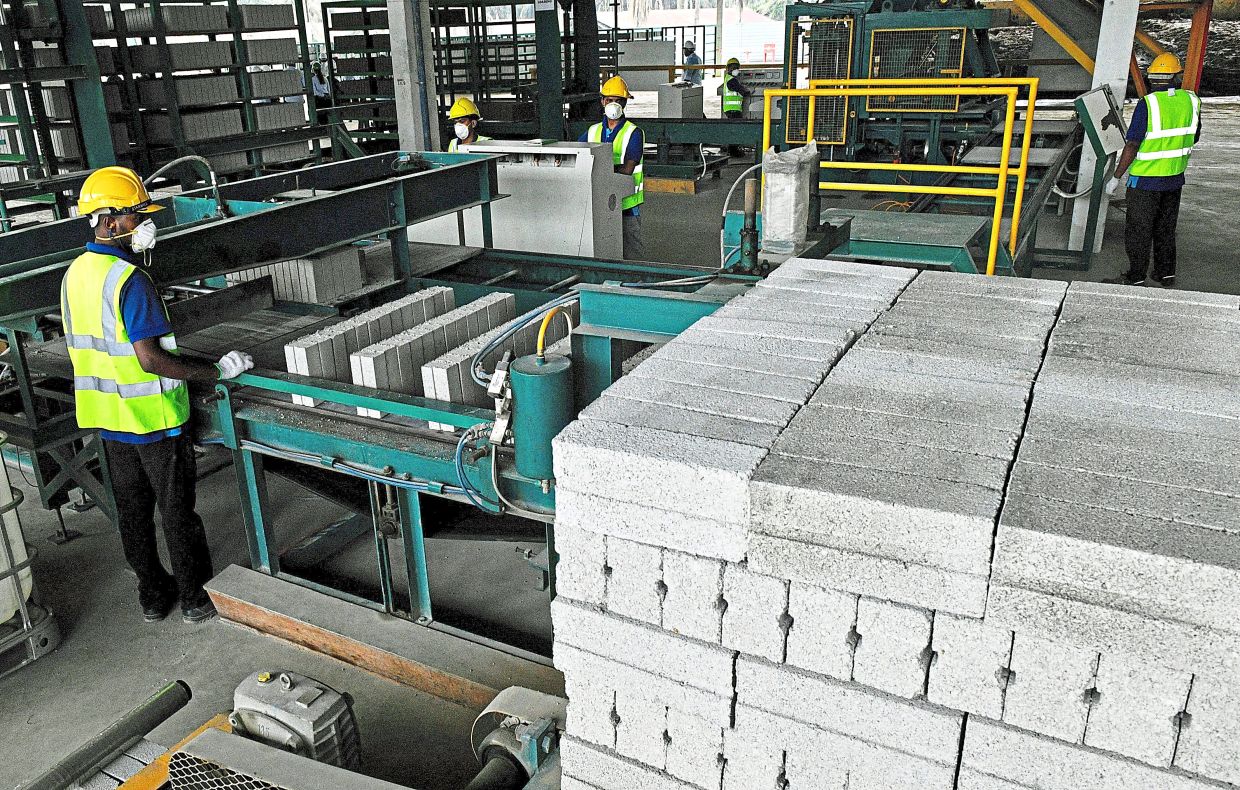
At the factory, the sludge undergoes chemical treatment to produce aggregates, which are then used as the primary raw material for manufacturing cement bricks.
“This technology enables the recovery of about nine million litres of water per day that would otherwise have been discharged into the river.
“The volume is sufficient to meet the daily water needs of between 10,000 and 12,000 households,” he said.
Karthigayan said tests had shown the bricks offer better fire resistance than conventional cement bricks.
The plant has the capacity to produce up to 150,000 bricks daily, although current production ranges between 70,000 and 100,000 bricks.
The bricks have been commercialised and are being used in construction projects while also sold through hardware stores across Penang.
Karthigayan said the technology took nearly five years to develop, requiring technical evaluations and regulatory approvals due to SW204’s scheduled waste classification.
Under a 15-year design, build, operate and maintain (DBOM) contract, AAK bears all capital and operational costs while project owner PBAPP oversees auditing and compliance.
According to Karthigayan, the arrangement enables PBAPP to reduce its operational and capital expenditure while ensuring that AAK assumes full responsibility for scheduled waste management, environmental compliance and safety standards.
He added that AAK was also set to be recognised by the Malaysia Book of Records in the “Largest Belt Press System Dewatering Plant” category for developing and operating a 10-million-litre-daily dewatering facility capable of processing up to 450 metric tonnes of sludge daily.