KAJANG Municipal Council (MPKj) has recorded a resolution rate of 99.32% in public complaints received between 2023 and September this year.
Selangor local government and tourism committee chairman Datuk Ng Suee Lim (pic) said 106,655 public complaints were received through the Public Complaints Management System (Sispaa) during that period.
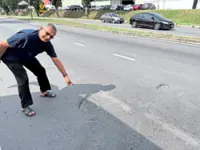
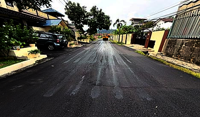
He said the five main categories of complaints involved road maintenance, public cleaning, tree maintenance, street lighting and stray dog disturbances.
“Based on the statistics, road maintenance and public cleanliness are among the issues requiring MPKj’s continued attention.
“The increase in complaints in certain categories also highlights the need to strengthen infrastructure maintenance, environmental cleanliness and public facility management in tandem with urban growth,” he said at the Selangor State Assembly sitting at Bangunan Dewan Negeri Selangor in Shah Alam today.
He was replying to a question from Kajang assemblyman David Cheong Kian Youn (PH-Kajang) on the number of complaints received by MPKj.
Ng said all complaints received in 2023, 2024 and 2025 had been resolved, while 22,782 of the 23,509 complaints recorded up to September this year had been addressed.
"This left 727 complaints pending, representing a resolution rate of 96.91% for the first nine months of 2026."
He said MPKj faced several challenges in managing public complaints, particularly the growing population and increased density resulting from rapid residential and industrial development within its administrative area.
The situation had led to greater demand for infrastructure maintenance, public cleaning and municipal services, he said.
He added that constraints involving financial allocations, workforce numbers and staff competency also affected the municipal council’s capacity to carry out maintenance work and resolve complaints.
To improve complaint management, Ng said three key areas required attention, namely strengthening monitoring and follow-up, prioritising targeted maintenance and improving service delivery efficiency.
He said complaint trends and locations with recurring problems should be used to determine maintenance priorities and ensure financial and human resources were deployed more effectively.
“The state government’s main objective is not merely to achieve a high complaint resolution rate, but to ensure reported problems are addressed effectively, prevent recurring issues, and continuously improve service quality and residents’ well-being,” said Ng.