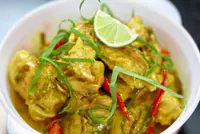
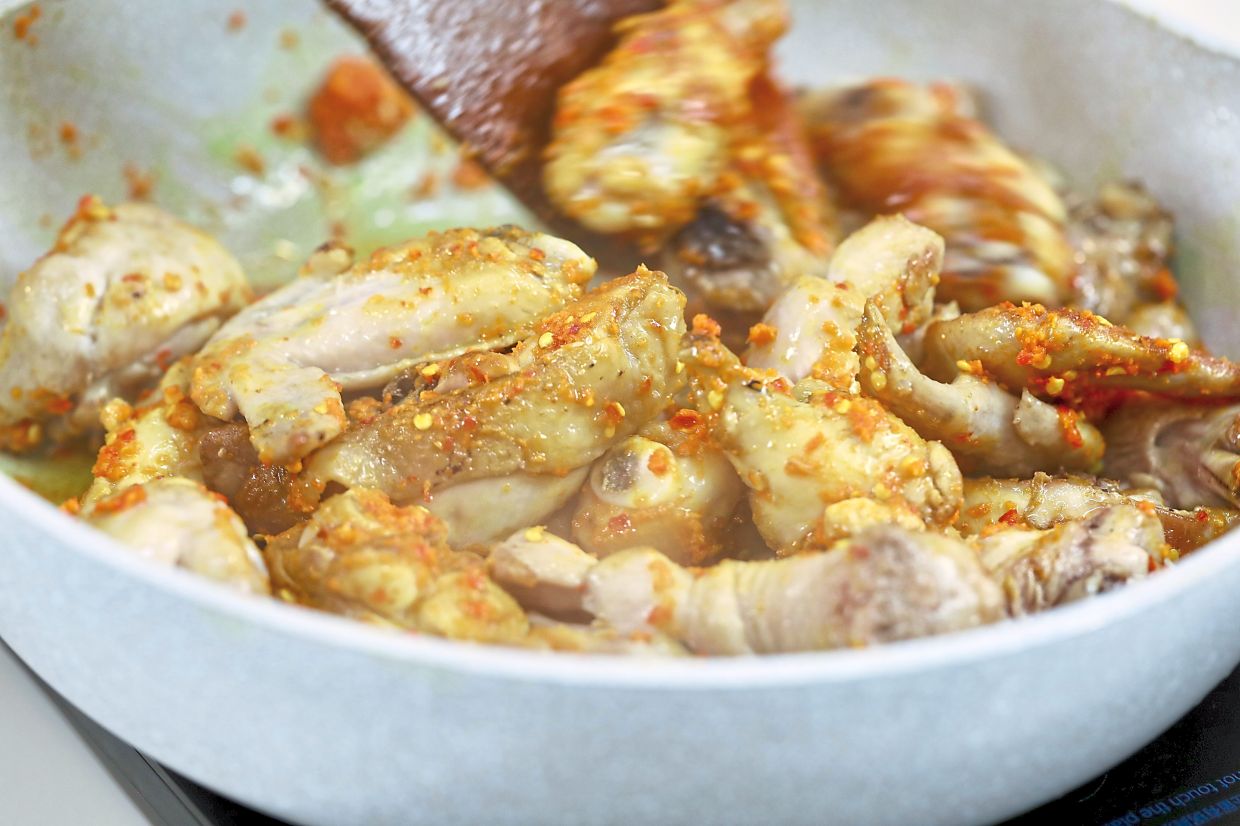
At first glance, the dish appears deceptively simple: chicken simmered in coconut milk with turmeric, bird’s eye chillies and fragrant herbs. Yet a distinctive technique sets Negri’s version apart.
Instead of browning the chicken in oil, the pieces are first toasted in a dry wok. As the wok heats, the natural fat in the chicken begins to render, lightly searing the skin and surface of the meat.
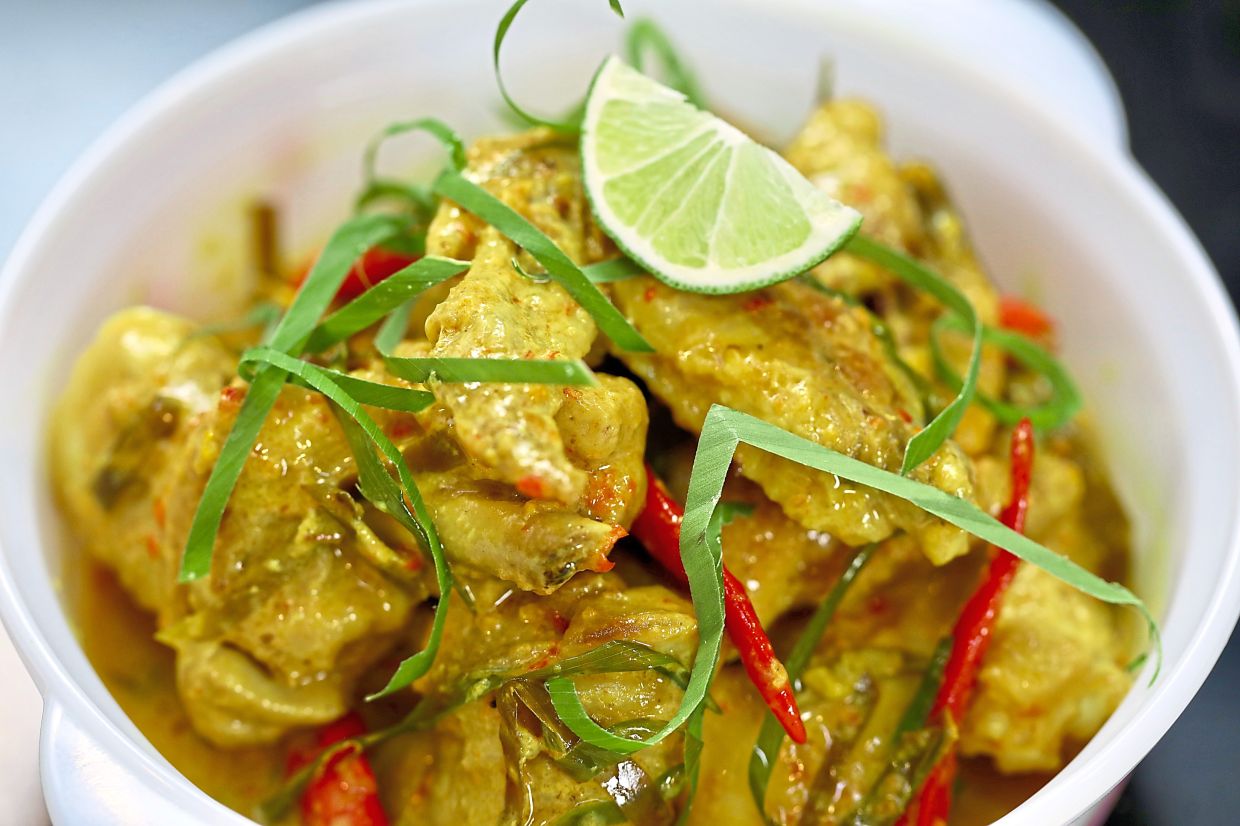
This dry toasting does two things. First, it develops a subtle roasted aroma. Second, the heat tightens the exterior fibres of the chicken, creating a slightly porous surface that readily absorbs the aromatic spice paste added later.
Once the spice paste is tossed with the chicken until fragrant, the meat is removed from the wok.
The lemongrass and whole chillies are then sauteed in the rendered chicken fat left behind.
No additional oil is required, keeping the dish relatively light despite its creamy base.
Coconut milk is then introduced and the dish is gently simmered until the chicken becomes tender and infused with the flavours of turmeric, chillies and herbs.
During a recent trip to the wet market, a vegetable trader suggested adding julienned asam leaves to the dish.
She explained that the leaves could stand in for either tamarind juice (asam jawa) or dried asam gelugor slices.
The leaves come from the asam gelugor tree – Garcinia atroviridis.
While the fruit is typically sliced and sun-dried to produce the familiar souring agent known as asam keping, the fresh leaves are also edible.
Their acidity is gentler than the dried fruit, offering a bright, fresh tang that cuts through the richness of coconut milk without overpowering the dish. If the leaves are unavailable, a slice of dried asam keping can easily be used instead.
When the gravy is thick and creamy, festive staples such as lemang or ketupat make the ideal accompaniment.
A thinner gravy, meanwhile, is excellent ladled over steamed rice. Either way, ayam masak lemak cili api embodies the bold yet balanced flavours of Negri Sembilan cuisine.
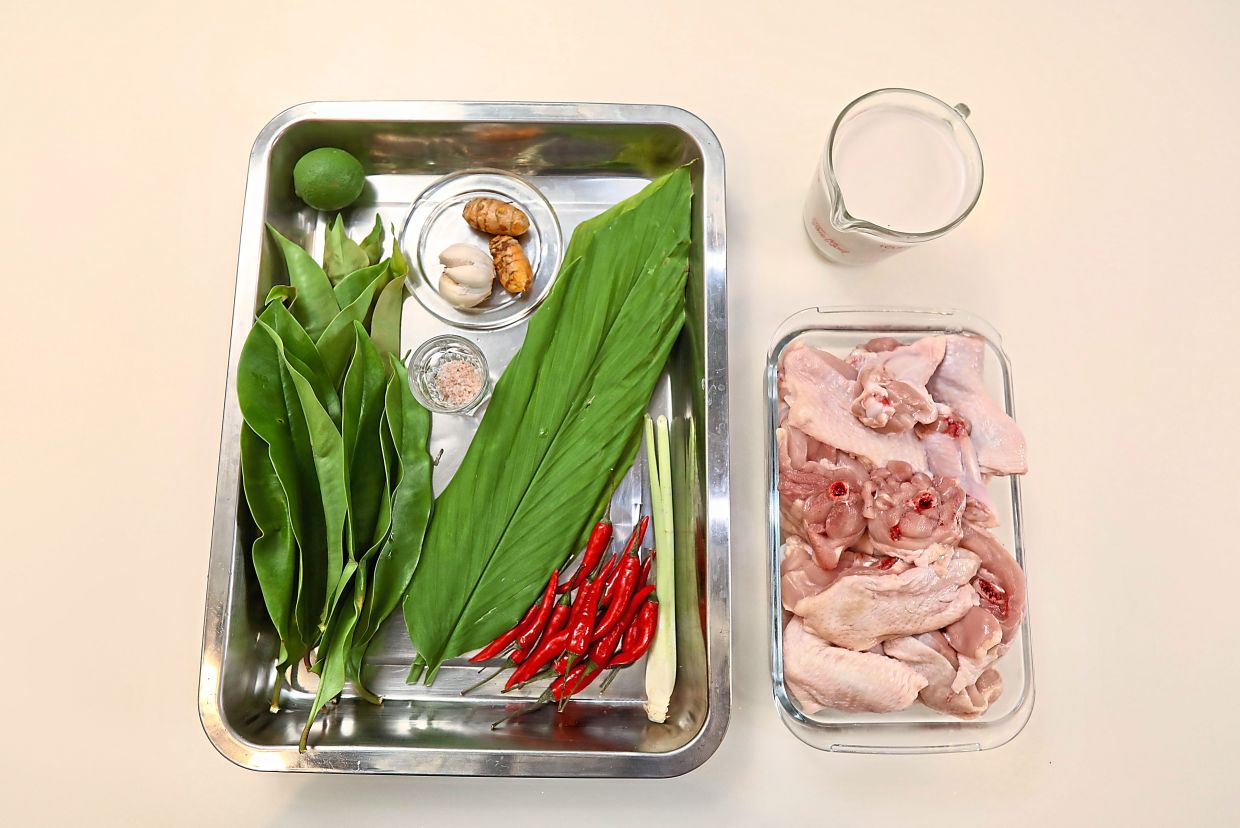
Ayam masak lemak cili api
Ingredients
1kg assorted chicken pieces
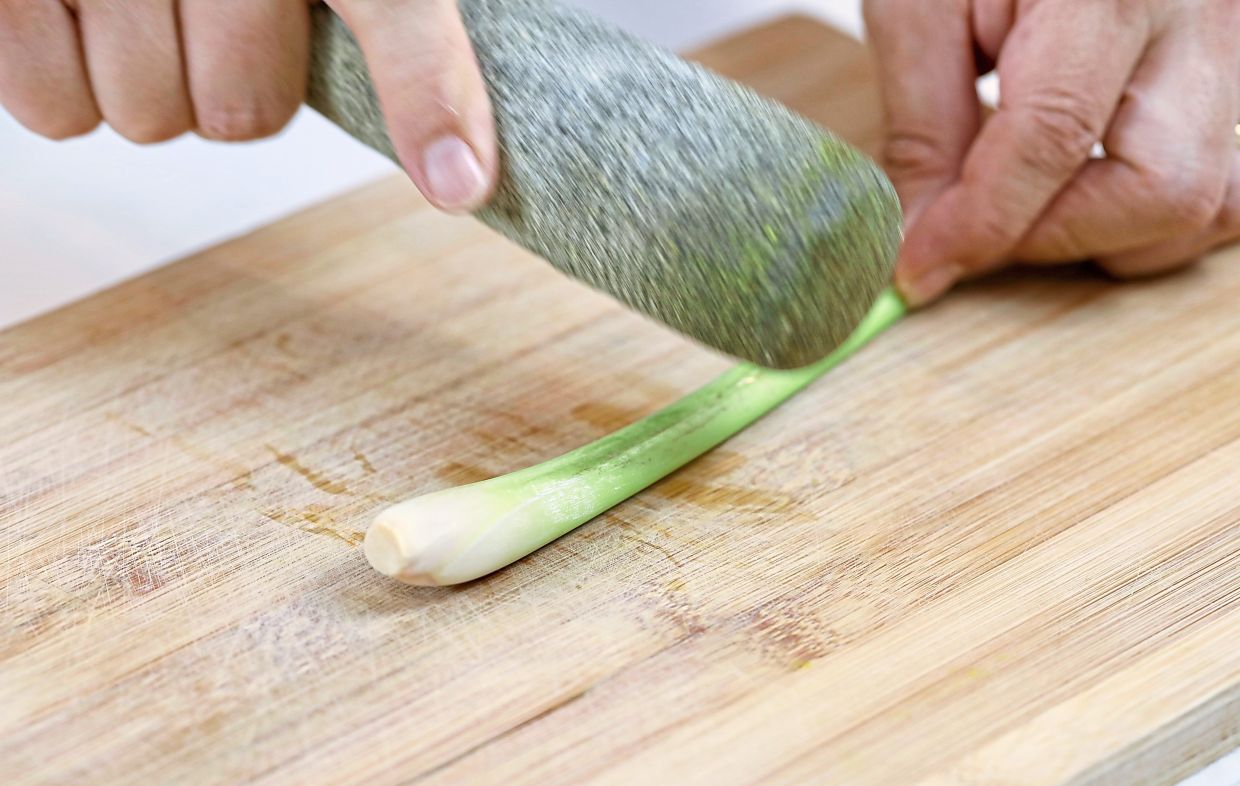
1 stalk lemongrass, crushed
8 pods bird’s eye chillies, stems discarded
1 cup coconut milk
30g asam gelugor leaves, julienned
1 frond turmeric leaf, finely julienned
½ cup cold water (optional, for adjusting consistency)
1 tsp salt to taste
Spice paste
8 pods bird’s eye chillies, chopped
3 cloves garlic, chopped
2 knobs fresh turmeric, sliced
Garnish
1 turmeric leaf, finely julienned
1 lime, cut into wedges
Directions
Grind the bird’s eye chillies, garlic and fresh turmeric in a blender or mortar into a smooth paste.
Heat a wok over medium heat. Add the chicken pieces and toast them in the dry wok, turning occasionally, until the surface becomes lightly seared and begins to release its natural fat.
Add the spice paste and continue tossing the chicken until the paste becomes aromatic and coats the meat evenly.
Remove the chicken and set aside.
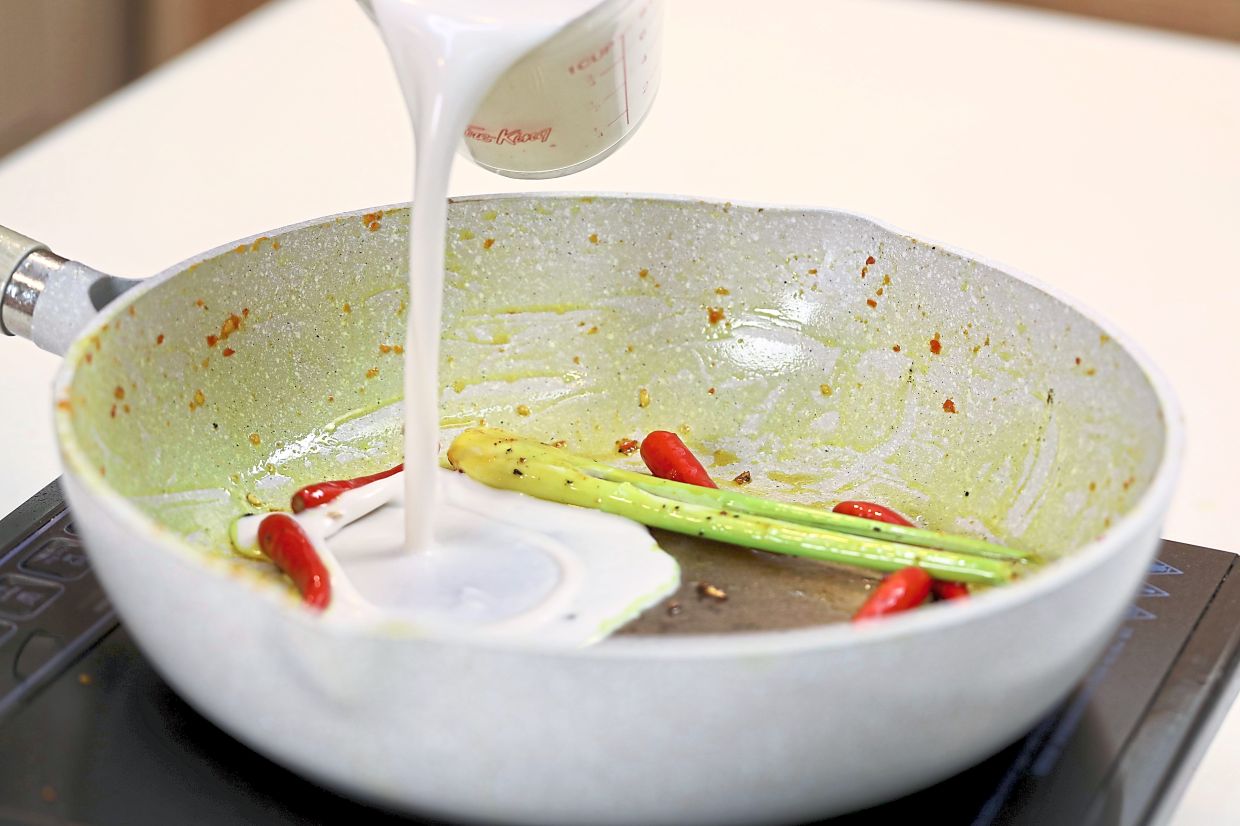
In the same wok, saute the crushed lemongrass and whole chillies in the rendered chicken fat until fragrant.
Pour in the coconut milk and bring it to a gentle simmer.
Return the chicken to the wok and add the julienned asam leaves and turmeric leaf.
Cover and simmer for about 15 minutes, or until the chicken is tender and the gravy has thickened slightly.
Add a little water if a thinner gravy is desired. Season with salt to taste.
Garnish with additional turmeric leaf and serve hot with lime wedges.
Best enjoyed with steamed rice, lemang or ketupat.