



Visitors rediscover ancient clan traditions at annual festival
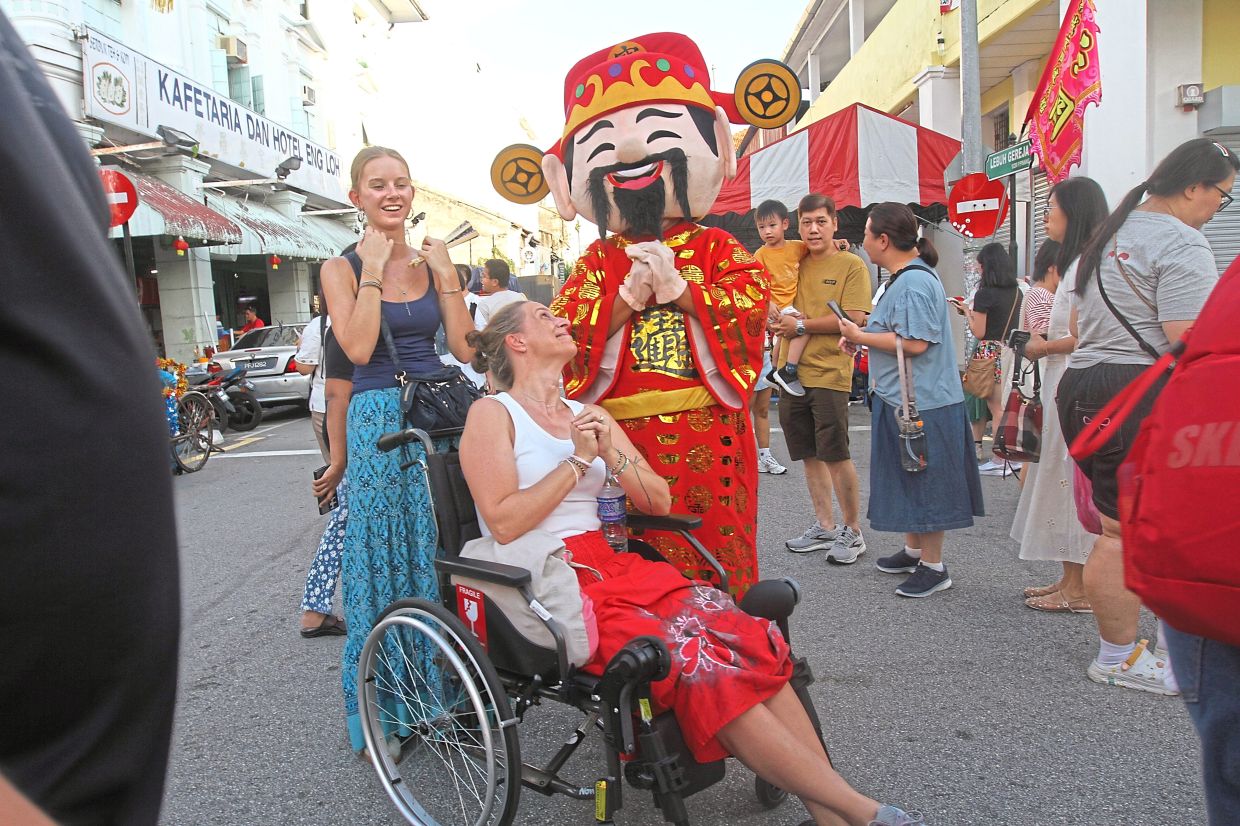
GEORGE Town’s heritage enclave was transformed into a living stage of culture and tradition during Penang Miaohui 2026.
A plethora of enthralling performances, insightful exhibitions, open houses and hands-on workshops highlighted age-old customs in engaging ways.
The event was themed “The Journey of Decoding” and featured 30 different stations that invited visitors to rediscover the forgotten stories, skills and symbols that once characterised daily life.
These activities, billed as “Cultural Gem Curations”, included several dedicated to the unique legacies of the Hakka, Cantonese, Hainan, Teochew and Hokkien communities.
Other zones highlighted lesser known aspects of family surnames, street names, heritage cuisine and ingredients, handicraft, apparel, artforms and even taboos.
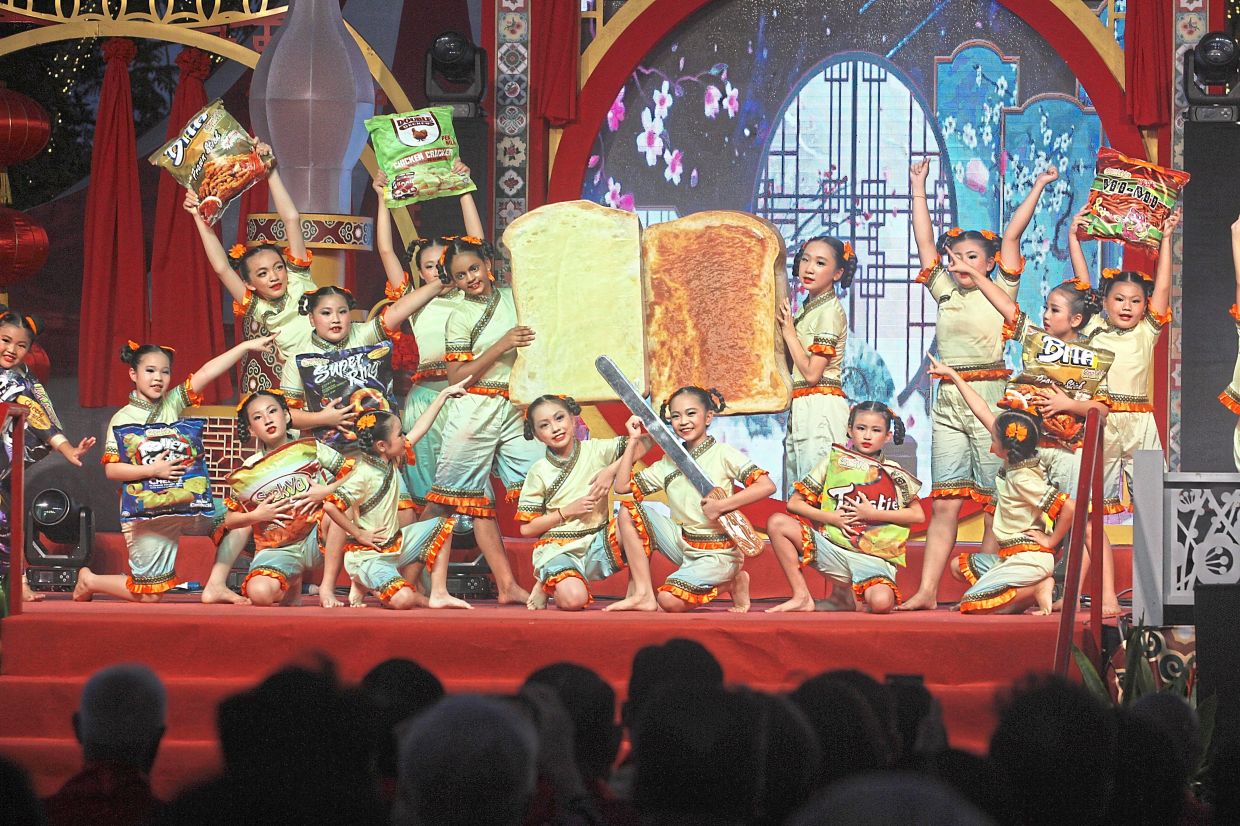
Complementing these were 16 street stages that hosted high pole lion dance displays, swirling dragon dances, Chinese orchestral music and folk dance routines.
Several were specially choreographed for the occasion, including one that mimicked lion dance movements and another which was inspired by the local rotiman.
Additionally, 10 ancestral halls, clan associations and houses of worship also opened their doors to the public, giving crowds a rare glimpse of their storied past.
Some visitors to the event on Feb 21 – which coincided with the fifth day of Chinese New Year – found the experience emblematic of the state’s cultural richness.
Chinese tourist Wang Yikun said it gave her new insights into Chinese culture and history, including how the diaspora spread across the region.
“I didn’t expect to see and learn so much. I discovered things I wouldn’t know otherwise.
“Large-scale public celebrations like this are less common back home as they tend to be dispersed and held separately.
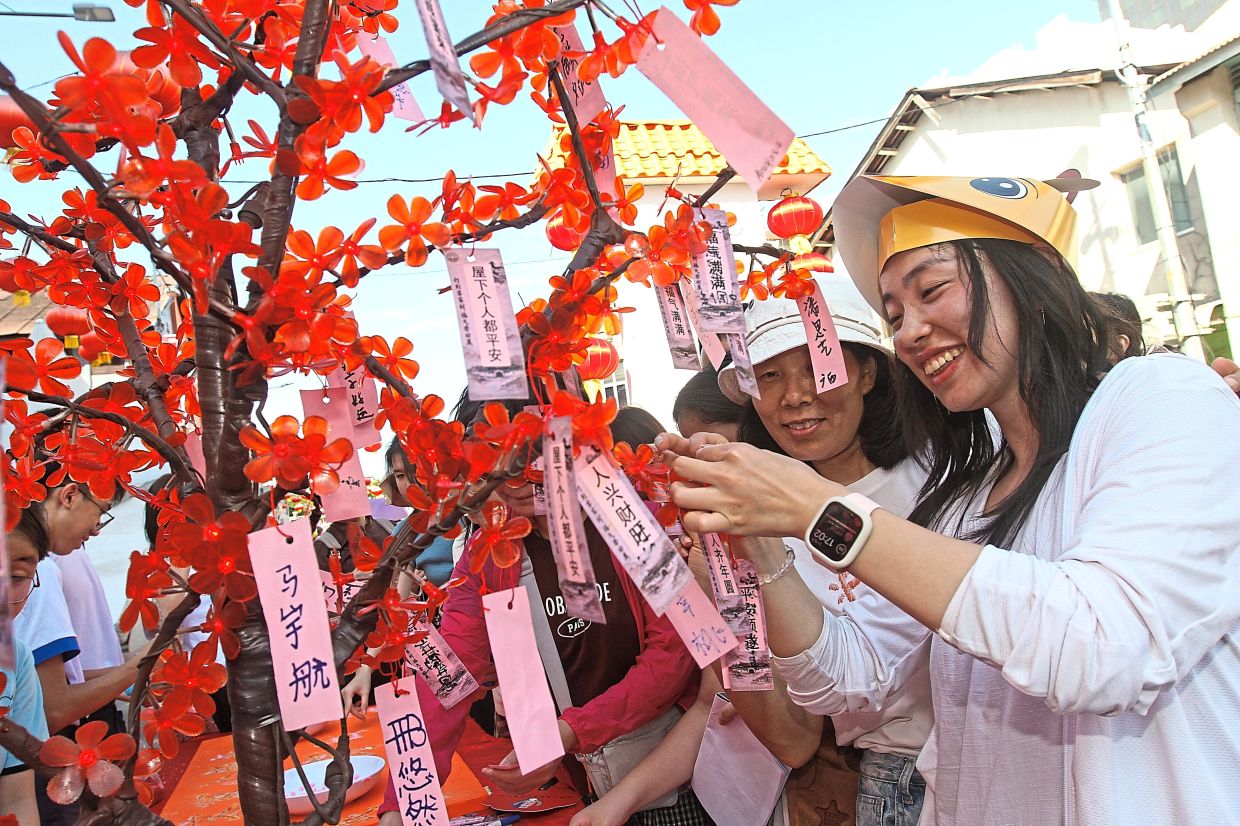
“Here, everything and everyone come together in one big occasion, which makes it much more exciting,” she enthused while hanging up written blessings on a wish tree.
Wang, who hails from China’s Shandong province, was vacationing with her parents and described it as a meaningful family experience.
“It is special to celebrate Chinese New Year like this.
“We even got to make handcrafted souvenirs at some of the stations, which was a pleasant surprise.
“We truly felt the festive spirit and the day was lots of fun.”
Local Lee Siew Hong brought her daughter Belinda Loh to the event to learn more about their roots.
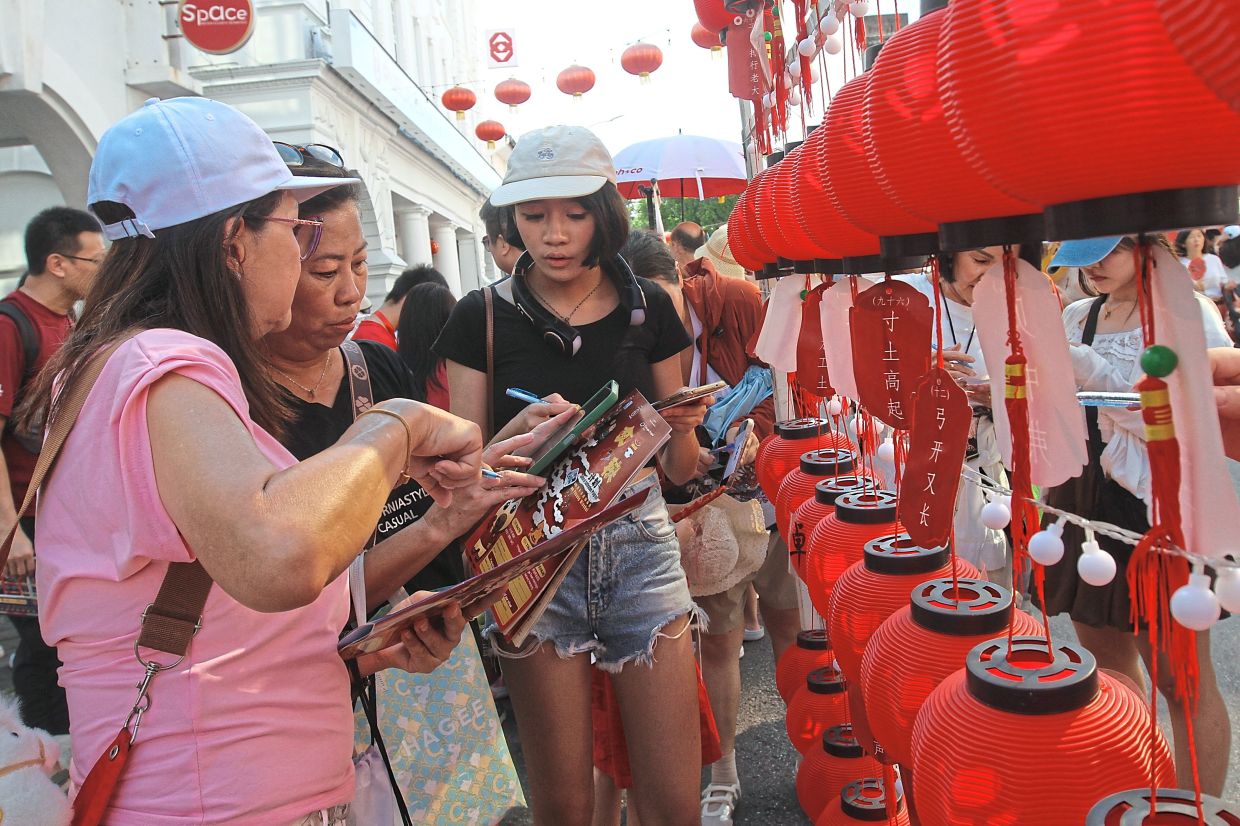
“This is a rare opportunity to reconnect with and experience olden-day traditions and practices, many of which are slowly disappearing.
“It was fun to explore the different zones and we’ll try to visit as many as we can,” she said.
For cultural custodians like Penang Hakka Association vice-president Hoo Shyh Miin, the annual Miaohui represents an opportunity to ensure that traditions are not merely preserved in archives, but continue to be practised and understood.
“Many of these customs are usually confined to individual communities or practised only during specific occasions.
“Here, we can explain their meanings to the wider public and underscore their continued relevance today.
“When young people participate, they develop a sense of ownership. Culture survives when it is shared,” Hoo opined.
Penang Chief Minister Chow Kon Yeow, who presided over the opening ceremony, noted how significant the annual Miaohui had become since its first edition in 1999.
“Year after year, I see the same strong spirit and dedication from local clans and associations, whose efforts ensure our traditions remain alive on the streets of George Town.
“More than just a festival, it has become a platform to share our history, stories and values with the younger generation,” he said in his speech.
Though Miaohui literally translates to “temple fair”, its programme is not religious but cultural in nature – with an emphasis on traditional arts, performances, crafts and community activities.
It is organised by the Penang Chinese Clan Council in collaboration with the Penang Cultural Inheritors Society.


