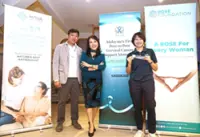
In CONJUNCTION with Cervical Cancer Awareness Month, Teal Asia, Malaysia’s first peer‑to‑peer support movement, hosted an awareness programme to highlight the urgent need for prevention against cervical cancer.
At the heart of this movement is Selina Yeop Jr, a cervical cancer survivor and the founder of Teal Asia. She is also a World Health Organisation (WHO) recognised patient advocate.
Addressing guests at the event, Selina emphasised that prevention must come first.
“Cervical cancer is a cancer that can be prevented, and all it takes is just two HPV screenings in your lifetime,” she said.
Selina said the journey did not end once cancer treatment was completed.
“Healing doesn’t stop at survival. Survivors face lingering symptoms – wellness and complementary care help us manage the after‑effects and regain strength to truly live well,” she said at the event hosted in collaboration with Hava Wellness Centre in Petaling Jaya, a hydrogen therapy facility.
Selina said WHO had reaffirmed that palliative and supportive care were vital in managing the effects of cancer treatment.
The afternoon featured a deep dive into the importance of prevention, with Rose Foundation programme director Dr Khoo Su Pei.
The foundation is a non-profit organisation that delivers Programme Rose (Removing Obstacles to Cervical Screening).
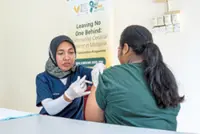
Programme Rose is the foundation’s flagship initiative which advocates for a shift from the traditional Pap smear to the more accurate HPV testing through self-sampling that is supported by a mobile digital platform.
It ensures women with abnormal test results receive follow-ups.
A trained pharmacist who earned her PhD in cervical cancer prevention, Khoo works with communities to dismantle the “obstacles” in screening, ensuring more women have access to HPV tests.
“The speculum used in a Pap smear is cold, painful and uncomfortable, and it dissuades women from coming forward,” Khoo explained.
Unlike the Pap smear, which can fail to detect abnormal cells in a small sample, the HPV swab uses PCR technology to amplify viral DNA, making it nearly impossible to miss a high-risk infection.
Khoo said that while private HPV tests can cost upwards of RM300 or more, Rose Foundation bridges the gap for the B40 community and rural populations.
Khoo also warned against the rise of “instant” online tests.
“If a lab claims to test for 50 types of HPV, it’s a scam,” she said.
“Validated clinical tests focus only on the 14 high-risk types.
“Do not buy tests from online shopping platforms,” Khoo advised.
She urged the public to go to public health clinics or healthcare foundations.
The event concluded with 20 complimentary HPV screenings sponsored by Hava Wellness.