



EARLY detection through proper screening is key to eliminating cervical cancer, but awareness and access remain major hurdles in Malaysia.
One challenge is the slow adoption of human papillomaviruses (HPV) DNA testing as the main and primary cervical screening modality, says University Malaya Medical Centre (UMMC) Consultant Gynaecological Oncologist Prof Dr Woo Yin Ling.
“HPV DNA testing is proven to be more effective in detecting precancerous changes of the cervix compared to conventional pap smears and women only need as few as two screenings in a lifetime,” she says, urging for a coordinated effort to expand access to DNA HPV testing.
Cervical cancer screening involves either a pap smear test (cervical cytology), which examines cervical cells for abnormalities, or an HPV DNA test, which detects high-risk HPV types that can cause cervical cancer.
Enabling HPV DNA self-sampling with properly approved swabs and tests can increase screening uptake, says Dr Woo. Coordinating and monitoring who gets screened and when they get screened is also critical.
“Population registries are essential to ensure every woman is reached and screened at the right intervals. There should also be monitoring and follow-up to ensure women with abnormal results receive the right treatment. This means sharing of health data and smooth referral between the screening and treatment facilities,” she explains.
A difficulty in transitioning to HPV DNA testing is the difference in cost: A conventional pap smear can be done for around RM40 at private clinics while HPV DNA tests are priced around RM250. However, it is important to look at the issue from a long-term perspective, says Dr Woo.
“If one is to use pap smears (which is only 50% sensitive), one needs to have approximately 15 pap smears in a lifetime. HPV DNA testing is as few as twice a lifetime by World Health Organisation (WHO) elimination targets. So we don’t look at a once-off test but rather a lifetime of screening that will prevent or eliminate cervical cancer,” she explains.

Cervical cancer diagnosis and screening still carry stigma, making it crucial to provide women with clear information about the need for screening and where to seek care if results are abnormal.
“We now have a cancer that we can eliminate in our lifetime. We have the vaccines, the screening tests and the treatment tools in Malaysia. This cervical cancer awareness month, let’s encourage women to speak to their doctors about having an HPV DNA test done,” she says.
Expanding access
Delays in eliminating cervical cancer leads to a substantial proportion of women still presenting at advanced stages of disease, resulting in avoidable morbidity, mortality and healthcare costs, says the Malaysian Medical Association (MMA).
MMA president Datuk Dr Thirunavukarasu Rajoo supports scaling up HPV DNA primary screening, emphasising that it is more sensitive than cytology (pap smear) and enables earlier detection. This aligns with Malaysia’s 2023 screening guidelines, which endorse HPV testing.
Cervical cancer screening uptake among women aged 30–65 remains low due to limited awareness, low perceived risk, and barriers such as access, time, socio-economic and geographic factors, and competing work or family responsibilities.
Currently, cervical cancer screening in Malaysia is largely opportunistic, occurring during healthcare visits for other reasons and leading to uneven coverage. Women with regular health access are screened more, while underserved populations are often missed.
As rural, low-income, and marginalised groups face more barriers to both vaccination and screening, Dr Thirunavukarasu says that targeted outreach – mobile clinics, community health worker engagement, culturally sensitive education campaigns, and self-sampling options – can help to reduce gaps.

According to the Health Ministry, policy improvements are underway to boost programme effectiveness, including a phased shift to HPV DNA testing as the preferred method for cervical cancer screening, with standardised national triage, referral, and treatment protocols.
Cervical cancer screening services are provided nationwide through primary health clinics, ensuring baseline access for eligible women, says the Ministry. It adds that targeted strategies are being strengthened to improve equity, including outreach to underserved populations through mobile services, community initiatives, partnerships, and self-sampling options.
Nobody left behind
Despite the availability of subsidised cervical screening services at public healthcare facilities, Sunway Medical Centre consultant gynaeoncologist Dr Zaharuddin Rahmat @ Mohd Rawi is also concerned about the low uptake in Malaysia.
To address this, he says stronger health promotion efforts are needed, pointing to the ROSE programme as an example, which has screened more than 25,000 underserved and underprivileged women across 200 locations nationwide.
However, financial constraints remain a significant barrier for women who do not qualify for subsidised screening or vaccination. Additionally, the issue of affordability is not limited to just the cost of the test, but the affordability of getting to health centres to have the tests done. There are also challenges for working women who find it difficult to attend screening appointments at public healthcare facilities during office hours.
“The government currently offers an income tax relief of up to RM1,000 for vaccination and screening expenses for families. However, this may not be sufficient, as HPV vaccination and HPV DNA self-sampling tests at private healthcare facilities can cost several hundred ringgit. Families may also have other vaccination needs, particularly those with multiple children,” he says, urging an increase in the tax relief limit.
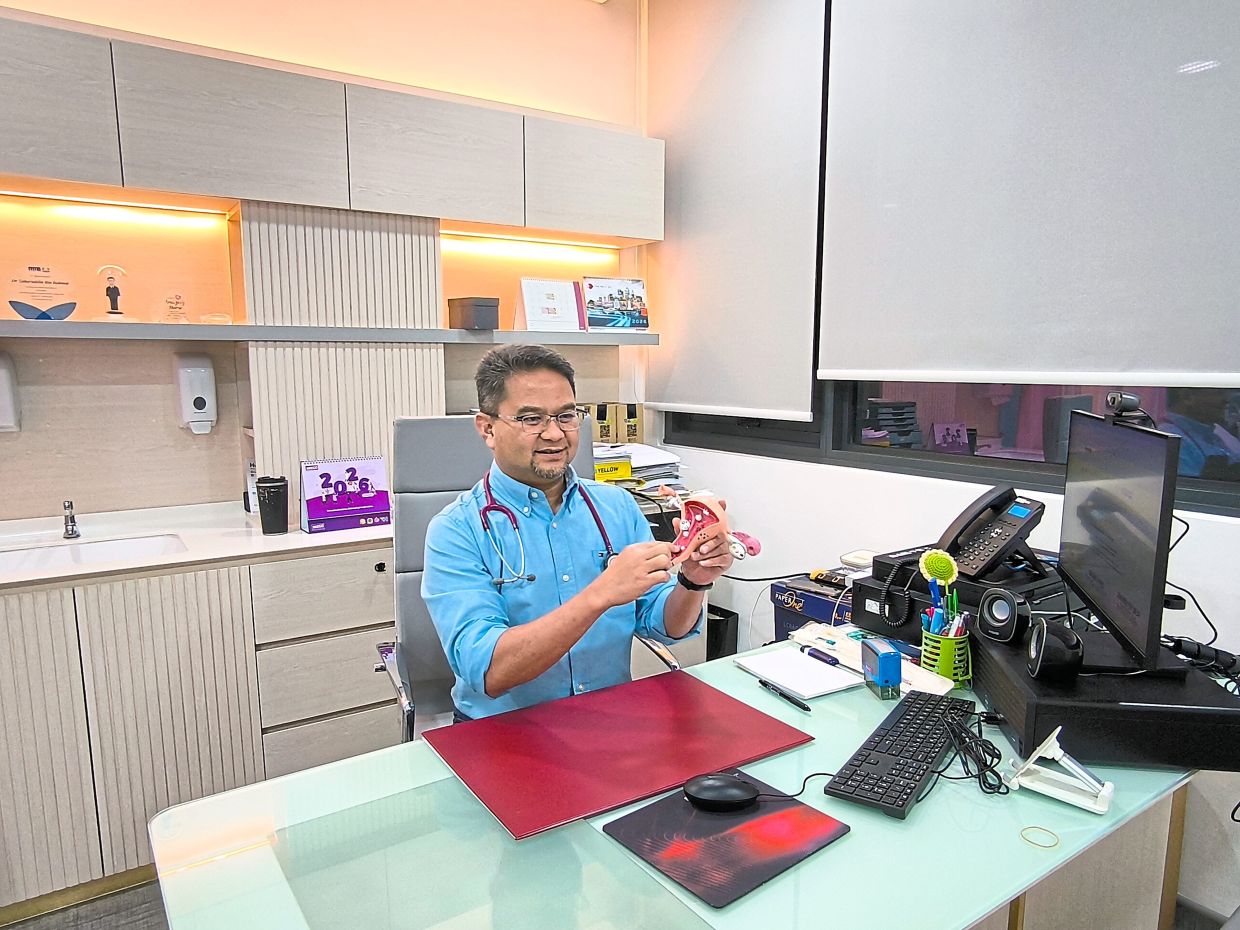
Another proposal from Dr Zaharuddin is for the Social Security Organisation (SOCSO) to revise its pap smear and mammogram screening benefits for female contributors by lowering the eligibility age from 40 to 35 years.
He also suggests that the government introduce a “call and recall” HPV DNA screening programme for women aged 35 and 45, in line with recommendations by the WHO.
This programme, he says, can be implemented based on the catchment areas of public healthcare facilities.
While such an initiative would require a centralised database and adequate laboratory capacity, Dr Zaharuddin believes it is achievable, noting that Malaysia has demonstrated its ability to implement large-scale public health programmes through the successful rollout of the Covid-19 vaccination campaign, involving both public and private healthcare providers.
