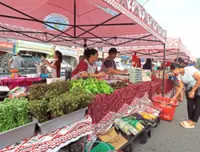
EVERY Saturday morning, Pasar Borneo in Seri Kembangan, Selangor comes alive with the aromas of Sarawak laksa, sizzling penyaram and spiced grilled meats.
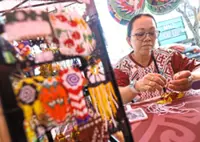
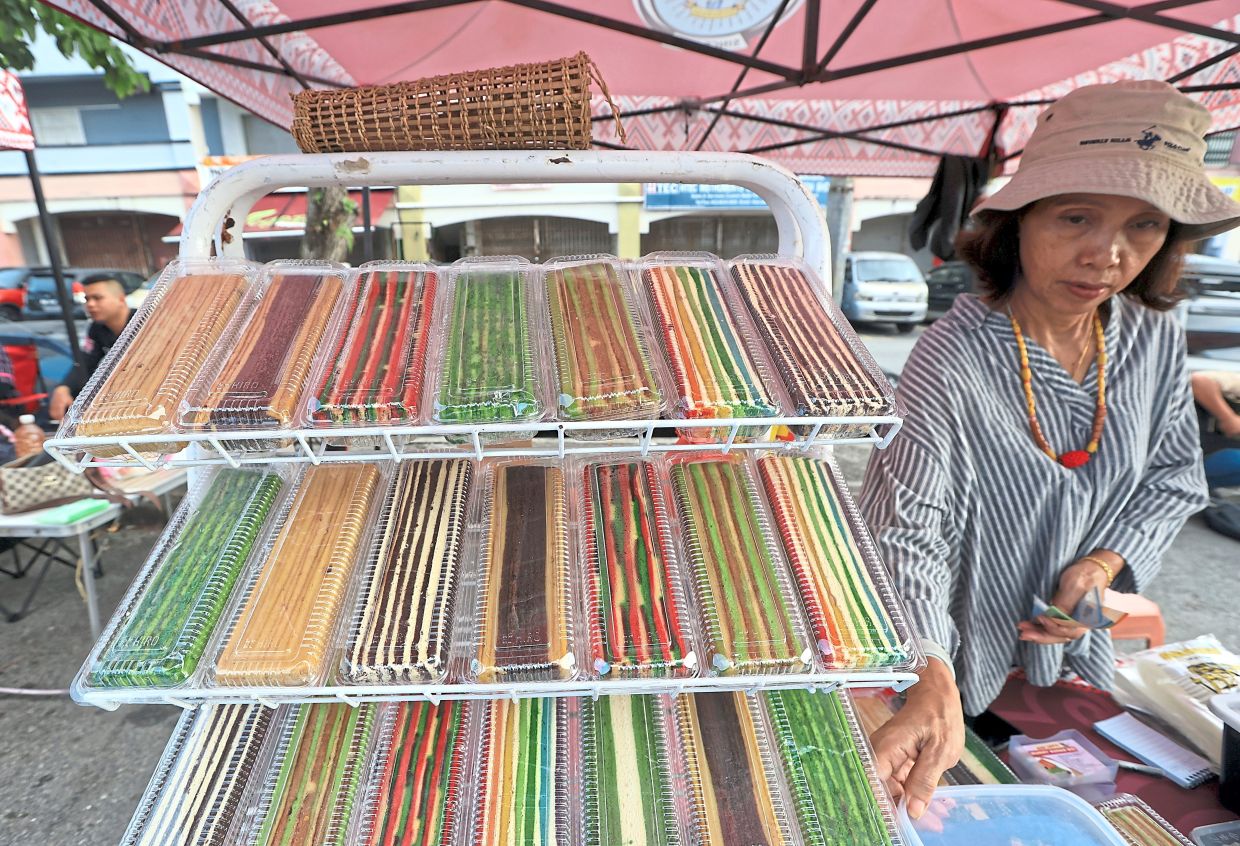
Here, shoppers will find stalls lined with local kuih including kek lapis Sarawak, freshly harvested vegetables and colourful crafts brought in from Borneo across the South China Sea.
For some, it may feel like just another lively market, but for traders gathering here each weekend, Pasar Borneo is far more than a place of commerce.
It is a reminder of home, and a reflection of what Malaysia Day truly represents.
Since its establishment in 2016, the market has become a cultural bridge for Sabahans and Sarawakians in the Klang Valley – a place where identity, tradition and belonging endure.
Malaysia Day also celebrates the nation’s diversity in unity, as people of different states come together to honour the formation of Malaysia.
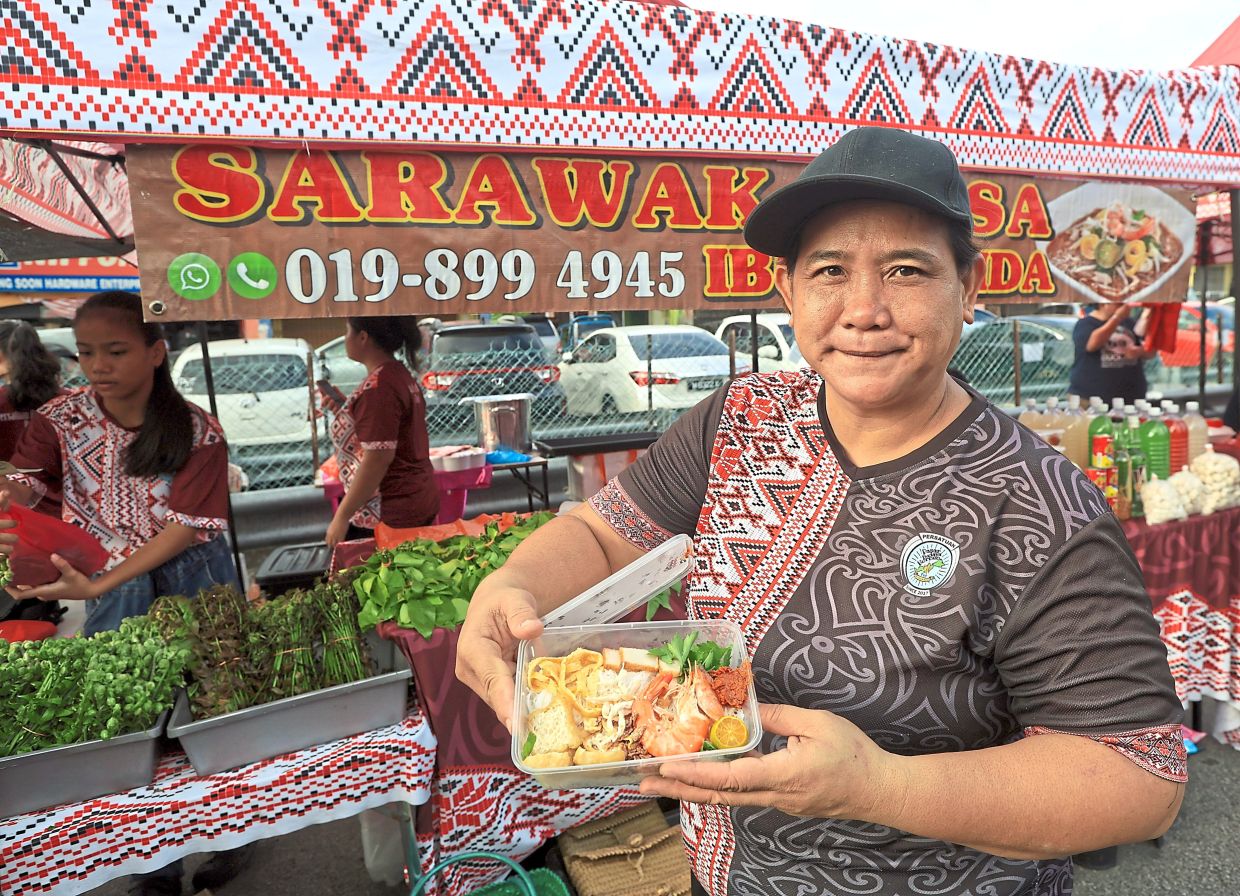
For vendor Perida Mandau, 45, who is of Iban heritage from Sarawak, bringing old recipes and authentic ingredients to customers is her way of helping others reconnect with their roots.
“I join the market every Saturday for the sake of those who have not been home in a long time, including myself.
“When I am here selling my dishes, surrounded by the market’s nostalgic atmosphere, it’s like being back in Sarawak.
“It’s not like any other market, as you cannot find these products and food anywhere else,” she said.
Mandau, who has been a market trader since its early days, is known for her Sarawak laksa.
“What makes my laksa unique is the belacan. We make it ourselves from udang kering and udang geragau, mixed with lime. This is my Sarawakian speciality,” she said.
She said Pasar Borneo was the perfect platform to highlight Sabah and Sarawak’s presence in Peninsular Malaysia.
“It is important to show our presence here, not only for locals but for tourists as well.
“Those who never got a chance to visit Sabah and Sarawak are able to come here.
“It is important for us to treasure our nation’s oneness,” she said.
On the other side of the market, representing the younger generation and continuing her family’s business is 18-year-old Phoebe Amber Pereira.
She sees the market as a place for traders to safeguard their heritage.
“My family is from Sabah. I’ve noticed that people of my generation are not fully aware of the Sabah-Sarawak culture,” said Pereira.
“They do not know our food, our heritage or our traditional clothes.
“I hope we can do more to spread cultural awareness.
“For me, selling Sabah-style mee kolok is a nice way to share my culture with everyone here.”
The Kadazan-Dusun youth said Pasar Borneo offered a sense of balance for all Malaysians every day and not only on Malaysia Day.
“For those who cannot return to Sabah or Sarawak, they can indulge in homemade food at this market,” she said.
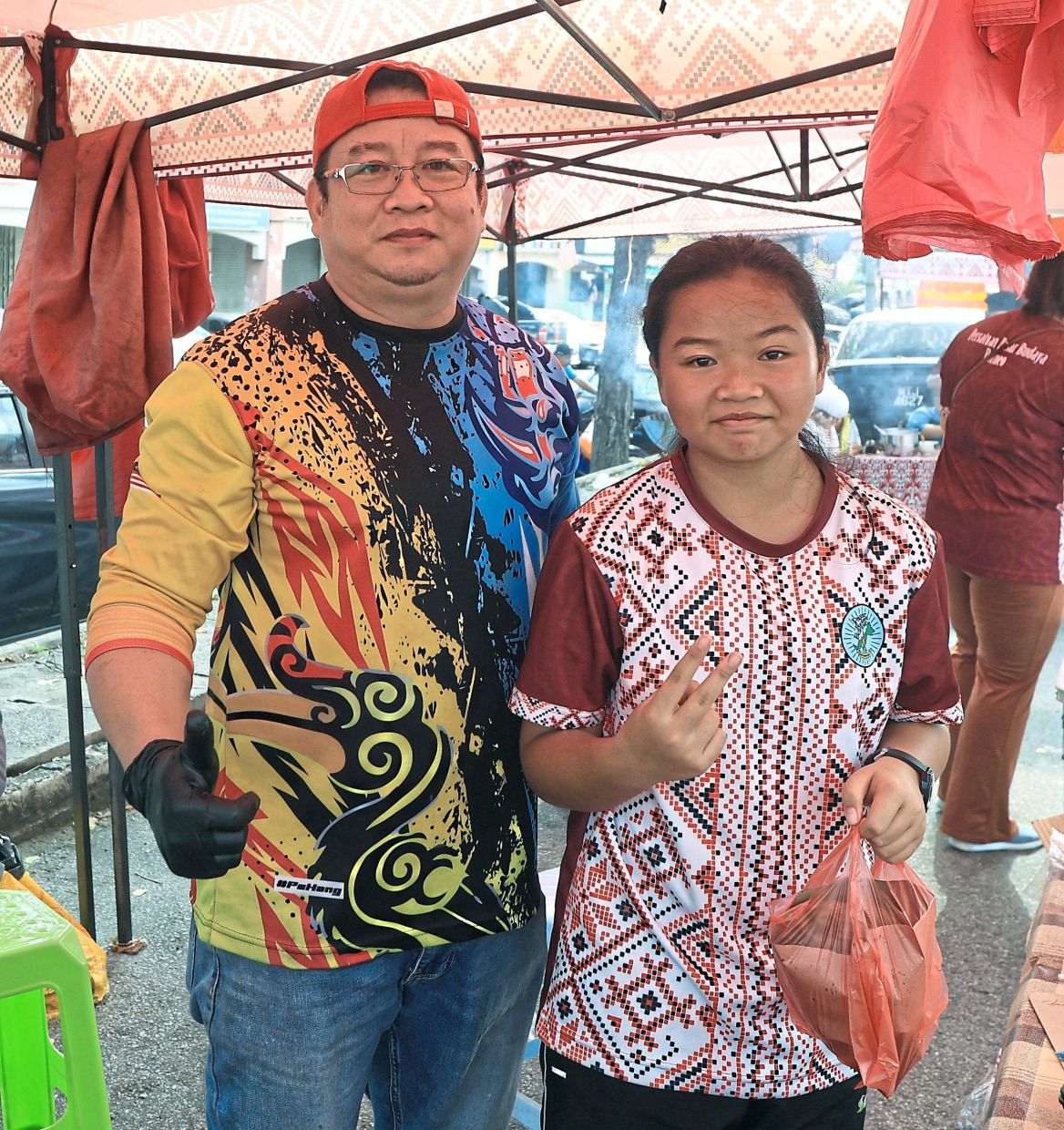
“We even have karaoke sessions, occasionally. That makes it feel like home because Sabahans love karaoke.
“The market gives people in the peninsula a chance to learn, discover and explore.
“It helps us build that special relationship with them and brings us all together to remind us that Malaysians are all one.”
Yeremiai Wess, 49, from Sibu, Sarawak, who has called the peninsula home for nearly three decades, echoed her sentiments.
“I first came here for my studies, then I started working, got married and eventually settled down in the Klang Valley.
“At first I started selling foodstuff to make more friends, but as time went on, I realised that this is something I can do for everyone’s enjoyment,” he said.
Despite his full-time job as an engineer, Wess never misses a Saturday at the market, and is always ready to greet visitors with unique tastes of Sarawak.

“I sell traditional delicacies like penyaram, laksa and fried noodles, but visitors can discover many delicacies at other stalls which reflect the culture of each person here.
“That’s the beauty of Pasar Borneo. For instance, you can find penyaram and laksa from Sarawak, and you can enjoy ambuyat and nasi kuning from Sabah.
“It is more than food. There are traditional handicrafts and clothes to explore too,” he said.
For Wess, cultural diversity is not the market’s only charm but the essence of Malaysia itself.
“I believe that learning about the country’s diverse cultures, practices and religions is key to Malaysia’s strength,” he said.
“Our multicultural community plays an important role in unity, tolerance and harmony.”