IN the heart of Kuala Lumpur’s busiest precinct, thousands of delegates stream through Kuala Lumpur Convention Centre weekly.
While the public sees grand exhibitions and global summits, a quieter transformation is unfolding behind the scenes: a shift from scale to sustainability.
Under its general manager John Burke, the centre has evolved from simply tracking waste to embedding environmental, social and governance (ESG) principles into its core operations, as well as coming up with a long-term climate roadmap stretching to 2050.
“We were always tracking waste and energy.
“The difference now is that sustainability is embedded into how we operate,” said Burke.
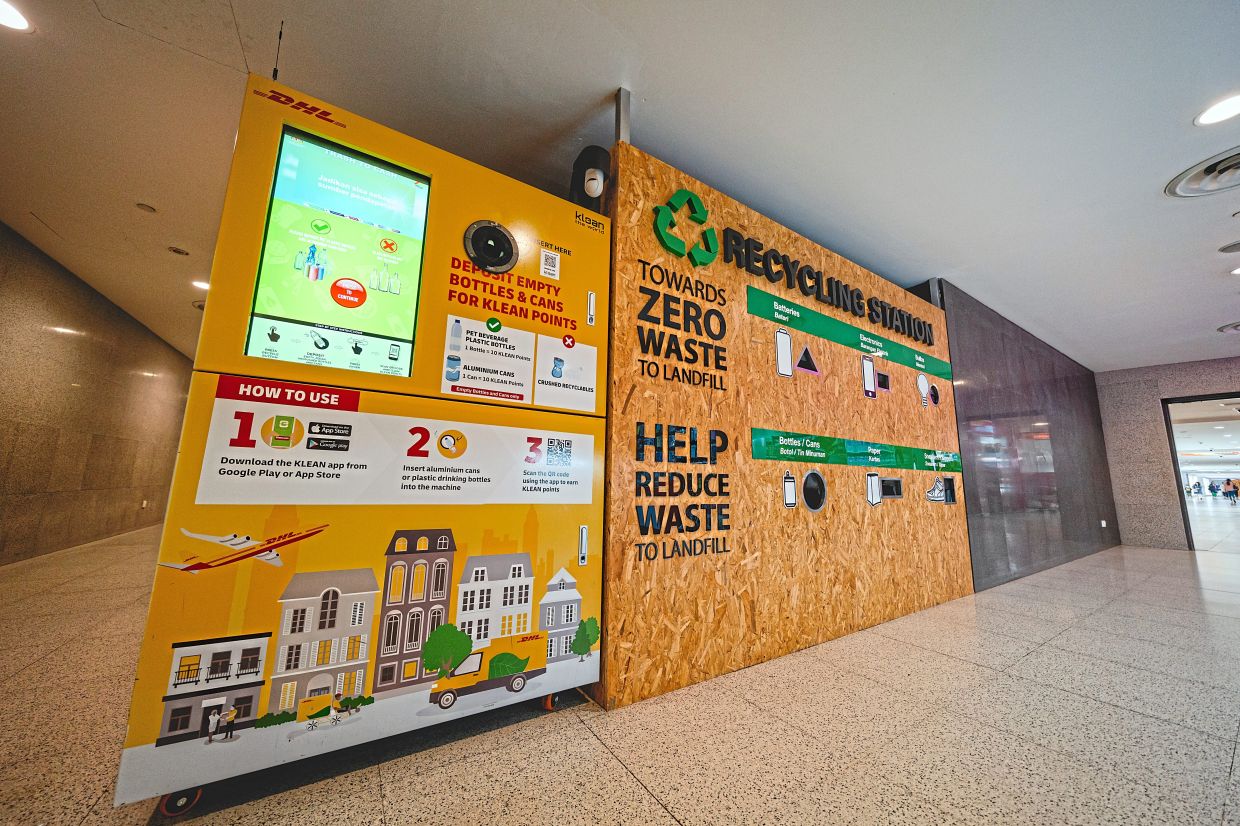
The centre has tracked waste, water and energy consumption since it opened in 2005.
However, Burke admitted that in the past, it was more about monitoring than implementing change.
“We have put more emphasis on reducing and removing waste from the organisation post-Covid,” he said.
The transition began with energy where since 2023 the main building operated on Tenaga Nasional Bhd green energy tariff, sourcing renewable power directly from the grid.
Simultaneously, a total upgrade of the building’s management system allowed for surgical precision – activating air-conditioning and lighting only when needed and powering down immediately after.
“It is not just about buying green energy, but also reducing what we use in the first place.”
Thousands of devices, from LED screens to back-of-house systems, were also being reviewed as part of a gradual transition to low-energy alternatives.
For a venue hosting tens of thousands, food waste is a major concern.
The centre now composts 100% of its food waste through external partners.
In late 2025, the facility processed more than 3.3 tonnes of organic waste monthly, with a peak of 4.3 tonnes during the high-volume Asean Summit period.
Beyond composting, the centre also tackles waste at source, including through redistribution.
“Safe-to-consume surplus food from events is channelled to the Food Aid Foundation,” he said.
Menu engineering is also in the works, where chefs explore zero-waste concepts from repurposing trimmings into stocks to increasing plant-based options.
Burke added that the team now calculated “waste intensity per delegate” to create accurate benchmarks regardless of event size.
As a signatory of the global Net Zero Carbon Events (NZCE) initiative, he said the centre had pledged to reach net-zero emissions by 2050.
He added that emissions were tracked in line with the Greenhouse Gas Protocol and reported using three-year comparative carbon data.
This involves advocating for “better stands”– modular, reusable exhibition booths that replace single-use builds destined for landfills.
Collaboration remained key to this journey, he added.
Locally, he said the centre worked with Urbanice Malaysia on its ESG framework and partnered with WWF-Malaysia to produce a food waste management guidebook for hospitality students.
“They will have a strong understanding of food waste such as how to prevent it, and if it does occur, how to manage it responsibly based on best practices,” he said.
The publication, titled Best Practice Guidebook for Food Waste Management and Responsible Food Sourcing, was developed together with Mandarin Oriental Kuala Lumpur, Taylor’s University and UCSI University.
For Burke, the goal was progress over perfection.
“We’re not going to fix everything. There is no magic solution.
“But if everyone does a little bit, the whole agenda moves forward.”