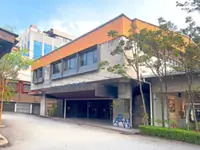
WHEN I first moved into this neighbourhood, it felt like a pocket of bliss tucked quietly away from the chaos of city life.
Surrounded by lush greenery, it was a gem – peaceful, charming and untouched by the hurried pace of the outside world.
Today, that serenity has given way to a daily struggle against a maze of traffic and congestion.
The skyline has transformed dramatically, and the infrastructure now mirrors that of a bustling city – sleek and modern.
But at street level, the experience tells a different story.
Beneath the gleaming facades and towering buildings, the reality is far less bearable.
The general disregard of developers towards traffic flow and connectivity is often well-documented.
It’s perplexing how approvals continue to be issued for new developments while existing traffic issues remain unaddressed.
Bangsar South was once hailed as a transit-oriented development (TOD), built on the assumption that residents and commuters would shift towards public transport.
However, Malaysians still rely heavily on cars for convenience and connectivity.
The proliferation of office towers and condominiums has created traffic bottlenecks at key entry and exit points and this has overwhelmed the existing road infrastructure.
The KL Gateway road network is a prime example of a poorly conceived design that resulted in traffic gridlock and confusion.
Motorcyclists weave through traffic at high speeds, delivery riders zigzag recklessly and frustrated drivers abandon all lane discipline in desperate attempts to escape the congestion.
Bangsar South was once touted as a model township – celebrated for its seamless connectivity and proximity to the light rail transit (LRT).
Yet on the ground, that vision is undermined by a growing problem.
Walkways meant for pedestrians are now increasingly hijacked by unlicensed vendors.
What was intended as pedestrian-friendly infrastructure has been appropriated by stall operators, some with temporary permits, many without any at all.
These vendors encroach on walkways, turning public space into commercial turf.
As a result, pedestrians are forced off the pavement and onto the road, navigating between moving traffic and parked vehicles.
It’s mentally exhausting to wade through the aggressive and selfish driving culture that has taken root on the streets.
But what truly exacerbates this daily stress is the lacklustre enforcement that overlook a multitude of traffic offences.
Instead of enjoying a smooth drive back to our homes, we brace ourselves for survival.
Defensive driving has become second nature – constantly checking the side and rear-view mirrors, scanning blind spots, steering clear of delivery riders who dart dangerously close, and keeping our distance from aggressive tailgaters.
The inconsistency of enforcement leaves us navigating a system where rule-breaking becomes a calculated risk, not a deterrent.
When the authorities are invisible, the system becomes optional.
Occasional operations by enforcement teams do little to solve long-term issues because they are reactive, not reformative.
It’s a cat-and-mouse game.
The reality is stark: unless residents file formal complaints, the system rides on inertia and the status quo remains.
Urban planning is more than glossy brochures and transit maps – it must be backed by responsible governance and continuous enforcement.
What we need isn’t more flashy infrastructure.
We need consistent deterrents.
Strategic urban design can offer relief.
Instal fences at key waiting zones like schools, bus stops or shop rows to prevent illegal roadside parking that clogs narrow lanes.
Use bollards to enforce lane discipline.
The installation of bollards at key locations could prevent last-minute lane changes and enforce better traffic flow.
Without structural deterrents and serious enforcement, chaos will continue to reign on the roads.
Empower enforcement officers to revoke repeat offenders’ licences without delay.
The law must be applied not just swiftly but visibly, with zero tolerance for repeat violators.
Public compassion for street vendors is understandable, even admirable.
Communities thrive on empathy.
But when this goodwill is manipulated and exploited, it breeds disorder.
Walkways should not be appropriated; roads should not be taken over by lawlessness.
We deserve better planning, consistent enforcement and above all, respect for the people who choose to follow the rules.
Quality of life should be central to town planning, not an afterthought.
A little dignity shown to us, the residents, is not too much to ask.
J. GOMEZ
Bangsar South