Johor Baru Chinese Heritage Museum in Jalan Ibrahim and Indian Heritage Centre in Jalan Ungku Puan house proof of the city’s rich multicultural legacy.
Johor Baru Chinese Heritage Museum manager Lee Sui Seng said the centre was managed by Johor Baru Tiong Hua Association.
“It was launched on Oct 3, 2009, by then Johor mentri besar Tan Sri Abdul Ghani Othman.
“The building used to be the Johor Baru Tiong Hua Association headquarters before it moved to Taman Sri Tebrau,” he said.
Lee said the association decided to turn its old headquarters into a museum to showcase the Chinese community’s contributions to Johor Baru.
“The building has four levels, with each displaying the Chinese community’s history and role of its leaders in developing the city,” he said.
“The history dates back to the time the Chinese arrived in Johor Baru and worked at gambir and black pepper plantations more than 100 years ago.
“We also have literature on World War II, the Emergency and Merdeka.”
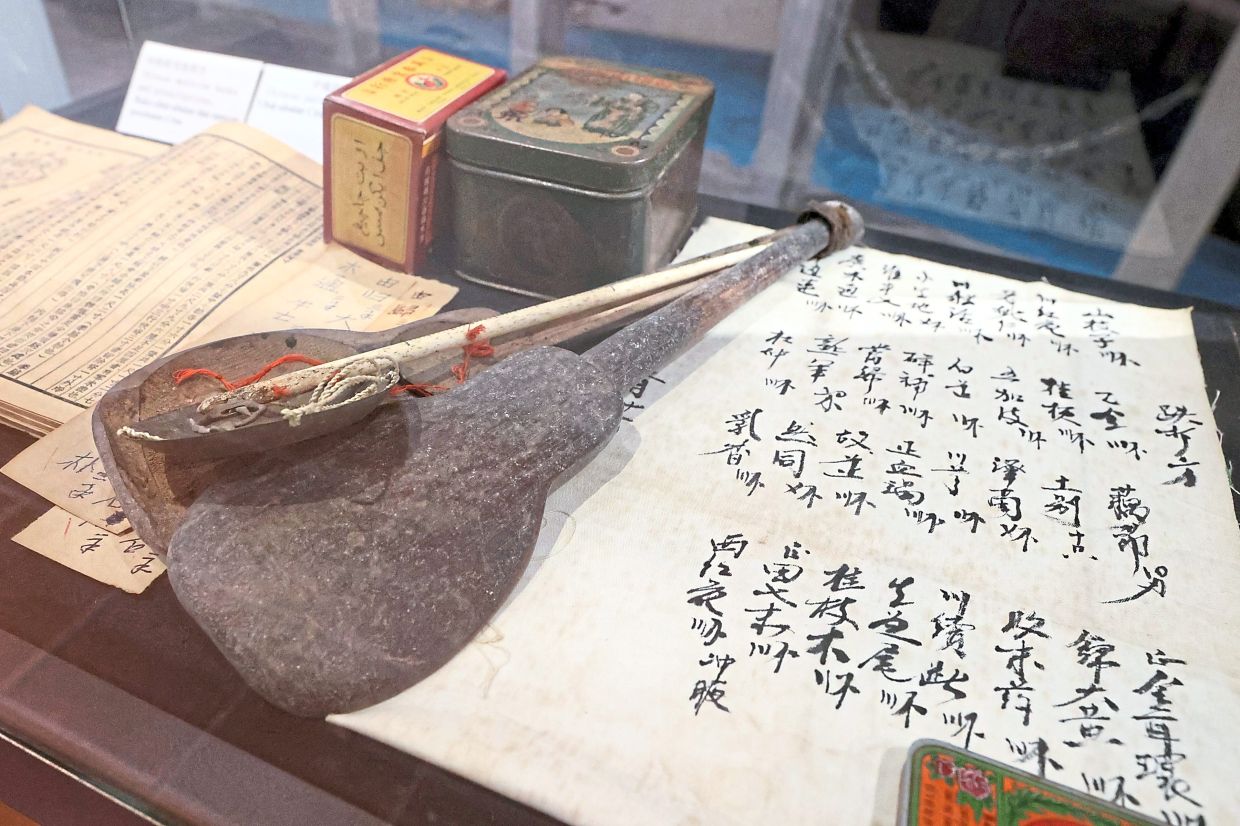
The museum has amassed hundreds of artefacts such as old coins and documents, photographs, tea cups and other historical items, he said.
Lee said most pieces were donated by the public.
“We have our own research team led by a history professor from a local university.
“The team inspects the items to ascertain if they have historical value.
“People who donate their things are happy that the museum has kept them well for future generations,” he added.
Lee said the museum had received a good number of visitors since its opening 16 years ago, including students from local schools.
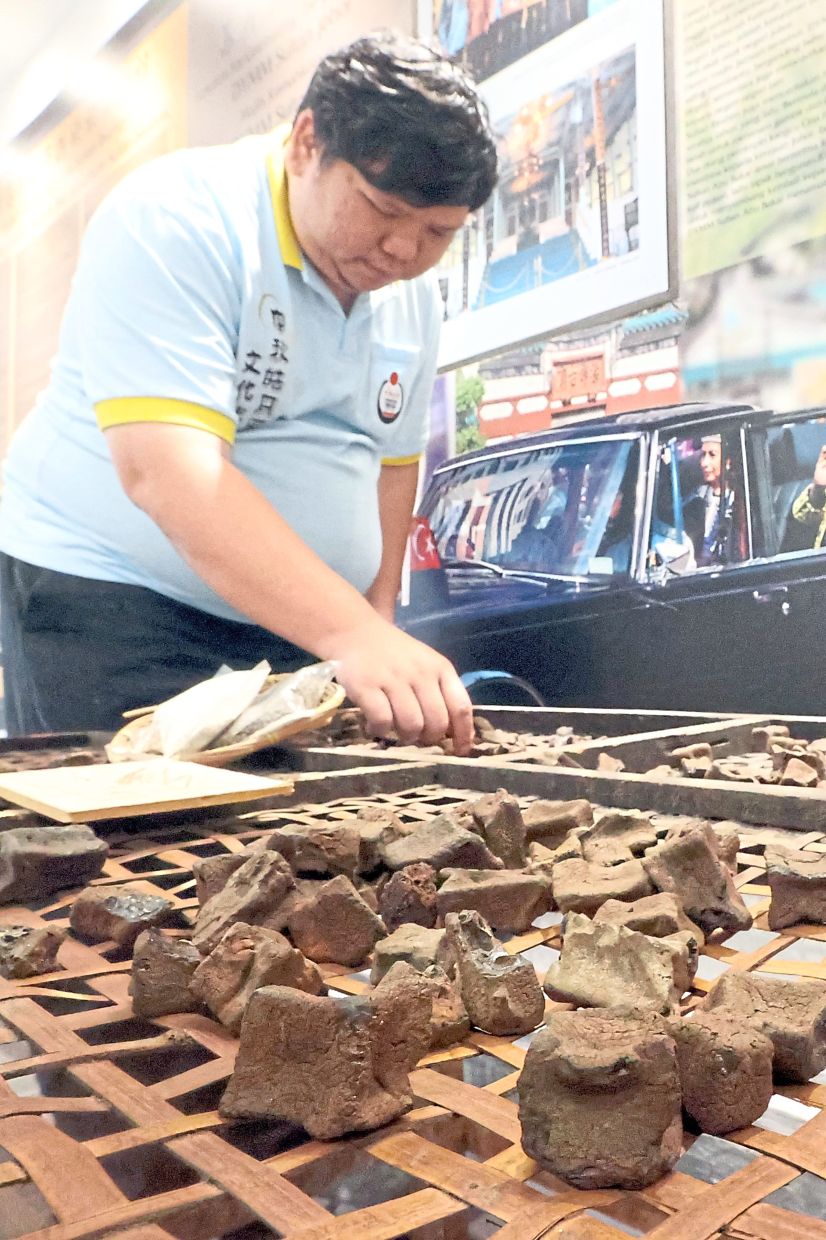
Most of the visitors, however, were foreigners with the majority from Singapore and China.
“Many of the tourists, especially those from China, are surprised to learn that Chinese culture and heritage, like the Chingay parade, are still being practised in Johor,” he said, adding that the museum was a must-visit place in Johor Baru.
Of late, the museum has also seen tourists from Europe.
Lee said the museum has four guides, including himself.
Visitors requiring an English or Malay-speaking guide are encouraged to contact the museum a week before arrival.
The museum is open Tuesdays to Sundays, 9am to 4.30pm.
Meanwhile, some seven minutes away is the Indian Heritage Centre, located in the 114-year-old Arulmigu Rajamariamman Devasthanam temple grounds.
The centre is a cultural landmark that documents the Indian community’s contributions in the state.
Established under the stewardship of the Arulmighu Rajamariamman Devasthanam temple, the centre serves as an archive of the community’s history – from early migration and settlement to its influence on local culture and commerce.
The temple’s secretary G. Sekharan said the centre was set up to preserve and showcase the Indian community’s rich culture, history and social contributions in Johor Baru.
“Through the heritage centre, we aim to highlight how Indian traditions helped shape Johor’s multicultural identity.
“Visitors who come here are drawn to the centre’s immersive exhibits, including traditional Indian art, textiles, jewellery and religious artefacts,” he said.
Sekharan said one of the unique highlights was a collection of cookware and pottery that tells the story of how these everyday items were brought in to Malaysia and had become part of local life.
“The displays help visitors understand not just the history but the daily lives of our forefathers,” he said.
“From the evolution of Indian languages in Johor to cultural performances, the centre is both educational and engaging.”
Sekharan said since its opening in 2023, the centre had seen a steady rise in local and international visitors, particularly from Singapore, China, South Korea and India.
He credits this to growing interest in multicultural heritage and Johor Baru’s emerging reputation as a cultural tourism destination.
He said although the centre had yet to collaborate with local businesses or tourism bodies, there were plans to do so.
The centre has also worked closely with schools and universities and is hoping to expand its outreach to other institutions.
“Looking ahead, the Indian Heritage Centre has plans to go digital,” said Sekharan.
“It will be launching virtual exhibitions and expanding educational programmes for students.
“Community events and cultural workshops are also being planned.
“Our goal is to make Johor Baru a key destination for heritage tourism, and this centre plays a vital role in that vision.”
The Indian Heritage Centre is open daily from 10am to 4pm, and entrance is free. — By MOHD FARHAAN SHAH