THE Rapid Transit System (RTS) Link and the Johor-Singapore Special Economic Zone (JS-SEZ) are poised to transform Johor Baru’s tourism landscape.
However, Stulang Zone councillor Bong Seng Heng warned that without collective action, both these initiatives could lead to traffic jams in Johor Baru.
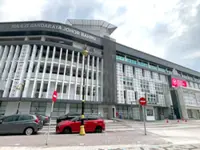
“The RTS Link is projected to handle approximately 350,000 daily commuters by 2030, which could lead to congestion in key city areas,” he said during the Johor Baru City Council (MBJB) full board meeting at Menara MBJB.
The JS-SEZ is also expected to result in more traffic between Johor and Singapore.
To address these concerns, Bong proposed that MBJB implement several measures such as the introduction of smart traffic management systems to efficiently handle the anticipated traffic increase.
“The development of digital tourist cards that integrate RTS tickets with local bus services and e-scooter rentals would facilitate seamless travel for visitors.
“To further enhance convenience, smart parking solutions and free shuttle services from RTS stations to major attractions like Danga Bay, Hutan Bandar and Bazar Karat should be established,” he said.
Bong also anticipated a potential rise in petty crimes such as pickpocketing and tourist scams.
He suggested installing at least 500 AI-powered CCTV units and forming Tourist Safety Patrol teams to improve security.
The councillor also expressed concerns that rapid development could escalate living costs, property prices, and rental rates, potentially pressuring local small and medium enterprises (SMEs) and eroding cultural identity.
To mitigate these effects, he suggested the introduction of Community Economic Zones (ZEK) to offer affordable rental schemes and subsidies to local entrepreneurs.
Bong also recommended establishing “Eco-Tourism Corridors” by designating areas such as the Johor Zoo and Hutan Bandar as green zones with restrictions on heavy development.
Additionally, he said initiating a “Zero Waste Tourism” campaign, with policies against single-use plastics in tourist zones and providing free water refill stations, would promote environmental sustainability.
Meanwhile, Bakar Batu Zone councillor Abu Talib Alias proposed the implementation of a community-driven programme named “Gotong-Royong Anti-Denggi” (GRAND).
“This initiative aims to empower city residents in the continuous fight against dengue fever.
“The GRAND programme could be conducted every Sunday from 8am to 9am, during which residents would clean their own premises,” he said.
Abu Talib said the initiative would complement existing efforts, such as the “Search and Destroy Aedes Mosquito programme”, which had been carried out extensively in collaboration with local communities.
“With continuous promotion and campaigning, residents will become more conscious of ensuring their surroundings are free from Aedes mosquito-breeding sites,” he said.
He added that such initiatives were crucial in the ongoing efforts to reduce dengue cases in Johor Baru, by encouraging active community participation in maintaining a clean environment.