
KAMPUNG Melayu Bumiputera Sim-Sim in Sandakan, Sabah, is not just known for its fresh seafood and unique setting as a water village, but is also a model settlement.
Established in the 1970s, it has undergone a steady transformation over the years, with modern amenities such as solar-powered street lamps, concrete bridges and a National Information Dissemination Centre (Nadi) for residents’ benefit.
Village chief Abdul Lasaid Abrahim said despite changes in national leadership over the decades, the government’s continued commitment to developing the village showed that traditional settlements could still progress.
He said the construction of new houses in the area must be approved by the Sandakan Municipal Council (MPS) to prevent unauthorised extensions or unsafe structures in ensuring the village layout remained orderly and secure.
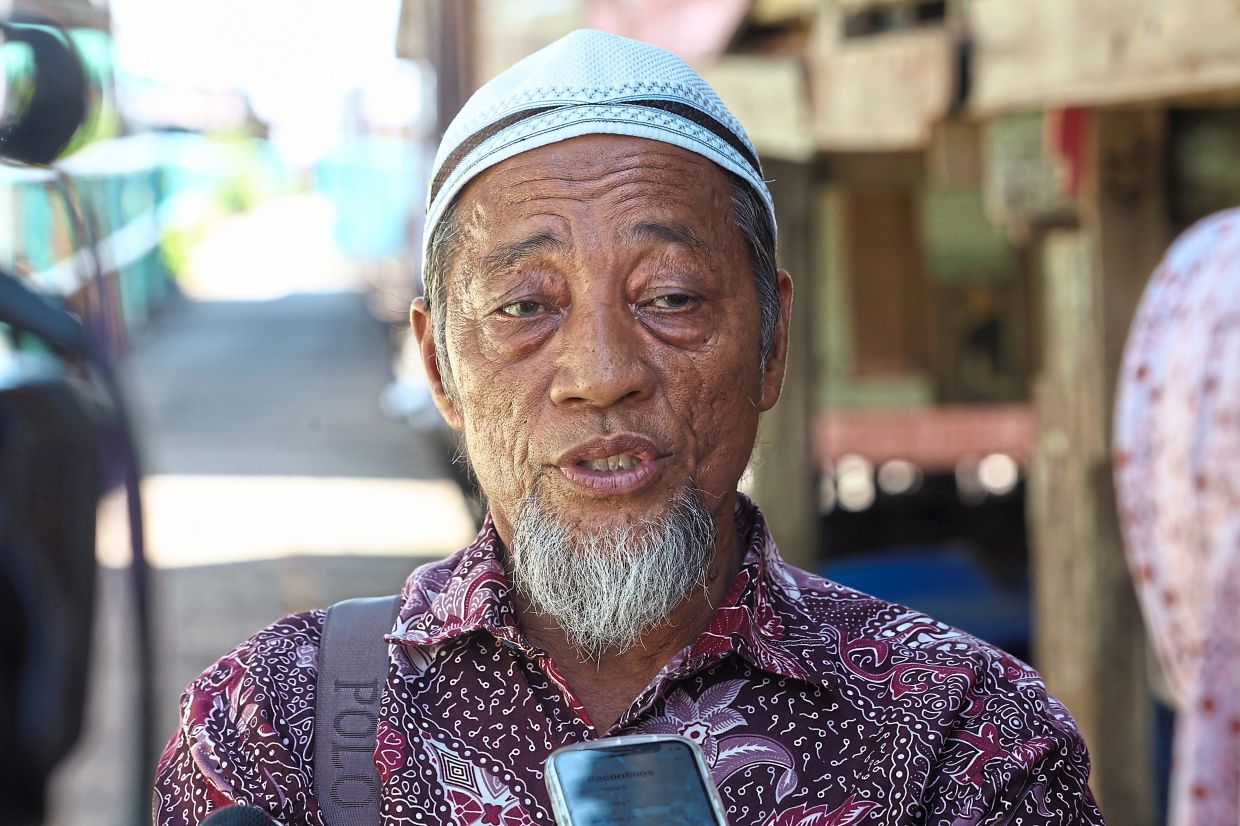
“If there are any new buildings, we will refer them to MPS first and monitor them closely. It’s part of my duty as the village head,” he told Bernama.
“In the past, everything here was made of mangrove wood and there was little development.
“Now, we have concrete bridges, solar lights, Internet access and housing repair aid, proof that successive governments have not neglected this area.”
Abdul Lasaid said the village not only reflected the coastal community’s rich culture, but also demonstrated success of rural development programmes prioritising locals’ well-being.
It has become an increasingly popular tourist destination, attracting visitors eager to enjoy local seafood and experience life in a traditional water village through homestay accommodation, he said.
“There were no homestays before, but now many villagers are involved.
“Tourists come not just for the food but also to experience our way of life,” he added.
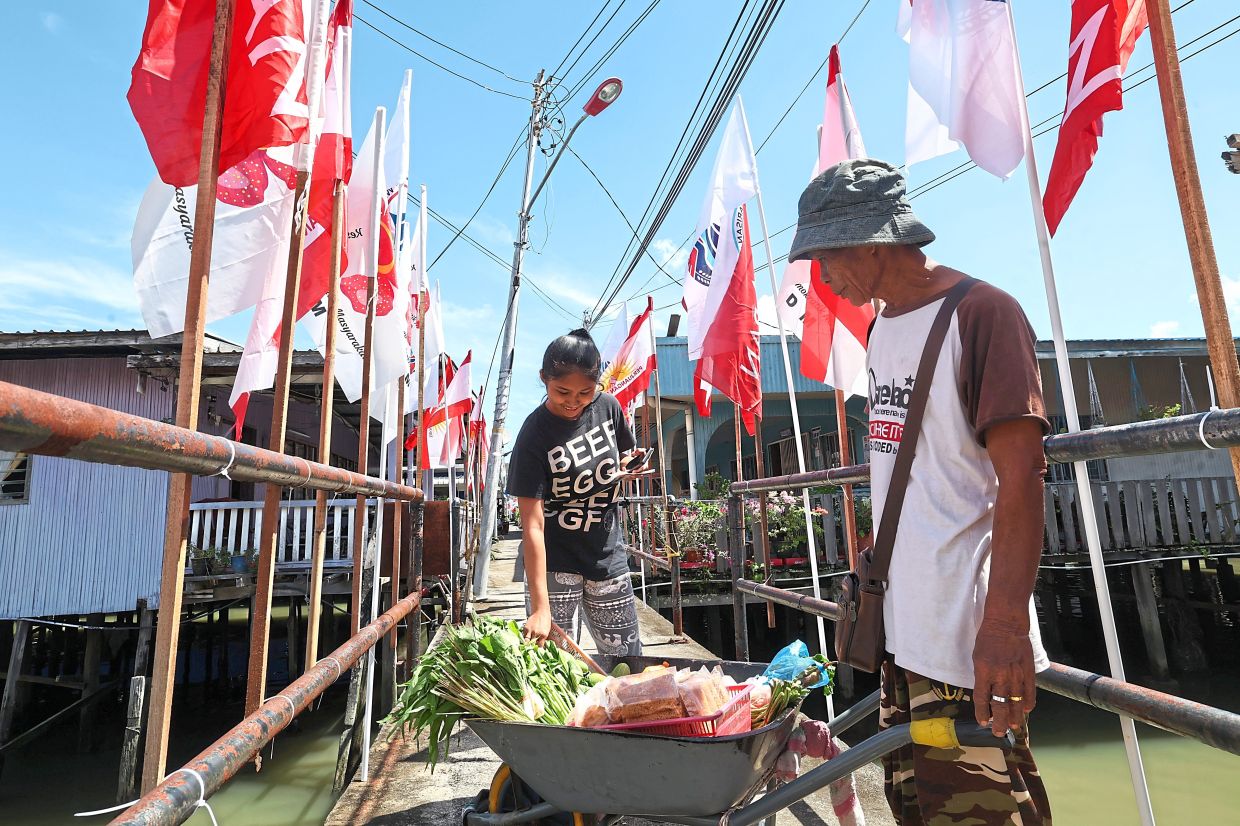
Another resident Abd Ghafar Razak said while the settlement was well-organised, some of the older houses were built too close to each other, posing a safety risk in the event of a fire.
“That’s why new houses are now required to maintain a minimum distance of 6m between them.
“In the past, the walkways were made of wood, and during high tide or a storm, they would be washed away.
“Now, all have been upgraded to concrete bridges,” he said.
For Fhamieran Shah Hasaran, 15, the Nadi centre has been especially beneficial, providing free Internet access to help students with their studies.
“I usually go there once or twice a week after school, and it has really helped improve my learning,” said Fhamieran.
He added that online cooking and photography classes through Nadi has opened up new livelihood opportunities for villagers interested in small-scale businesses.
Besides this, a new futsal court has provided local youths an opportunity to enjoy a healthy activity.