10 years on, waste sorting efforts stalled by high-rise challenges in seven states
“THINGS have improved, but there is still a long way to go.”
This is how the Solid Waste and Public Cleansing Management Corporation (SWCorp) assessed Kuala Lumpur’s progress after 10 years of mandatory separation at source (SAS).
While public awareness has grown and recycling rates has risen since 2015, the agency acknowledges that the system is far from perfect.
Weak enforcement, limited space in high-rise buildings and poor household habits continue to hamper progress.
ALSO READ: Taman Yarl hoarder with decades of rubbish to face court action
SWCorp told StarMetro that although SAS has advanced, it “still needs strengthening” to meaningfully shift household behaviour.
Its latest findings show that more Malaysians now understand the importance of recycling and are familiar with the 5R concept of Refuse, Reduce, Reuse, Recycle and Recover.
“A study in 2024 found that public knowledge increased from 86% to 90.2%, while the perception of actual practice improved from 71.6% to 84.7%.
“This shows that SWCorp’s communication, education and public awareness (Cepa) activities have had positive impact,” an SWCorp spokesperson said.
Recycling rates have also climbed steadily nationwide, added the spokesperson.
The figure rose from roughly 5% in 2005 to as high as 13.2% by 2014.
After SAS became mandatory in 2015, the recycling rate increased from 15.7% to 37.9% by the end of 2024.
Another study of 25 landfills managed by SWCorp found a 4.4% drop in recyclable materials disposed of in 2023 compared with 2022, including paper, plastics, metals, e-waste, carton box packaging, glass and textiles.
The company said these improvements showed that SAS was making an impact in states enforcing the Solid Waste and Public Cleansing Management Act 2007 (Act 672).
SAS has been compulsory in the Federal Territories of Kuala Lumpur and Putrajaya, Pahang, Johor, Melaka, Negri Sembilan, Perlis and Kedah since Sept 1, 2015.
Apathy, poor enforcement
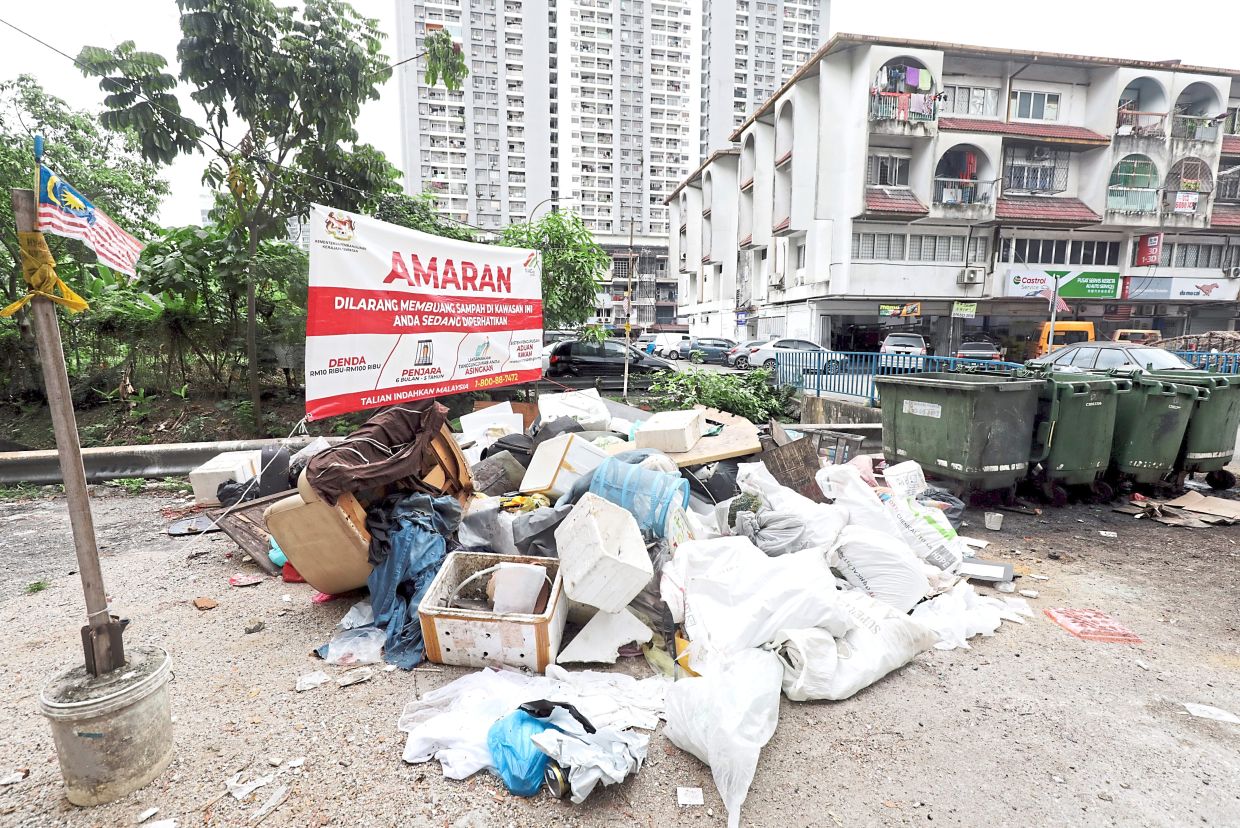
Despite the improvements, SWCorp said the programme was not without its challenges.
In a statement, SWCorp said although awareness has increased, many Malaysians still did not put that knowledge into practice.
“Apathy and the belief that separating waste is troublesome remain major barriers,” it said, adding that enforcement was inconsistent.
“Limited fines and weak supervision have contributed to low compliance.
“The differing systems between states enforcing Act 672 and those that do not is also complicating implementation.”
High-rises still behind
The implementation of SAS in high-rise buildings remains one of the toughest challenges.
While a large share of urban residents live in flats and condominiums, many buildings still lack proper recycling facilities.
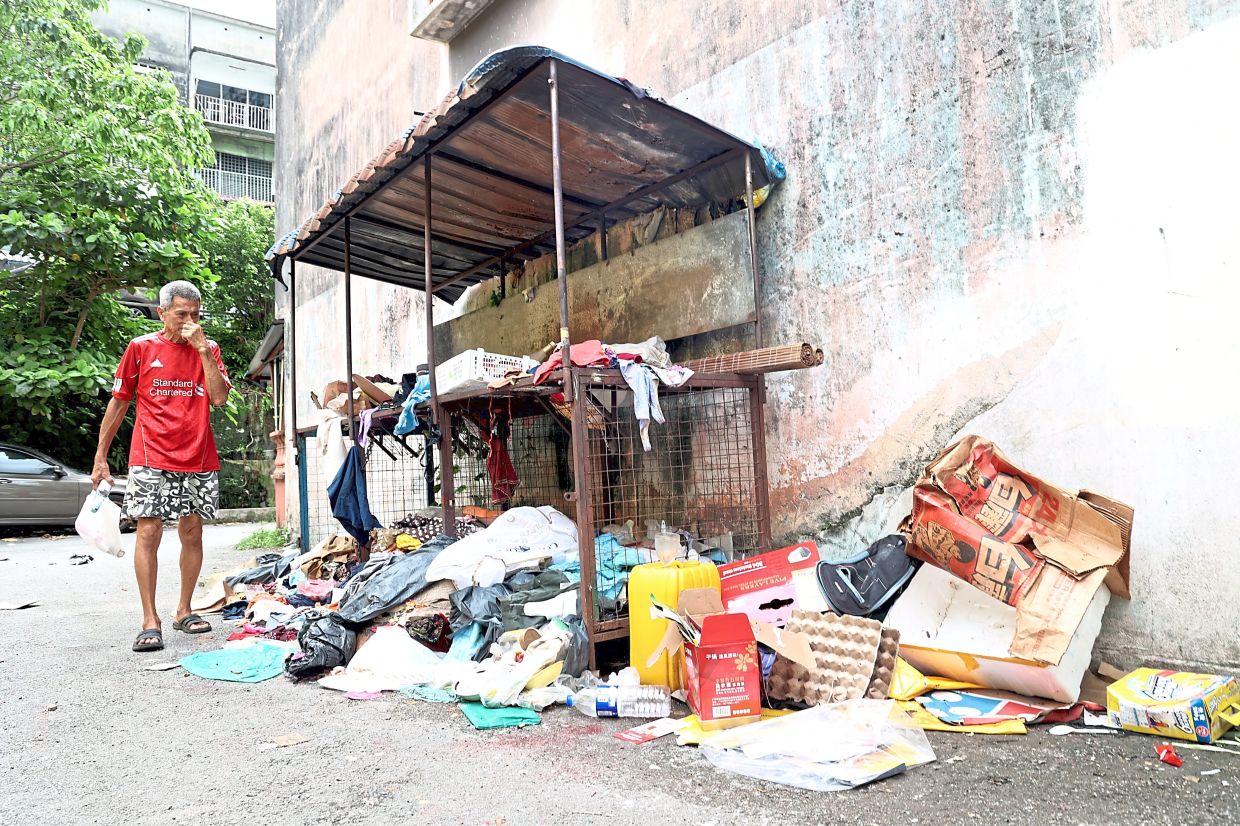
The refuse rooms of older properties are often too small to accommodate multiple bins.
While rubbish bins are supplied by the concessionaires, it is the job of the Joint Management Bodies (JMBs) and Management Corporations (MCs) to find space for them.
This is not always possible.
As a result, many high-rise developments resort to establishing alternative recycling centres, and this involves finding suitable locations, obtaining residents’ approval and additional costs.
SWCorp said these constraints had hampered the adoption of SAS in high-density areas.
Under the law, JMBs and MCs are responsible for ensuring compliance and can even be compounded for failing to do so.
They are expected to increase communication with residents, provide adequate collection points and enforce by-laws under the Strata Management Act 2013.
Limited household data
As of July 2025, there are 2,076,178 landed homes and 887,296 high-rise units in states governed by Act 672 – where SAS is mandatory.
However, SWCorp said it still lacked accurate data on household-level compliance, particularly in high-rises where recycling may not be captured in official figures.
The agency said it believed the national recycling rates were a better indicator of SAS performance.
It said recyclables collected through the +1 system rose from 498.31 tonnes in 2015 to 6,091.58 tonnes in 2024.
Under the SAS +1 system, households separate their rubbish into three groups instead of two, with food waste added as the extra.
Despite this, SWCorp said the volume and quality of recyclables remained below target.

On top of this, illegal recycling collectors and inefficient sorting systems continue to disrupt recovery efforts.
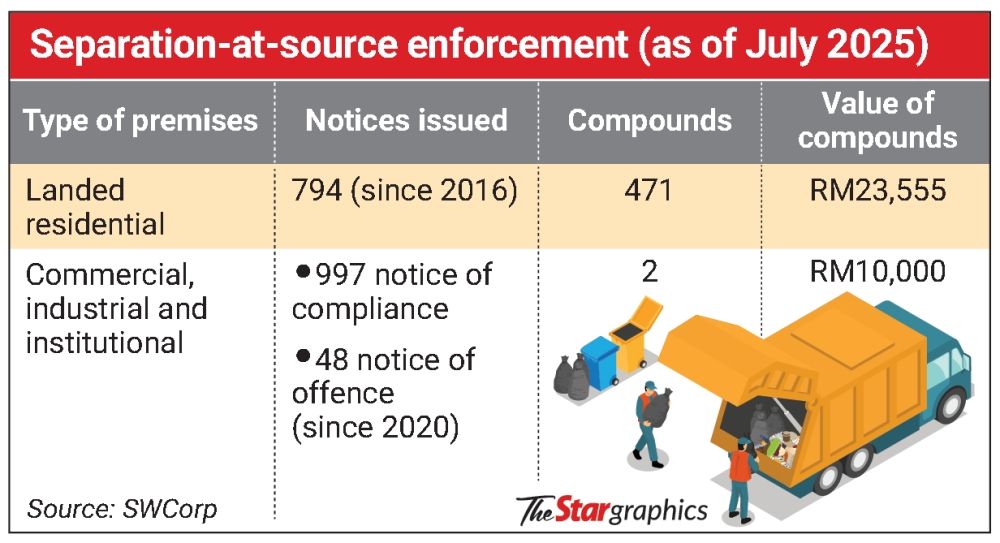
The SAS rules for commercial, industrial and institutional (CII) premises took effect in 2020.
The CII sector covers shops, factories, offices, restaurants, schools and hospitals.
The rule requires premises owners to separate waste, appoint licensed collectors and maintain disposal records.
Between 2020 and Aug 2025, SWCorp inspected 5,943 CII premises.
From these checks, 997 notices of compliance and only two compounds were issued – which SWCorp considers “good compliance”.
The road ahead
SWCorp estimates that collecting recyclables under the 2+1 system (where mixed waste is collected twice weekly and recyclables once) will cost RM36.8mil annually.
This figure excludes bins, manpower, Cepa programmes and enforcement.
To strengthen national standards, the Housing and Local Government Ministry (KPKT) will introduce the RePA two-bin system for households and place communal bins in high-density areas.
The next SAS phase will focus on achieving full compliance, and gradually expanding mandatory separation to include food waste, added SWCorp.
Pilot projects for the next phase are now underway in Kuala Lumpur and Nilai to test suitable collection methods.
SWCorp is also planning to intensify enforcement under Act 672, including compounds and legal action.
Beyond SAS, Malaysia’s Circular Economy Blueprint 2025–2035 is aiming to reduce landfill dependence by boosting recycling, composting and Extended Producer Responsibility (EPR).
Under the 13th Malaysia Plan, priority will go to waste-to-energy facilities, composting and biomass processing, with a national target of diverting 48% of rubbish from landfills by 2030.
Informal collectors at work
Malaysia’s recycling rate may be rising, but the country is still far from achieving true SAS as much of the progress is being driven by informal collectors than households, said two waste management researchers.
Monash University Malaysia Chemical Engineering Department, School of Engineering Assoc Prof Saman Ilankoon said while concessionaires like Alam Flora and KDEB Waste Management have introduced sorting initiatives, Malaysia’s recycling efforts was heavily reliant on informal collectors.
Assoc Prof Saman, who does research on e-waste and plastic waste management alongside PhD student and engineer Shafeeq Ahmed Syed Ali, said 99.9% of plastic waste collected for recycling in Malaysia was recovered through the informal sector.
“These individuals travel long distances, often on bicycles or modified motorbikes, and are extremely efficient,” they said in a joint written response.
However, the contribution of informal collectors remains undervalued.
“They have no access to social protection, health services or formal recognition,” they said, adding that Malaysia should integrate such collectors into the formal waste management supply chain.
They also said Malaysia’s waste laws, including Act 672 and Act 673, were necessary but needed stronger implementation.
“Act 672 must eventually be enforced in all states. We also need yearly collection and recycling targets for each state.”
Assoc Prof Saman and Shafeeq Ahmed said although recycling rates had steadily improved over the years, major gaps remained on the ground.
They said although the national recycling rate aided by new recycling centres, improved sorting facilities, and public outreach rose to 37.9% in 2024, a substantial amount of recoverable waste was still being overlooked.”
“Despite the improvements, an estimated one million tonnes of recyclable materials are still not recovered each year,” they said, citing SWCorp data.
They said while national figures showed progress, “there is no yearly official data from the seven SAS states to clearly compare performance before and after the policy took effect.”
They observed that the gap between public awareness and actual behaviour remained wide.
“Most residents we surveyed understand the benefits of recycling and say they are willing to separate their waste,” they said.
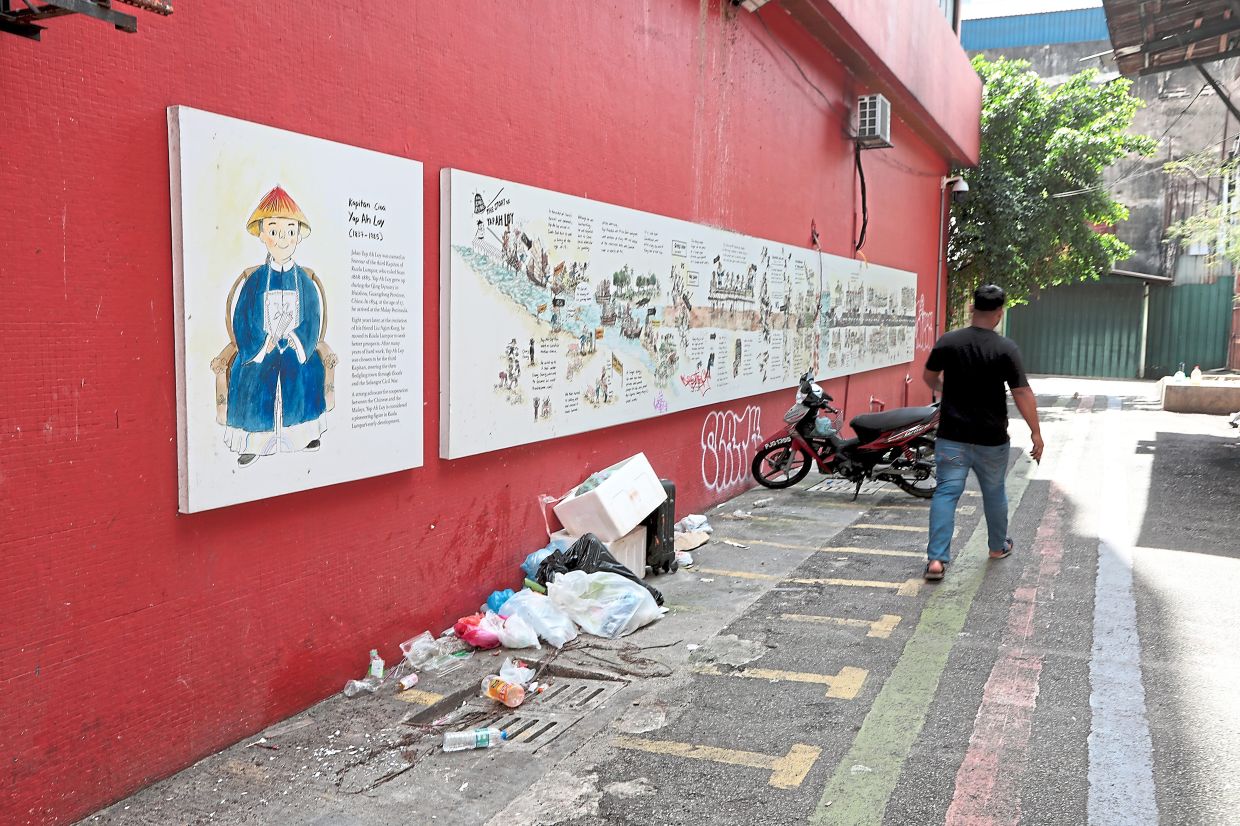
“But many are limited by a lack of segregated disposal facilities, hygiene concerns and uncertainty about what goes where.”
Malaysia’s recycling potential in 2023 was 42.34%, yet much of that value was lost due to inadequate facilities, especially in high-rise areas, they added.
The researchers also raised concerns about hazardous items entering household waste streams.
“E-waste is still commonly discarded with municipal waste leading to toxic materials ending up in landfills and contaminating ecosystems,” they said.
“Broken fluorescent lamps and discarded electronic components are frequently found in general waste streams.”
Malaysia’s next move
Assoc Prof Saman and Shafeeq Ahmed said the next phase of waste management must focus on strengthening public education, including structured lessons in schools similar to Japan’s approach.
They are urging for greater use of technology and social media to influence behaviour, particularly among younger Malaysians.
They also called for better data transparency through public dashboards, upgrades to recycling infrastructure for materials such as paper, plastics, metals and carton box packaging.
Stronger Extended Producer Responsibility (EPR) requirements were needed too, they said.
Increased research funding, especially for waste and hazardous material management, and reduced reliance on landfills through value recovery facilities and composting were also recommended.
“We can only build a circular economy if SAS becomes part of daily life and not a chore.
“Without citizen participation, supported by proper infrastructure, it will be difficult to embed these habits, no matter how strong the laws are.”
The next decade must prioritise practical, community-centred solutions backed by solid data and stronger enforcement, as Malaysia “cannot afford to keep losing valuable materials to landfills.”