THE Red Ribbon Fun Run and health carnival held in conjunction with World AIDS Day drew over 400 people in Johor Baru.
It brought together diverse strengths and resources to deliver a well-rounded programme blending health education with fun activities to build HIV and AIDS awareness.
Newcastle University Medicine Malaysia (NUMed) allied with the Johor Health Department (JKNJ), Universiti Teknologi Malaysia (UTM) and Taman Universiti Health Clinic (KKTU) for the event.
Held at UTM, it was a combined effort of students, healthcare professionals and community members.
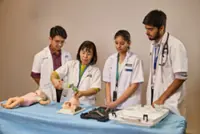
There were booths offering free health screenings as well as interactive games and educational activities that enabled visitors to learn about HIV, sexual health and the importance of prevention.
The event reflected NUMed’s core values that included promoting health and fostering community engagement.
The students gained hands-on experience in health promotion and disease prevention while enhancing their communication skills, teamwork and empathy.
“This event gave our students and staff the chance to step out of the classroom and engage with the community.
“It brought to life the values we cultivate every day – compassion, teamwork and service,” said NUMed clinical lecturer Dr Leeynesh Sooriyapiragasam.
“Being a doctor involves much more than treating illness, it is also about advocating for public health and empowering individuals to live healthier.
“What mattered most wasn’t just the quantity of participants, but the quality of engagement,” said JKNJ HIV Unit Public Health Medicine specialist and state AIDS officer Dr Mohd Nasrullah Nik Ab Kadir.
“Seeing that level of genuine interest and participation showed that health awareness can be meaningful, interactive and enjoyable.”
“The event played a crucial role in normalising discussions around HIV and AIDS, and reducing the stigma,” added KKTU family medicine specialist Dr Nimelesh Balanthiren.
“Through interactive booths, open forums and peer engagement, participants gained better understanding of prevention, testing and treatment,” he said.
“Most importantly, it created a safe space for open dialogue and encouraged young people to take proactive steps for their health.”