
There's a reason why “jalan-jalan cari makan” is an often-quoted phrase in Malaysia.
The saying – popularised by the 2001 TV show of the same name that’s currently in its 25th season – encapsulates our love for both local explorations and gastronomic wonders.
Our nation offers everything from modest street eats to internationally-recognised epicurean delights. Penang is often celebrated as Malaysia’s culinary capital, thanks to flavourful local fare like char kuey teow and asam laksa.
Let’s not overlook, however, the two states located across the South China Sea.
Sabah and Sarawak may not be as accessible to those living in Peninsular Malaysia – the flight duration to either state is considerably longer than to Penang, while driving is definitely out of the question.
But going that extra mile will prove rewarding for food enthusiasts.
The two largest states in the country boast a diverse gastronomic heritage. With around 30 to 40 ethnic groups in each state, further divided into hundreds of sub-ethnic groups, it’s no wonder that there are generations’ worth of cuisine to be appreciated.
The rich smorgasbord of local dishes also bears a distinct Chinese culinary influence, further diversifying the local food scene.
If you’re unfamiliar with Sabah and Sarawak cuisines, then why not take a little food-themed trip across the Bornean parts of Malaysia?
Yes, this includes Labuan, too.
Understandably, hopping on a plane may not be immediately feasible, but fret not, there are other ways you can embark on this culinary journey.
For example, you will find many Sabahans and Sarawakians selling their fare across the Klang Valley, and beyond.
A quick search online or on social media will let you know where, when and how you can get your hands on their delicious products.
Best food forward
Meari Helmee Duintin, 38, from Kota Belud, Sabah is one of the Sabahans who run such businesses. Now living in Shah Alam, Selangor the small-scale entrepreneur has been selling traditional Sabahan food here for around a decade now.
Mee sup Kota Belud, ambuyat (a starchy sago dish) and penjaram (a sweet kuih) are among the staples on her menu.
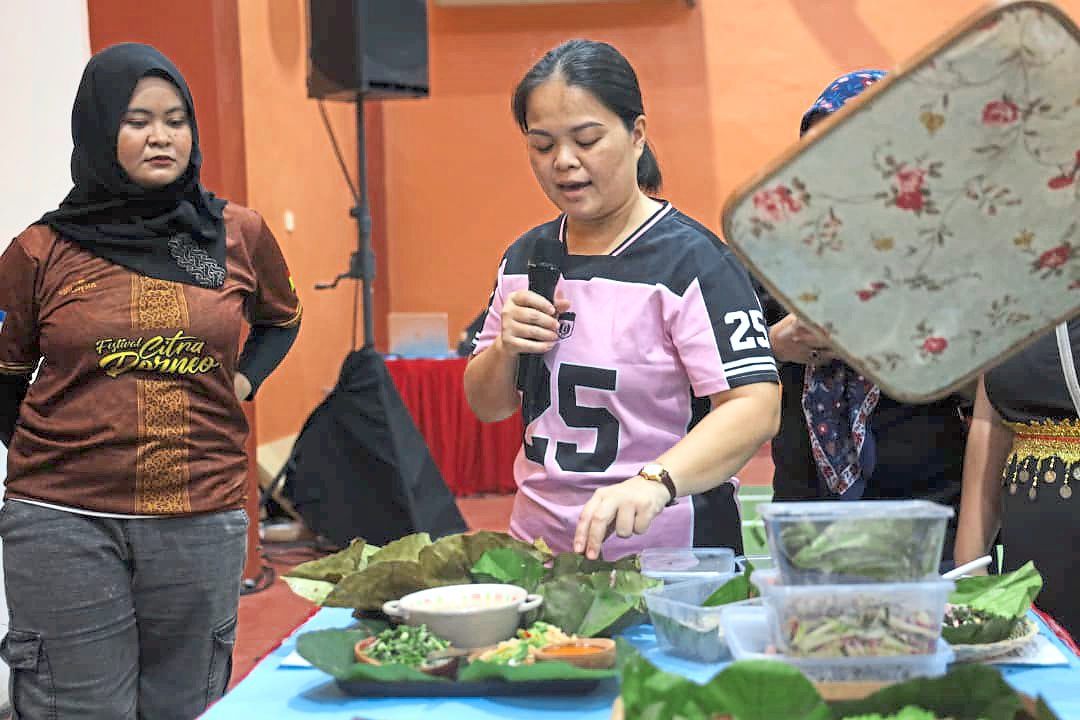
“Around 90% of my customers have been Sabahans living in Peninsular Malaysia,” says Duintin. But following a participation in a recent event that promoted the two Bornean states, she started gaining customers beyond the Sabah community.
Her customers often give her positive feedback, which encourages her to continue running her business, D’Koluwayan Kitchen.
That said, since taste is subjective, Sabah cuisine may not appeal to everyone.
While she doesn’t often encounter such remarks, there are non-Sabahans who opine that the food from the state often lacks flavour.
Duintin thinks this could stem from the fact that they may not be accustomed to Sabah’s “ingredient-forward” dishes, and simple style of cooking.
“Sabahan food tends to highlight the natural flavours and freshness of the ingredients rather than rely heavily on strong spices and seasonings,” she explains.
Dr Amirol Najmi Abdul Rasid, 30, shares the same opinion. Hailing from Terengganu, the medical doctor currently based in Sipitang, Sabah says most people in the Peninsular are more familiar with stronger flavours and spicy food.
“I don’t think less spicy or less heavily seasoned means less flavourful,” he says. He highlights how some dishes may also depend heavily on the freshness of the ingredients.
For example, fresh fish and vegetables may not necessarily require complicated preparations or cooking methods to bring out their taste profiles.
“I think sometimes we judge unfamiliar food based on whether it tastes like the food we already know,” he adds.
“If you’re expecting every-thing to have the same intensity as food from Peninsular Malaysia, you might miss the flavours that make the local dish unique.”
Having resided in Sabah for a year now, Dr Amirol Najmi often shares online his daily meals, even showcasing how he prepares them.
Living in a more rural part of the state, where ingredients and food options are limited, meant that he had to learn early how to cook his own meals.
“Because I live here and often have to cook for myself – sometimes together with the other staff at the clinic – food has become one of the ways I connect with the place,” he says.
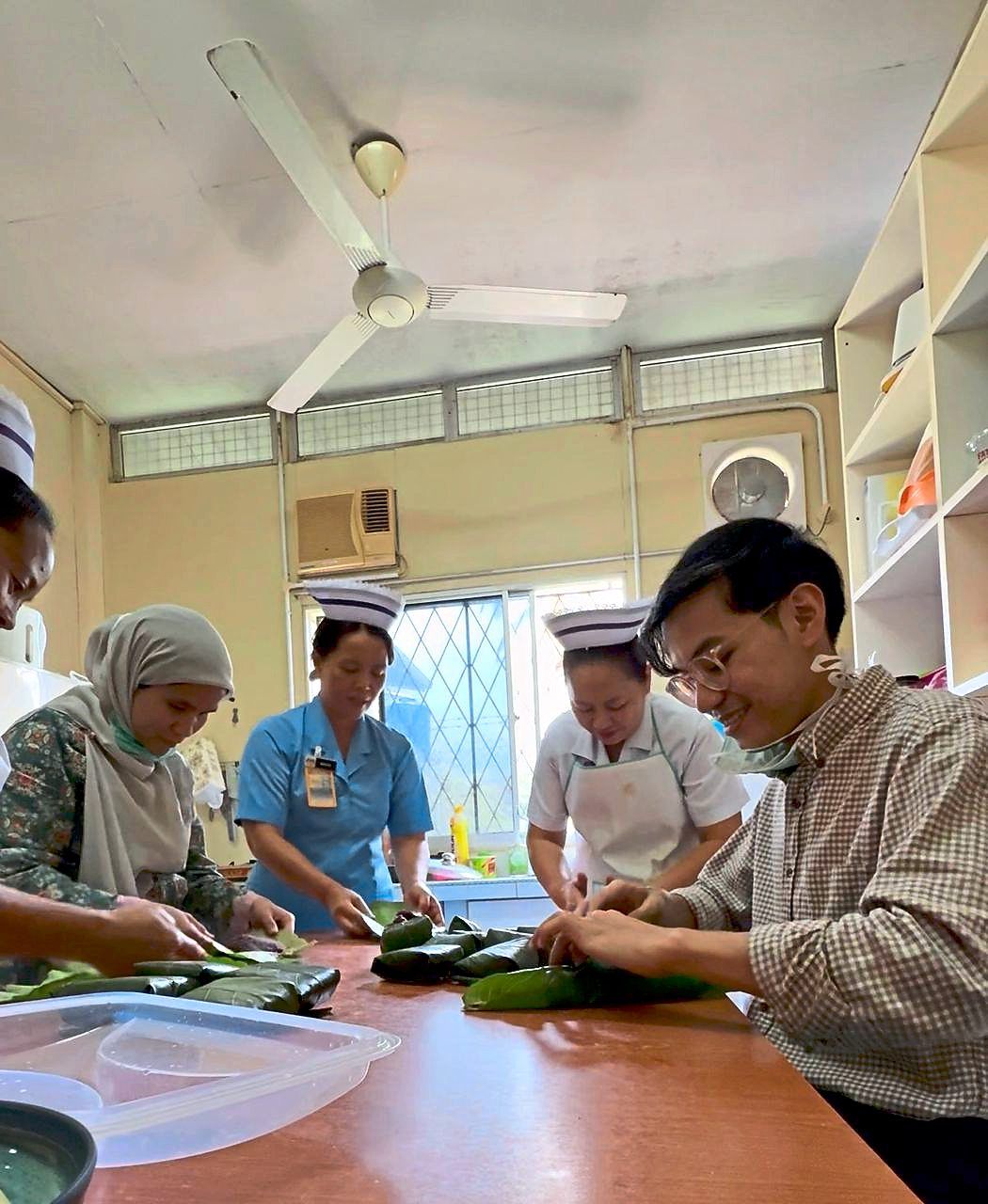
Through asking and observing his colleagues, he’s learned to cook meals that typically consist of rice, fish and vegetables.
Since these main ingredients are a big part of his Terengganu diet, too, he finds it easy to adapt to the everyday food in Sipitang.
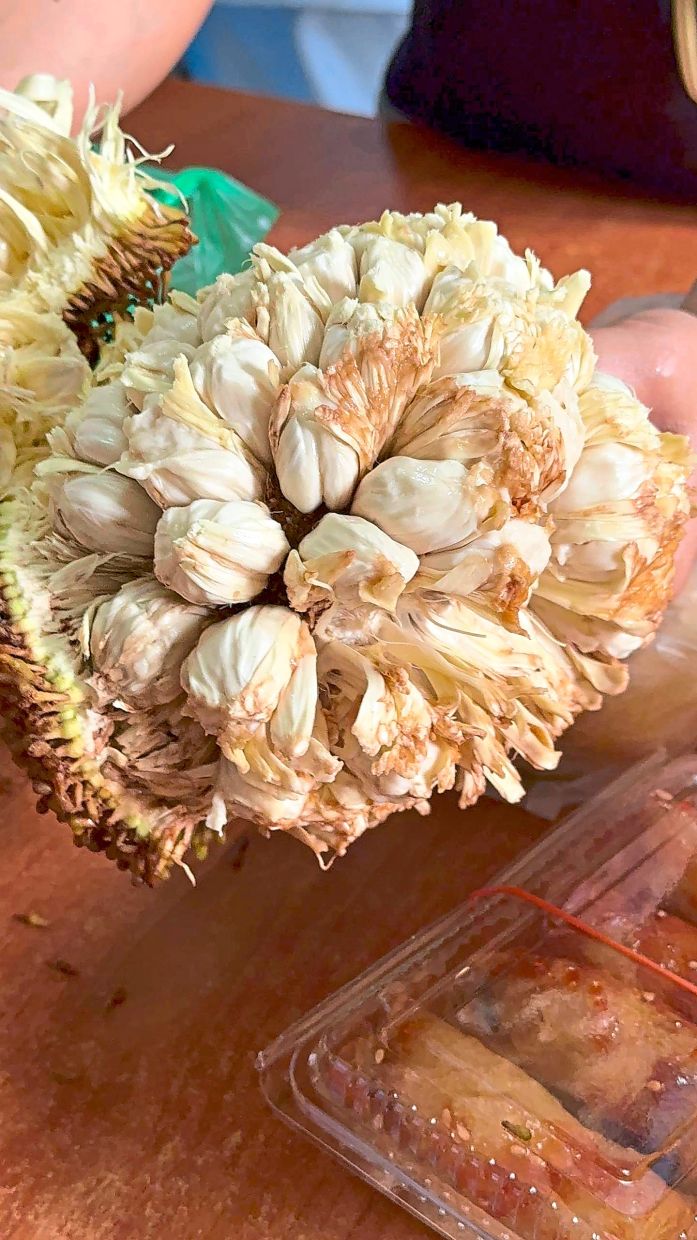
He’s also familiarised himself with traditional foods like ambuyat and linopot (wrapped rice), and fruits native to Borneo, like tarap (a close tropical cousin of the jackfruit) and kembayau (Sabah’s own olive, often mistaken for Sarawak’s dabai).
These initially “intimidating” foods and fruits are the ones he finds the most interesting, because he has never encountered them in his home state. Other examples include tuhau (a Bornean wild ginger), bambangan (a wild mango endemic to Borneo) and kepurung (a Bugis dish similar to ambuyat).
It’s not just the taste that makes them interesting. He explains, “I also enjoy learning about why certain ingredients are prepared or preserved in a particular way, and how they fit into the everyday lives and traditions of different communities.”
To non-Sabahans that may be wary of trying local or traditional food from the state, he advises them to start with something “approachable” and slowly explore from there.
“Taste is subjective, and some flavours take time to get used to,” he says, adding that the more important thing is to approach unfamiliar food with “an open mind and respect for the people and culture behind it”.
Charlene Chan, general manager of Sheraton Kuching Hotel in Sarawak, similarly advises anyone hesitant to try Sarawakian food to not worry about liking every dish.
“Even Sarawakians have their own preferences. The fun is in trying something new and discovering an unexpected favourite,” she says.
As a Kuching native, Chan is proud to showcase Sarawakian cuisine at the hotel. Sarawak laksa and kolo mee (springy egg noodles), which she describes as “an important part of Sarawak’s culinary identity” are served at the hotel’s Nomadic Restaurant.
“We take great pride in serving them authentically,” she says. “For many visitors, they are often the first introduction to Sarawakian cuisine, and we want them to experience the same flavours that locals know and love.”

Aside from the two dishes, the hotel also highlights other Sarawakian dishes during major celebrations like Hari Gawai season in May and June, Sarawak Day (July 22), and Malaysia Day (Sept 16).
Chan thinks that one of the things that makes Sarawak’s food scene so special is the fact that many tourists arrive knowing only Sarawak laksa, but leave having discovered many more favourites, from midin belacan (stir fried jungle fern dish) and manok pansuh (chicken cooked in bamboo) to umai (raw seafood salad) and even dabai (Sarawak black olives).
“In fact, I sometimes joke that recommending Sarawak laksa and kolo mee is the easy part. The difficult part is convincing guests that they can’t possibly try everything Sarawak has to offer in just one trip,” she adds.
If reading this has got your mouth watering for a taste of the noodle dishes, but alas you are unable to make a Sarawak trip just yet, there are plenty of Sarawakian restaurants you can visit in the Klang Valley.
Bella Chin, 28, originally from Kuching, knows exactly the place to recommend. That’s because Chin, who is based in KL, comes from the family behind the Mama Ting restaurant chain.
“It was started by my mum and her two sisters,” she says.
Her mother, a full-time housewife, moved to KL in 2019 to open the business with her elder sister, who is a pastor, and younger sister, the seasoned entrepreneur of the family.

Born and raised in Sibu, the three women who are in their late 40s and early 50s, incorporate many of their favourite Foochow dishes in their menu.
At their four restaurants across Selangor, the sisters serve dishes like Foochow sour mustard rice noodles, Foochow fried noodles and Foochow red wine egg soup.
Chin says that the noodles used in their recipes are “...carefully manufactured to replicate the iconic tastes from home”.
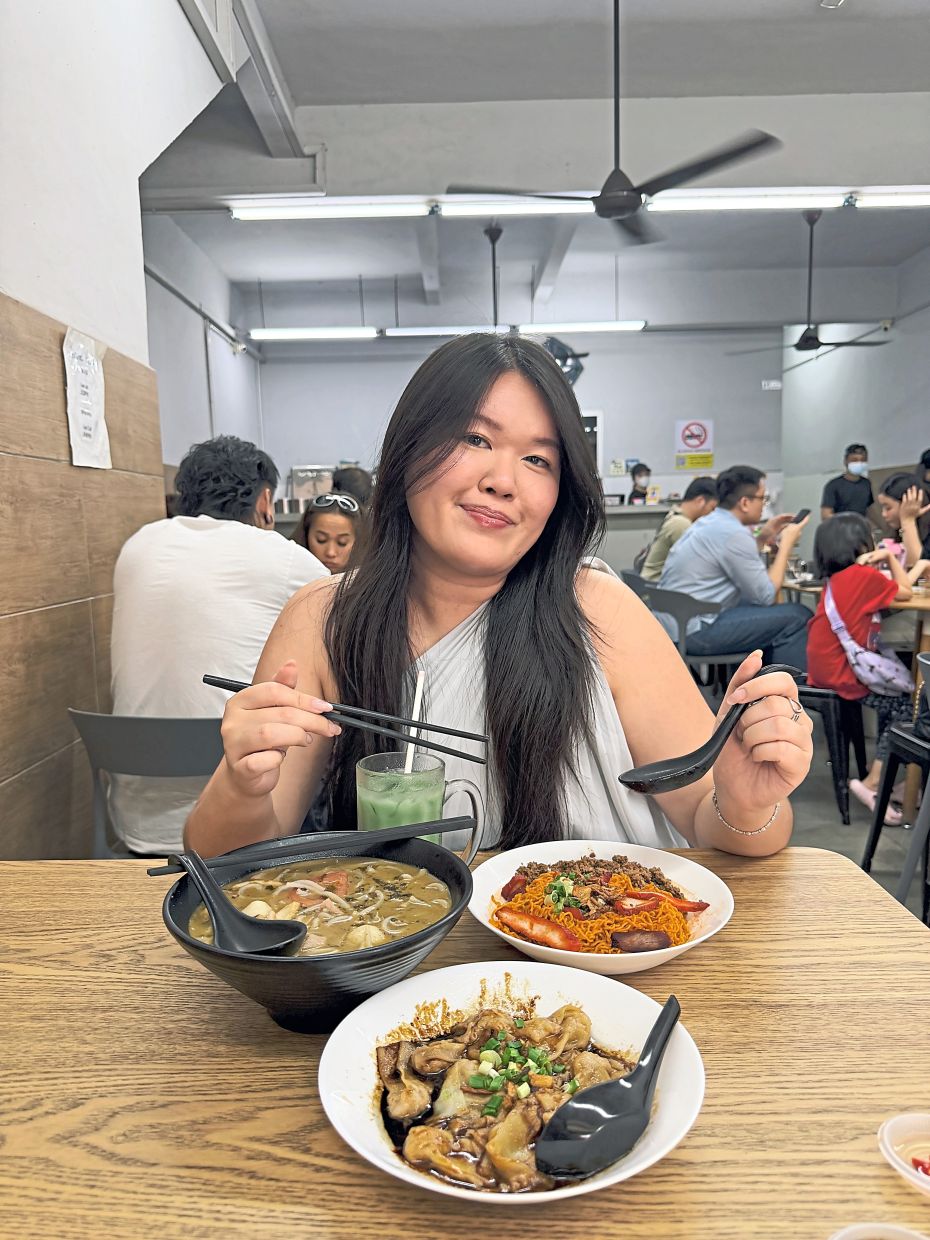
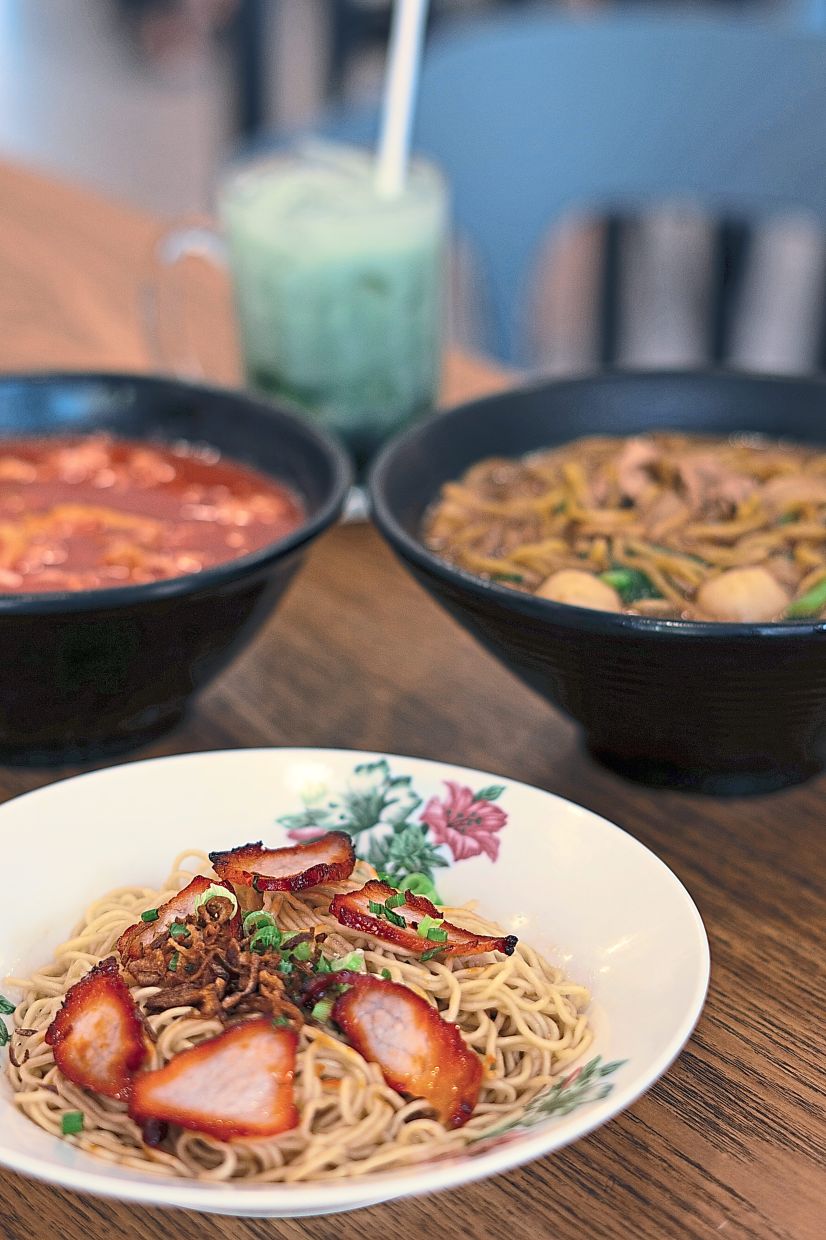
From more familiar dishes like kolo mee, mee pok (wheat noodles dish) and kampua noodles (dry-tossed springy egg noodles) to the rarer dishes like tomato kuey teow and manicai beehoon (stir-fried vermicelli with a vegetable called manicai or sayur manis), their menu offers something for both Sarawakians missing the taste of home and other folks seeking a taste of Sarawak.
She shares that the people who frequent their restaurant are often surprised by the strong flavour profiles of the Sarawak laksa and kolo mee.
“I think people often link the word ‘laksa’ to flavours they are familiar with in Peninsular Malaysia, such as curry laksa, asam laksa and laksa Johor. But with Sarawak laksa, the broth packs in spicy, savoury, and tangy flavours without the thick and heavy broth they’re used to here,” she says.
Meanwhile, tourists and locals find that kolo mee is more springy than wantan noodles, yet flavourful.
Discover local dishes
Once you get the chance to travel to Sabah and/or Sarawak to try their delectable delicacies, here are a few suggestions to add to your list. (Of course, for Muslims, do check for halal certifications before visiting any food premises.)
Let’s begin in Kuching, since the flight from KL to there takes less than two hours; it takes at least two-and-a-half hours to fly to Kota Kinabalu from KL.
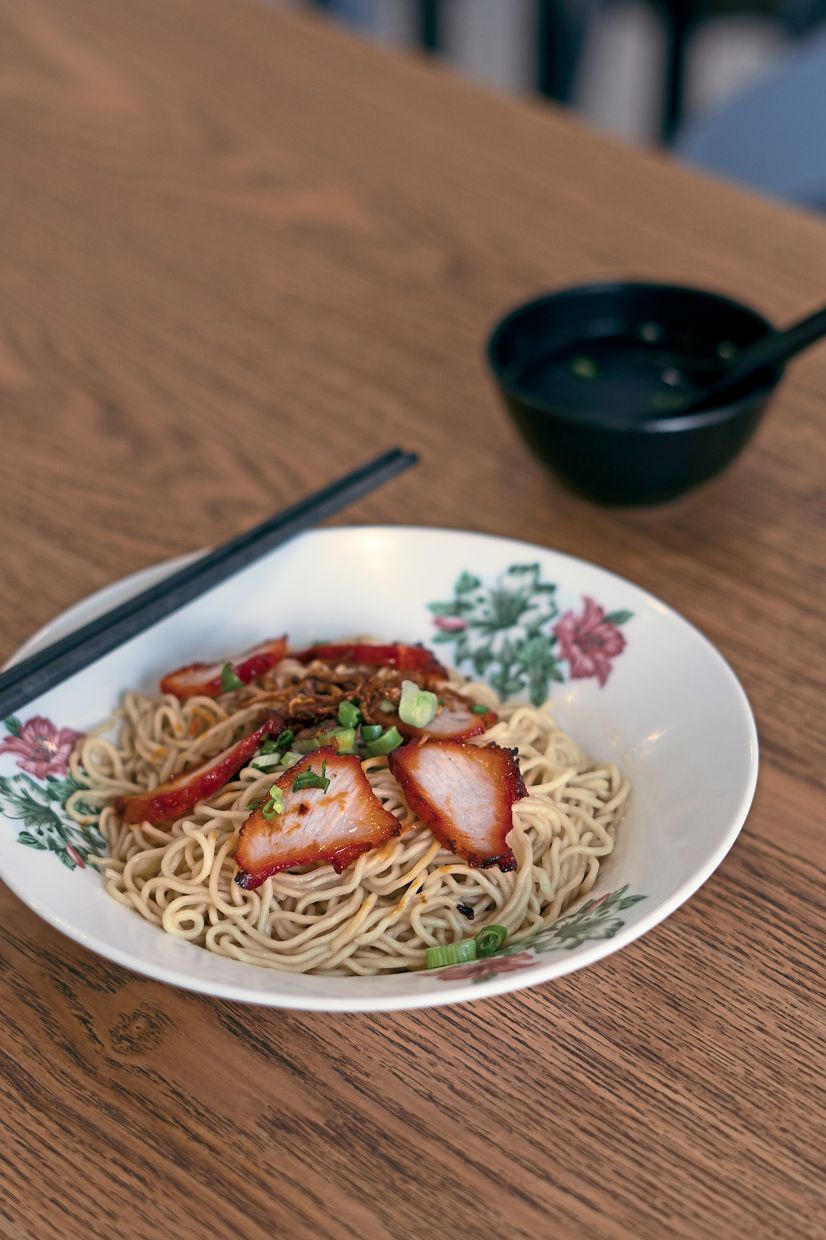
Chin recommends searching for kolo mee and tomato kuey teow at Chinese restaurants in the city. There are pork-free versions, too.
Restaurants focusing on Dayak dining experiences are best for manok pansuh, linut gula apong (similar to ambuyat but flavoured with sweet unrefined palm sugar) and fish soup with Dayak eggplant.
Next, drive up north (roughly five hours) or fly (around 45 minutes) to Sibu. Here, you can look for kampua noodles, kompia (a type of bun) and Foochow sour mustard noodles.
If you’re driving and time permits, you can make pit stops in Mukah and Bintulu for linut and umai. Chan explains that these are especially popular in the two towns since they are closely linked to the Melanau culture.
Then there’s Miri where you can get fresh seafood and unique northern Sarawak influences, incorporating Indigenous, Foochow and coastal Malay flavours.
From Miri, drive for about five hours to reach Sipitang. (Note that you will need to drive through Brunei to cross the borders into Sabah, so remember to bring your passport with you.)
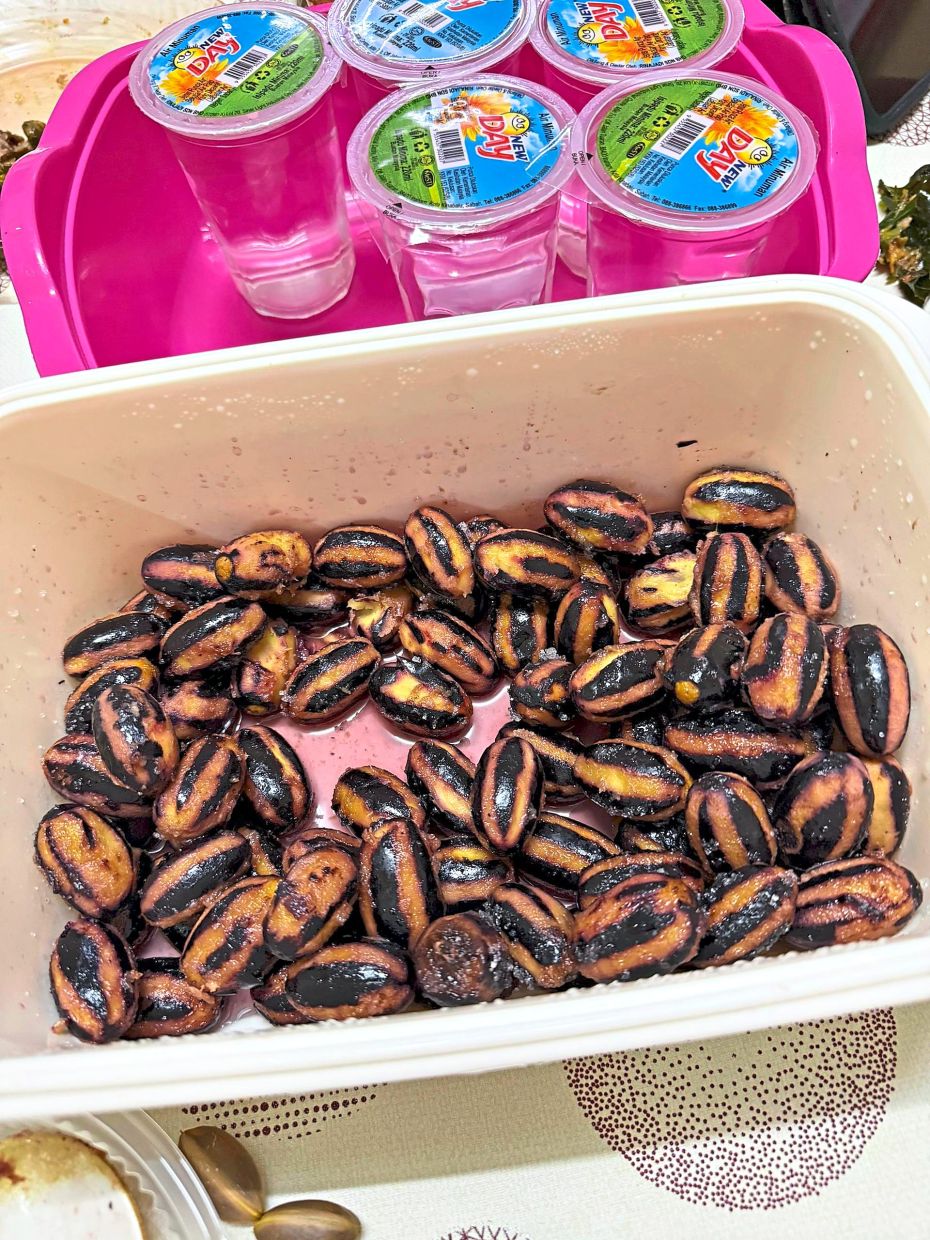
Look for the fruits that Dr Amirol Najmi mentioned. Tarap and bambangan can be found in Sabah’s other districts too, but kembayau is usually easier to find in Sipitang and Tenom.
A less than two hours’ drive from Sipitang will take you to Kuala Penyu. Here you can try ambuyat, which is a traditional food of the Bruneian Malay people, but also eaten by other Indigenous groups like the Kadazandusun, Bisaya, Bajau and Murut.
About an hour’s drive away is Papar. Here you can also try ambuyat and savour the sweet taste of penjaram, another traditional food of the Bruneian Malay community – as well as the Bajau folks – in the district.
If umai is Sarawak’s ceviche (cold dish of raw fish cured with lime), then pinongot or hinava is Sabah’s version of it. You can find this in places with a prominent Kadazandusun community, like Papar, Penampang and Tambunan.
From Papar, drive up north for about two-and-a-half hours to Kota Belud. This is, of course, the birthplace of the mee sup Kota Belud that Duintin grew up eating and is now selling in Peninsular Malaysia.
The dish consists of springy wheat noodles served in savoury chicken soup and topped with boiled chicken meat.
If you don’t want to take the scenic route and prefer to fly straight to KK from Sibu (around 75 minutes) or Miri (50 minutes), you can look for Chinese and traditional restaurants that are sure to serve the aforementioned dishes from various districts.
When in KK, remember to check out the seafood restaurants, too.
This is just the beginning. There are still plenty to savour throughout Sabah and Sarawak – think latok (sea grapes) in places like Tawau and Kudat, or nuba laya (mashed Bario rice) in Lawas and Limbang.
Once you’ve had a bite of Borneo, you’ll want to return for more tasty treks across Sabah and Sarawak.
Savour Sabah and Sarawak
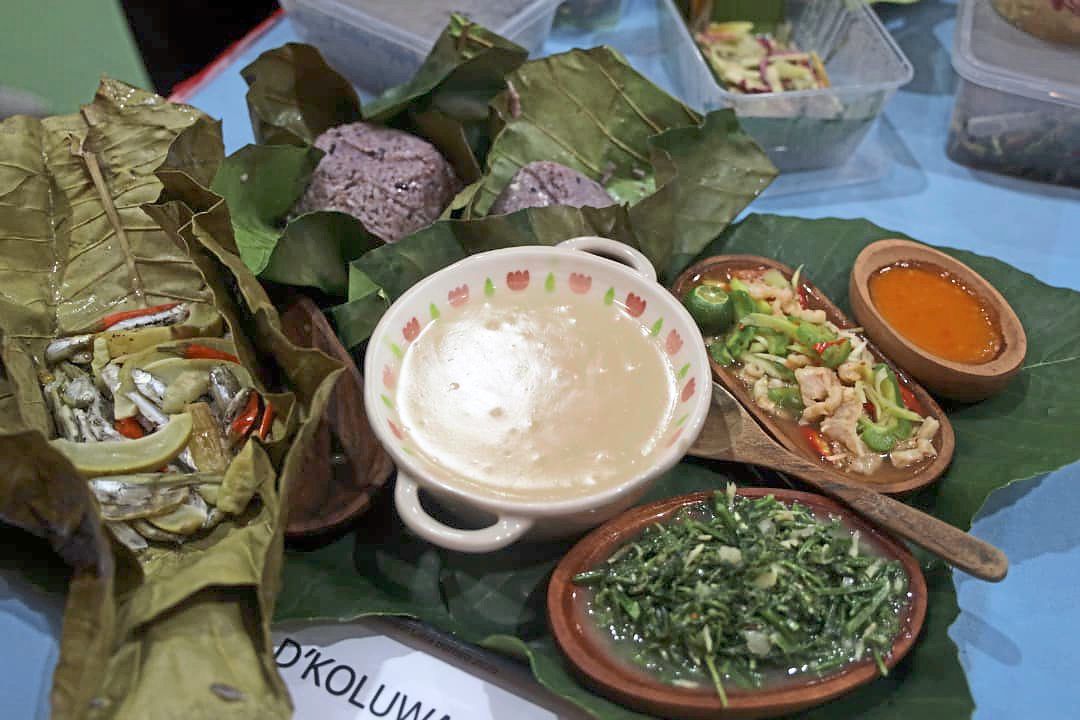


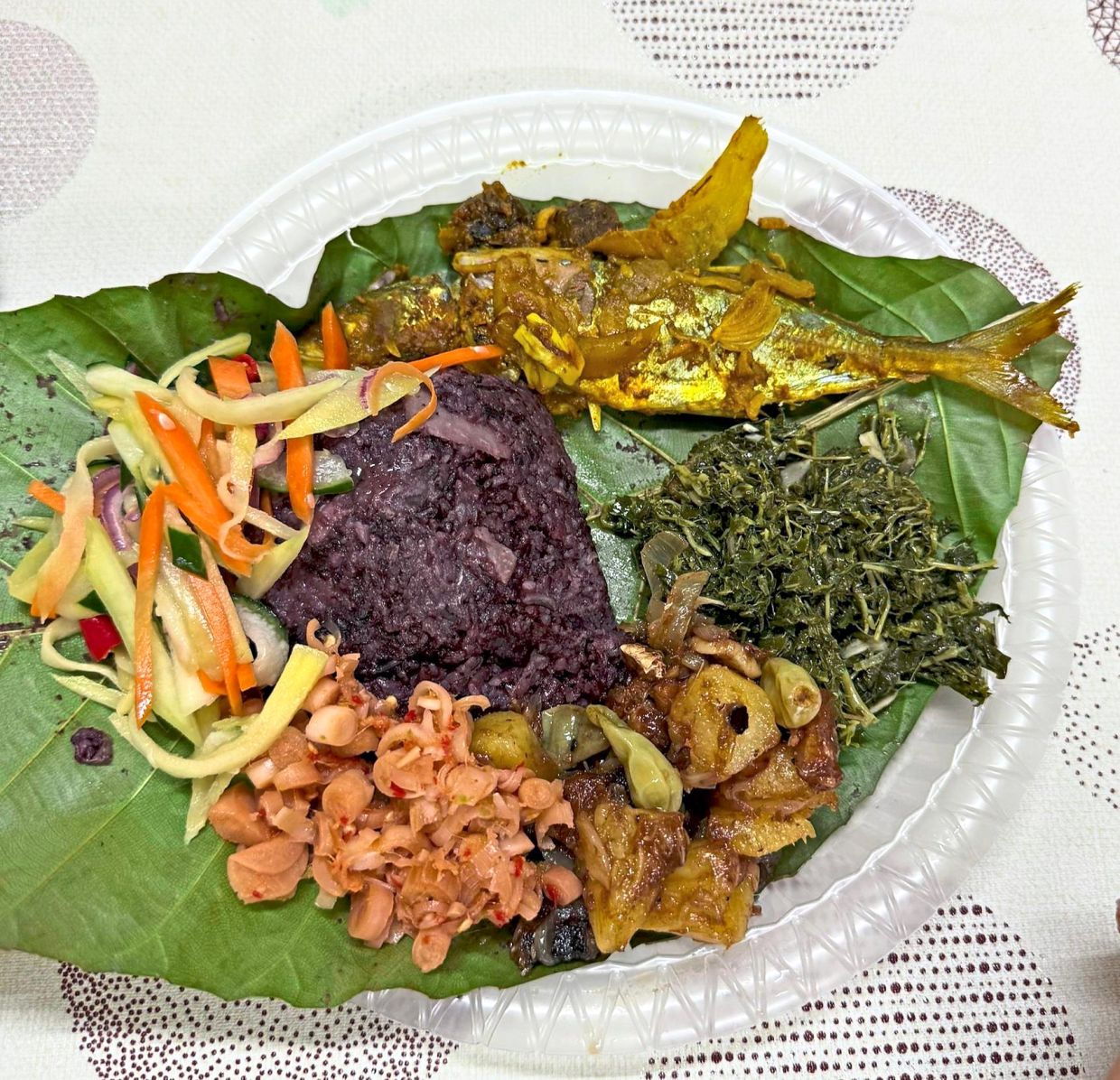
Sabah’s ambuyat is often eaten with savoury fish soup. — MEARI HELMEE DUINTIN
Chan is proud to showcase Sarawakian cuisine at the hotel she works. — Sheraton Kuching Hotel
Linut gula apong is a Sarawakian sweet treat. — Sheraton Kuching Hotel
Chin recommends tourists try Sarawakian noodle dishes. — BELLA CHIN
Foochow dishes are part of the Mama Ting menu. — BELLA CHIN
Kampua noodles is a local favourite in Sarawak. — BELLA CHIN
Chin’s mother (right) and aunts who founded the Mama Ting restaurant chain in the Klang Valley. — BELLA CHIN
Duintin (in pink) sells Sabahan food in the Klang Valley. — MEARI HELMEE DUINTIN
Penjaram is a sweet kuih enjoyed across Sabah. — MEARI HELMEE DUINTIN
One of the ways that Dr Amirol Najmi (right) learns to cook Sabahan meals is by asking his local colleagues. — Dr AMIROL NAJMI ABDUL RASID
Kembayau is also known as the ‘Sabahan olive’. — Dr AMIROL NAJMI ABDUL RASID
Tarap is a sweet fruit native to the island of Borneo. — DR AMIROL NAJMI ABDUL RASID
Linopot is a traditional dish in Sabah featuring pounded rice and sweet potato. — Dr AMIROL NAJMI ABDUL RASID