




Angola boasts some of the best waterfalls in Africa, spectacular deserts and all the wildlife you could wish for.
Head to the Kalandula Falls, which is 400m wide and more than 100m deep. Or Kissama National Park for safaris to see elephants, giraffes, and antelopes.
Don’t miss the spectacular Namibe desert landscape in the south, which Angola shares with its neighbouring country, Namibia.
Burdened by history, too, Angola was a Portuguese colony, only becoming independent in 1975, after a lengthy struggle. Right after, the nation plunged into a bloody civil war that raged on until 2002.
Landmines remain a legacy of that conflict in parts of the country. Always heed red warning signs reading “Perigo Minas” if you are travelling overland.
The authorities also warn people against driving off-road in mined areas.
This may be a place like no other to visit, though relatively few people come to stay.
History and changes
Oil-rich Angola is not a cheap travel destination. The capital, Luanda, was long exclusively a destination for business travellers and hotels are expensive.
Here in this coastal city is where most trips to Angola begin. A major new airport located a good 50km outside the city opened last year to mark the 50th anniversary of the nation’s independence.
Like many large infrastructure projects in Africa, it was built by Chinese companies.
You may be surprised as you drive from the airport to Luanda by wide, pothole-free roads, unlike in other, more tourist-friendly African countries.
The closer you get to the suburbs of this metropolis, the heavier the traffic becomes.
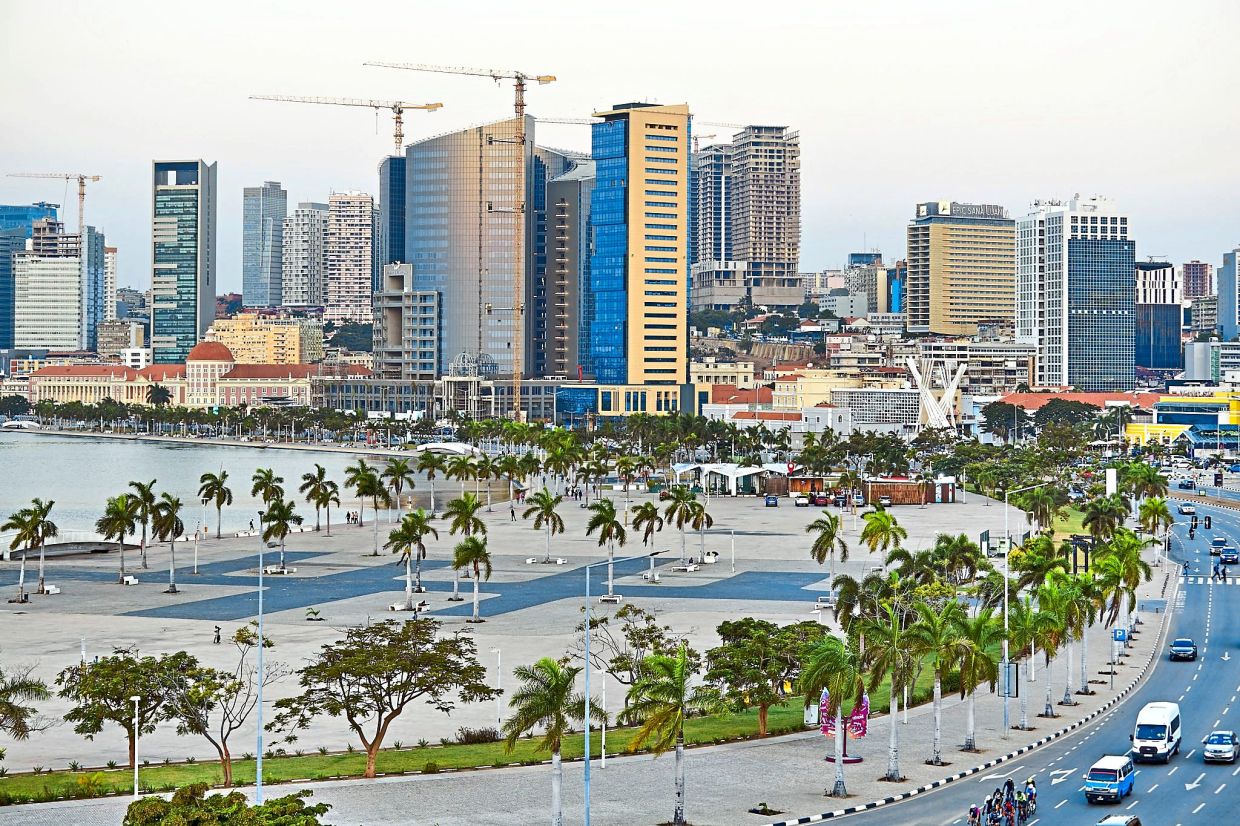
In downtown Luanda, Portuguese colonial architecture, partly lovingly restored, partly with a dilapidated charm, clashes with the brutalism of the country’s socialist era, which lasted until the early 1990s.
Since then, Angola has increasingly embraced capitalism. Modern glass skyscrapers and towering office buildings reflect Luanda’s dynamic transformation into a modern metropolis.
But you also find plenty of makeshift market stalls selling fruit, vegetables, or used clothing. Street vendors jostle for space at local bus stops, carrying trays of hard-boiled eggs or small bags of nuts balanced on their heads.
And you get a beach vibe during the drive along the Baia de Luanda. The view takes in the Atlantic beaches which fill up, especially on weekends, with families laden with all they bring to enjoy the seaside.
Slave trade and waves
Anyone seeking to flee the hustle and bustle of the big city need not go far. Life takes a leisurely pace on a river cruise along the Kwanza River.
Several local tour companies offer two to eight-hour excursions, which offer you a chance to spot countless bird species along the forested banks. If you are lucky you may see monkeys in the treetops.
All around, fishermen in flat canoes ply the river.
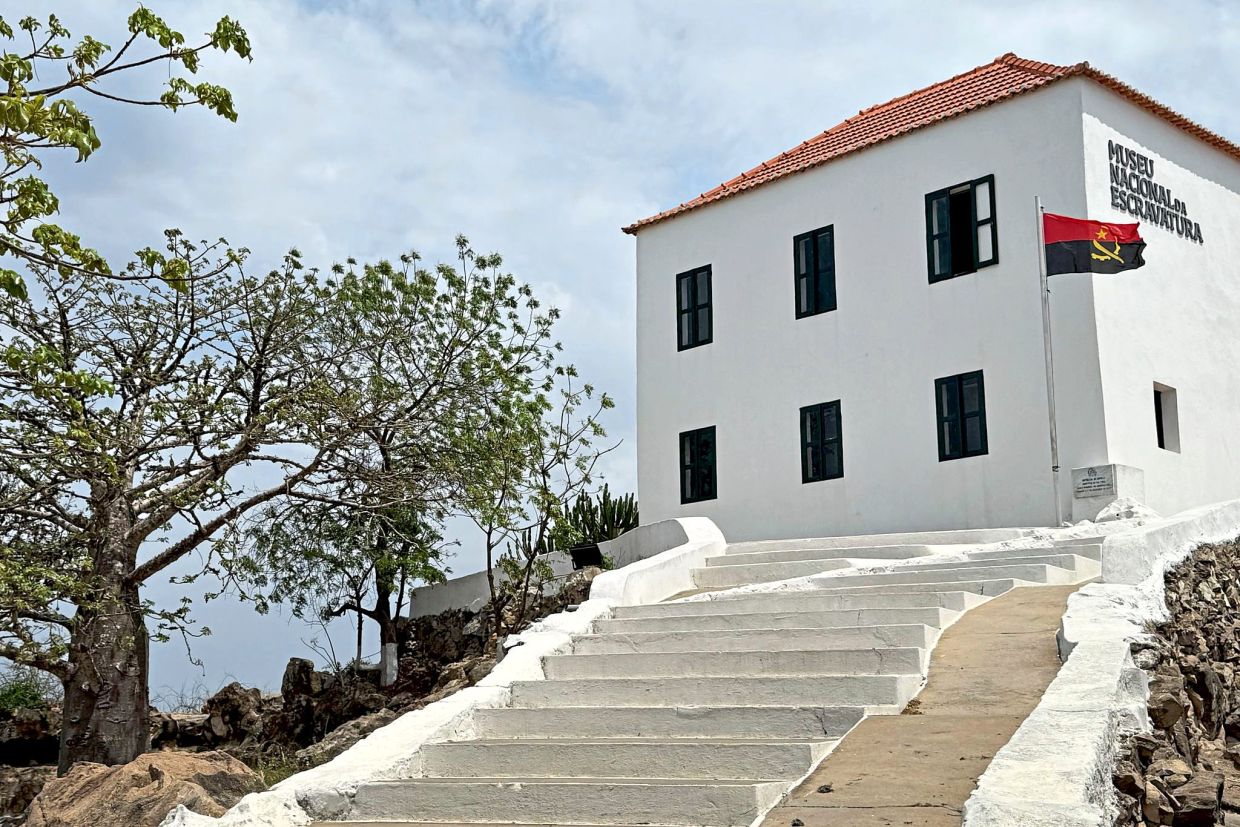
You can learn more about the area’s history in Morro da Cruz, a good hour’s drive south of Luanda. Head to the National Slave Museum, which is surrounded by towering baobab trees.
While former slave forts in Ghana or Senegal focus on the slave trade from Africa to North America, Morro da Cruz provides information about the trade in slaves bound for plantations in Brazil and the Caribbean.
Part of the museum is a 17th-century chapel where slaves were baptised before their voyage. Heavy chains and whips on display are testament to the cruelty of the colonial rulers and their local partners towards the slaves.
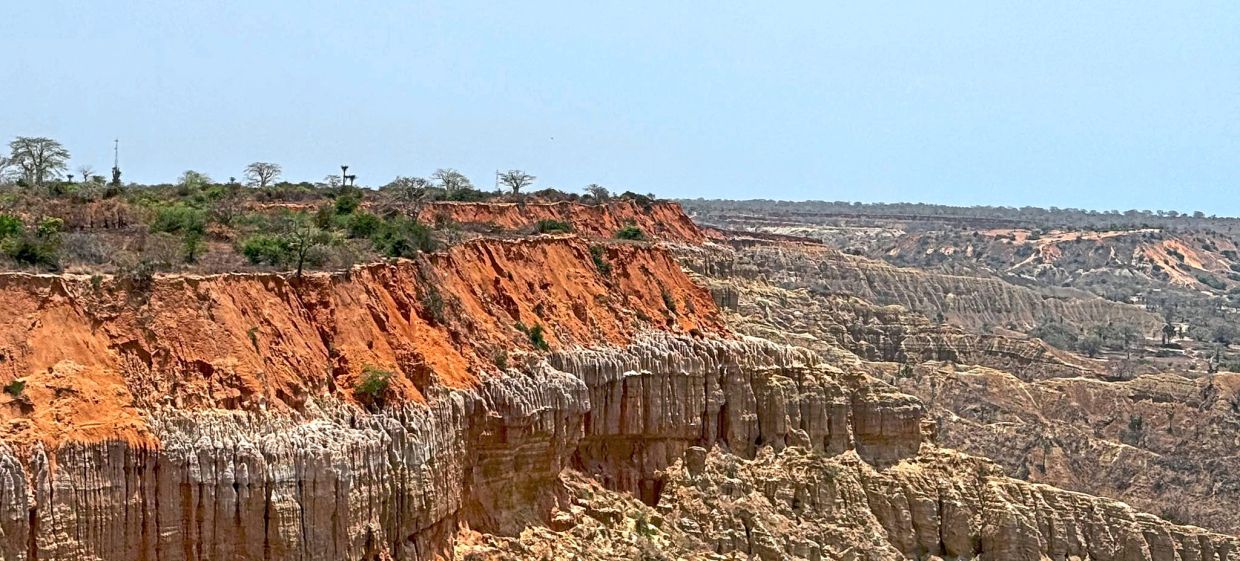
Another 40km south of the Slavery Museum, down toward the sea, lies the Miradouro da Lua, meaning “moon viewpoint”. Indeed, under a full moon, the rugged, reddish-brown and ochre cliffs by the sea do resemble the moon.
This is a popular place to camp for nature lovers from Luanda. It is also a turtle sanctuary so hiking and climbing are prohibited.
Head along the coast to Cabo Ledo, home to one of Angola’s most beautiful surfing beaches. The waves are sometimes too rough for swimming, but it’s ideal for surfers seeking the perfect wave.
Not many tourists find their way here but you can get a taste of local life as small vacation resorts are to be found close to neighbouring fishing villages.
Take a walk along the beach and watch fishermen mending their nets or preparing their boats. Women process the day’s catch while youngsters play football on the beach or splash in the waves. – dpa
