




KUALA LUMPUR: KPJ Healthcare Bhd, one of Malaysia’s largest private hospital networks and the country’s first private Academic Health System, reported a 27% year-on-year rise in second-quarter net profit (Patami) to RM104mil, while revenue grew 17% to RM1,197mil for the three months ended June 30, 2026.
Growth was driven by record patient activity and a shift toward more complex, higher-acuity care – surgeries rose 12%, inpatient admissions 10% and average revenue per patient increased 7% across both inpatient and outpatient settings.
For the first six months of FY2026 (1H26), the group recorded revenue of RM2,247mil (1H25: RM1,991mil) and Patami of RM174mil (1H25: RM139 million).
Patami margin improved to 9% on stronger case mix and operating leverage. The earnings before interest, taxes, depreciation and amortisation (Ebitda) margin of 23% was approximately one percentage point lower year-on-year, mainly reflecting higher operating costs as activity increased, particularly technology-related costs aimed at enhancing the patient experience, improving service delivery and supporting more efficient hospital operations. This was partially offset by continued cost discipline.
KPJ Healthcare president and managing director Chin Keat Chyuan said, “The quarter reflects the strength of KPJ’s strategy and collective execution across the group.
“Patients are increasingly choosing KPJ for more complex care, supported by our clinical teams, hospital leadership and management across the network.
“Earnings grew 27% while absorbing cost pressures across the industry – Patami margin improved and where Ebitda margin gave up ground to inflation and the cost of new capacity, the team is building capacity deliberately because the demand is in front of us. Occupancy at 68% tells us the network is earning its expansion.”
The strategic growth drivers
The Group’s Strategic Plan 2026–2030, executed through the KPJ Health System (KPJHS), advanced across six growth engines during the quarter:
1. Higher-Acuity Care and The Centres of Excellence
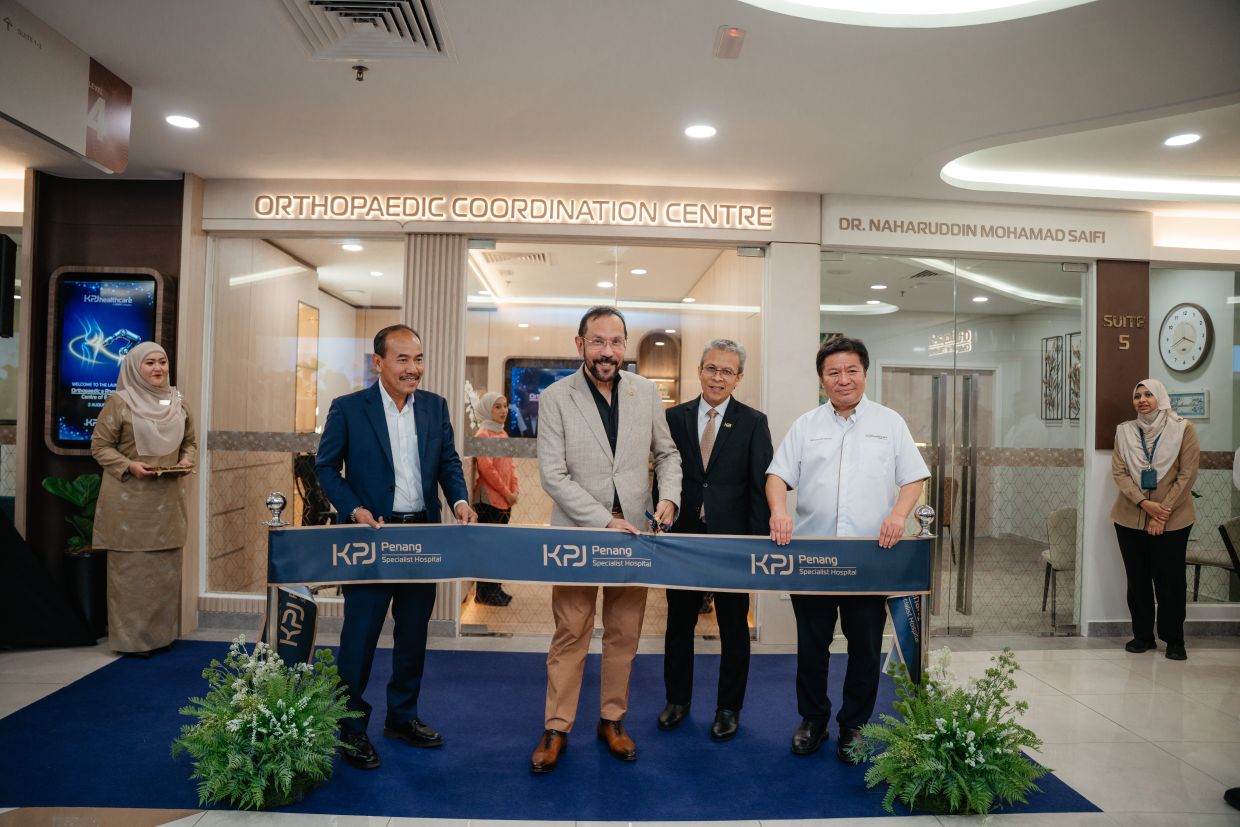
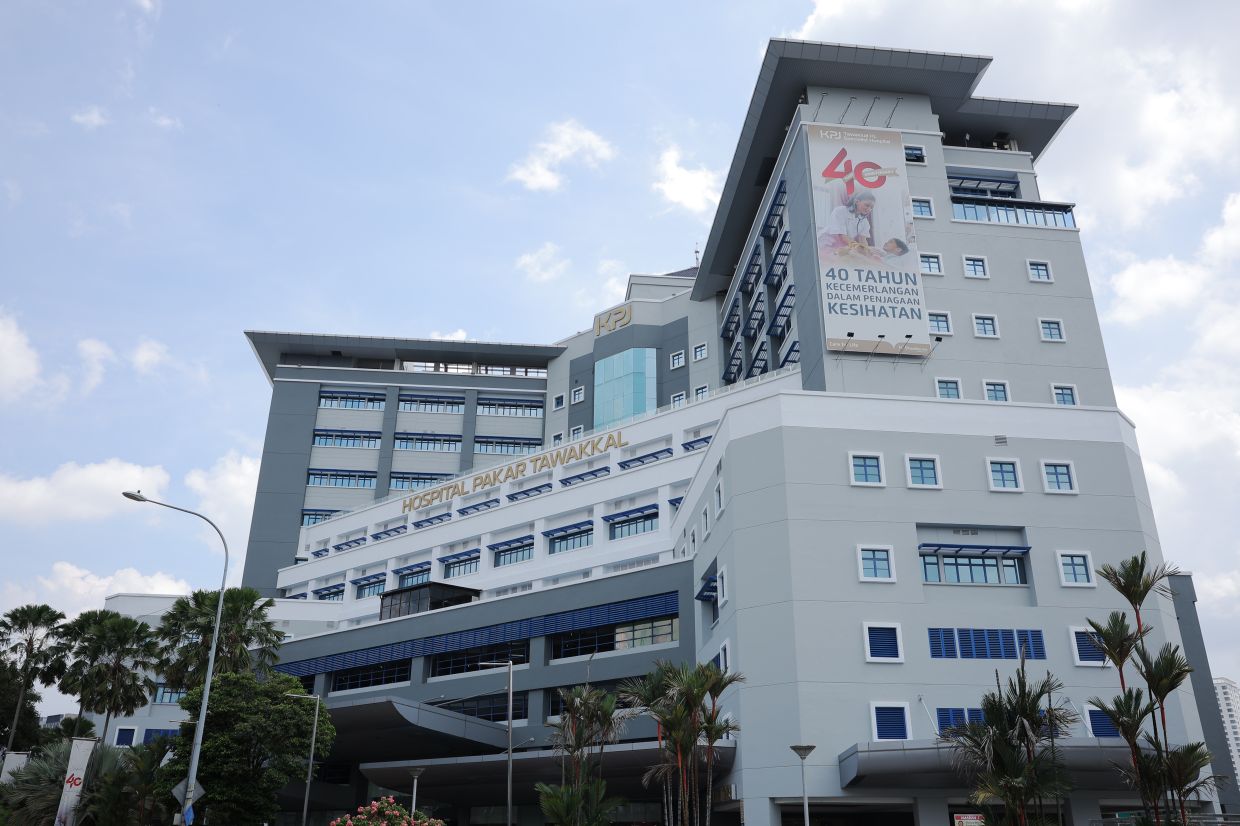
The quarter’s clinical milestones evidence the network’s shift toward complex, specialised care – the core driver of the 7% rise in revenue intensity: Damansara Specialist Hospital 2 became the first hospital in South-East Asia to offer Supine High-Intensity Focused Ultrasound (HIFU) for non-invasive treatment of uterine fibroids; KPJ Selangor Specialist Hospital performed the Asia-Pacific region’s first HOBBIT minimally invasive cement-screw surgery; Johor Specialist Hospital performed Malaysia’s first awake mastoid and eardrum repair; KPJ Kluang Specialist Hospital became the first hospital in southern Malaysia to perform FARAPULSE pulsed-field ablation for atrial fibrillation; Tawakkal Specialist Hospital launched the network’s first kidney transplant service and performed its first latest-generation Cochlear Nucleus Nexa implant; and Ipoh Specialist Hospital completed its 3,000th open-heart surgery since 2000. After the quarter, the group launched the Orthopaedic and Rheumatology Centre of Excellence at KPJ Penang Specialist Hospital – the first of its kind under KPJHS.
2. The Academic Health System Engine
KPJ Healthcare University entered a landmark collaboration with the Royal College of Surgeons of England to strengthen surgical education and clinical excellence across the network, joining the group’s continued Mayo Clinic consultancy engagement and its strategic partnership with SingHealth.
Together with KPJU’s more than 40 academic programmes, these partnerships form the capability pipeline that feeds the group’s clinical ambitions – Malaysia’s only private integration of practice, education, research and innovation at system scale.
3. Network and Ambulatory Expansion
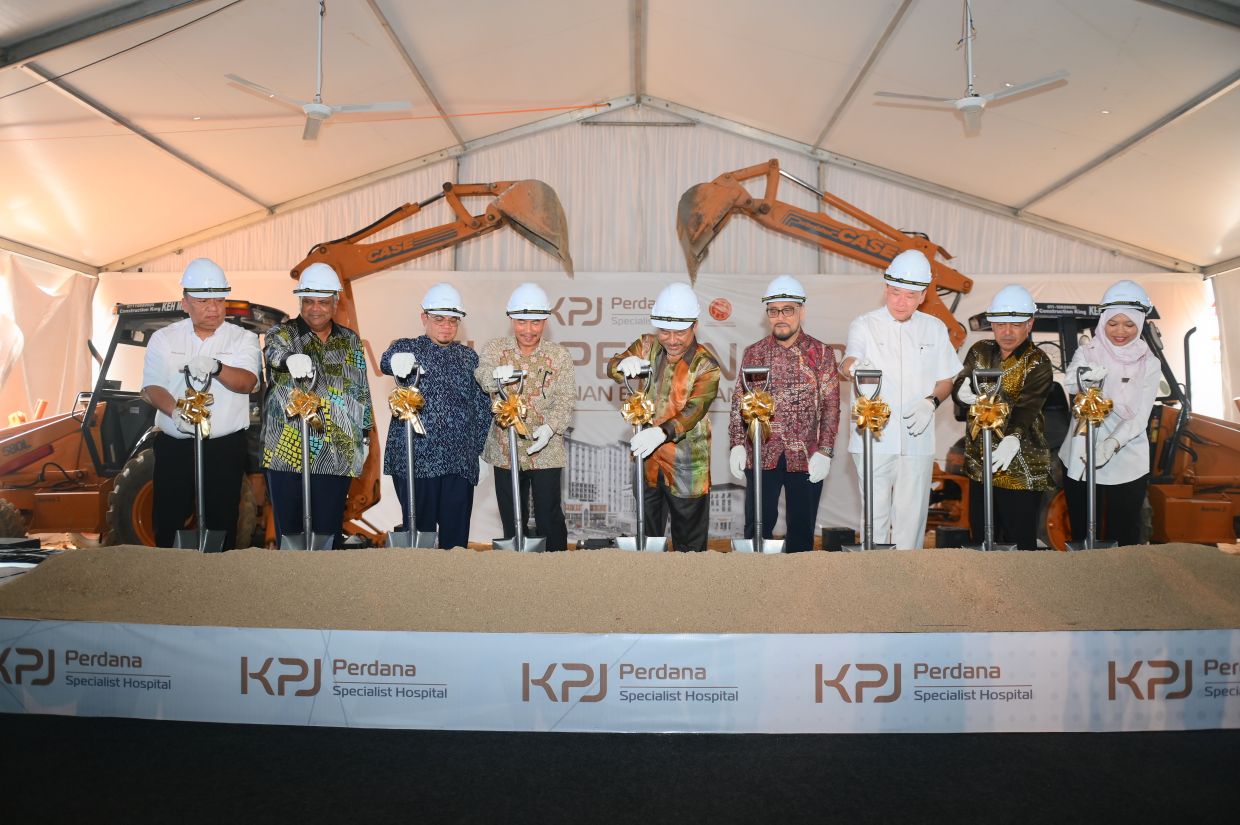
KPJ Perdana Specialist Hospital broke ground on its new Kota Bharu facility, expanding future specialist capacity on the East Coast. The group’s three Ambulatory Care Centres continued to extend care beyond hospital walls, joined by the new KPJ Centre for Sight at PJ33, which takes specialist ophthalmology into the community. With group’s bed occupancy at 68%, up from 62% a year ago, the network is monetising existing capacity while building the next tranche.
4. Digital, AI and Data-Enabled Care
The group continued to advance the convergence of artificial intelligence, genomics and value-based care across its academic health system, alongside consumer-facing digital platforms – the KPJ Cares App and the newly launched KPJ Cares Junior, a child-focused health-literacy programme.
5. Health Tourism and Regional Patients
For the six months ended June 30, the group’s health tourism business recorded RM146mil in revenue from 86,170 patients, representing 21% year-on-year growth. The group’s international patient business remains a structural growth engine, served through its flagship International Patient Centres and supported by Malaysia’s position as a regional destination for high-quality, competitively priced specialist care.
6. Access, Payers and Prevention
The group welcomes MediASAS, the base medical and health insurance/takaful plan announced by the Government in July 2026 as part of national healthcare-financing reform – a development that broadens the insured population and supports sustainable long-term demand for private healthcare capacity.
During the quarter the group also launched the nationwide Digestive Care 4 Life campaign in collaboration with the Health Ministry, including 500 complimentary endoscopy and colonoscopy procedures for eligible public patients, alongside its Klinik Waqaf An-Nur network of community clinics.
The group further strengthened its transformation leadership during the quarter with the appointment of its first chief strategy, foresight and transformation officer.
On the group’s direction, Chin added, “Every engine the team is building – the Centres of Excellence, Academic Health System, new capacity, digital care, international patients and broader payer access – serves one purpose: to build a health system capable of delivering increasingly complex care, developing the next generation of healthcare professionals and creating sustainable value for our shareholders.
“Our results are early evidence of this, reflecting the collective strength of the team – our specialists, clinical teams, hospital leadership and management across the group.”
Dividend
The Board declared an interim dividend of 1.10 sen per share in respect of FY26, amounting to RM48.7mil, payable on Oct 9 to shareholders registered as at Sept 18.
Operating environment and outlook
Bank Negara reported gross domestic product (GDP) growth of 6% for 2Q26, supported by stronger export growth, sustained household spending and continued steady investment activity.
Bank Negara expects Malaysia’s GDP growth to be within 4% to 5% for 2026, underpinned by resilient domestic demand and export activity.
Against the backdrop of sustained demand for quality healthcare, the group continues to execute its asset optimisation programme and strengthen operational efficiency, while pursuing capacity expansion across its network. Notwithstanding ongoing global economic and geopolitical headwinds, the group remains cautiously optimistic about its prospects for the financial year 2026 (FY26).
Developments after the quarter
In addition to the Orthopaedic and Rheumatology Centre of Excellence at KPJ Penang Specialist Hospital launch, the group continued to advance its clinical, academic and digital agenda, including deepened collaboration under the SingHealth partnership and the continued Mayo Clinic consultancy engagement.


