
I love international travel, especially when visiting Europe from the United States. And though travelling to another continent is an unforgettable experience, navigating its busiest airports can be some of the least enjoyable parts of the journey.
Between language barriers (even from countries sharing the same tongue, like Britain and the US) to signage and terms, different passport and border procedures and carry-on-baggage restrictions, the arrival, departure or transfer in European cities can feel almost overwhelming for travellers who aren’t prepared.
The good news, however, is that the process doesn’t have to be so stressful if you do your homework and plan ahead.
These are some suggestions to make travel less frustrating and overwhelming as you navigate Europe’s airports.
Visa requirements
Whether you need a visa to travel to Europe depends on your nationality, the countries you plan to visit and the length and purpose of your stay.
Updated information can be found on the US Department of State website if you are a US citizen (for Malaysians, you can find it on the Immigration Department of Malaysia website).
Most European countries are part of the Schengen Zone, which allows visa-free travel for up to 90 days within any 180-day period for US citizens and other visa-exempt nationals, such as Malaysia. Non-Schengen countries like Britain, Ireland, Turkiye and some western Balkan nations have separate entry rules.
For example, US citizens visiting these destinations need a British Electronic Travel Authorisation (ETA) for short visits as of February 2026. Starting in late 2026, all visa- exempt travellers to Schengen countries, are required to get a European Travel Information and Authorisation System or ETIAS.
When and how to go
Travelling in Europe during the off season (generally November through March, excluding the Christmas and New Year holiday periods) can be a great way to not only save money, but also avoid the crowds and enjoy local destinations at a slower pace. Airports are less crowded and security lines and customs and immigration waits tend to be lower in the shoulder season.
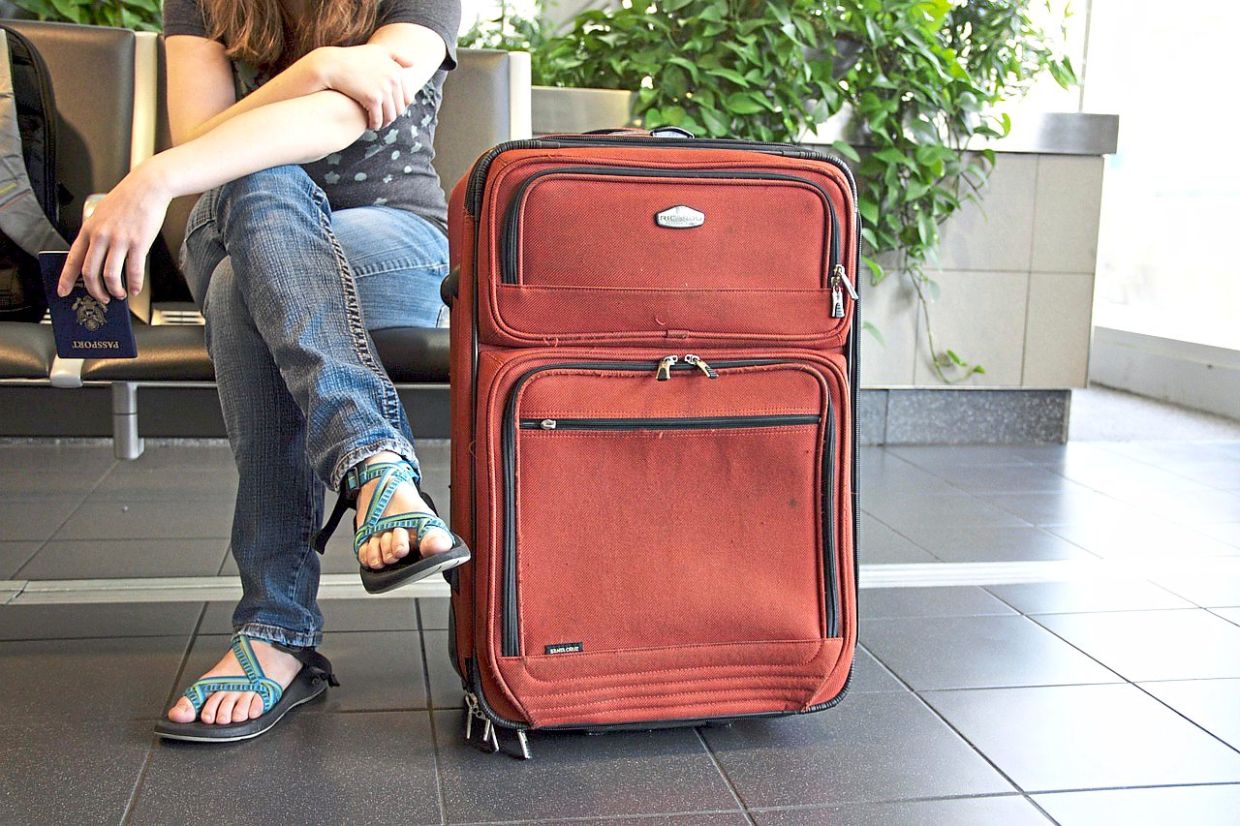
Everyone is different, but my travel policy is to take a carry-on in lieu of a checked bag as often as possible. There’s nothing that will ruin the start of a vacation like a lost bag. And the more connections you make or flights that are cancelled or have to be re-booked, the more it increases the possibility of your luggage not making it to your destination when you arrive.
If you do travel with only a carry-on, it’s important to check airline requirements for baggage allowance before packing. The size and weight restrictions of a carry-on may vary from airline to airline, as can the allowable dimensions depending on the type of fare purchased.
“Know before you go”, rather than arriving at the airport only to realise the bag exceeds the allowable measurements and you end up having to pay to check the bag in. If your itinerary includes multiple airlines, verify the baggage policy for each carrier as rules may differ.
Time management
On a recent trip to Portugal, our guide recommended we get to the airport three hours before our flight. Some in our travel group questioned the need to arrive so early, believing that two hours would suffice.
But thankfully, everyone listened to the recommendation.
The Lisbon airport was packed and by the time we checked in, went through security, passport control and found our gate, we barely had time to grab a quick snack before it was time to board.
Listening to sound advice makes the experience less stressful.
Also, downloading your airline’s app before travelling can make your trip smoother and less taxing, especially on international journeys.
Not only can you access your digital boarding pass, but get real-time updates and notifications about gate changes, boarding times, flight delays or cancellations.
Depending on the airline, many let you check in through the app 24 to 48 hours before departure. If your flight is delayed or cancelled, the app may let you rebook or view alternative flights more quickly than waiting in line to speak with an airport agent.
Pack smart
It’s wise to keep your passport, boarding pass, medications, phone charger, headphones and other essentials in an easy-to-reach part of your carry-on.
If you find it necessary to check a bag, be sure that you have toiletries or other necessary items in your carry-on, along with a change of clothes in case your checked bag is delayed.
Despite outdoor weather temperatures, interior temperatures of the plane can often seem too hot or too cold. Dress in layers and wear comfortable clothing and shoes.
Pack a light snack in case food options are limited or boarding is delayed and bring a reusable water bottle and fill it after security if refill stations are available.
Flight delays, weather issues or cancelled flights, crowded airports and unfamiliar routines can all increase travel stress.
While you can’t control every part of your air travel, you can make it easier by staying calm and collected.
When unexpected events happen, many travellers become frustrated or angry which doesn’t help the situation. Focusing on your next step rather than the entire journey can make disruptions feel more manageable.
And by all means, don’t hesitate to ask for assistance from a gate agent and be courteous. Gate agents and flight attendants have limited control over delays, but they can help you understand your options or assist with rebooking.
A positive attitude will go a long way.
With a bit of preparation, staying organised and allowing yourself that extra time, flying within Europe can be a straightforward and enjoyable part of your trip. – NOREEN KOMPANIK/Travel Pulse/Tribune News Service