As one of Malaysia’s earliest towns, Taiping in Perak is fittingly a city of firsts. When the North-South Highway forged northwards in the 1990s, Taiping became somewhat of a backwater, bypassed by most as they headed to Penang and beyond.
This only dawned on me recently, and I knew it was time to head to Taiping to reacquaint myself with a town that I had only passed through once or twice. I was aware of its central lake or lakes and the massive raintrees that surrounded them, casting shade on the locals who use the lake for their daily fitness regimes.
I kept seeing references to the many “firsts” that were claimed by Taiping in my pre-visit research. I had read that the first museum, the first English newspaper, the first zoo, the first public park and many more firsts from the 1870s are all attributed to Taiping.
Early history
On my drive north, my interest in the nation’s early colonial history was top of mind. I admit, I was a little confused about how Taiping could claim so many firsts when it was only formally established in the 1870s.
Surely Penang, claimed by Francis Light in 1786, would predate most of Taiping’s “firsts”?
My plan to spend a relaxing few days in Taiping was taking on a new purpose.
Undoubtedly, Lake Gardens in the centre of Taiping set the city apart from others in Malaysia. These lakes, and the thousands of others that dot the landscape of many parts of Perak, are tailing ponds that are the result of the intensive tin mining undertaken in the state.
One could say that Lake Gardens is Taiping’s biggest attraction, so I chose to stay nearby. While there are a couple of hotel options here, my choice was the Novotel Taiping Perak, as it adjoins a shopping mall and is quite close to hawker stalls.
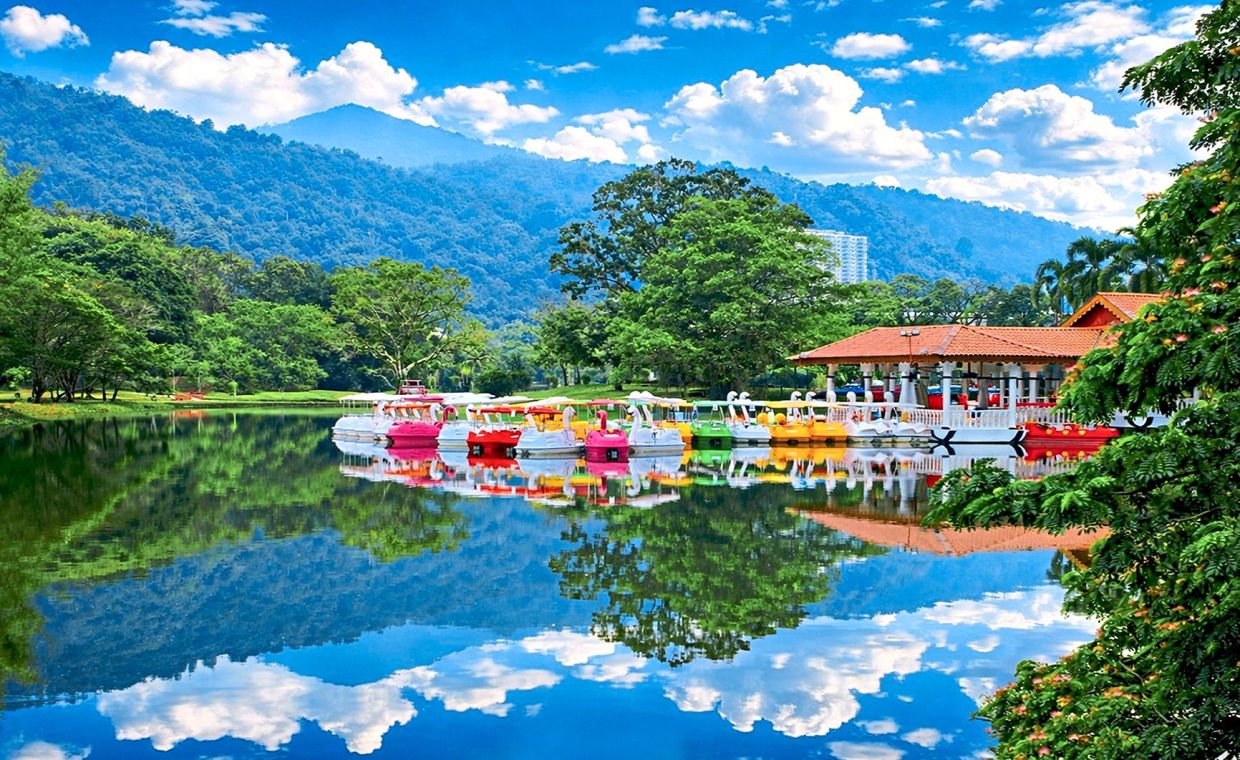
The lake reflections are most impressive just after sunrise and before sunset, and I suggest you regularly explore the lake at various times of the day; you will not be disappointed.
The locals are attracted to the 62ha park to walk, jog and cycle beneath the extensive avenues of towering raintrees. The extensive buttress roots spread like octopus tentacles, and attempts have been made to prop up branches rather than trim them.
In the distance, Bukit Larut, or Maxwell Hill, add to the tranquillity of the lakes.
I read up on Taiping’s history from the tourist brochures in the hotel lobby. Tin became a prized metal in the early 19th century after it was discovered that tin-plating prevented steel from rusting.
It was, therefore, the humble tin can that created a mineral rush in Perak in 1848. The demand for tin came about during an era of global discovery that required long sea voyages and required food that could survive weeks, even months, without spoiling.
Tin cans enabled meat, fruit, vegetables and fish to be transported and stored on an unprecedented scale. For the first time, armies marched with reliable rations, and explorers set off to discover distant shores.
Many explorations were mercantile in nature as valuable resources such as tin were eagerly sought to fuel the Industrial Revolution.
While contemporary geologists get excited about rare earths such as bastnasite, monazite
and xenotime, along with lithium and cobalt, it was tin that was highly prized in the mid-19th century.
The then-Malaya had an abundance of easy-to-mine alluvial tin, and many people headed to Larut, as Taiping was initially known, seeking a slice of the “tin rush”.
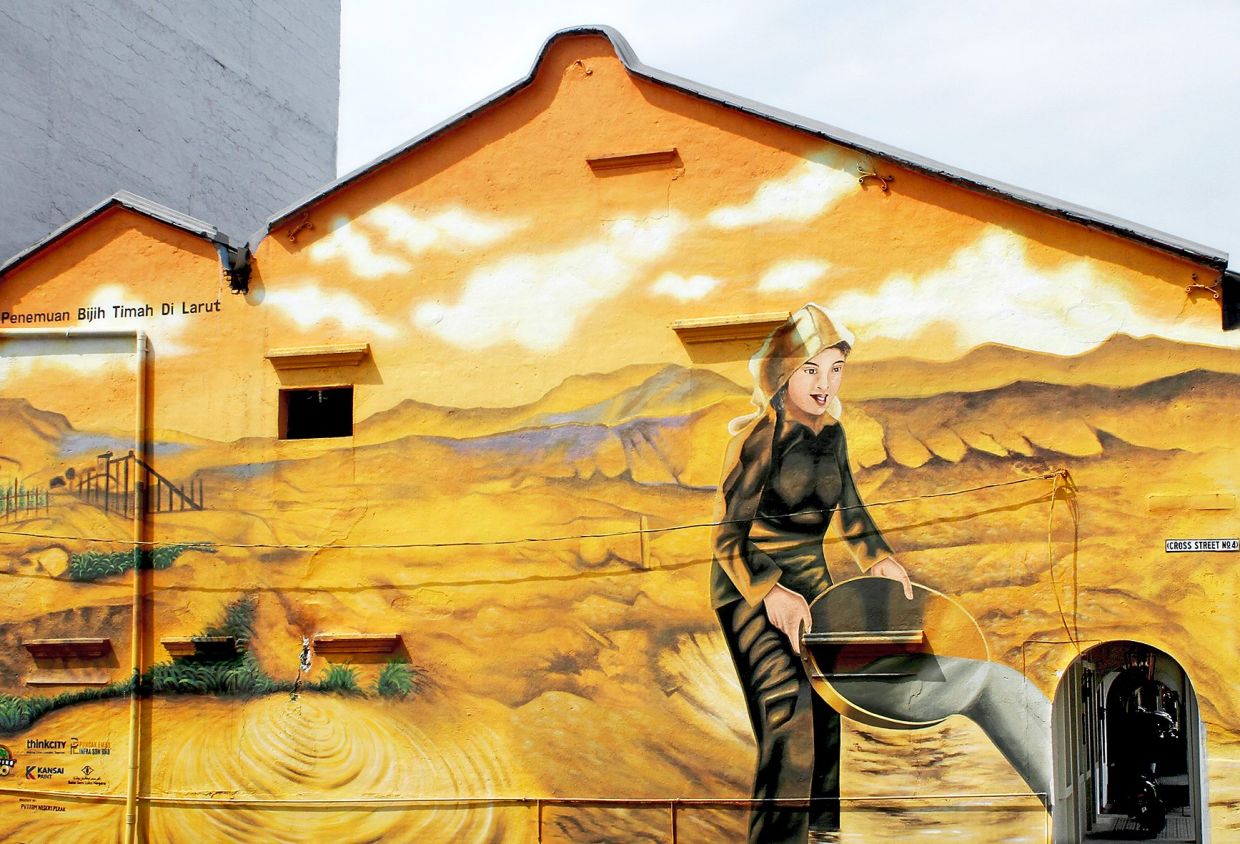
At first, tin was extracted by hand through dulang washing or panning with wooden dishes. The work was labour-intensive, and by 1872, an estimated 40,000 miners were working the mines around present-day Taiping.
Everlasting peace
However, with so much at stake, it was not long before the miners, who were all eager to make their fortune, became unruly.
Business thrives on law and order, and the lawlessness didn’t please powerful mining interests among the Malay, British and Chinese communities involved in extracting tin ore.
In 1874, the Pangkor Treaty was signed, and peace and economic stability were restored, along with a new name for Larut. Taiping, from the Chinese tai peng, which means everlasting peace, was chosen.
The British established their administrative headquarters here to safeguard their mineral assets. I read that Taiping became the first place on the peninsula to have a formal, centralised British administrative centre.
Then the fact-checker in me took control: What about
Penang, and even Kuala Lumpur?
Digging deeper, I eventually unearthed the difference between the Straits Settlement, the Federated Malay States and the Unfederated Malay States. Now things started to make sense.
References to Taiping’s firsts were not necessarily for the whole of what was then Malaya, but just certain parts, in this case, the Federated Malay States (Perak, Selangor, Negri Sembilan and Pahang).
Global trade
A “first” I knew for sure was Malaya’s first railway line that operated from Taiping to Port Weld (now Kuala Sepetang) near Matang. The rail line, opened in 1885, was used to transport tin to eager markets around the globe.
Known as the Larut Railway, it operated along 13km of track. Construction of a second line began and was completed in 1895. It extended for 80km from Teluk Anson to Ipoh. The original station stands just west of the impressive King Edward VII School on Jalan Stesen.
When the line was electrified, a new station was built beside it.
Sadly, the original was dismantled, and all that remains is the old Port Weld station sign in Kuala Sepetang.
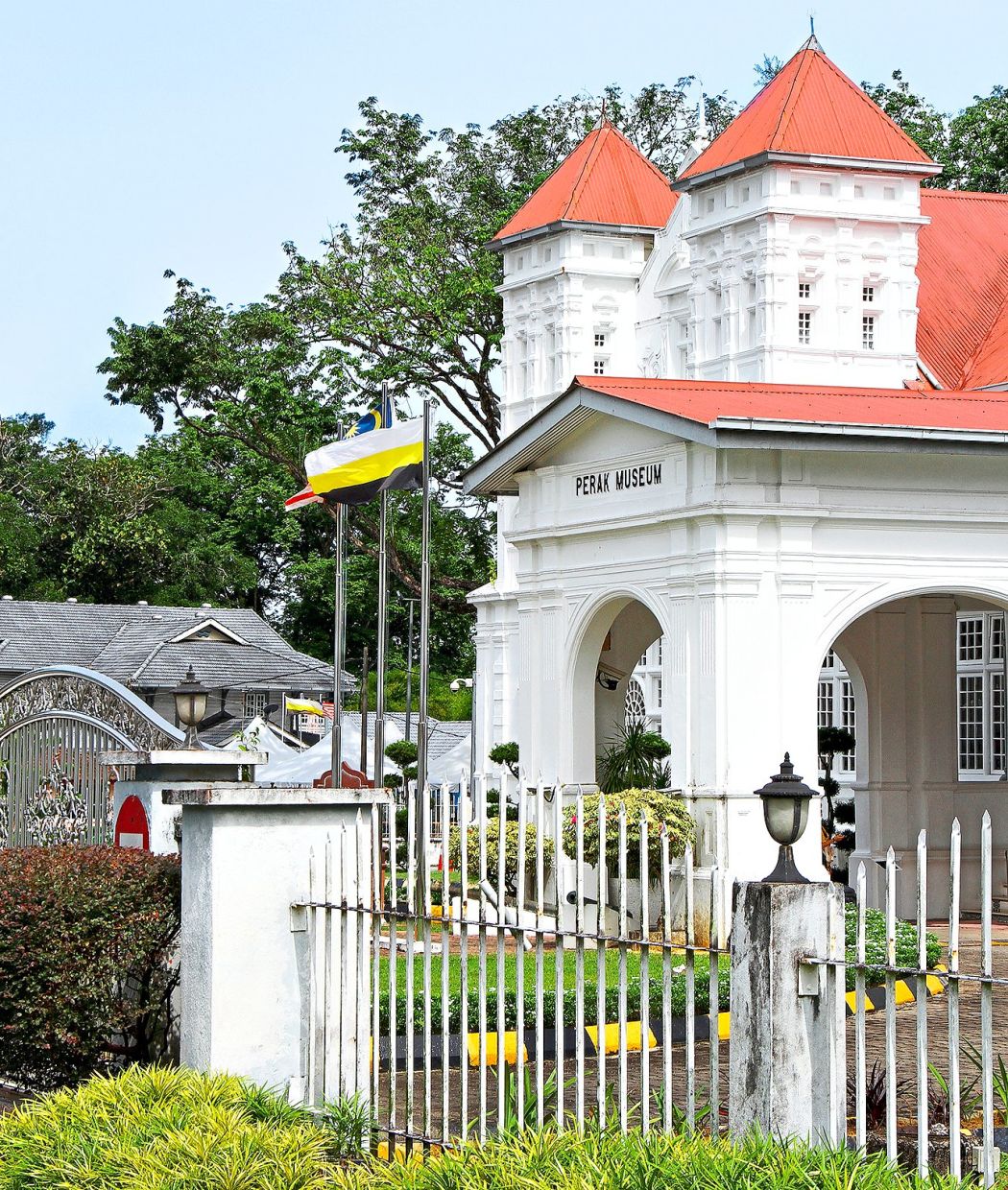
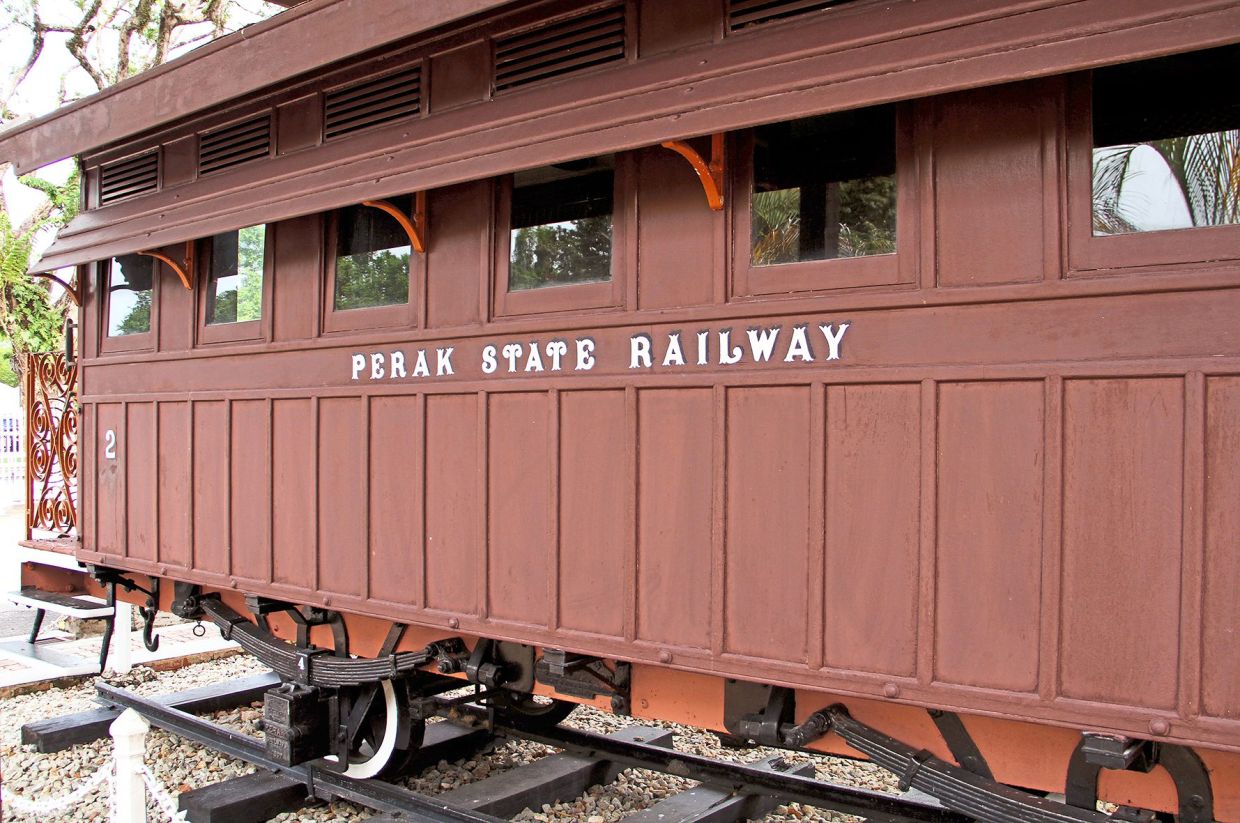
Another trace of the train is in the Perak Museum, where an old wooden carriage belonging to the Perak State Railway is housed. The compact museum with displays extending into the exterior is most impressive and provides a valuable insight into the district’s natural and cultural history.
Trains and other elements of Taiping’s history are also colourfully reflected in its abundant street art.
The museum is located opposite the gaol and within walking distance of All Saints Church, an Anglican church built in 1883 and still used as a place of worship. History hounds will enjoy reading the tombstones in the surrounding graveyard.
Tasty Taiping treats
The Larut Matang Hawker Centre, located beside the lake, has stalls that offer hawker staples such as char kway teow, chicken rice, ais kacang, claypot mee and wantan mee.
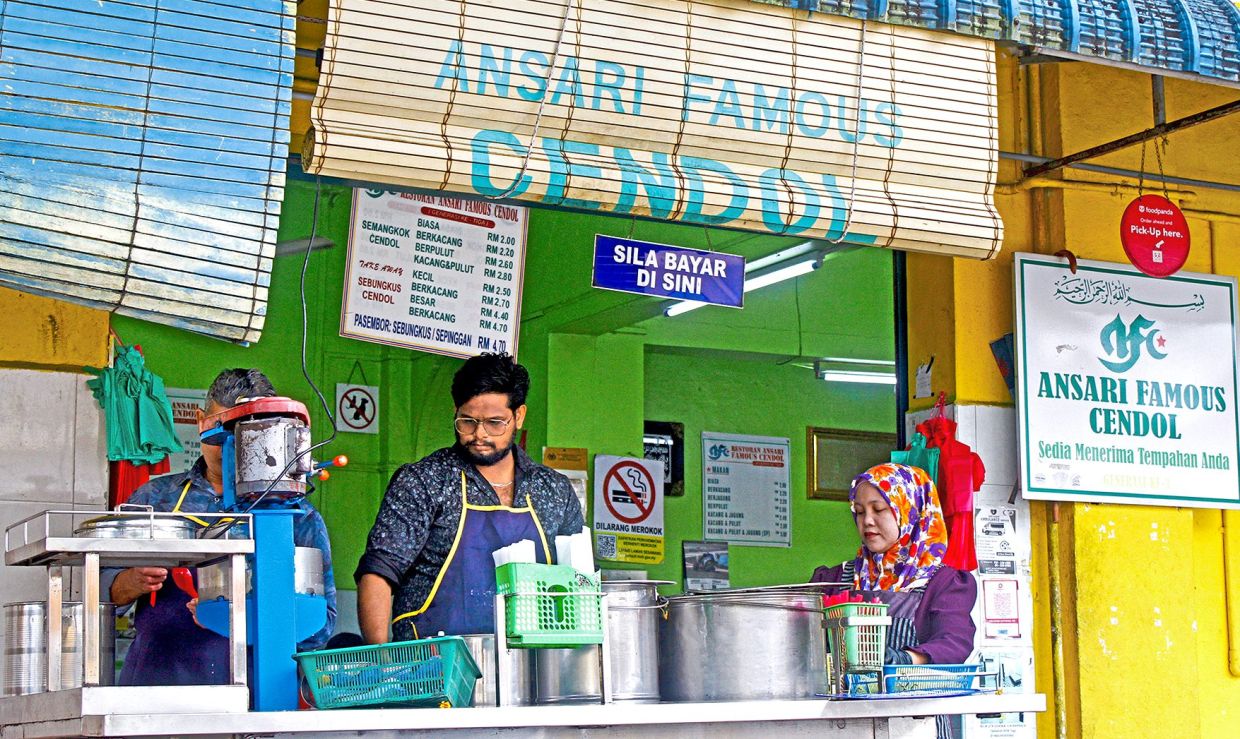
Cendol is another treat that isn’t to be missed, with the locals divided as to whether Ansari or Bismillah serves the best in town. My choice was Ansari because it was on my walking route, but I’m sure the cendol served in Bismillah is equally refreshing.
It was interesting to see that coffee is taken seriously in Taiping with Antong Coffee Mill, near the Taiping Railway Station, a popular tourist attraction. Charcoal-roasted coffee was first prepared here in 1933, and the outlet now attracts the masses who enjoy the coffee’s unique aroma and flavour.
Taiping really surprised me, and I am sure others will enjoy walking around and discovering the numerous tourist attractions in this city of firsts.
Travel notes
How to get there: Taiping, Perak is a three-hour journey north of Kuala Lumpur by road, train or coach.
Where to stay: Novotel Taiping Perak by the Accor Group is the only international chain hotel in the city, but there are a handful of independent hotels and accommodations around too.
Contacts: Taiping Heritage Trail
Visit Taiping, Perak
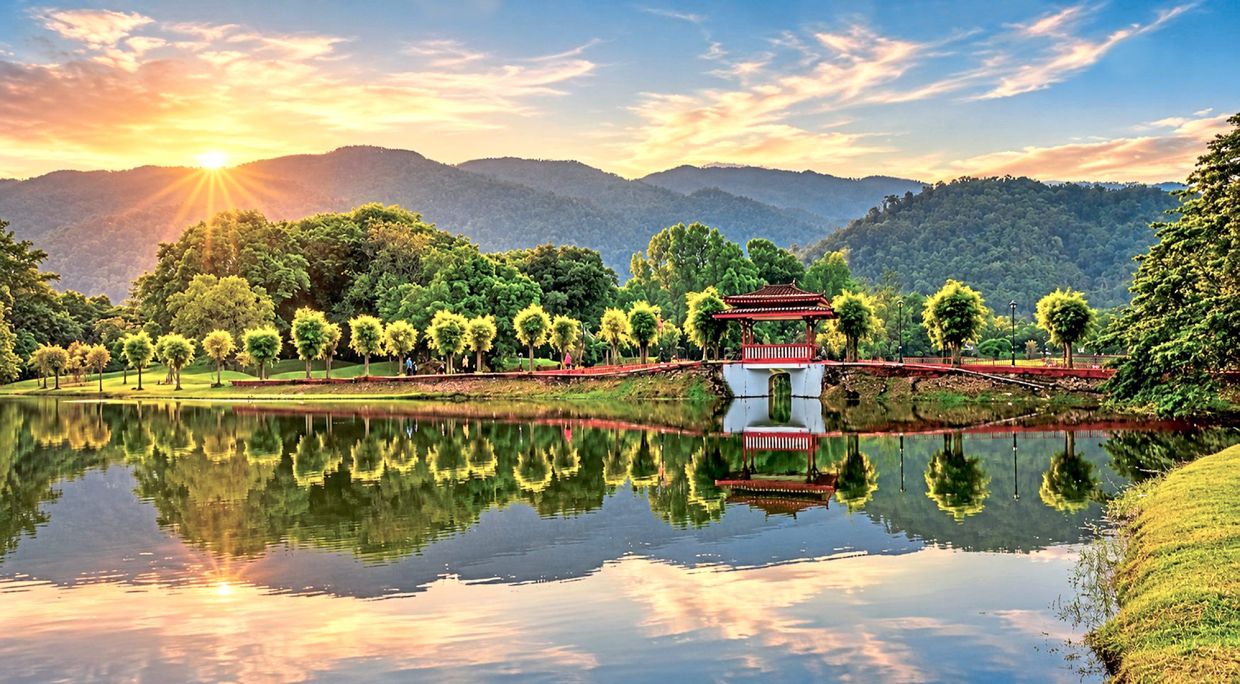
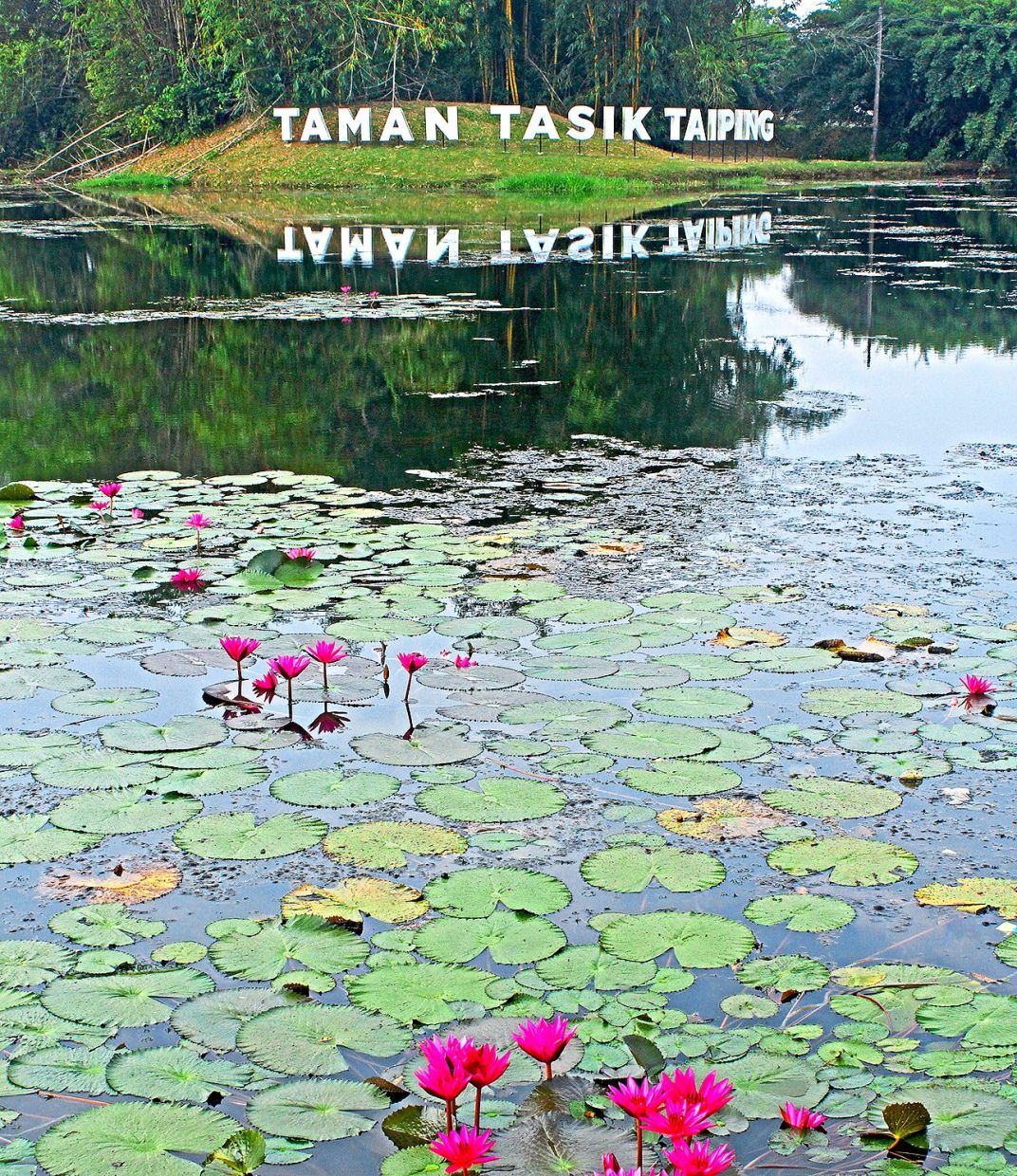
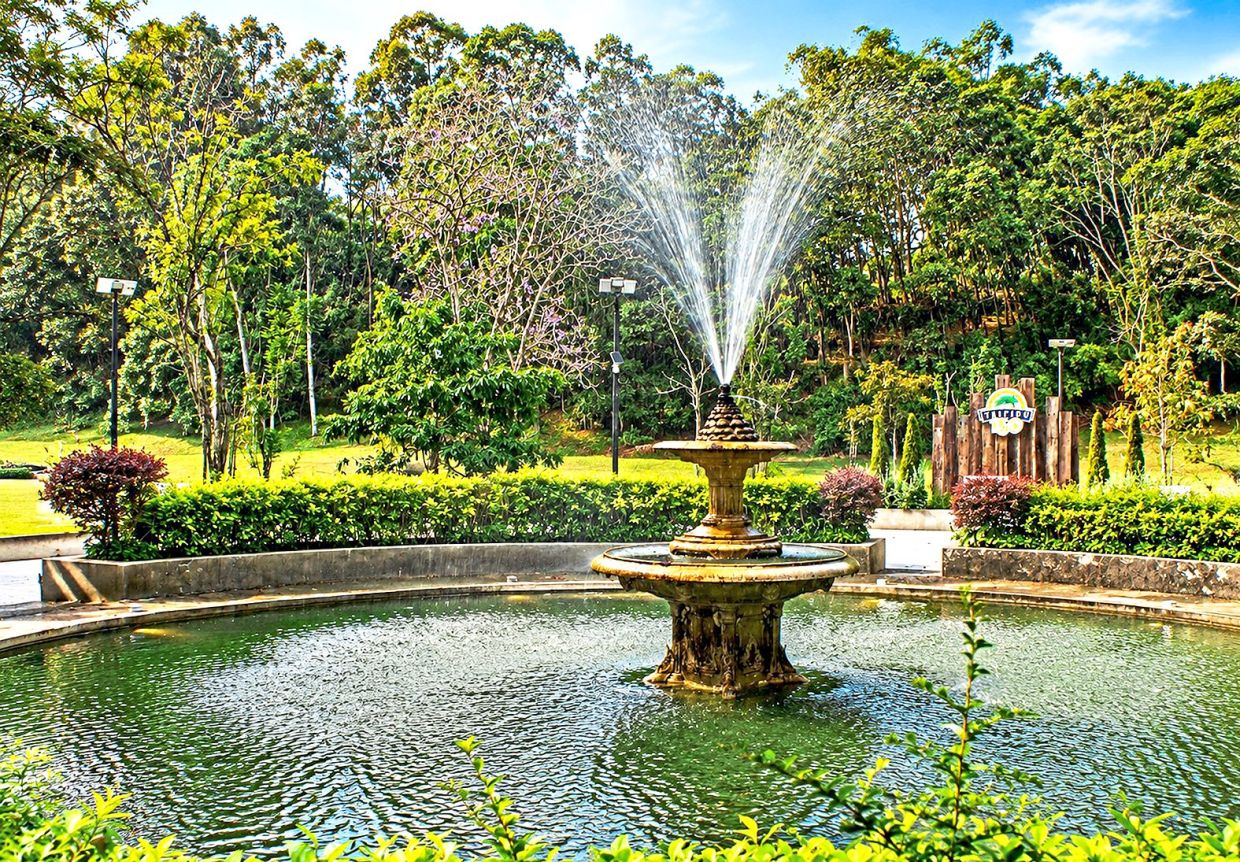
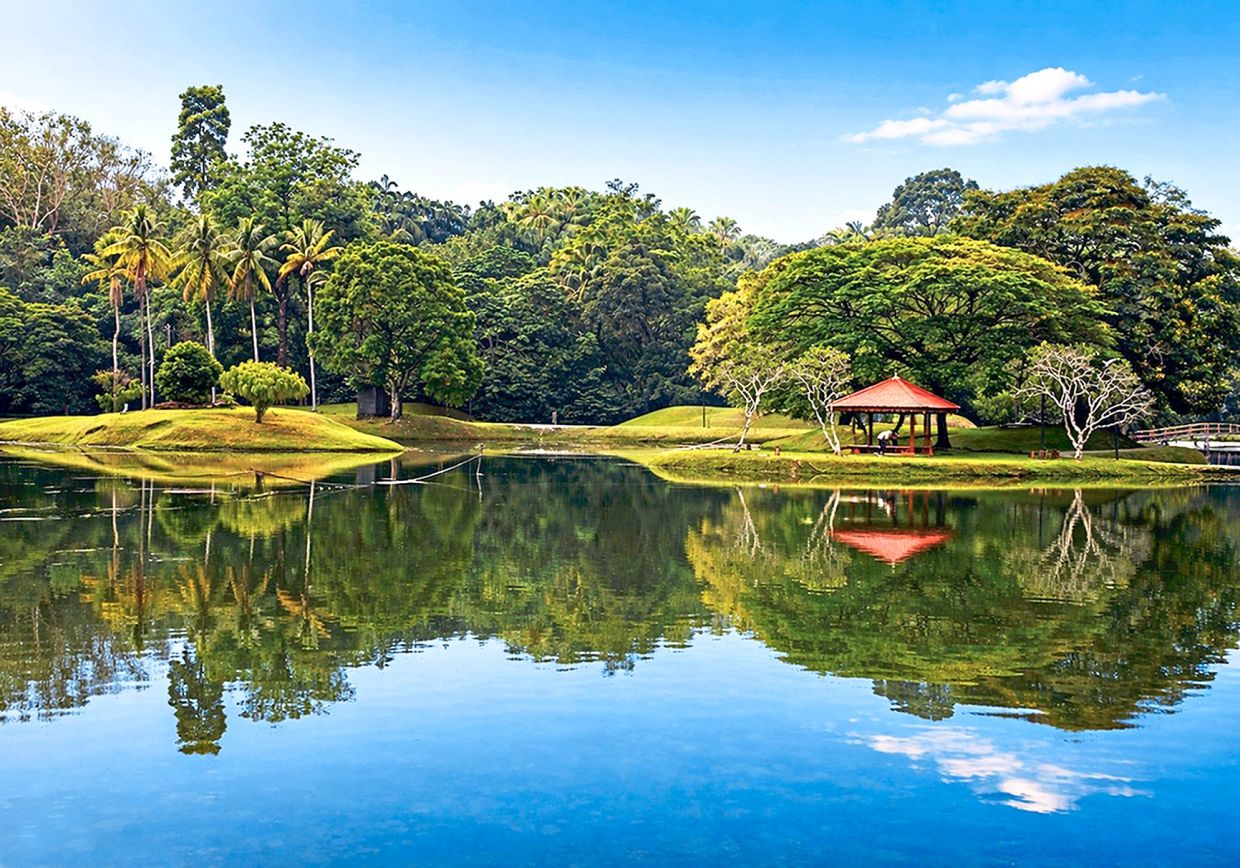
While the best times to be at Lake Gardens is just after sunrise and just before sunset, you will still get to enjoy good views any time in between. — Photos: DAVID BOWDEN
While the best times to be at Lake Gardens is just after sunrise and just before sunset, you will still get to enjoy good views any time in between. — Photos: DAVID BOWDEN
Built in 1883, the Perak Museum in Taiping is Malaysia’s oldest.
Built in 1883, the Perak Museum in Taiping is Malaysia's oldest.
Locals are divided over which stalls serve the best cendol – Ansari or Bismillah.
Locals are divided over which stalls serve the best cendol – Ansari (pictured) or Bismillah.
You can check out this historic carriage of the Perak State Railway at the Perak Museum.
You can check out the historic carriage of the Perak State Railway at the Perak Museum.
Taiping’s tin mining heritage is reflected in its street art.
Taiping's tin mining heritage is reflected in its street art.
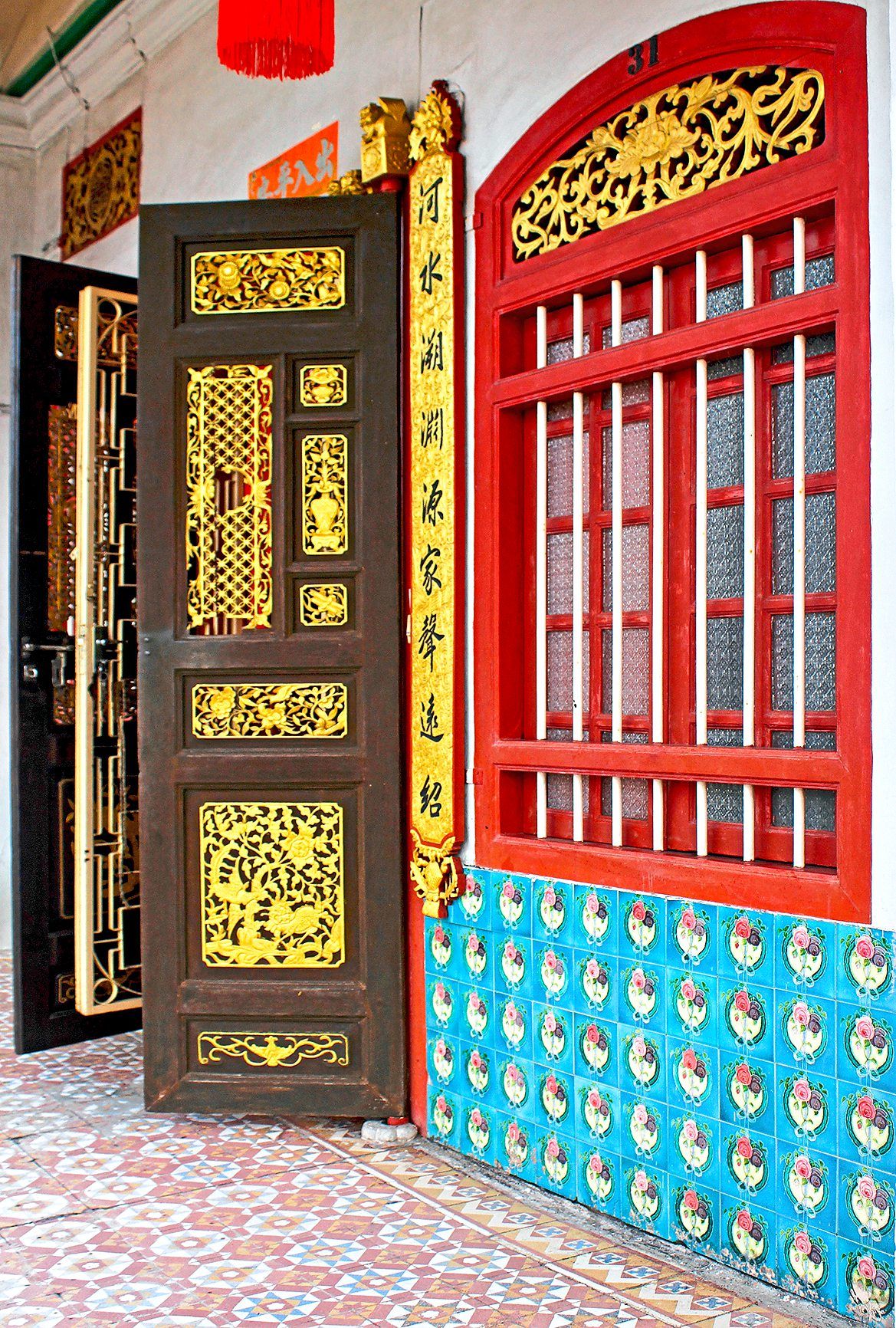
Wander the city streets to discover Malaysian heritage such as this old Chinese temple.
Wander the city streets to discover Malaysian heritage such as this old Chinese temple.
The Lake Gardens is the first recreational park to be established (in 1880) in Malaysia.
The Lake Gardens is the first recreational park to be established (in 1880) in Malaysia.
Some of the landscaping features in Taiping's Lake Gardens.
Admire landscaping features in Taiping's Lake Gardens.
Lake Gardens is especially enchanting early in the morning.
Lake Gardens is especially enchanting early in the morning.
The Lake Gardens is Taiping's most popular recreation and tourist precinct.