Earlier this year, I completed a backpacking trip through Japan. As a university student travelling on a budget, I relied exclusively on public transportation there.
I bought an ICOCA smart card upon arrival at the Kansai International Airport in Osaka. This card allowed me to fully experience Japan’s world-class public transportation system, from trains and subways to buses and even the Shinkansen.
My itinerary included Osaka, Kyoto, Nagoya, Shimada, Shizuoka, Kamakura, and Tokyo. I had planned to stay for three days per city, with an extra night in Tokyo. I carried only one backpack, as I wanted to learn how to travel light and simple.
I visited Osaka Castle first, before heading to the nearby Osaka Museum of History. Here, I saw my first real samurai swords on display.
In the shopping district of Dotonbori, I bought a Casio watch that I had always wanted to own at the popular department store Don Quijote.
Next on the list was Kyoto. The journey between Osaka and Kyoto was short; it only took about 40 minutes on the local train line. Once I got there, I went to Nijo Castle and the Kyoto Imperial Palace.
The Imperial Palace complex, situated within the massive national garden dotted with ancient shrines, is a physical embodiment of Kyoto’s past as the traditional capital of Japan for over a thousand years. It is a city that witnessed the rise and fall of emperors, numerous conflicts, and countless rebuilding.
I bought a traditional folding fan from a famous fan maker who was said to have made them for the imperial family, once upon a time.
Nagoya is about 150km away from Kyoto so to get there faster, I opted to take the bullet train. I arrived at the beautiful Kinai region (where Nagoya is) in just under 30 minutes.
In Nagoya, I visited the prefectural shrine near a castle. Within the castle park, I entered the Honmaru Palace, where magnificent medieval samurai artwork and interiors are preserved.
It was also in Nagoya that I had the luck of experiencing snowfall for the first time while I was out for a walk.
I took the local train to Nagoya University, observing how the public transport system seamlessly connected the city centre to the university with its own dedicated subway station, Nagoyadaigaku Station.
Shimada is a relatively rural city with not much to see, but I decided to visit the place to meet up with my friend Timothy, an English teacher from the United States who works in Japan.
Together, we went to Shizuoka, where Timothy acted as my translator.
Later, we said our goodbyes at Shimada Station, and embarked on my longest train ride yet. The journey from Shimada to Kamakura covered almost 200km by train and took three hours.
We passed Mount Fuji, crossed the beautiful Izu Peninsula, and entered the Kanto region, with transfers at Atami and Ofuna stations.
Kamakura was a place I had always wanted to visit after reading a Japanese manga that was set there during the medieval period, a time when samurais ruled the city.
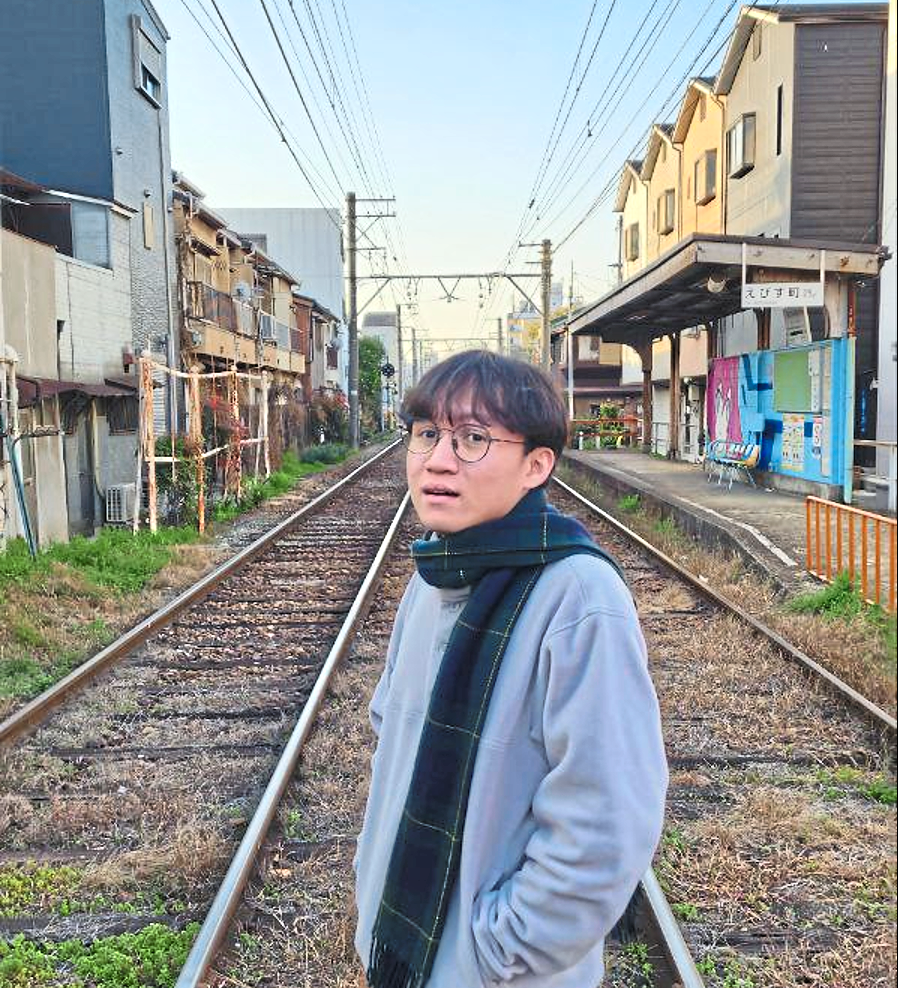
There, I tried the famous Enoden Line train, which cuts right through the city’s small streets.
I visited the Tsurugaoka Hachimangu Shrine, dedicated to the god of the samurai, which has been Kamakura’s cultural centre for the past 800 years. I also went to the rather humble grave of Minamoto Yoritomo, Japan’s first shogun, who made Kamakura the seat of his samurai government.
Another famous site was the Great Buddha of Kamakura.
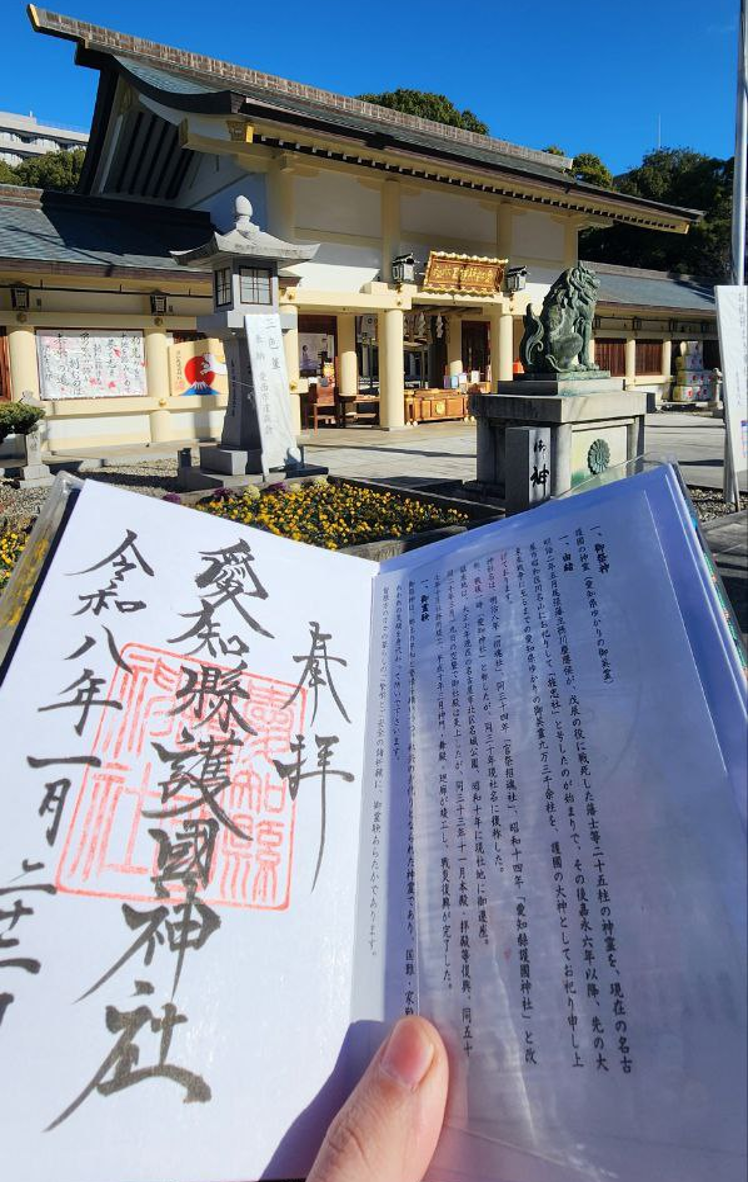
Throughout the trip I collected traditional goshuin, or shrine stamps, as physical proof that I had actually visited these places.
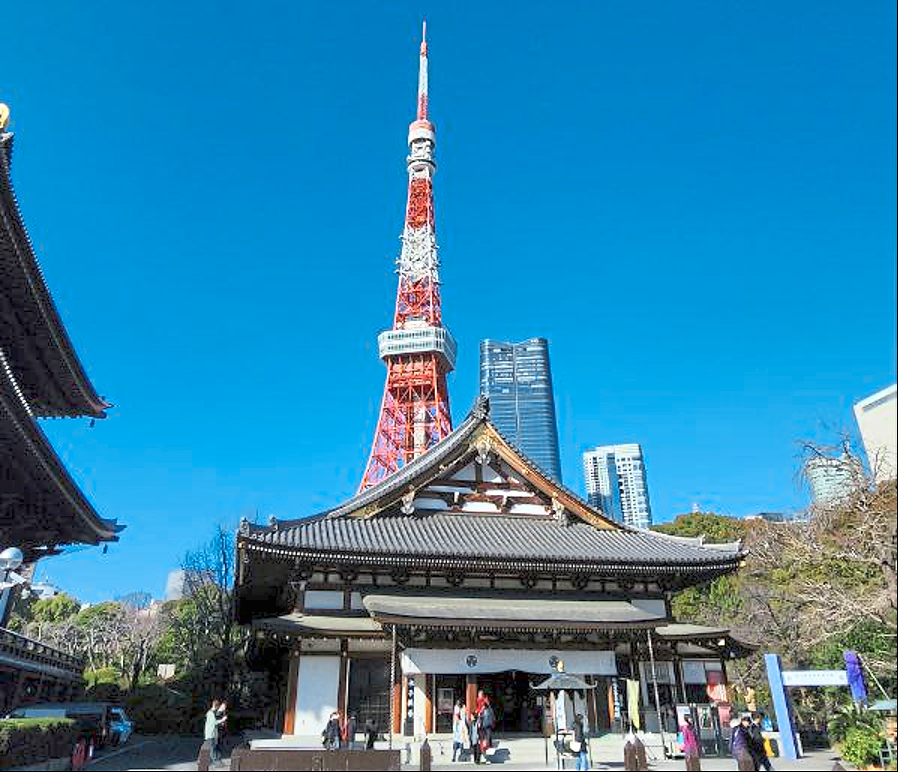
My final city was Tokyo. I stayed in Minato City, home to the Tokyo Tower. My hotel was just 200m from Tokyo Tower, so I had a great view of it both morning and night.
To continue the unofficial “samurai” theme of my trip, I visited the Zojoji-Temple nearby, where six shoguns were buried.
The view of the medieval temple set against the modern cityscape truly encapsulated why I love Japan, where the past and present co-exist, and the old is not torn down to make way for the new.
The views expressed are entirely the writer’s own.