
When April comes around, Thailand gears up for one of its biggest festivals: Songkran. The traditional Thai New Year is celebrated yearly from April 13 to 15 (although this year, celebrations begin from April 11).
It’s become a major tourism draw since the 1990s, when the “water splashing” aspect of the festival started to be heavily promoted as a fun cultural activity to do while visiting the country.
For decades, locals and tourists alike – plastic water guns in hand – have been flocking to the streets to douse each other with water. The act is meant to wash away bad luck and bring good fortune for the new year.
The celebrations may be a little muted this year, due to global energy crisis and prolonged heatwave. But at least six provinces, including Bangkok, will still hold the 11th Thai Water Culture Festival.
But Thailand isn’t the sole country that celebrates Songkran. It’s just known by other names in other countries with populations that also practice Theravada Buddhism, which the water festival is deeply rooted in.
In Cambodia, it is known as Chaul Chnam Thmey. In Laos, it’s called Pi Mai Lao. In India, specifically in Arunachal Pradesh and Assam, it goes by the name Sangken.
In Bangladesh, during Sangrai, everyone does join in the traditional water splashing. But single young men and women do so by standing in two lines facing each other, with tubs of water between them to splash each other.
In Myanmar, Thingyan is celebrated for five days, and it includes Shinbyu. The Buddhist ceremony involves young Burmese boys coming of age by being novice monks at a monastery for a few days to a few weeks.
It is said that the water festival was brought to China via Myanmar. In China, it is called Po Shui Jie, which translates to Water Splashing Festival. The Dai people’s way of celebrating this include setting off Dai rockets and performing masked dances to ward off evil spirits.
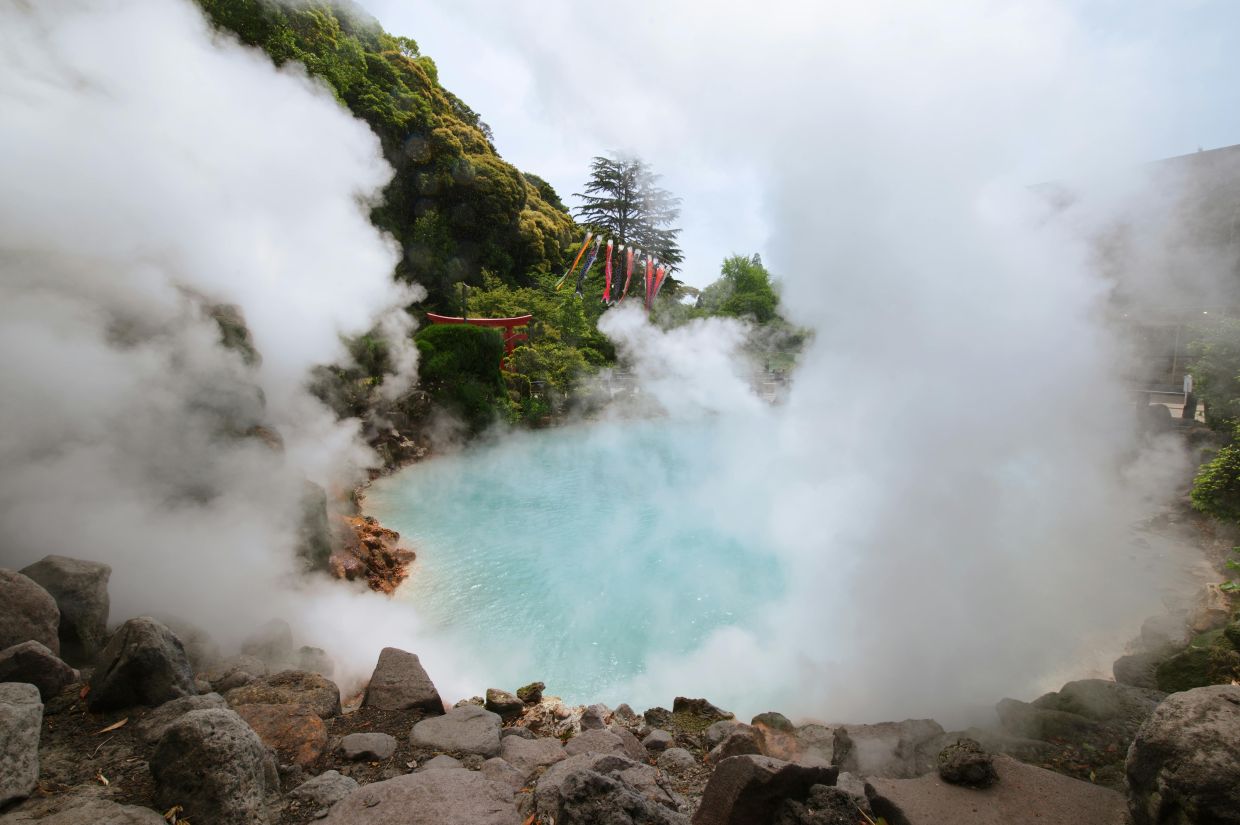
Japan doesn’t exactly have its own Songkran, but in recent years, it has started celebrating the Beppu Songkran Festival. It is a relatively new addition to the Beppu Hatto Onsen Matsuri, an annual hot spring festival held in the Oita Prefecture.
The fourth edition of Beppu Songkran was held earlier this month, since the Onsen Matsuri is usually held throughout the first week of April. But anyone looking forward to splashing water while enjoying Japanese onsen can always look out for next year’s edition.