While travelling during the Hari Raya holidays is common, the idea of going on a trip in the fasting month may seem a little challenging to some Muslims.
During Ramadan, Muslims are required to abstain from food and drink – among others – from sunrise to sunset. This means that most (some adults are exempted from fasting, like pregnant women, menstruating women, the elderly and the sick) will try to conserve energy whenever possible, without forgoing their daily responsibilities.
When Muslims travel overseas while fasting, they must adjust to new surroundings, routines and sometimes even time zones.
These are just a few of the challenges faced when observing Ramadan away from the comforts of home.
Whether for work or leisure, these Malaysian Muslims view travelling during Ramadan as a chance to grow personally and explore new cultures.
Away from home
Travelling during Ramadan looks different from place to place, and the experience often depends on what the traveller values most.
“Ramadan doesn’t mean we have to stop doing the activities we enjoy,” said Shahful Shaffiq Mohd Saleh, 41, a lifestyle writer who sees Ramadan travel as an opportunity for a different kind of journey.
In fact, travelling while observing Ramadan can also be rewarding in its own ways, he shared. Air ticket and hotel prices are often cheaper, for example, and experiencing the holy month in a different cultural setting can be deeply enriching.
Beyond that, the smaller crowds at some destinations allow you to enjoy the place and its sights more peacefully, without being overwhelmed by too many tourists.
Shahful Shaffiq, who has experienced Ramadan in several countries including Turkiye, China and Australia, said fasting abroad makes his journey more reflective and spiritually fulfilling.
For Sufian Ghaffar, 39, curiosity and a desire for change led him to Australia last year during Ramadan. Although the trip was primarily for work, he said the experience still felt special.
“Being in a new environment during the fasting period made me more mindful of my routine and worship,” he explained.
Aside from that, Sufian, who travelled with fellow Malaysians from different backgrounds, found it especially meaningful when everyone – including non-Muslims – sat down to eat together.
“They get a ‘taste’ of what iftar (evening meal to break fast) is about, and that shared experience builds understanding,” he said.
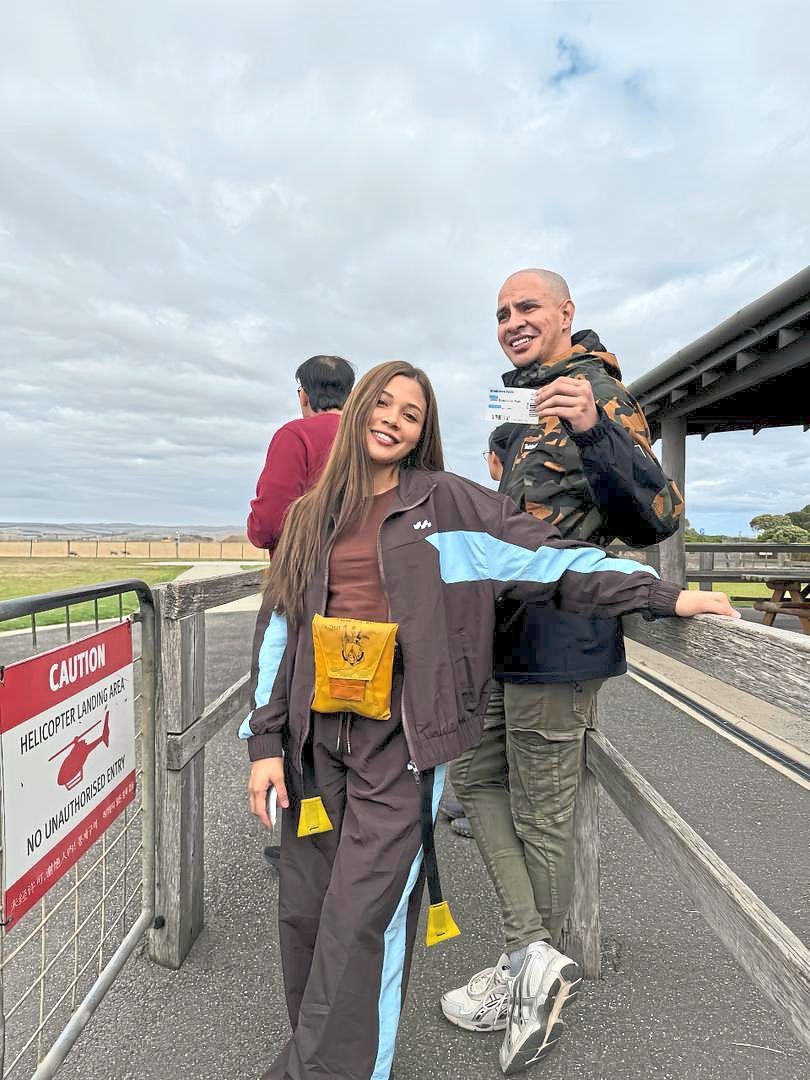
Actress and model Asha Merican, 28, wanted to break away from her usual Ramadan routine. Last year, she embarked on her first trip with her husband, joining a group of other people from Malaysia, during the fasting month.
Like Shahful Shaffiq and Sufian, Asha found that travelling during Ramadan gave her a greater sense of purpose, something she didn’t anticipate.
“It gave me a chance to slow down and really appreciate the culture and the people,” said Asha. She added that for her next holiday, she plans to stick to a lighter itinerary with fewer activities, allowing herself and her husband more time for reflection during the holy month.
Destination matters
As more places, such as Japan and Taiwan, become increasingly “Muslim-friendly”, halal food options and prayer facilities are now easier to find.
Shahful Shaffiq noted that even in places where Islam is not the main religion, established Muslim communities – large or small – would still make it possible to maintain religious practices while travelling.
“It also provides a sense of connection to home and community, even when you are far away,” he added.
In destinations with little or no local Muslim population, he said that it would still be manageable for him.
However, he shared that if you need community support, it’s wise to choose destinations where a Muslim community is present while planning your trip.
He also said that the destination itself does not limit his experiences during Ramadan.
“As long as there are halal food options and a mosque where I can perform my prayers, I am good,” he said.
“I can also perform the prayers by myself in my room, in case there are no mosques or surau around.”
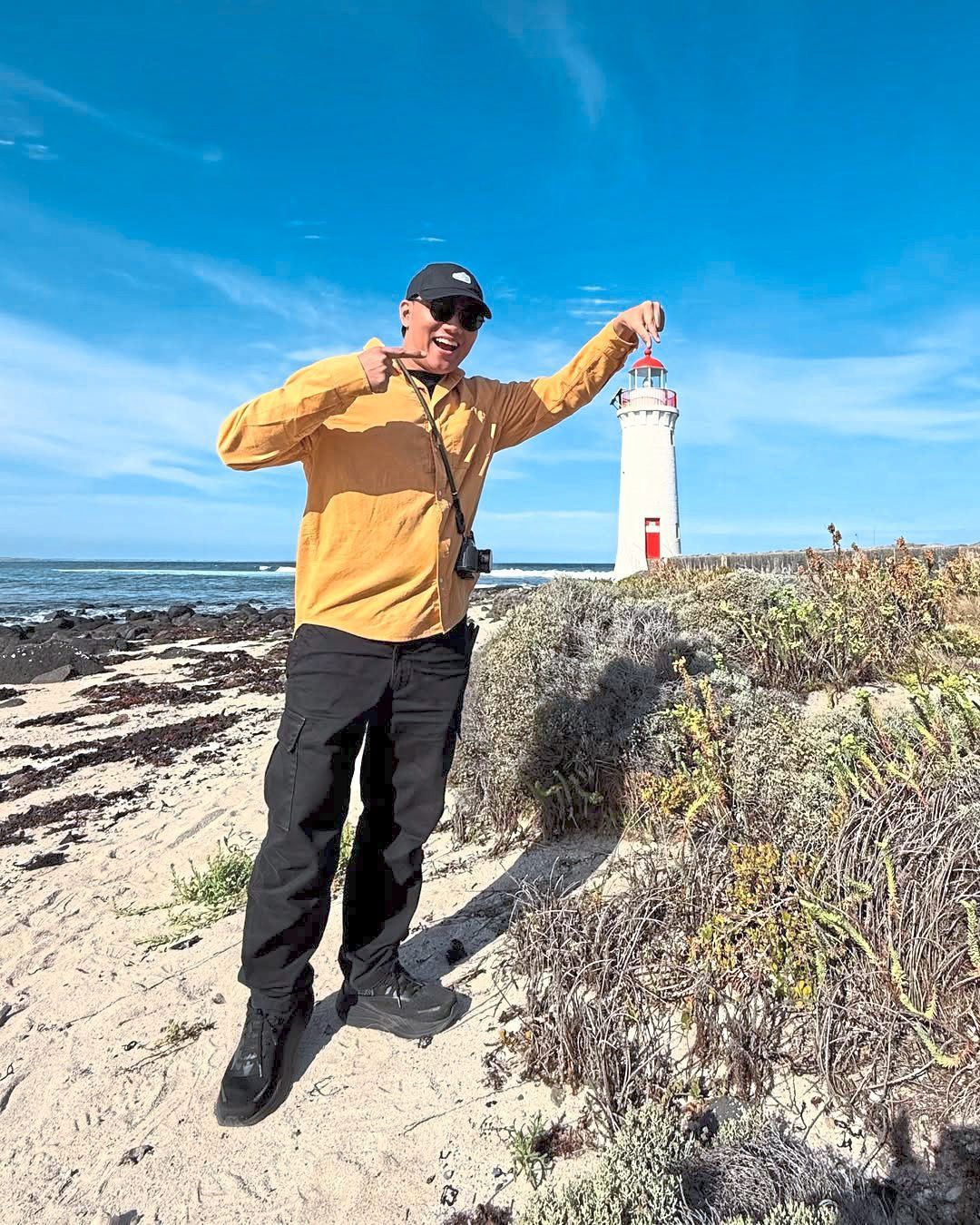
During a visit to Sydney, Australia last year, Shahful Shaffiq was pleasantly surprised when he came across the close-knit Muslim community in Lakemba, a multicultural suburb about 13km from the city centre.
The area is home to one of Australia’s largest mosques, Lakemba Mosque, also known as Masjid Ali Bin Abi Talib, constructed in 1977.
During Ramadan, Haldon Street comes alive with vendors selling food and hungry crowds making a beeline for their favourite stalls.
Despite this, Shahful Shaffiq noticed that Ramadan is generally not widely observed across Australia, and the festive atmosphere is very different from Malaysia.
Unlike Australia, Turkiye offered a more immersive experience. With its large Muslim population, Shahful Shaffiq had no trouble finding halal food, and the environment was welcoming and supportive of those observing Ramadan.
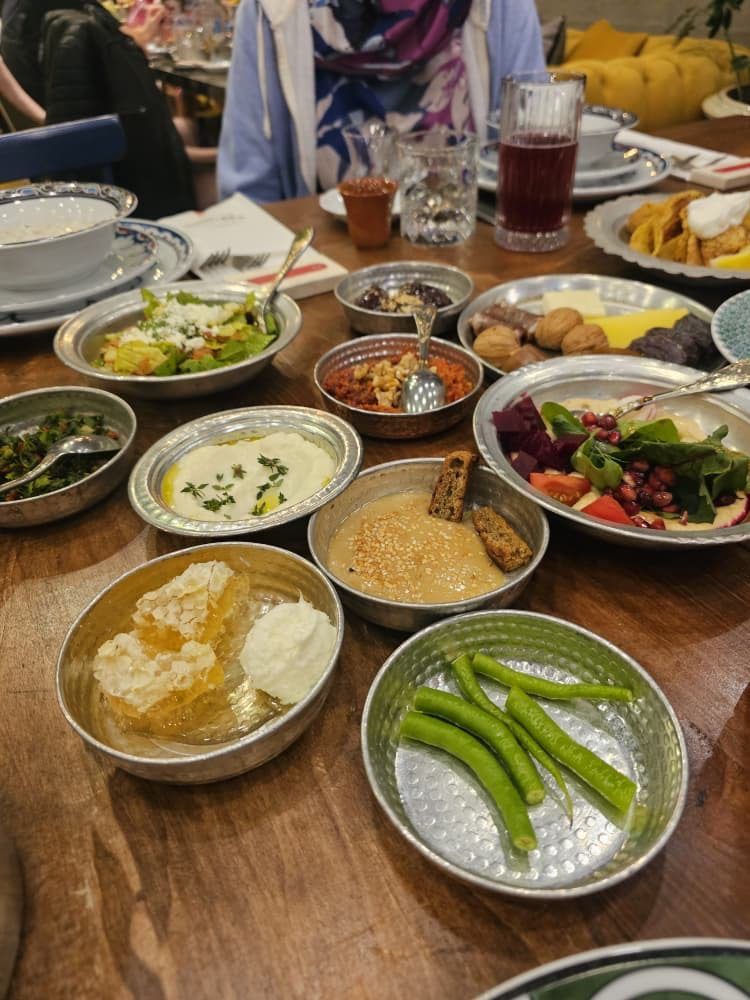
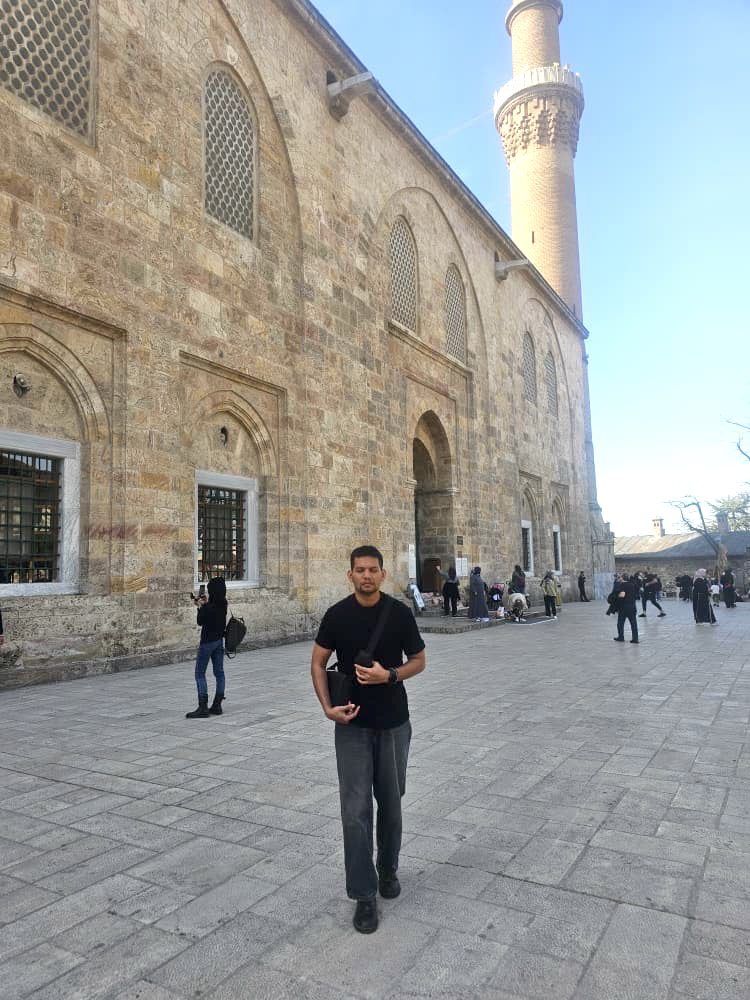
One of the highlights of his trip was breaking fast with the locals in Bursa. “I tried dishes like imam bayildi, pide and Turkish-style kebabs,” he recalled, adding that he ended the day with terawih prayers at the Hagia Sophia grand mosque.
A Unesco World Heritage Site, the historical landmark is incredibly popular with tourists from all around the world, and at all seasons.
“Typically, you’d admire it from the outside, or pay a small fee to explore the complex,” Shahful Shaffiq said. But the opportunity to pray inside the mosque is an experience he holds close to his heart.
No matter where he goes, he finds visiting mosques to be one of the most meaningful parts of his journeys.
“You learn how local Muslims practise their faith and gain a deeper appreciation of the diversity within the religion – it’s always an eye-opening experience for me,” he said.
“Experiencing Ramadan abroad further deepened my relationship with my faith. It tested my patience and discipline,” he said.
For Sufian, however, community plays a role in choosing a destination. For example, if there isn’t a mosque nearby, he said that you could end up spending a lot of time searching for a place to pray. This can be stressful and put a damper on the travel experience.
When booking accommodation, Sufian always checks that a mosque is within easy reach or at the very least, accessible by public transport.
In terms of atmosphere, he shared that in Malaysia, the entire fasting month feels alive, with food bazaars lining the streets in many areas.
In Australia, he didn’t get the same festive feel. “But in a way, that actually strengthens your personal devotion,” he said.
Without the familiar buzz of Ramadan bazaars, Sufian found himself planning his own meals to break fast and to eat before sunrise, as well as praying in his hotel room.
Planning ahead
Observing the holy month of Ramadan while travelling also comes with added responsibility, and being prepared can make the journey enjoyable.
One key consideration is time differences, which affect prayer, sahur and iftar timings. And in some destinations, it may mean longer fasting hours than what Malaysians are accustomed to. This is where mobile applications come in handy.
Prayer times vary by location, and apps such as Halal Navi help travellers stay on track by providing accurate prayer schedules, nearby mosques and even halal dining options.
Even though it was Sufian’s first time spending Ramadan abroad, he was well prepared.
After reading tips from other travellers tips on managing fasting abroad and navigating prayer schedules online, he took the extra step of downloading the Iman Pro app to keep track of prayer times.
He stressed the importance of double checking prayer and meal timings. “Even small mistakes can throw off your fasting schedule,” he said.
On the first day of his trip, he missed his sahur despite only a three-hour time difference. Hence, he said this makes planning ahead all the more crucial in countries with larger time zone gaps.
When it comes to choosing destinations and dining options, he uses social media platforms like Instagram and TikTok to research Muslim-friendly locations and eateries.
“I list everything down beforehand so I can refer to it easily during the trip,” he said.
Shahful Shaffiq, who also uses mobile apps while travelling, said that they help him manage sahur and iftar with ease, taking the stress out of locating halal food.
According to him, these tools can do more than just help users locate mosques and halal eateries – they can also connect travellers with local Muslim communities.
That said, finding halal food can still be tricky in some destinations.
Although he hasn’t personally visited Hong Kong or Thailand during Ramadan, Shahful Shaffiq noted that locating halal options can be challenging in certain destinations.
In China, he noticed that many local eateries did not have halal food and that the signboards were often unclear. But that didn’t deter him from seeking halal local cuisine. “Sometimes you just have to make the extra effort,” he shared.
He recommends planning sightseeing around locations near mosques, where halal food options are more accessible, which makes breaking fast easier.
“If you are travelling to a place where halal options are limited, it’s always safer to bring some food with you,” Shahful Shaffiq said. “There were times when I had to improvise by packing canned food like sardines, especially when halal options were hard to find.”
Your choice of accommodation can affect your meal options as well. Many hotels don’t allow guests to cook in rooms because of fire hazards and lingering odours, which makes canned or pre-packed food the most practical alternative. But if you are the kind of traveller who prefers to cook your own meals, choose accommodations that come with at least a small kitchenette.
Similarly, Asha also plans ahead by stocking up on food. While adjusting to local time zones can take some getting used to, she said it was manageable with proper planning.
“One of the benefits of staying in a motorhome is the flexibility it provides, whether it’s finding food or a place to pray,” she said. “We just prayed in the campervan. It worked for us.”
In fact, she said, that was the most memorable part of the holiday for her.
Pacing the journey
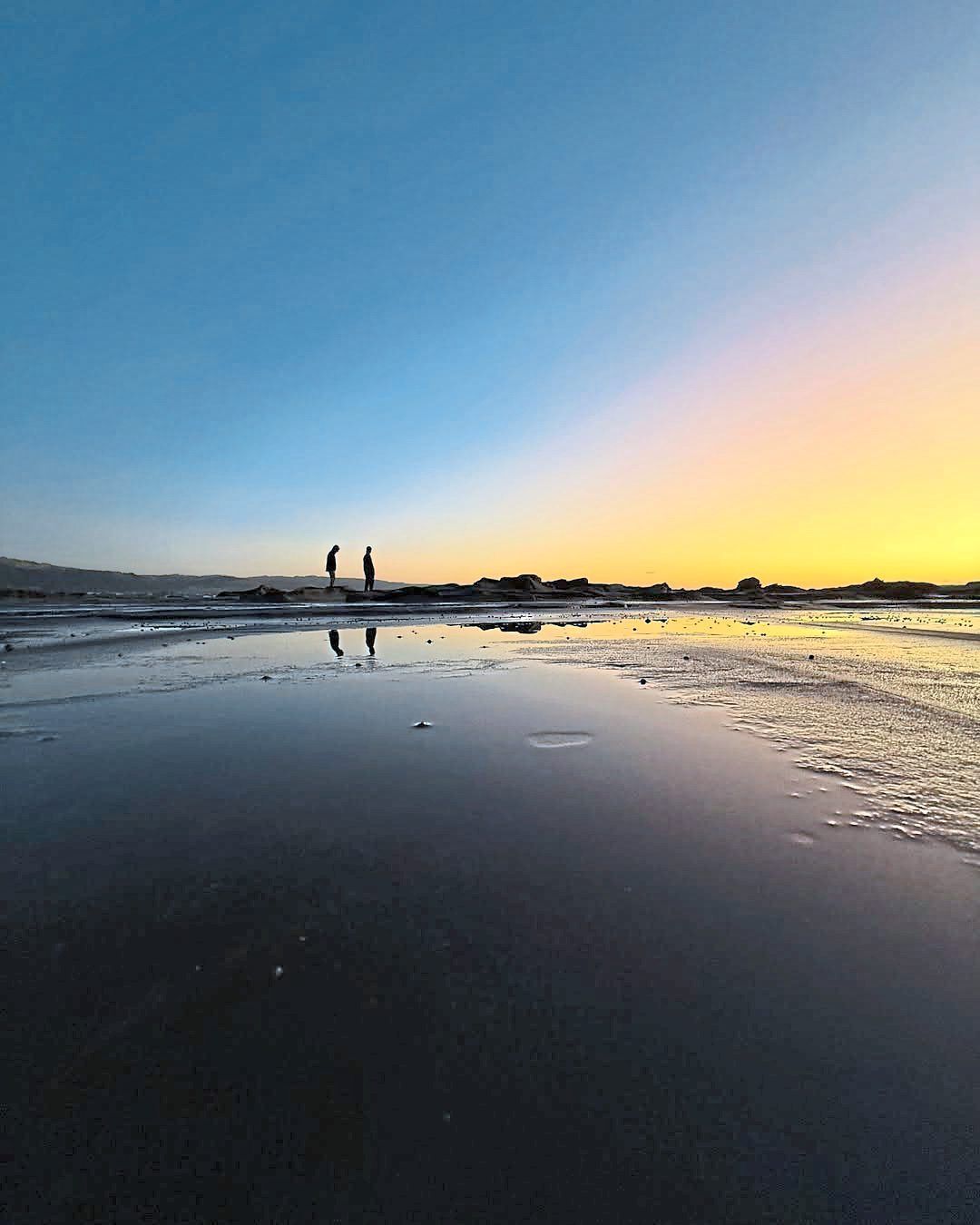
Maintaining your energy helps you make the most of travelling while fasting. Without careful planning, fatigue can derail the experience.
“You want to conserve as much energy as possible and avoid wearing yourself out,” Shahful Shaffiq explained.
He limits his time outdoors, even more so during hot weather, and steers clear of strenuous activities that could leave him dehydrated or exhausted. “It can be tough to resist eating or drinking, especially during physical activity. Planning lighter activities while fasting makes the day much more manageable,” he added.
Keeping your energy levels in check is not just about getting enough sleep – what you eat matters, too. Shahful Shaffiq keeps his sahur light and simple, choosing milk and dates.
“It is important to eat something that sustains your energy so you can get through the day,” he said. Eating food that are both rich in nutrients and easy to digest can help keep hunger at bay.
Sufian, meanwhile, takes environmental factors into account when planning his travels. He avoids visiting countries where Ramadan falls during summer when “long daylight and high temperatures can be both mentally and physically draining”.
“I make sure I stay hydrated, drinking plenty of water during sahur and plan my activities so I am not ‘exposed’ to heat during the day,” he shared.
By pacing activities and staying mindful what you eat, it is possible to enjoy a fulfilling travel experience without compromising your devotion, Sufian added.
These travellers prove that what counts isn’t where you go, but how you approach and make the most of the journey.