
The sheer size of a recreational vehicle (commonly known as an RV) can feel a little overwhelming at first, especially if you’re used to driving smaller cars.
After spending some time behind the wheel, however, the initial nerves wore off, and now we were driving smoothly. So calmly, in fact, that the drive became monotonous.
The straight road rolled on without much to look at. But everything changed as soon as we went off the highway.
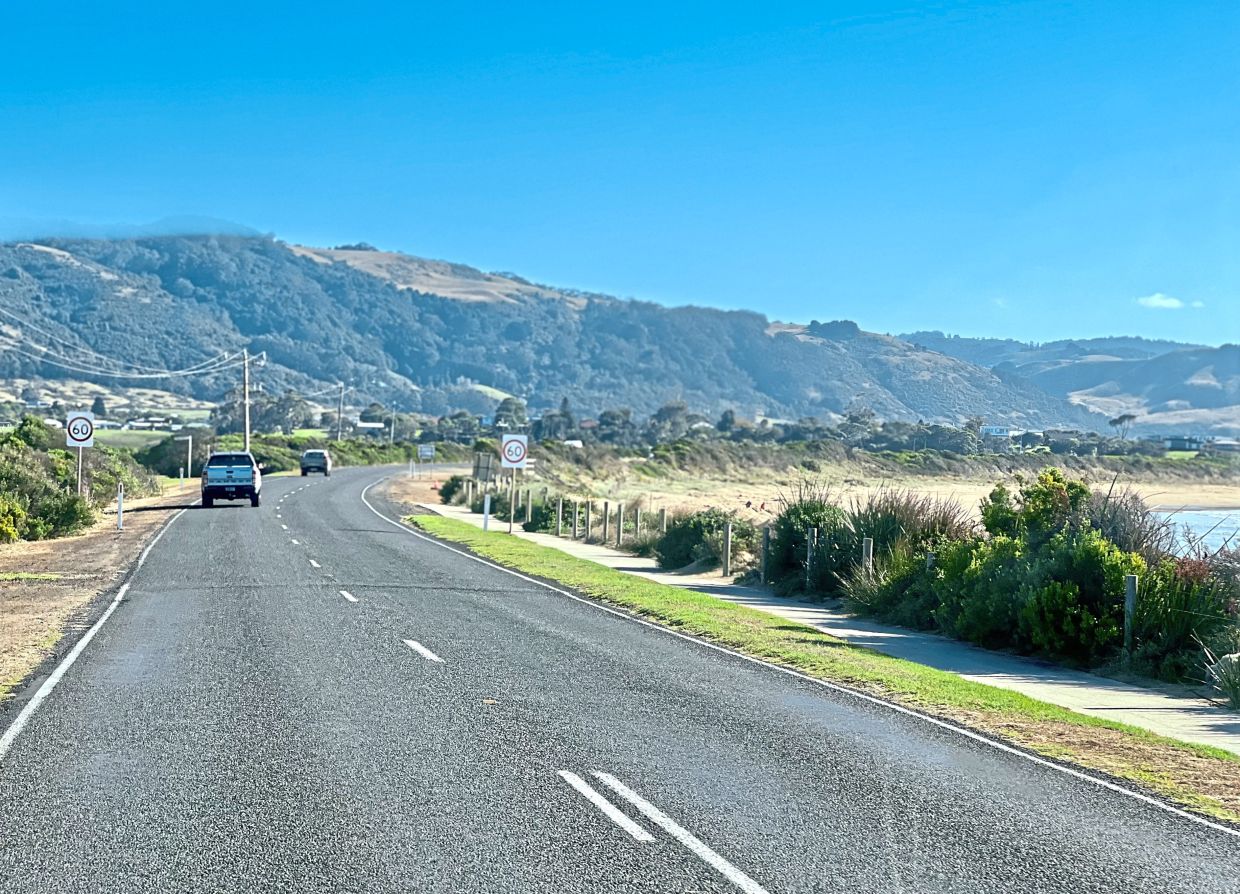
The landscape shifted dramatically, as we wound our way along Melbourne’s Great Ocean Road in the state of Victoria, Australia. Towering cliffs rose above the ocean on one side, while lush forests spread out across the other.
Famous for its breathtaking beaches and powerful waves, the area is also known as one of the world’s top surfing destinations. But that’s not what we were there for.
This time around, we were in Victoria to experience a self-drive tour with an RV.
Hitting the open road
After picking up our vehicles at Jucy, an RV rental agency located a stone’s throw from Melbourne Airport, we embarked on a two-hour drive to the Australian National Surfing Museum in Torquay. This was the starting point of our four-day adventure with AirAsia X.
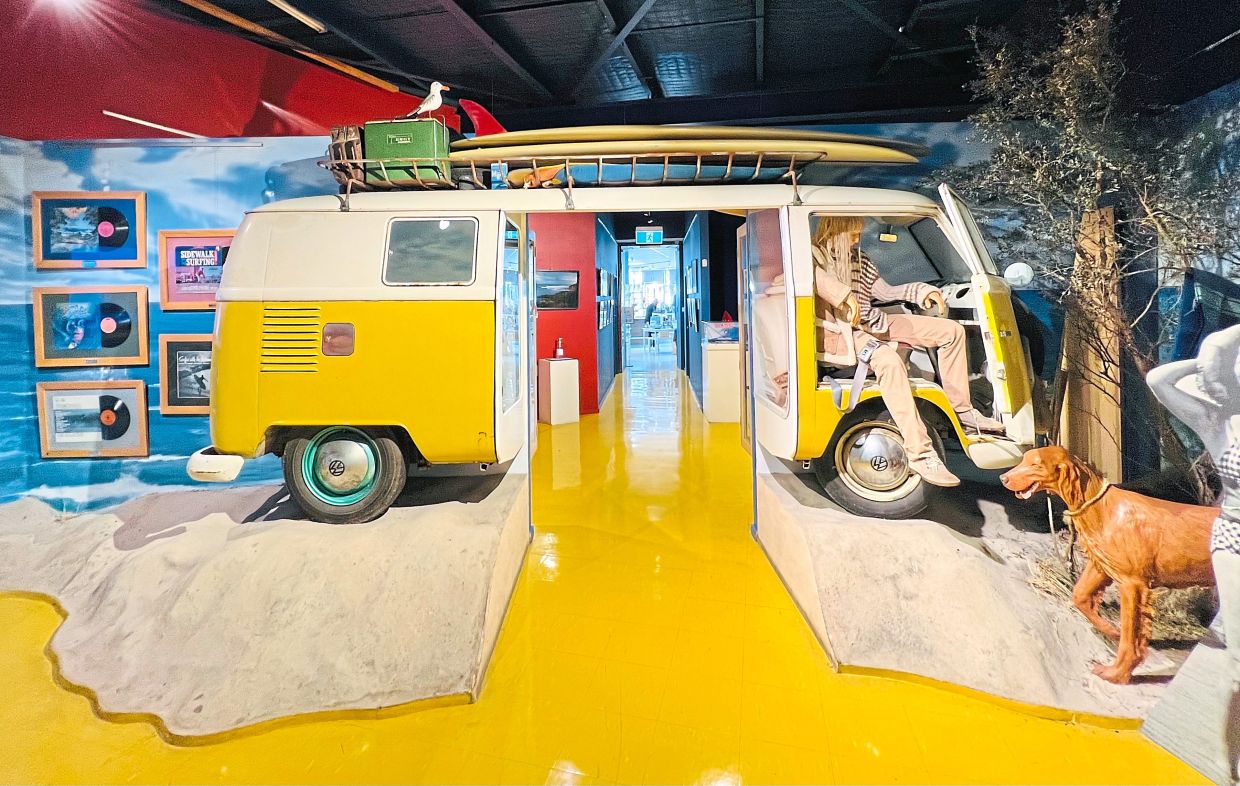
As the country’s largest museum dedicated to beach culture, it was the perfect introduction to the coastal city’s surfing heritage.
The museum boasts an array of exhibits, each giving a glimpse into the evolution of surfing. Visitors can explore the extensive collection of surfboards, too, while memorabilia from surfers, including photos and personal stories, brings the sport to life.
En route to Wildlife Wonders from the museum, we made a quick stop at Bells Beach, a popular spot for surfing and coastal views.
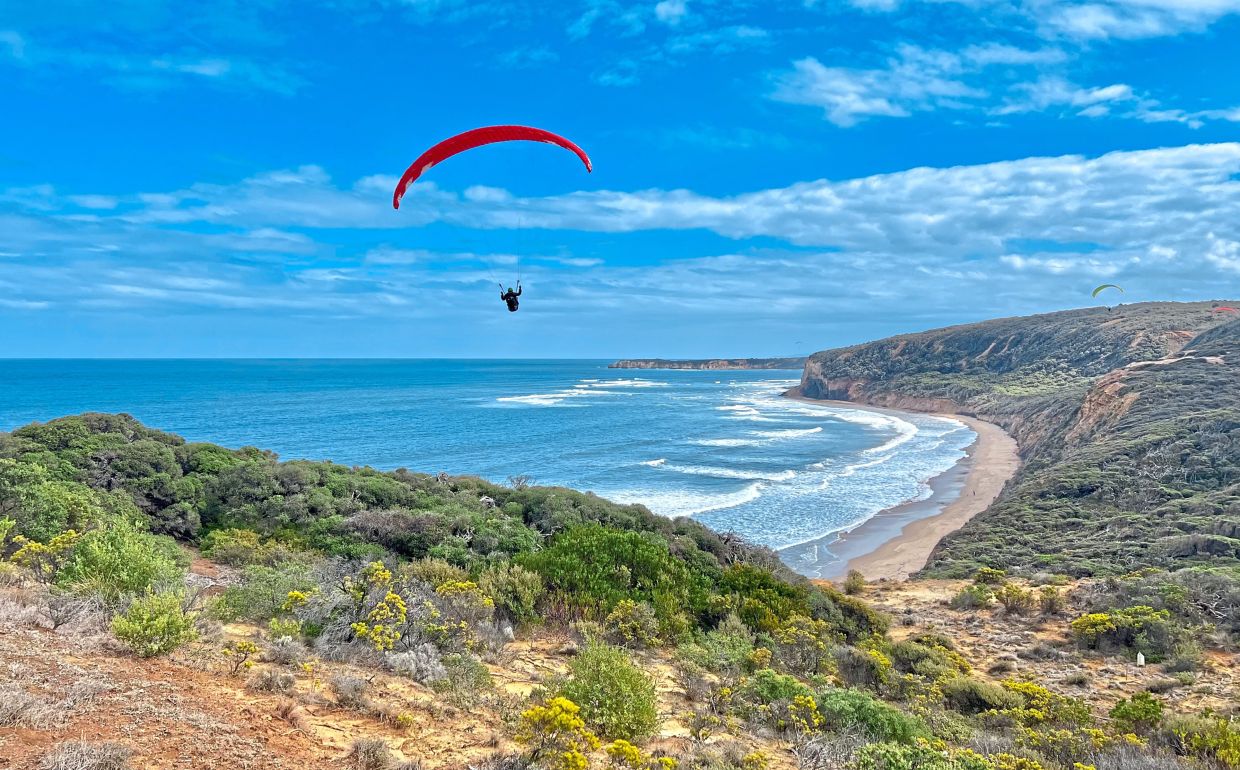
Declared the world’s first “Surfing Recreation Reserve” in 1973, it hosts the Rip Curl Pro Bells Beach, the longest-running professional surf competition.
Thanks to its ideal wind conditions, the beach isn’t just a paradise for surfers, it’s also well-known for paragliding.
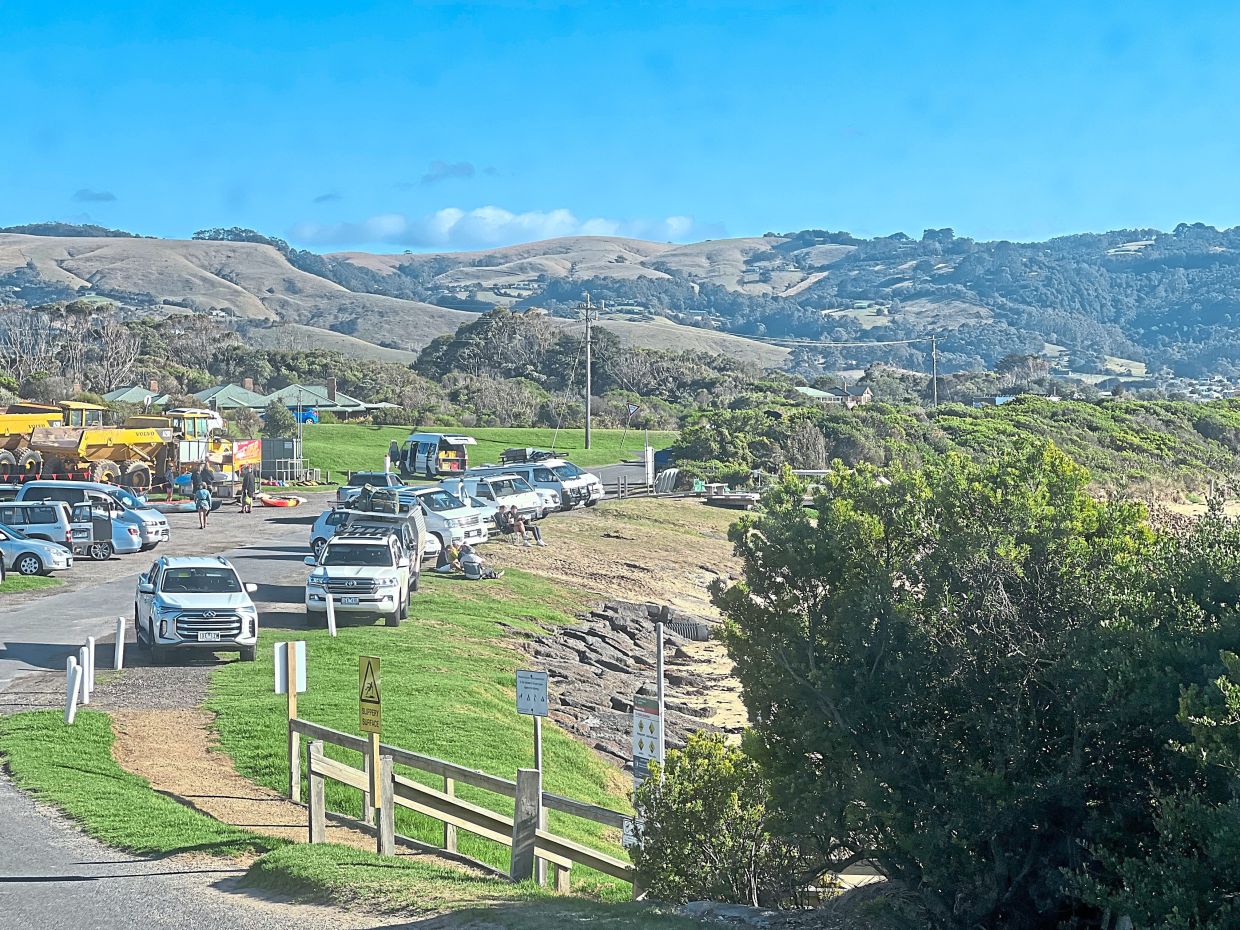
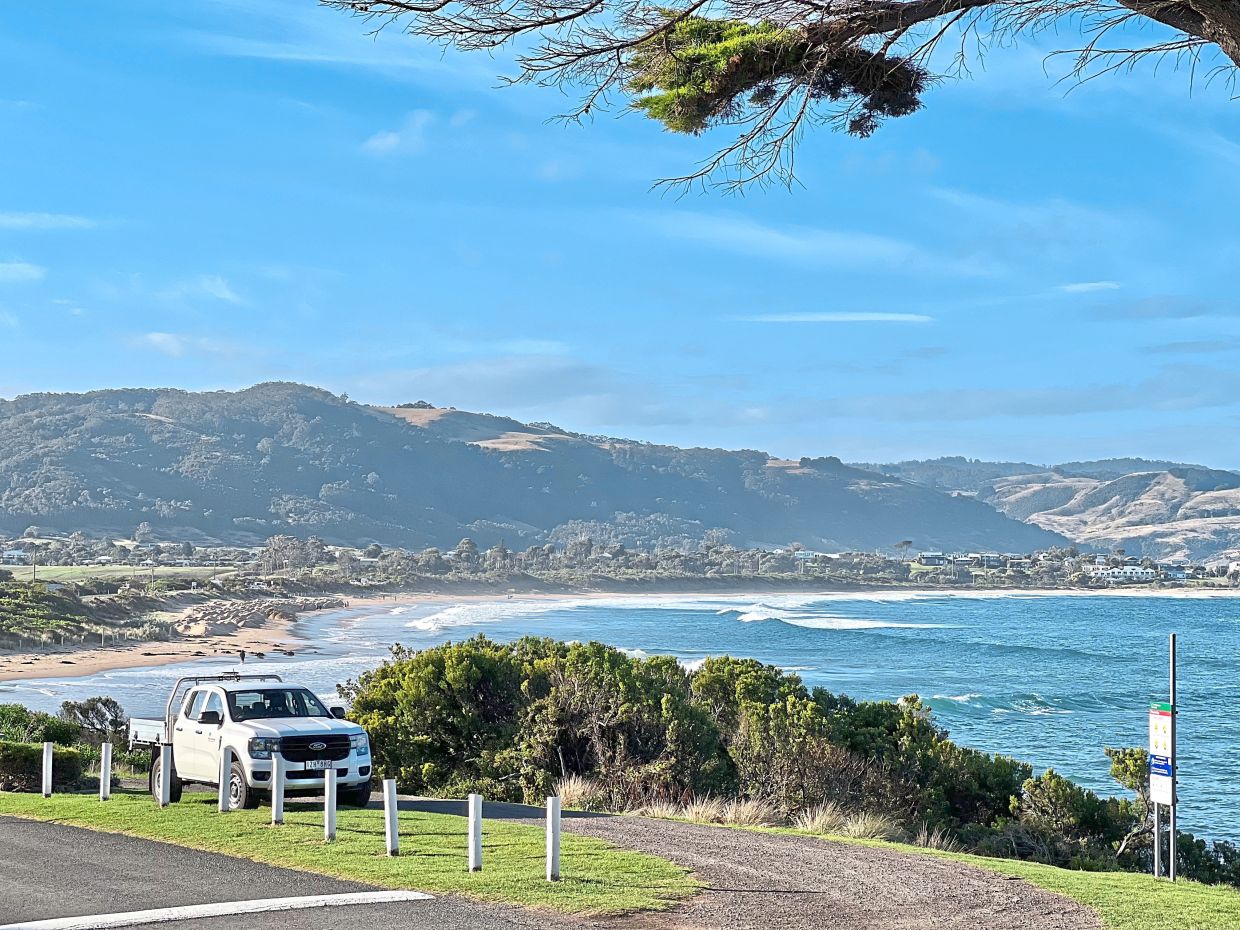
Parking the RV here was easy, and a scenic walkway led us to the viewing platform, where we took in the sweeping vistas of the coastline.
Another must-visit spot for observing the Great Ocean Road coastline is Teddy’s Lookout, perched above the seaside town of Lorne – 48km from Wildlife Wonders in Apollo Bay.
As we made our way to the wildlife sanctuary, excitement grew as our hosts told us that we’d have the chance to spot some adorable koalas.
Our adventure kicked off with the 75-minute Wildlife Wonders Dusk Discovery tour, led by Sophie, an experienced nature guide.
Before we set off, Sophie gave us a quick rundown of some important do’s and don’ts. Each of us received a pair of binoculars and an audio receiver.
Sophie also reminded us that food wasn’t allowed on the tour, as it could attract or disturb the wildlife.
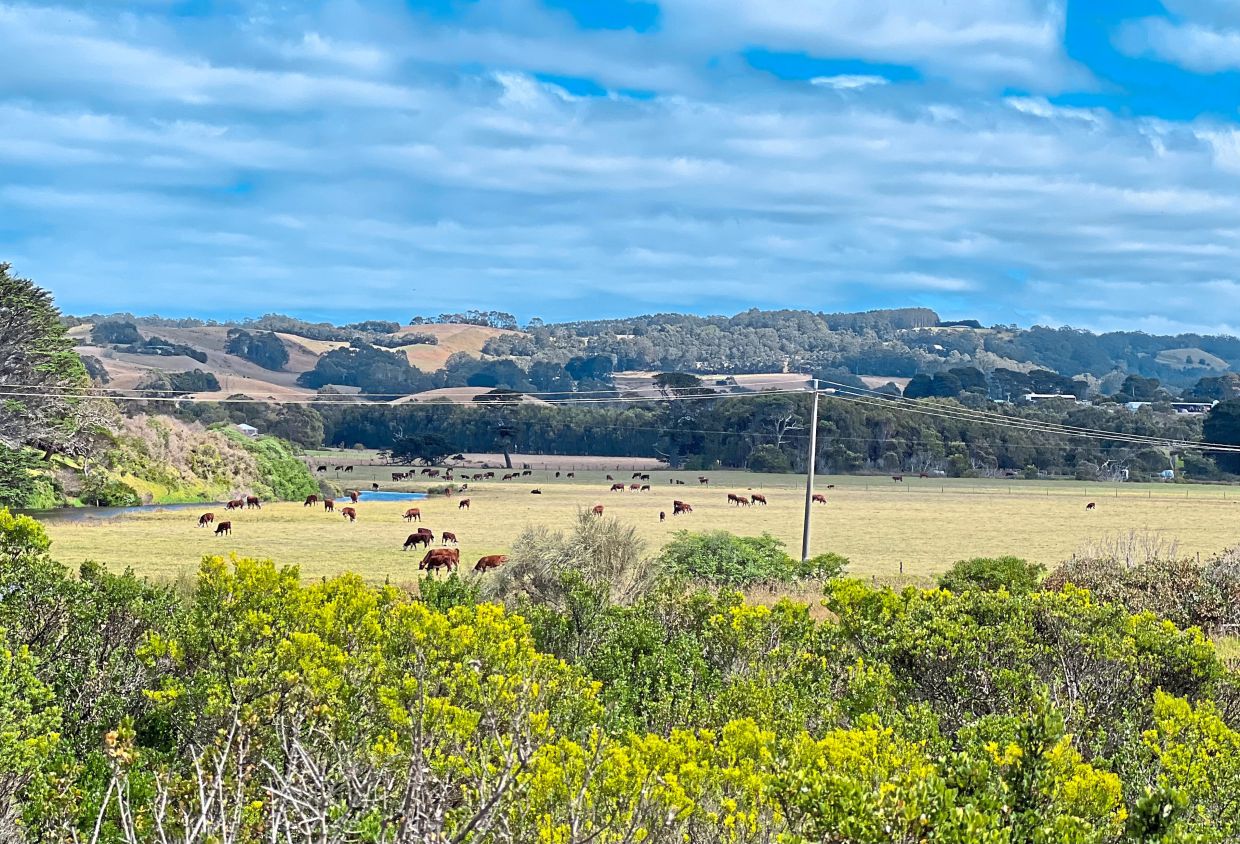
During the walk, she painted a vivid picture of the past, describing how this vast landscape was once farmland, where cows grazed in the meadow that stretched as far as the eye could see.
Some plants found in the area were valued for their medicinal properties, while others, like the vibrant “kangaroo grass”, played a role in Indigenous Australian cuisine.
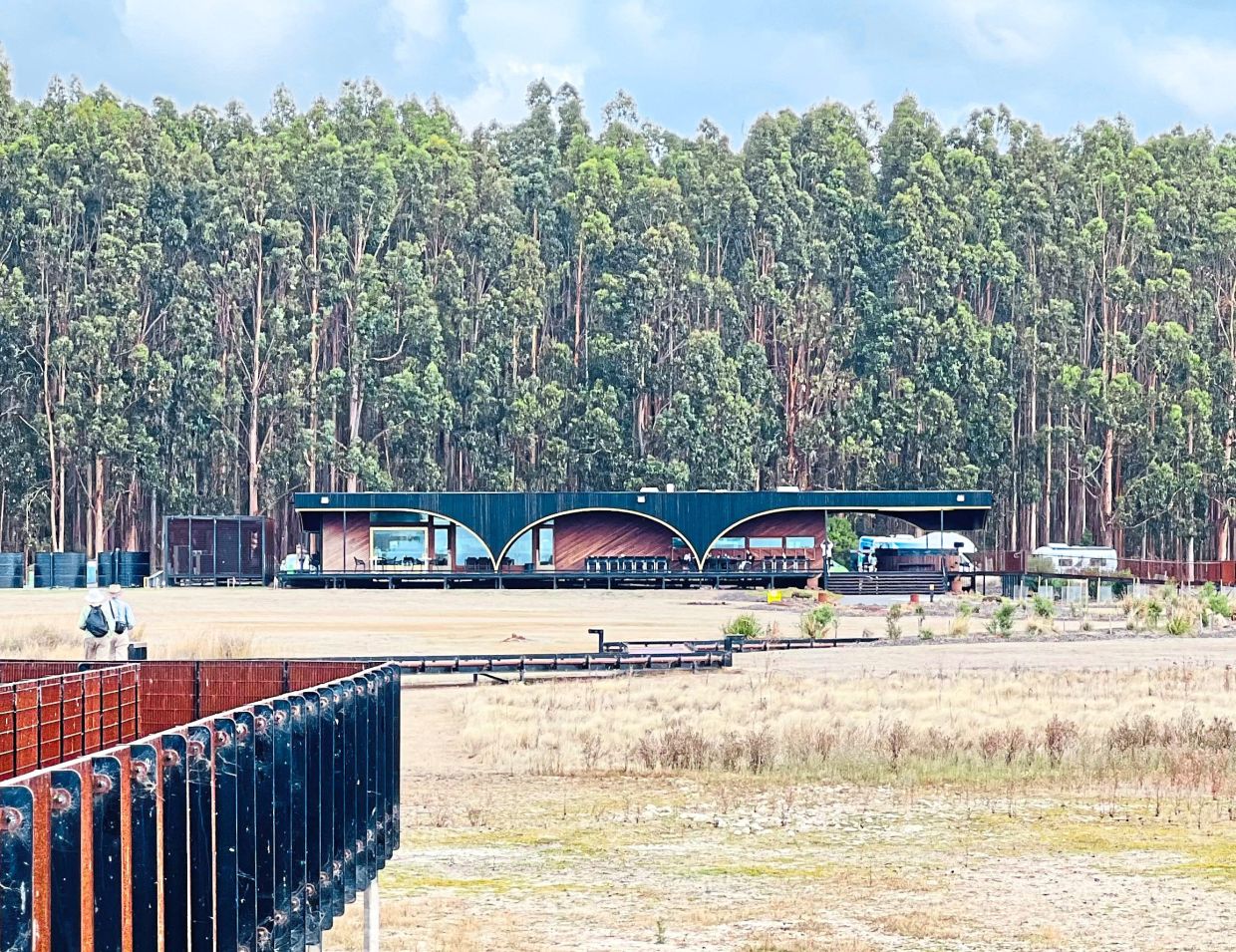
Trees planted about three decades ago have gradually created ecosystems that are now viable for the animals in the area. Today, Wildlife Wonders is home to over 100 species of birds and 14 species of mammals.
Just minutes into the tour, Sophie stopped and pointed up a eucalyptus tree, where a koala was curled up, soundly resting.
Then came a surprising fact: Koala excrement smells just like eucalyptus! And yes, we actually got to sniff some koala poo to check it out.
Despite spending nearly a whole day – up to 22 hours – snoozing away (what a life!), these sleepy creatures somehow manage to defecate an impressive 100 times (or more) a day.
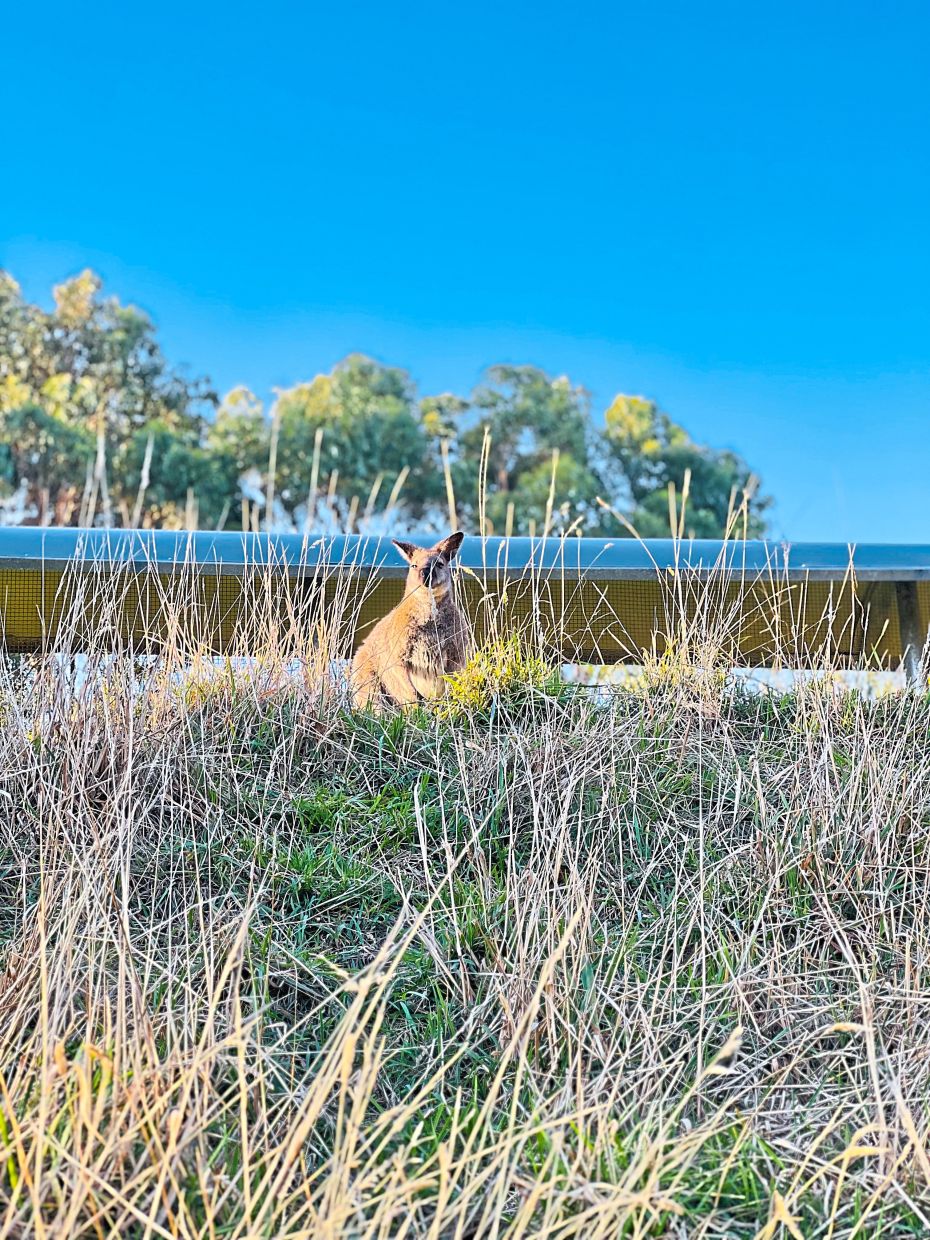
Wandering further down the trail, a curious wallaby hopped into our view, nibbling on leaves just a few steps away.
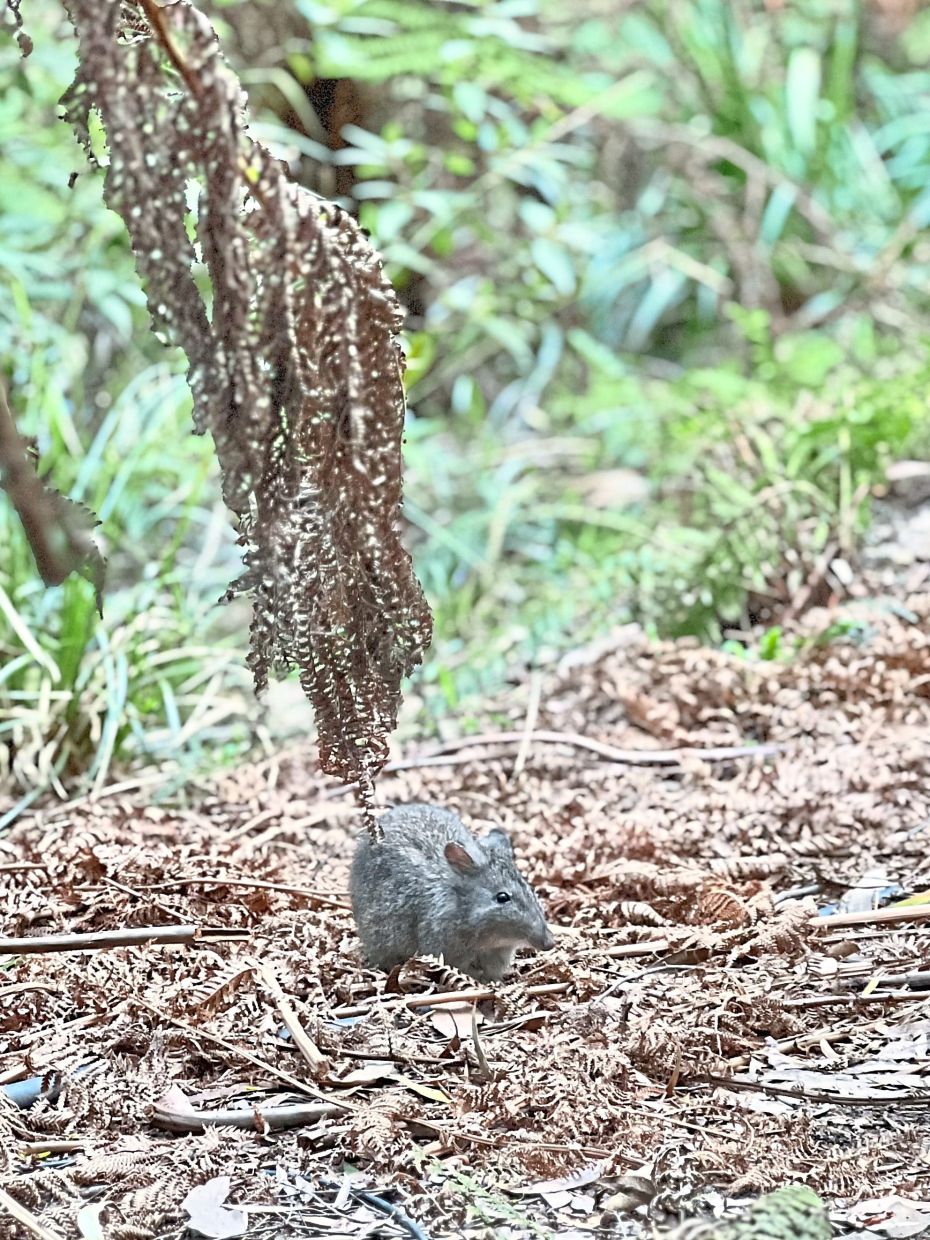
We caught sight of a potoroo – a tiny, kangaroo-like marsupial – scurrying across the ground. Nearby, another potoroo was busy burrowing, a natural behaviour that helps it find food and shelter.
Besides potoroos, you may also encounter bandicoots and pademelons here, both of which are native to Australia.
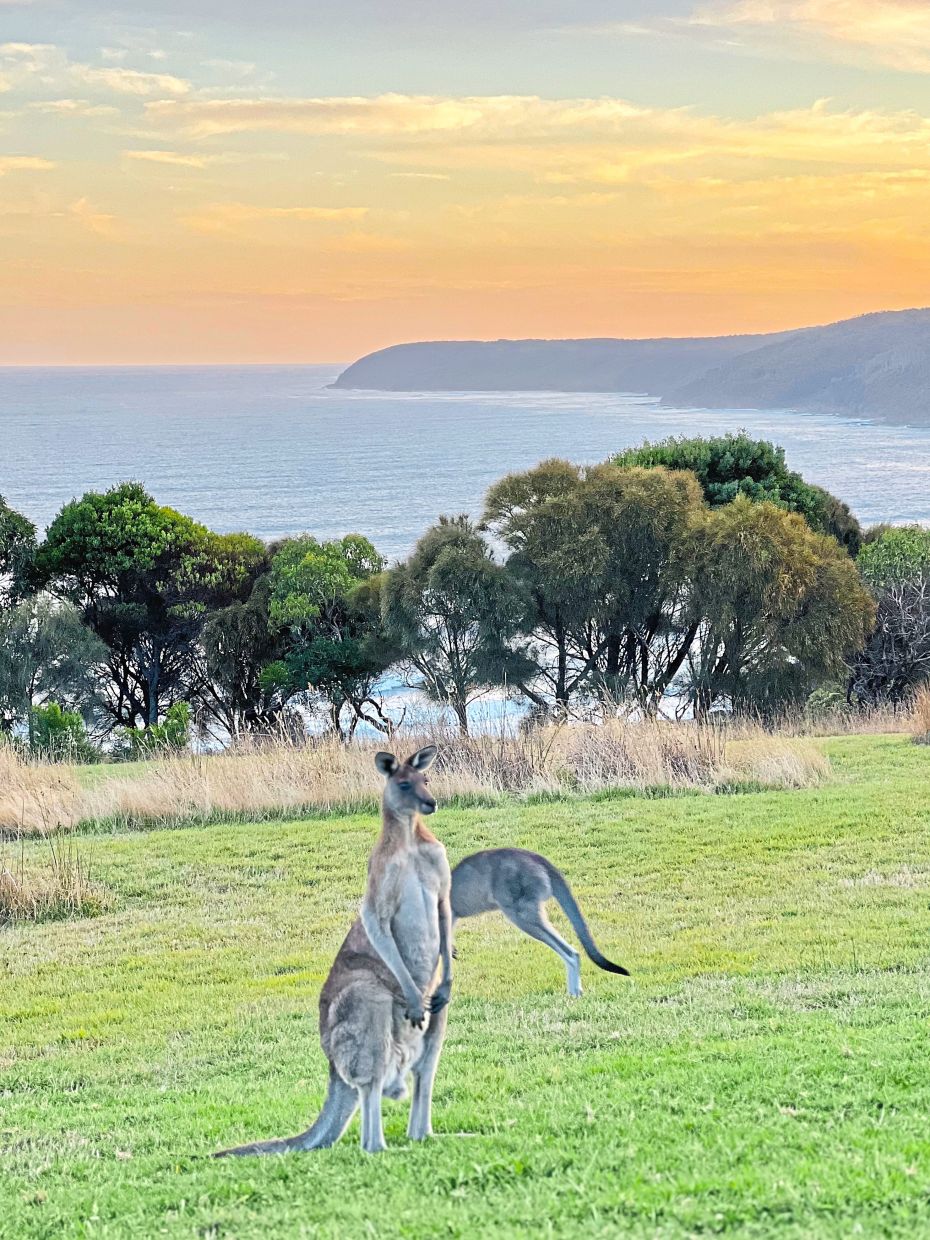
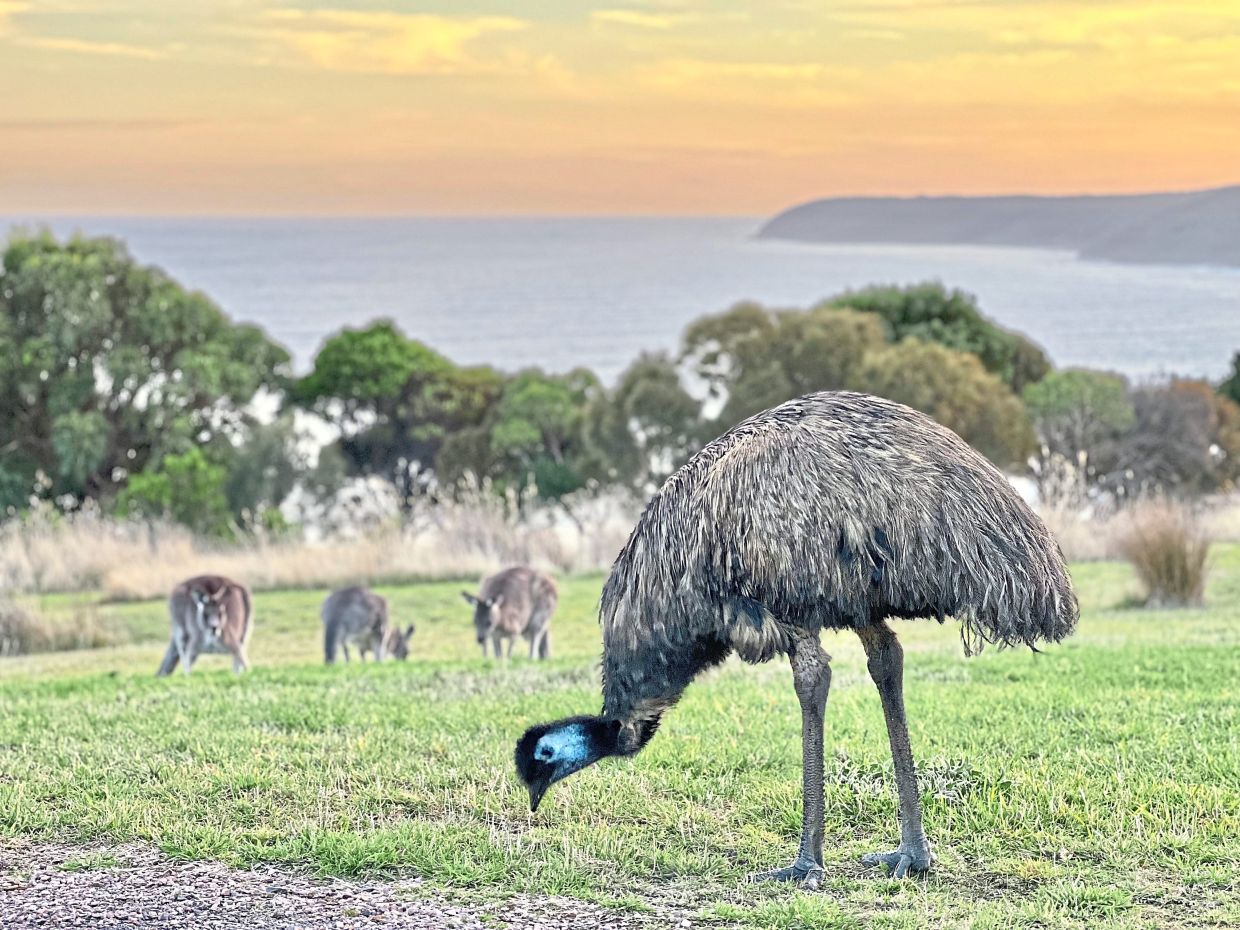
As the sun began its descent on the horizon, kangaroos lounged and grazed in the pasture. It was the perfect way to wrap up our tour.
On the road
Dozens of camper trailers, RVs and campervans filled the Marengo Family Caravan Park, where we would be spending the night. Each of the motorhomes parked in a numbered site with power and water hookups. It’s important to note that campsites must be booked in advance.
Once we settled in, we unpacked the cables from the side compartment and connected them to the utility pedestal to fill the water tank, power the generator, and drain the “grey” (or used) water – getting everything set up to make our RV feel like home.
Our vehicle features all the essentials of a house, but on a much smaller scale, obviously. It has a kitchen, a compact toilet with a shower, and an awning attached to its side to give you some outdoor space.
Storage is limited, though, so we did have to pack light for the trip. Even though some medium or even large-sized suitcases can fit into the RV, you may not have much space left to move around comfortably.
Our RV can sleep up to six people, with three beds in total. The dining seat transforms into one bed, while the sofa pulls out into another. The third is an “overcab” bed, located right above the driver and passenger seats.
The latter was my bed of choice. I loved the cosy feel of it. That said, there wasn’t enough headroom to sit up without hunching over. So, if you’re not a fan of tight spaces – or you’re pretty tall – one of the converted beds might be a better fit.
One of the perks of staying in this park is the chance to stargaze. With clear skies, it’s easy to witness the astronomical spectacle here.
As night fell, the sky came alive with clusters of stars, and the Milky Way stretched brightly among them. I joined other campers outside to capture the glowing streak against the endless sea of stars with our phone cameras.
Tip: For the best shot, manually set your phone’s exposure to 10 or 30 seconds. Once you’ve framed the scene, place it on a stable surface or use a stabiliser (like a tripod) to keep it steady.
Out and about
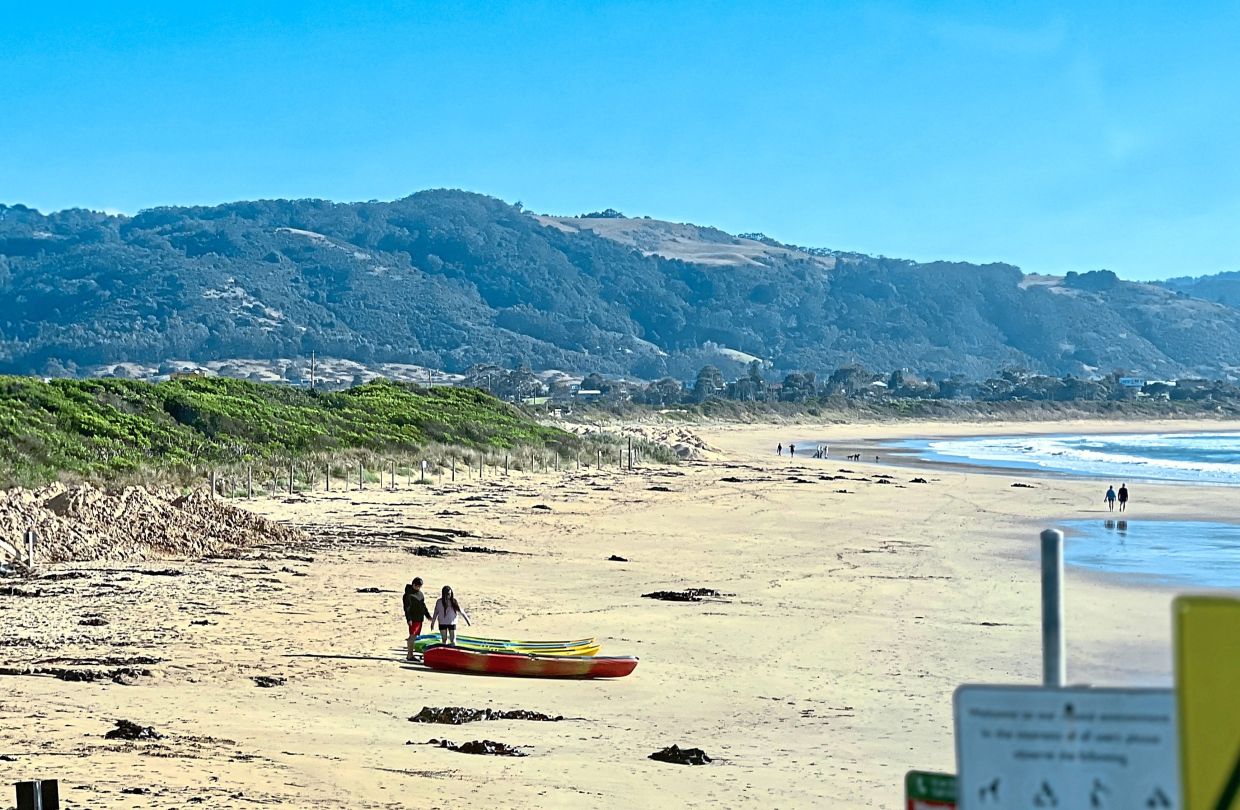
The next day, our adventure took us just outside the park, where we joined a guided kayak tour with Apollo Bay Surf & Kayak through the Marengo Marine Sanctuary. This is a nature preserve teeming with marine life, and the highlight of the tour was to visit a colony of Australian fur seals.
This wasn’t a typical, peaceful kayak ride, however. With waves rolling in from the ocean, we had to brace ourselves for the turbulent journey ahead.
Our guide, Andy, gave us a warning before we launched: “Leave your belongings behind unless you don’t mind them getting washed away if the kayak flips.”
As we set out, the kayak swayed gently beneath us, and we paddled leisurely for about 20 minutes. As we neared the surf zone, the waves grew stronger, forcing us to paddle harder.
Fortunately, I was among those who made it through the waves with little trouble. But when we saw no sign of the others after a while, we were worried. Moments later, they finally appeared, and we erupted in cheers out of pure relief.
Our journey resumed. Then, a scent hit us. We smelled something ... fishy. It turns out that it was seal scat.
Andy told us, “You can usually ‘smell’ the seal before you see them.” Sure enough, as we approached the rocky reef, we spotted hundreds of them basking in the sun, with some diving into the water, twisting and splashing playfully. Their barks echoed, making the whole sight feel even more surreal.
Andy explained that they were teenage males, just hanging out until they were old enough to venture off to other islands in search of females for mating.
He said their curious nature meant they might swim right up to our kayaks. A few bold ones did swim around us, popping their heads up every now and then.
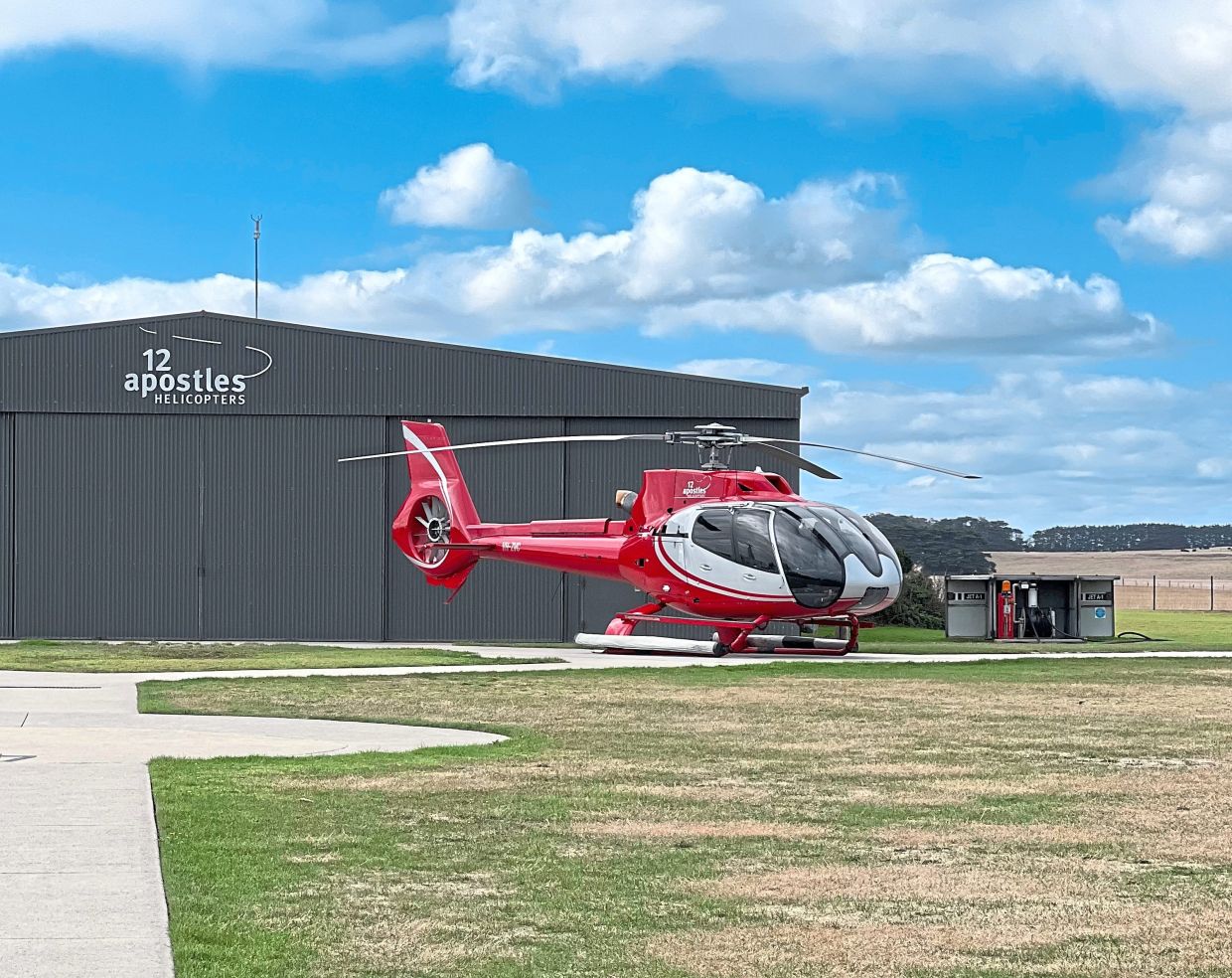
Nearly an hour later, we again hit the road toward our next activity – a helicopter ride – at Port Campbell, about 90km away.
The ride, a service by Twelve Apostles Helicopters, is an interesting way of viewing one of Australia’s iconic landmarks: The Twelve Apostles.
We were given a quick safety briefing after collecting our tickets at the visitor centre, during which we were suddenly interrupted by the roaring sound of an approaching helicopter.
The helicopter seats seven passengers. The crew fitted us with headsets and secured our seatbelts once we were onboard, and we lifted off the ground moments later, rising over the Southern Ocean. Below us, the rugged coastline unfolded.
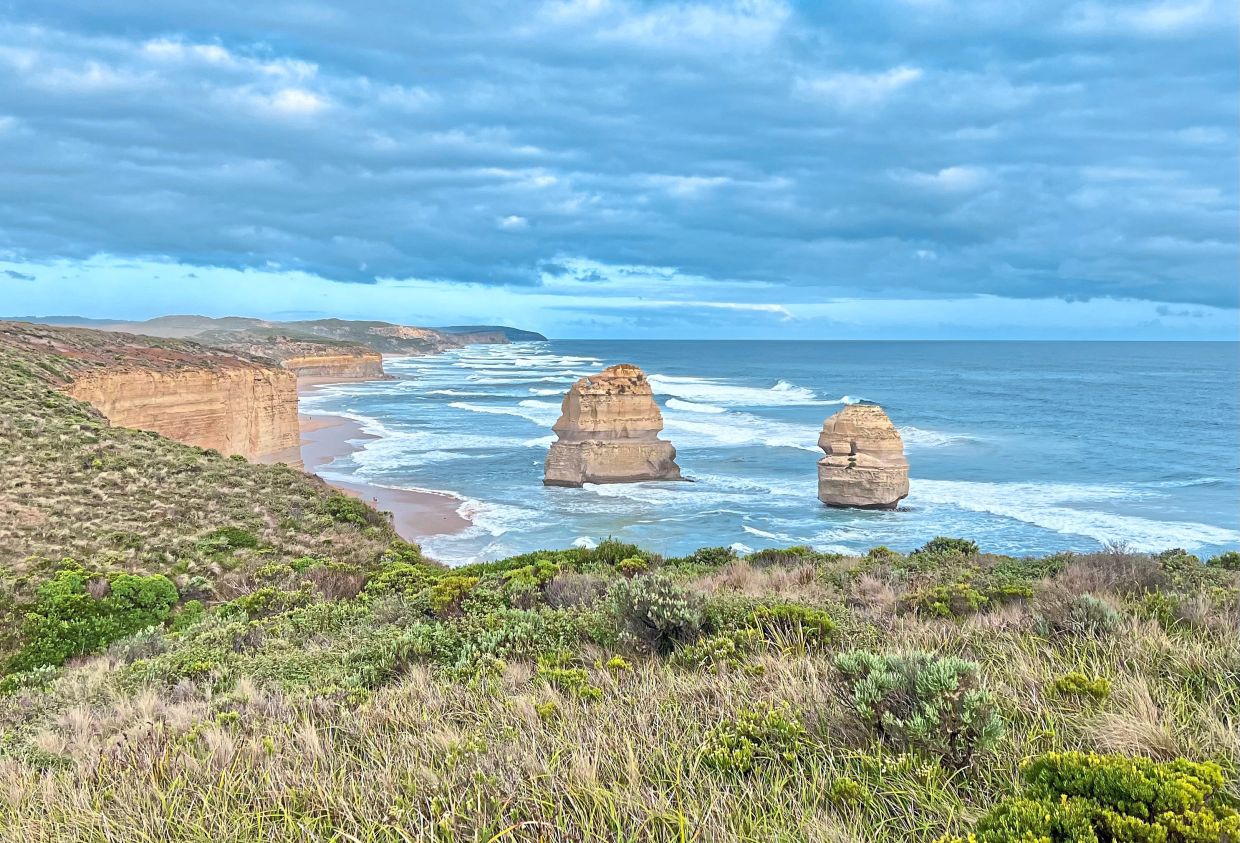
Our pilot, George, shared details of the limestone stacks during the 16-minute flight. These massive formations were sculpted over thousands of years by the tides. Despite the name “Twelve Apostles”, only seven remain standing today. Among them are Loch Ard Gorge, the Gibson Steps and London Bridge.
After our thrilling ride, we took to the road again to the Port Campbell Recreation Reserve, where we’d spend our final two nights.
Ancient traditions
Located just two hours from our new campsite is the Budj Bim Cultural Landscape, home to one of the world’s oldest aquaculture systems. This is where the Gunditjmara people have been cultivating kooyang (eel) for over 6,000 years.
A volcanic eruption over 37,000 years ago created a lava flow that allowed the Gunditjmara to build a sophisticated network of channels and dams. These structures help direct water flow and create basins to trap, store, and harvest kooyang.
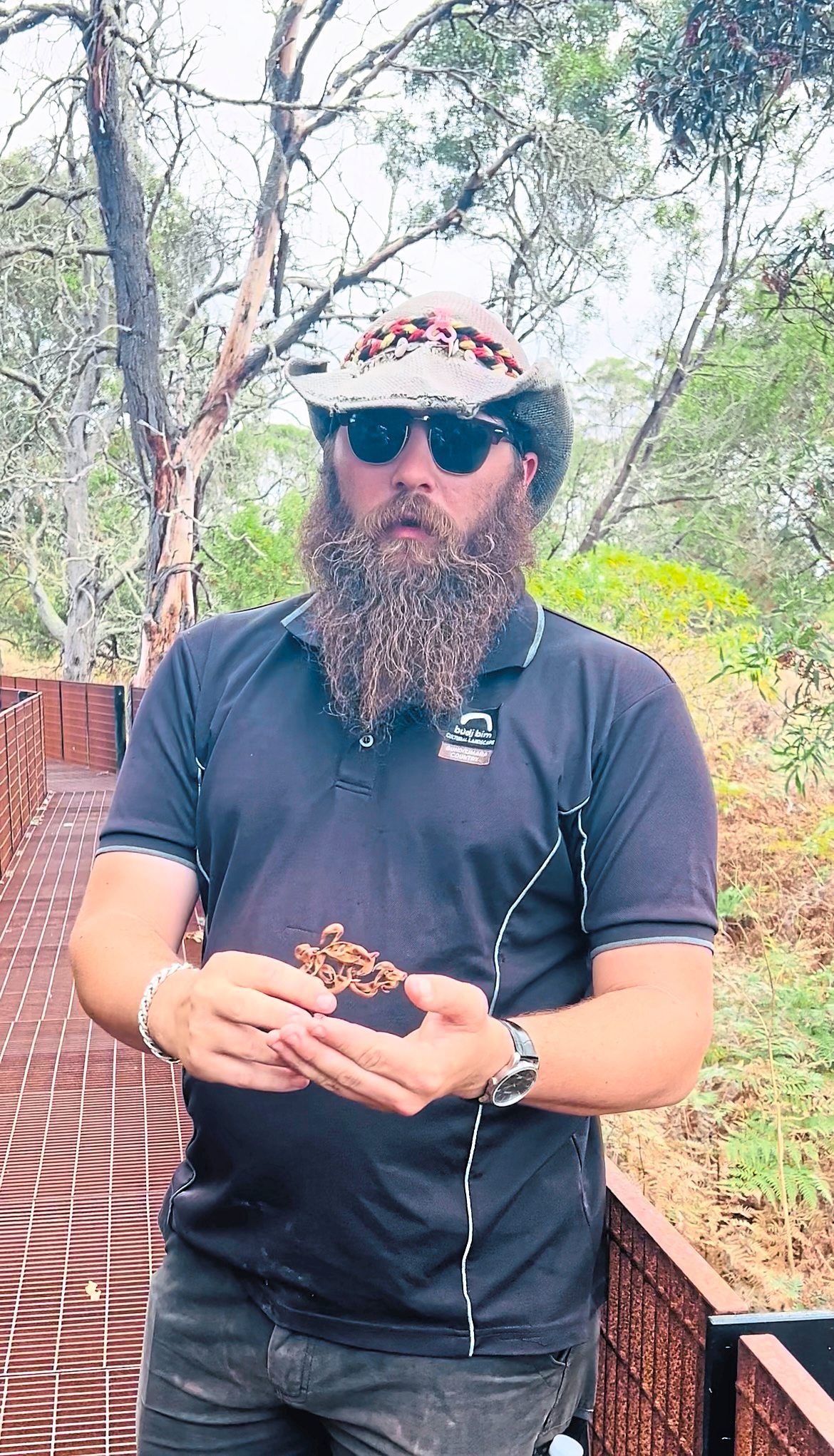
Kooyang became a crucial element in the Indigenous people’s livelihood, not only as a staple but also a valuable commodity for trade.
We had the opportunity to explore the Budj Bim Cultural Landscape on a guided tour led by a Gunditjmara local, who knew the area like the back of his hand.
In 2019, this traditional landscape was added to the Unesco World Heritage Site List.
We learned about the fascinating life cycle of eels. The fish spend up to 20 years in Tae Rak (Lake Condah), where they grow and mature in the freshwater.
When the time comes, they make their journey back to the sea to spawn. This is their whole life’s purpose; they die after that. According to the guide, this natural phenomenon has been a significant part of the Gunditjmara people’s history and culture.
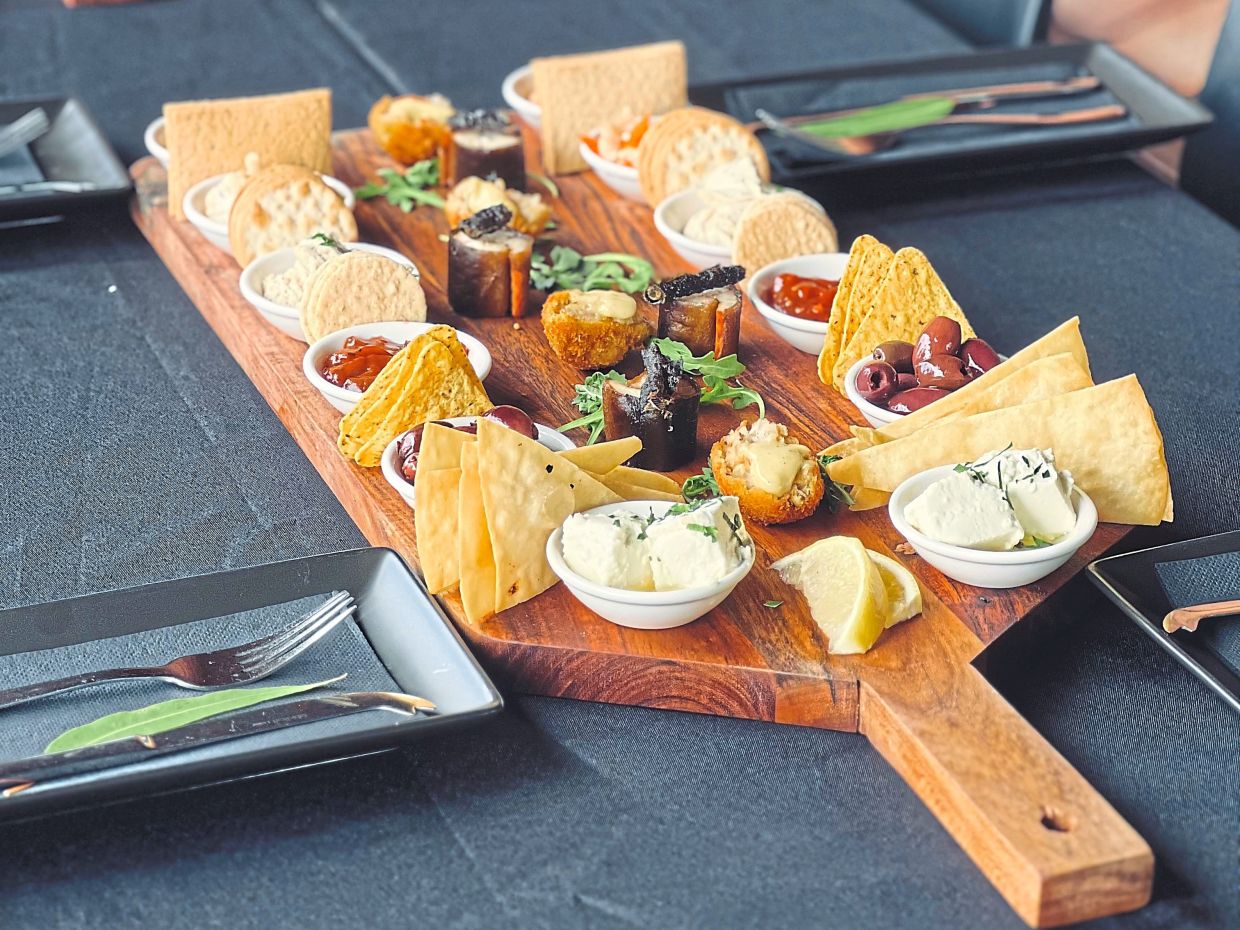
Before heading to our next location, the Kurtonitj Indigenous Protected Area, we first indulged in a kooyang tasting platter, while enjoying the view of the picturesque Lake Condah. The food was prepared using traditional Indigenous techniques and flavours.
At Kurtonitj, an expansive marshland between the volcanic plain and the sea, we came across a massive seasonal calendar carved into the ground, used by the Gunditjmara to track eel migrations.
There, we also saw an “eel-smoking tree” – part of which had been struck by lightning many years ago. Our guide explained that this tree functioned like a modern oven back in the day, as it was used to smoke the eels to preserve them for longer storage and trade.
Exploring the rich culture of the Gunditjmara people provided a deeper understanding of Australia’s ancient traditions and profound connection to nature.
Travel notes
Getting there: AirAsia X operates six flights weekly to Melbourne Airport from Kuala Lumpur International Airport (T2), with the frequency set to increase in the months to come.
Visa: International visitors must first apply for an Electronic Travel Authority (ETA) via the Australian ETA app before obtaining a Visitor Visa, which is valid for up to 12 months, through the Department Of Home Affairs website. It is recommended that you do this at least one month before your travel date.
Where to park your RV: There are various campsites available within the Great Ocean Road region. Among them are the Marengo Family Caravan Park and Port Campbell Recreation Reserve. Malaysians don’t need to apply for an international driver’s licence, as long as they have a valid licence from their home country.
Self-drive tour in Victoria, Australia

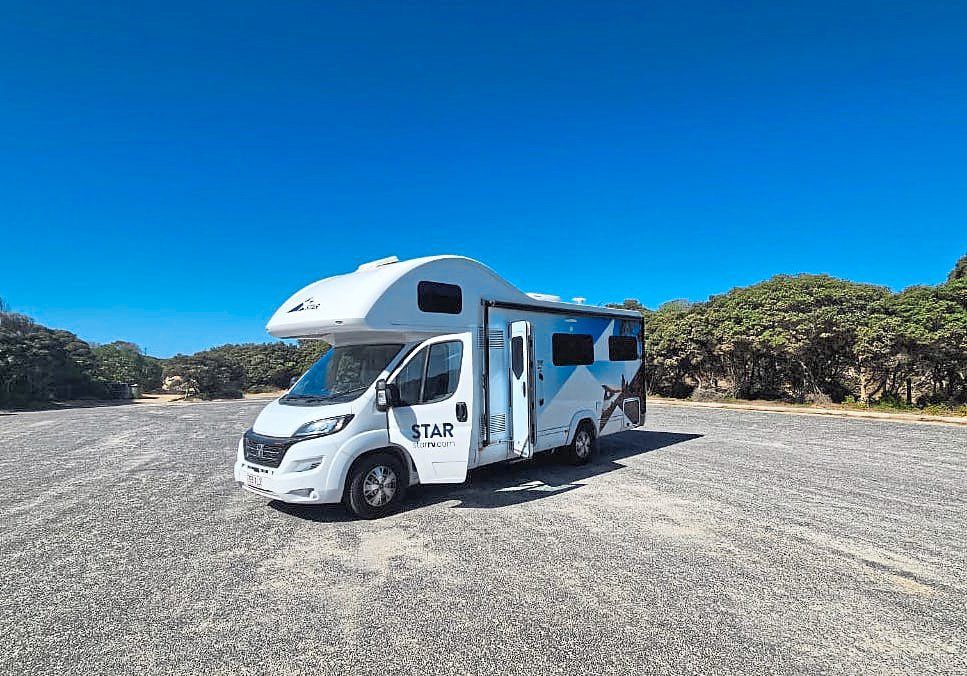
Touring Australia in an RV is pretty easy and you'll get to see loads of wonderful sceneries along the way. — SHAHFUL SHAFIQ
Bells Beach is the perfect stopover for coastal viewing. — Photos: GISELE SOO/The Star
A helicopter ride is a great way to view the Twelve Apostles formations.
Enjoy the freedom to roam with Star RV in Australia. — SHAHFUL SHAFIQ
When in the region, it is a must to embark on a kayak adventure to visit the Australian fur seals.
Marengo Family Caravan Park is among the various campsites in the Great Ocean Road region.
There’s no better place to learn about native Australian animals than at Wildlife Wonders.
Spot some adorable potoroos at Wildlife Wonders.
The Australian National Surfing Museum is a great place to discover Great Ocean Road's surfing heritage.
Savour the breathtaking natural landscape at the Marengo Family Caravan Park.
Driving here is never dull, thanks to the beautiful landscape.
Wildlife Wonders is home to various species of wildlife, including wallabys and koalas.
Learn all about the Gunditjmara people’s rich culture and history with an experienced local guide at Budj Bim Cultural Landscape.
Admire the natural landscape.
The Twelve Apostles is one of the most popular tourist attractions.
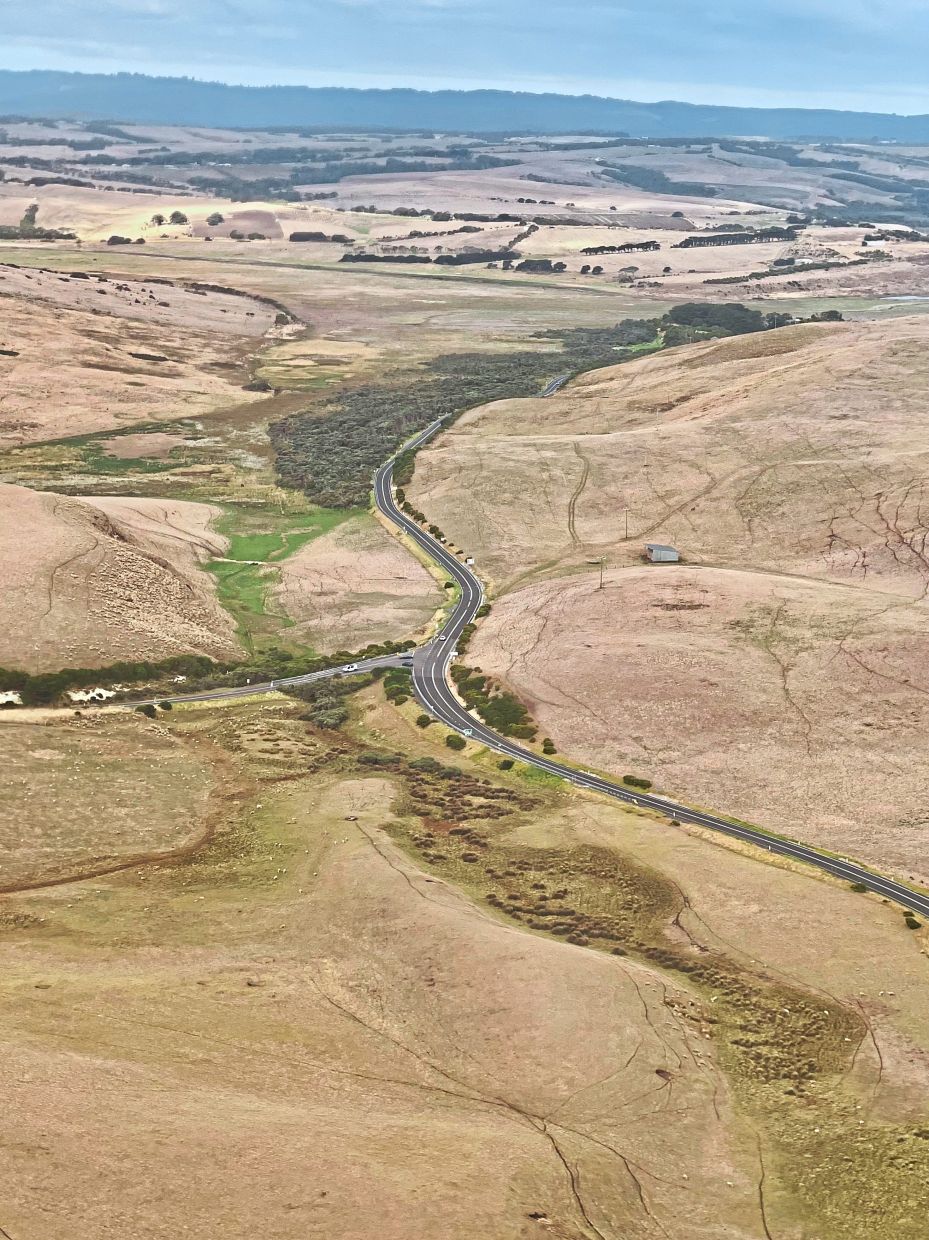
Revel in the views of the Twelve Apostles coast and hinterlands via the heli ride.
The Budj Bim Cultural Landscape is inscribed on the Unesco World Heritage Site list.
Visitors get to enjoy a tasty kooyang platter after the cultural tour.