Nobody likes getting stuck in traffic, especially when they’re driving a big ol’ tourist bus that’s harder to manoeuvre on curvy roads and lanes.
Our driver in Istanbul, Turkiye – a sweet older man who doesn’t really speak English but always tries his best to communicate with us in other ways – was so frustrated with the traffic one night he banged his head a few times on the steering wheel. He also made angry gestures with his hands, the same way most drivers in the Klang Valley would express themselves in the car after 5.30pm on weekdays.
But we understood how he felt. It had been a particularly long day for us all, having left our cosy hotel on the Asian (or Anatolian) side of Istanbul in the morning, and only heading back from the European side after dinner at around 10pm.
“The restaurant is actually not too far from our hotel. Maybe 5km or so. But traffic is very bad tonight,” said Mecit Bogday, our tour guide.
Once we got back to the hotel, I mustered whatever energy I had left and ventured outside for a bit. It was Saturday night, after all, and from what I remembered during my first trip to Istanbul in 2022, Turkish folks loved their weekends.
Plus, we were staying at the DoubleTree by Hilton Moda in Kadikoy, a flashy district with rich neighbourhoods and a great atmosphere. The hotel was a five-minute walk to the start of the trendy Moda quarter, and at 11pm on a chilly Saturday, it was certainly buzzing.
Bars, pubs, restaurants and cafes, especially on Kadife Street, were packed with patrons. The streets and alleys were full of people, and they weren’t all tourists, either. Walking around, I could hear more Turkish than other languages, including English.
Of course, when the waiters and vendors see me, they immediately switch and greet me with, “Hi lady! Good evening!”, which is far nicer than the usual “Ni hao” that I would get elsewhere around the world.
Being out alone at that hour felt very safe too, though you’d still have to be careful where you walk because cats and dogs can – and will – appear out of nowhere.
The jetty, also a five-minute walk from the hotel, is a nice place to hang out, too. But in late autumn, the nights are windy and can get very cold so you may want to check the place out earlier in the day instead.
The Metro station and ferry terminal are located here; take either one to travel between the two sides of Istanbul as it is not only cheaper, but faster too. But, if you’re travelling in a big group like us (13 people) then a tour bus is the more logical option.
Go West
“Turkiye is a transcontinental country. That means it is located on two continents – Asia and Europe,” said Bogday on the bus when we first arrived in the city. Our group had earlier taken AirAsia X’s inaugural direct flight from the Kuala Lumpur Interna-tional Airport Terminal 2 to Sabiha Gokcen International Airport in Istanbul. (Fun fact: Sabiha Gokcen is owned and operated by Malaysia Airports Holdings Berhad.)
The flight was nearly 11 hours, and we had spent another two hours or so at the airport in Istanbul in an event to celebrate the successful flight with AirAsia X folks. Needless to say, not many of us could pay attention to Bogday on the bus after that.
The few details I could retain were a repeat of what I had learned on my first visit. For example, Istanbul is known as the City of Seven Hills because it was historically built (during the Byzantine era) on hills to replicate Rome’s city structure.
You will mostly do the bulk of the “hill” climbing on the European side of Istanbul.
Turkiye is considered an Asian country because geographically, a large part of it is located in Asia. Similarly in Istanbul, the Bosphorus Strait divides the city into the two regions, with the Asian side being the larger area.
However, more people live and work on the European side.
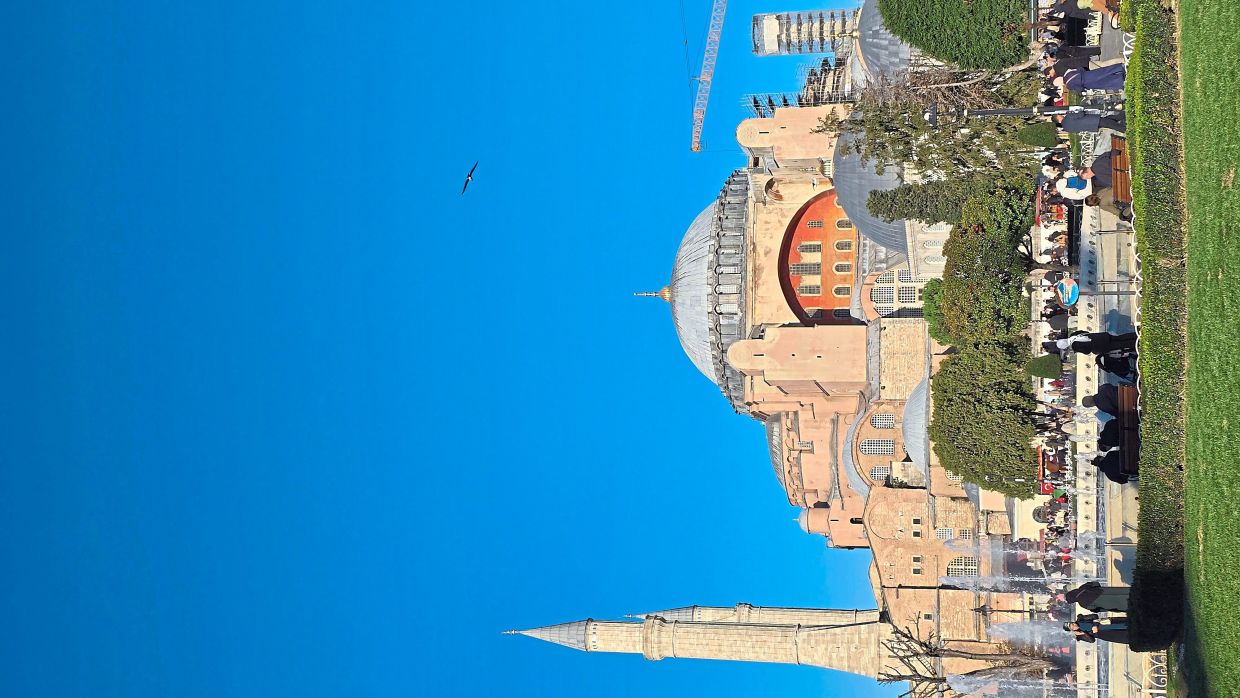
The city’s prominent historical attractions are also mostly located on the European side, making the area very popular among international tourists. Unesco Heritage Sites like the Sultanahmet Archaeological Park – comprising the Sultan Ahmed Mosque (commonly known as The Blue Mosque), Hagia Sophia, Hagia Irene, Little Hagia Sophia, Hippodrome and Topkapi Palace Museum – and Suleymaniye Mosque are all located on the European side, in an area known as the Historic Peninsula.
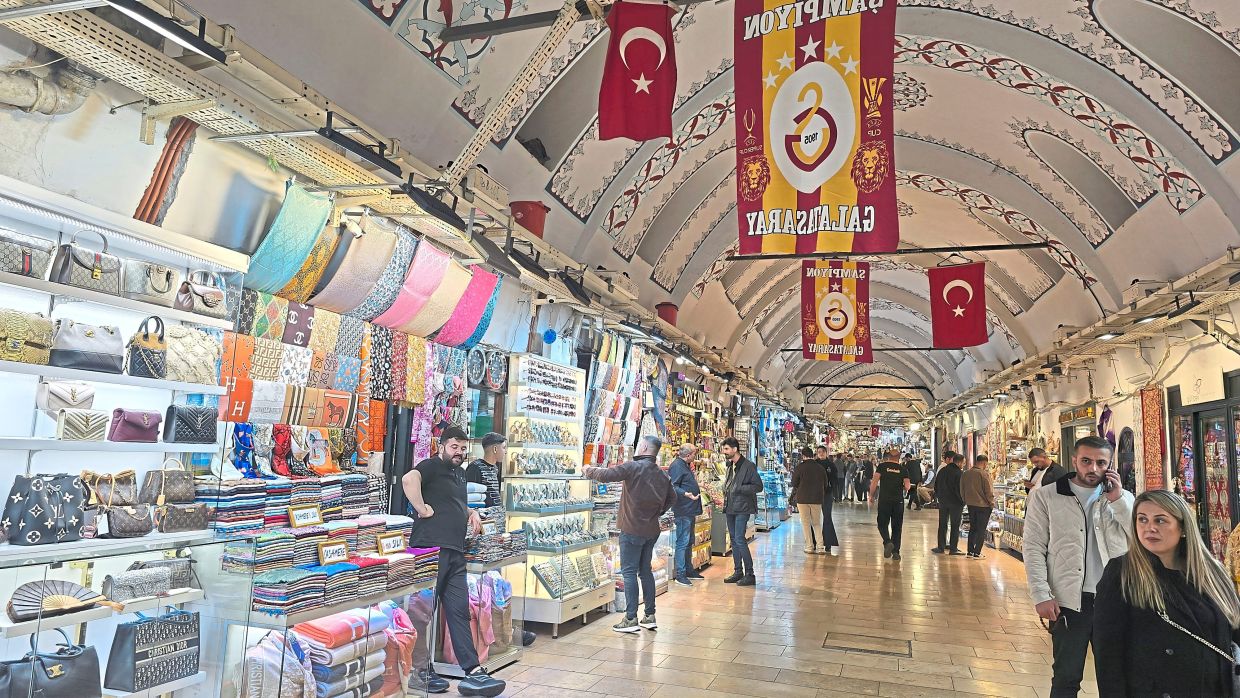
Alongside these, and also found within the Historic Peninsula, are the Basilica Cistern, Galata Tower and, Grand Bazaar and Spice Bazaar. Nearby are the famous shopping areas of Istiklal Caddesi and Taksim Square.
You need at least two days to quickly go through these attractions; add another day or two if you prefer to take your time and visit at a more leisurely pace.
Go to the Hagia Sophia History and Experience Museum (opened in 2023) before actually visiting the main building, especially if you’re not travelling with a guide. Powered by DEM Museums, this attraction takes visitors through the history of Hagia Sophia – all 1,700 years of it – via cutting-edge digital imagery and storytelling, complemented by physical artefacts.
The journey begins with the “founding of the Byzantine Empire, tracing the construction and transformation of the Hagia Sophia through time”, says its website. This is a ticketed museum; audio guides will be provided with several language options.
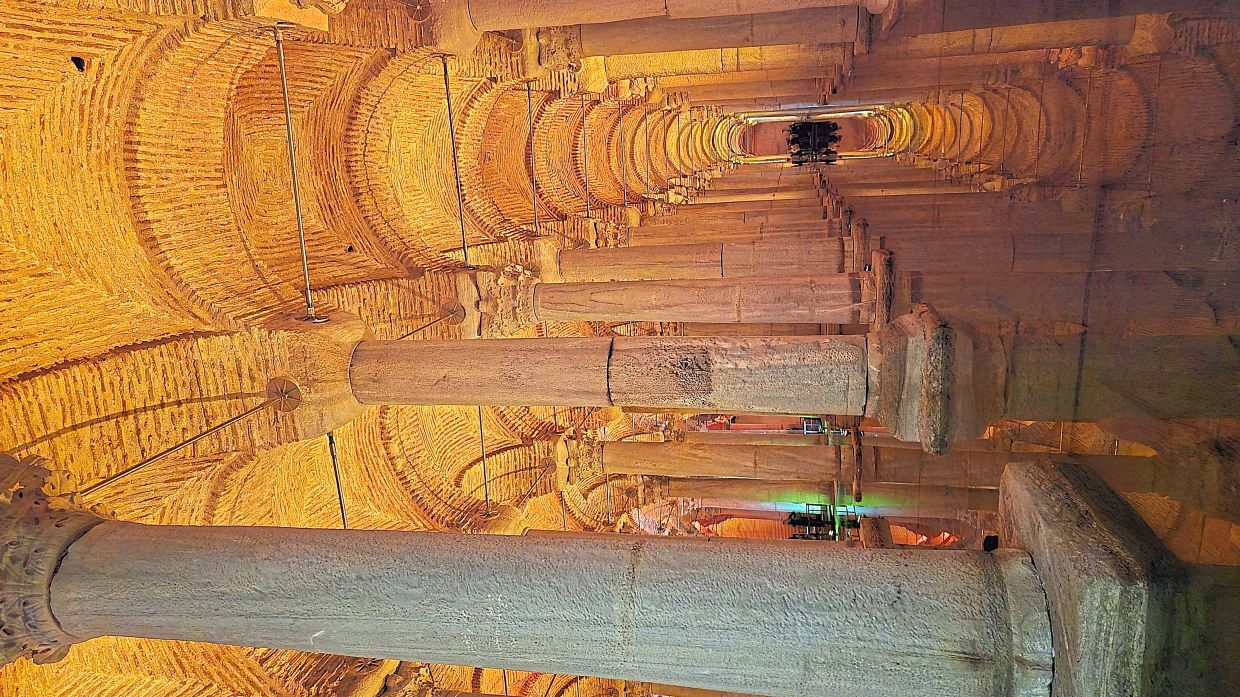
Nearby is the Basilica Cistern. This structure lies 12m underground, about 150m away from the Hagia Sophia. The cistern was built in the 6th century to store water for the city, and is today considered an ancient architectural marvel.
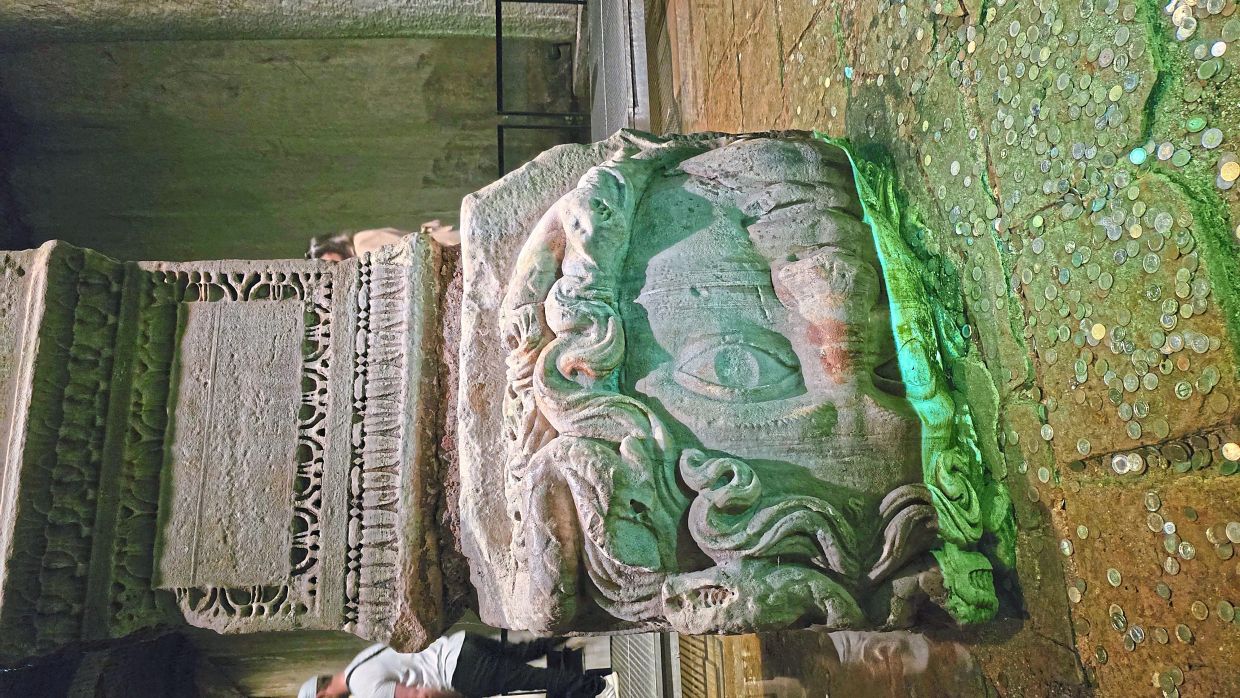
Some of its marble columns are said to be repurposed from ancient Greek and Roman temple ruins. Look out for the two pillars with Medusa heads on the base. These stone heads are shrouded in mystery as historians can’t seem to figure out where they came from.
In 1987, the cistern was opened to the public as a museum (you need a ticket to enter today; the price ranges between RM80 and RM100) and an event space. When we visited, we saw a few installation art pieces in between the columns.
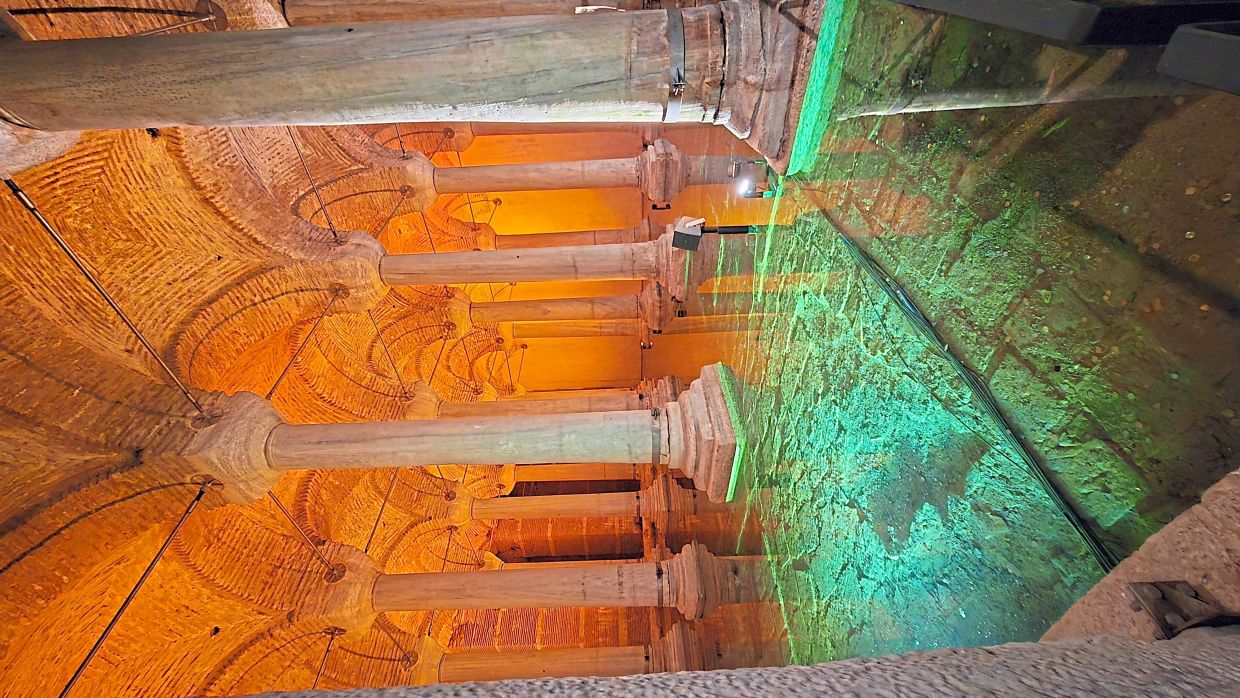
Bogday suggests having your wedding there ...
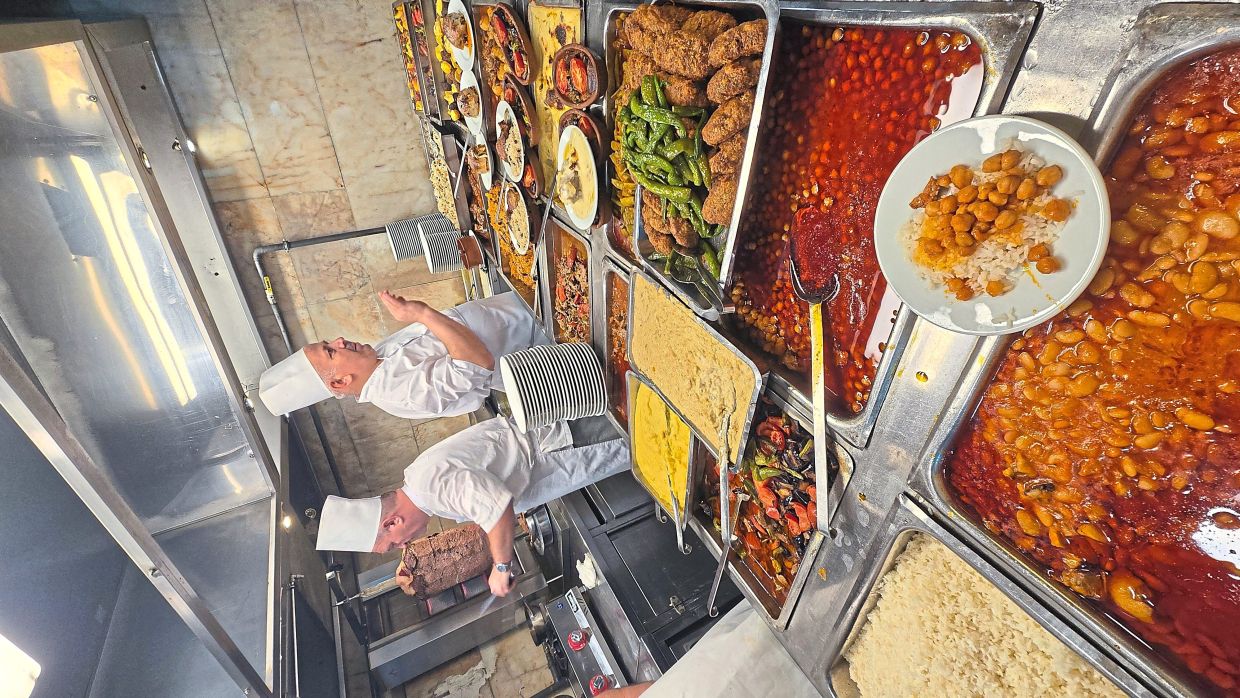
In between all the historical sites and shopping, make sure to tuck into some delicious Turkish fare – go for the rustic-looking restaurants with burly moustached men waiting to serve you at the counters.
Turkiye’s population is 99% Muslim (according to official government data), so food served in restaurants is “halal by default”, says the Visit Istanbul website. However, alcohol is sold at some eateries, though it is not used in food preparations.
Seafood is a big deal in the city but don’t expect your fish to be cooked or served the “Asian way”. Also, rice is not a staple in Turkiye, bread is.
My favourite snacks are borek, which is a filled filo pastry, and pide, a kind of Turkish pizza. Simit, similar to a pretzel but shaped like a bagel, is usually sold as a street snack – look for the cute carts in tourist spots.
Generally, Turkish food is not spicy so you may want to bring your own chilli sauce or sambal (which was what one travel mate did, thankfully!) if you’re visiting for longer than a week.
Desserts in Istanbul are definitely for the brave. Sure, they are tasty, but they are also very, very sweet.
Back to the East
Once you’re done with the European side of the city, take some time to enjoy Anatolia.
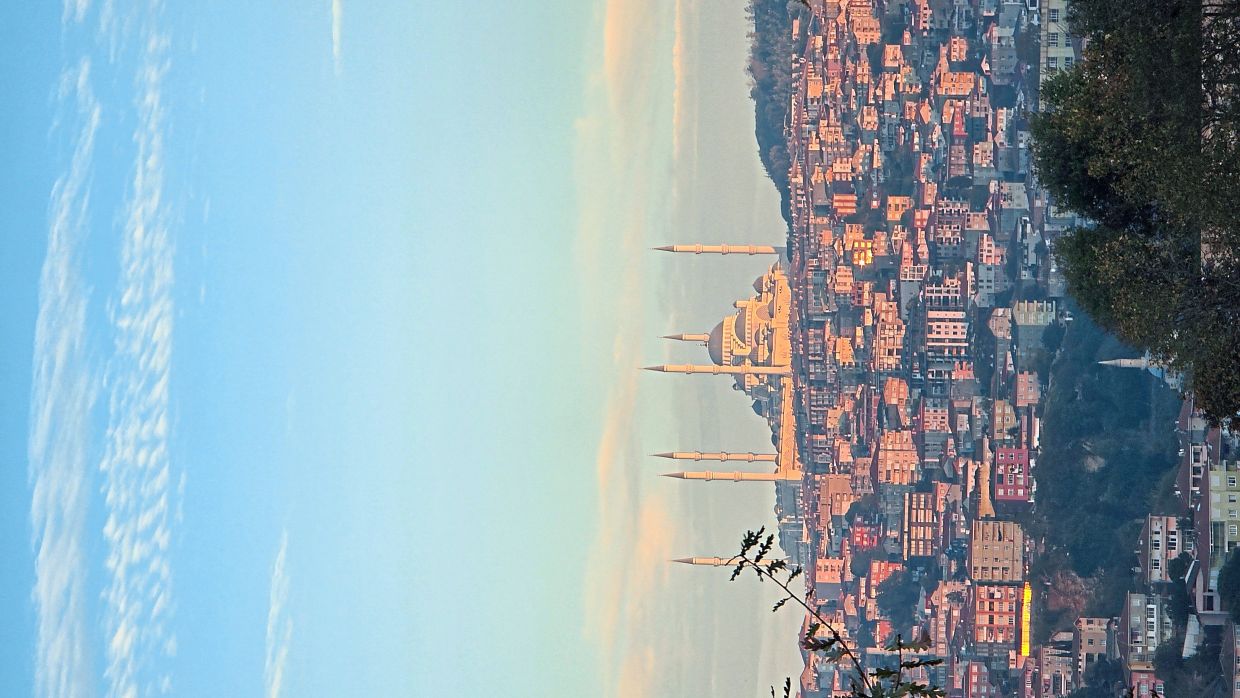
Head to the Buyuk Camlica Camii or Grand Camlica Mosque, Turkiye’s largest mosque (63,000 people!), located on Camlica Hill. “The word ‘buyuk’ means grand in Turkish,” Bogday educates us.
If you stand outside the mosque you will get a gorgeous panoramic view of the city. In fact, you can get a view of both sides of Istanbul from here.
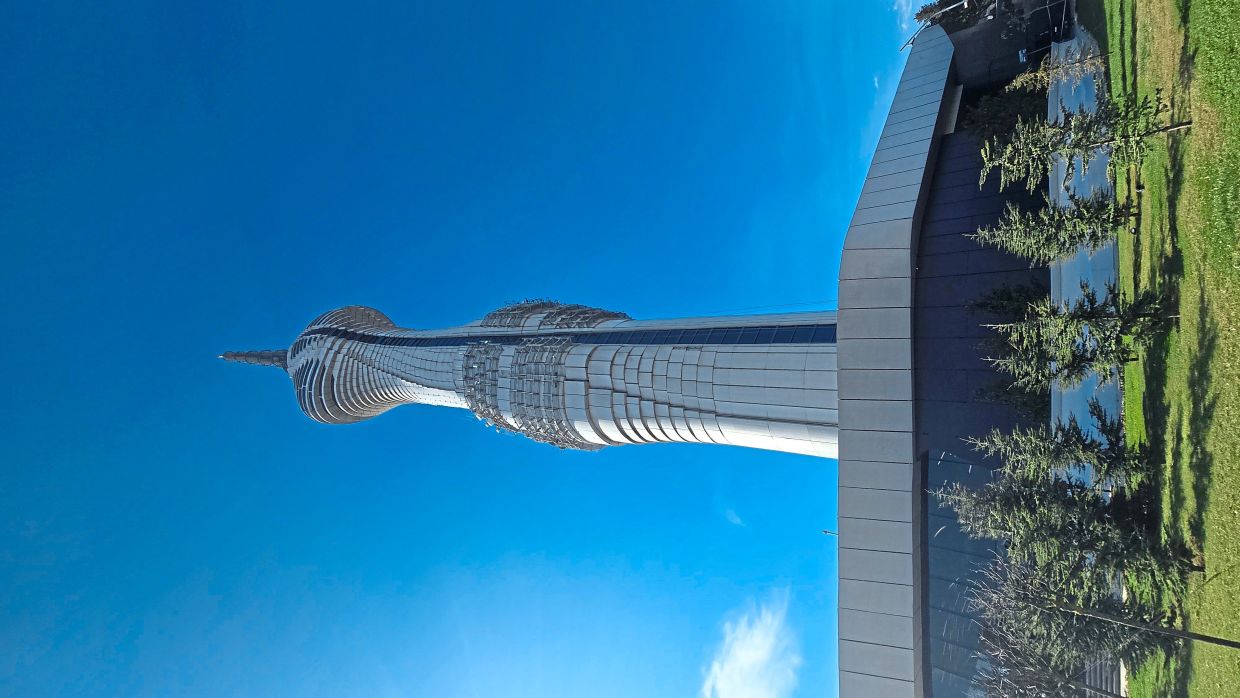
Just a few minutes away is one of Istanbul’s new-ish attraction, the Kucuk Camlica TV & Radio Tower or simply, the Camlica Tower. Standing at 369m (49 storeys), it is Istanbul’s tallest structure. It is essentially a telecommunications tower, but there are restaurants, a space mission gallery and activity centre, shops and an observation deck for visitors to check out.
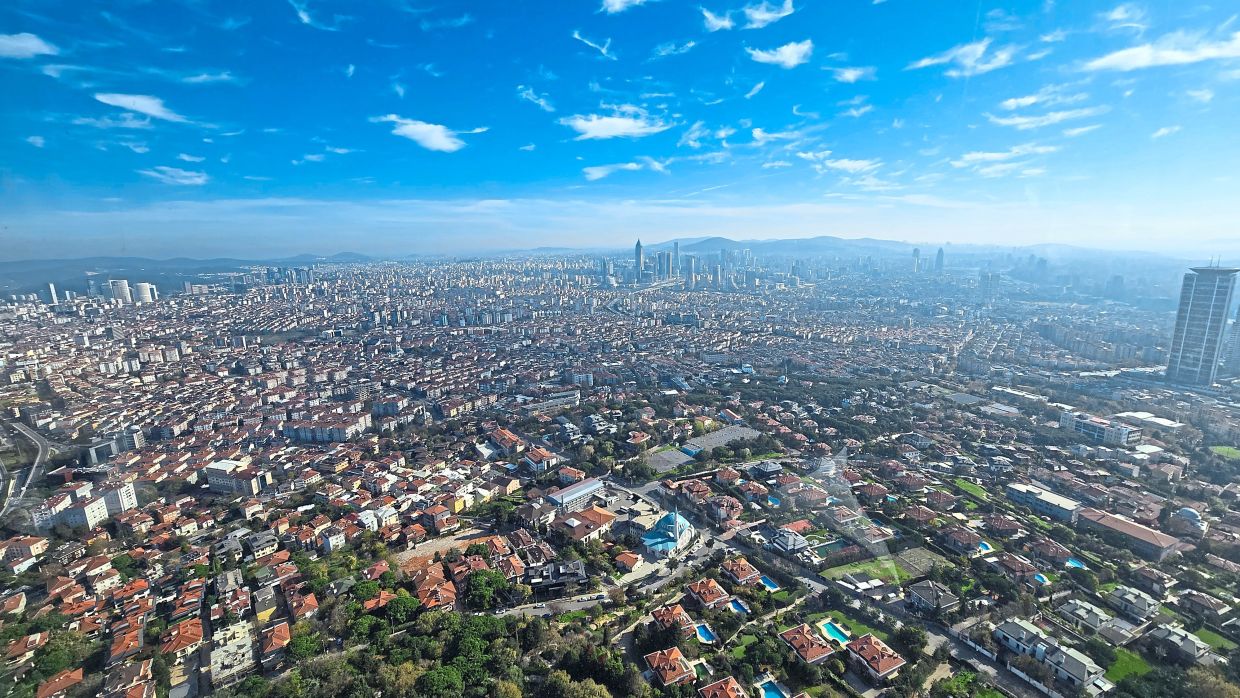
The deck is our favourite part of this place, as you can see the Uskudar district’s big houses and mansions from all the way up ...
There are lots of other attractions for tourists to check out on the Asian side, but to me, places like Moda in Kadikoy, and Kuzguncuk in Uskudar are great starting points if you’re interested in learning more about Turkish lifestyles, both modern and traditional.
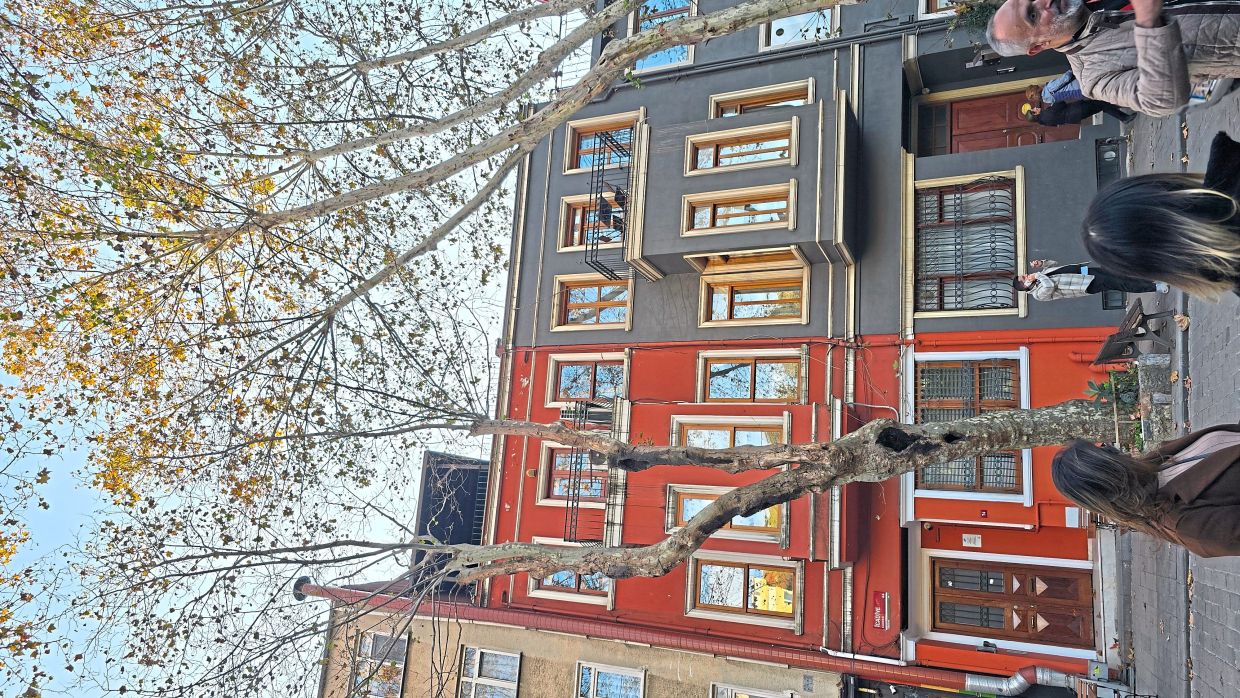
Kuzguncuk is located by the Bosphorus Strait, and in this neighbourhood you will see plenty of heritage buildings being repurposed for modern businesses, including all iterations of cafes you can think of – book cafes, cat cafes, flower cafes.
Not many international brand cafes, though, which is great. Always support local vendors, wherever you go.
If Kuzguncuk sounds gentrified, well that’s because it is. The increase in tourism is perhaps making the place more crowded each day. But I do believe the economic boost will improve the neighbourhood’s public infrastructure overall.
There’s a row of colourful heritage houses in between the alleys with “no photography” signs on most of the doors – but visitors gleefully ignore them and pose in front of the private homes for pictures and videos.
“Go ahead and take your pictures,” says Bogday, after showing us a banner on respecting the owners’ privacy that had been put up by the council.
I took a photo of the sign instead.
Meanwhile, at Moda I found a charming old shopping arcade called Akmar – so old it actually took me back to the malls of the 1990s in KL, but in a good way.
Akmar is a heaven for book lovers and fans of all things vintage. Most of the books are in Turkish, but you just need to dig a little to find books in other languages.
Or you could just ask the shopkeepers but where is the fun in that, right?
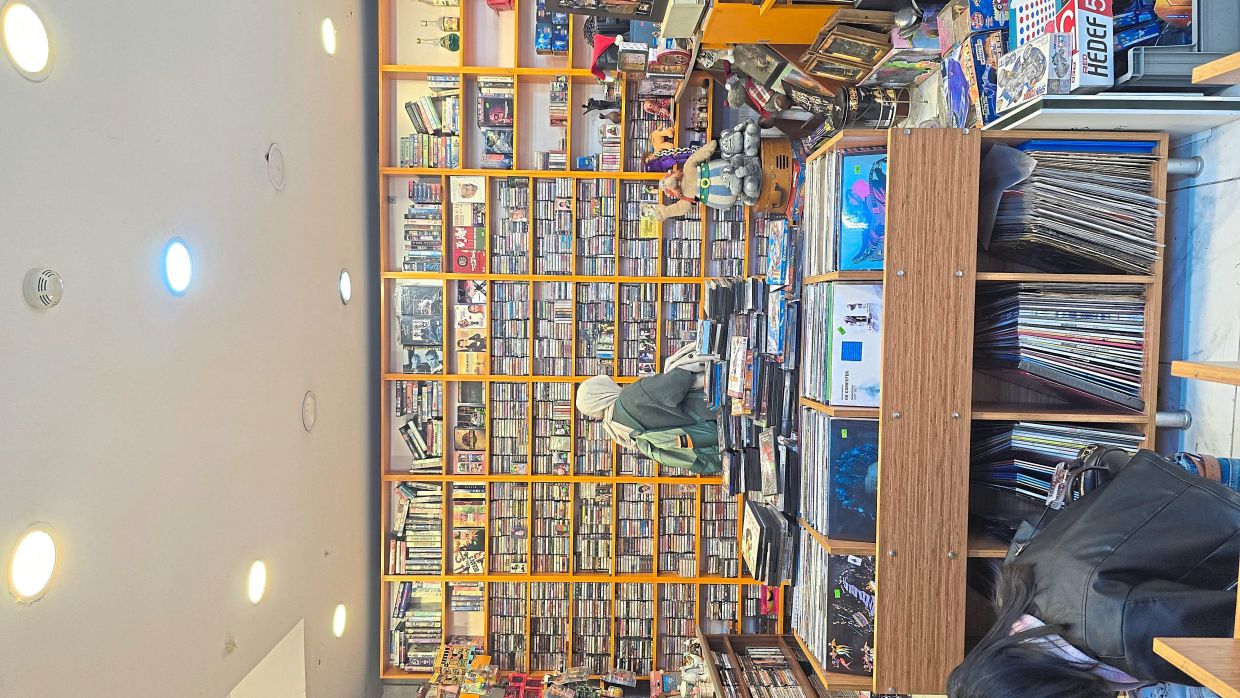
Music stores selling vinyl records, CDs and cassette tapes, as well as videotapes, old concert T-shirts and other relics can be found on the basement level.
Souvenirs are aplenty here too, as well as vintage toys and gadgets. In terms of price, Akmar is very affordable.
Kadikoy has become my favou-rite place in Istanbul as it gave me a glimpse into what the local lifestyle is like. I am sure a third visit will take me to another cool neighbourhood, though.
Yes, just like Malaysia, Istanbul is one destination that calls for repeated visits, as there are so many places to explore, and even more things to learn about and experience.
Travel notes
How to get there: AirAsia X flies direct from KLIA Terminal 2 to the Sabiha Gokcen International Airport four times weekly.
Where to stay: The Asian side has more affordable options, like the DoubleTree by Hilton Moda. For luxury stays, check out the hotels and rental properties located along the Bosphorus.
What to do: Spend a few days exploring and understanding the historical side of Istanbul, visiting as many famous landmarks as you can. Finish off by visiting art galleries, checking out the nightlife or go on a Bosphorus boat tour experience.
Currency: It’s an easy conversion – 10 Turkish lira is 95 sen so just round it up to RM1.
Two sides of Istanbul
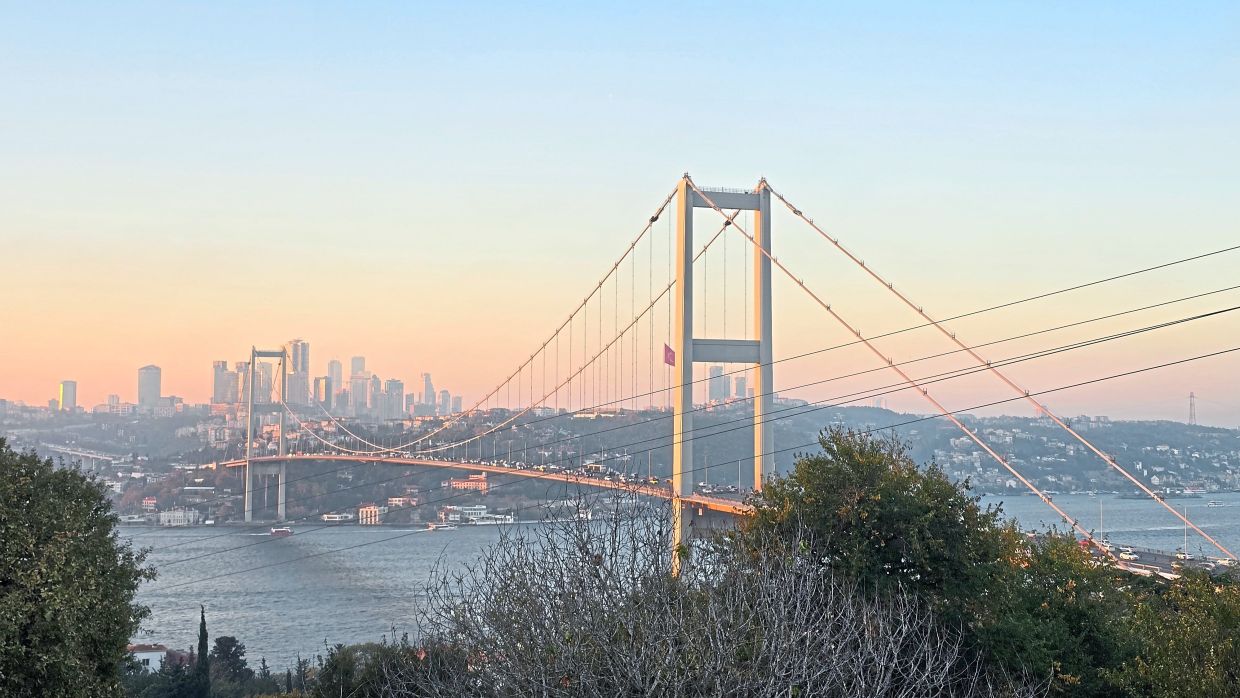
To get a beautiful shot of the Bosphorus Bridge, head to Nakkastepe Park just before sunset. — Photos: MELODY L. GOH/The Star
The lights in the Basilica Cistern changes every few minutes, so that visitors can get a better look at the columns.
The Basilica Cistern is an ancient architectural marvel.
One of two pillars in the Basilica Cistern with the Medusa head on the base.
It is always nice to visit the Hagia Sophia but the queue to get in is long, especially in the morning. Also, be sure to dress appropriately as it is a working mosque, after all.
It’s easy to get lost in the Grand Bazaar as there are over 4,000 shops.
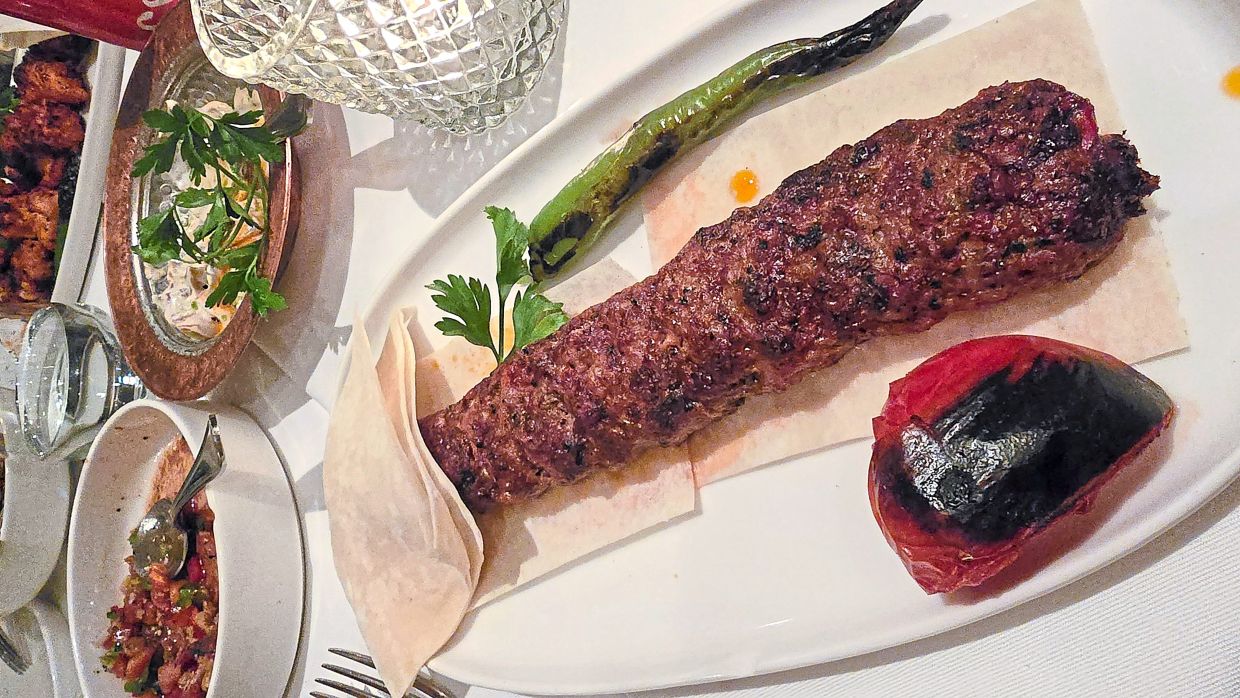
A kebab simply means grilled meat.
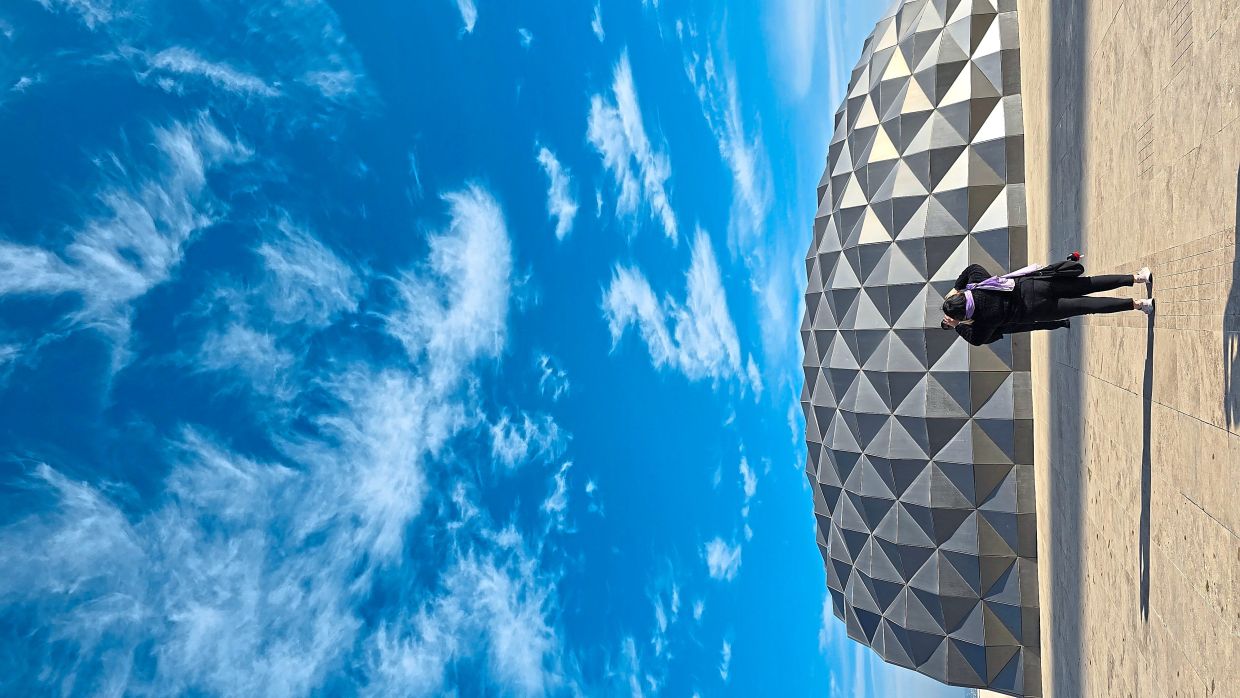
Outside the Camlica Mosque is a square where visitors can enjoy views of the city, and take tons of pictures.
From the observation deck at Camlica Tower, you can get a great panoramic view of the district.
Camlica Tower is the tallest structure in Istanbul.
Turkish food is flavourful, but the Malaysian palate might find it a little bland after a few days of eating it.
Kuzguncuk is a trendy, up-and-coming neighbourhood in Uskundur.
A view of the Grand Camlica Mosque at dusk from Nakasteppe Park.
One of the vintage music stores in Akmar.
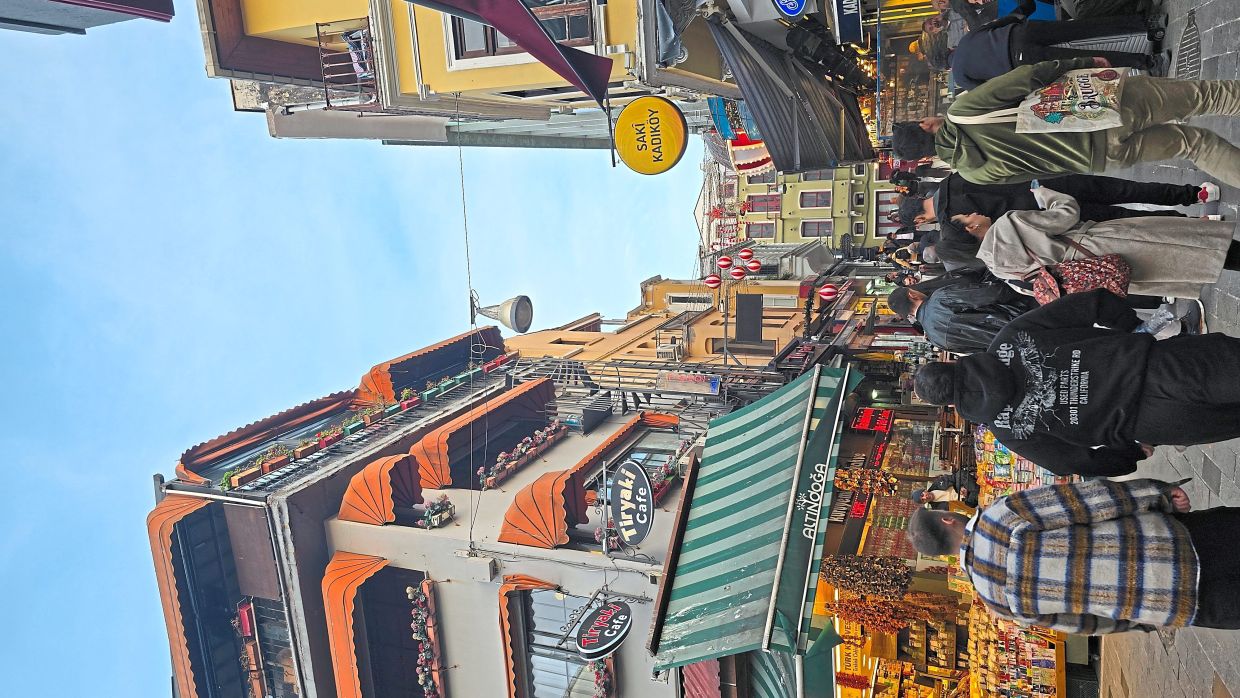
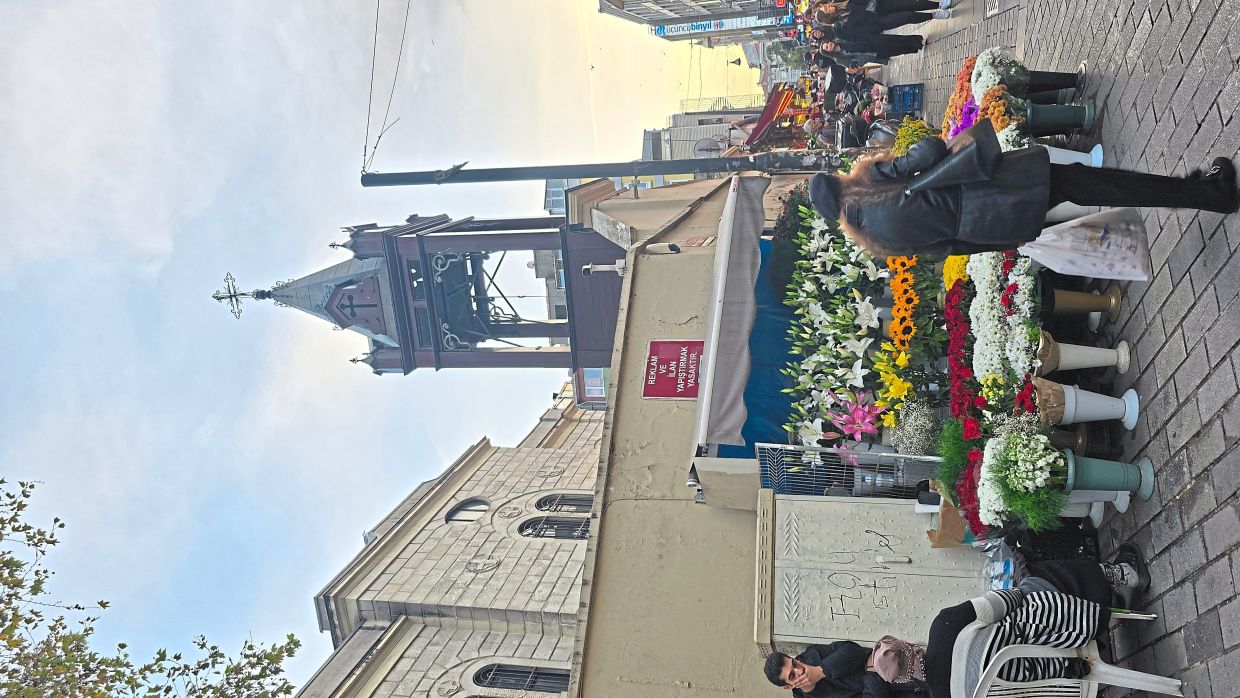
Moda is touristy, but not as crowded as Istiklal.
Moda in Kadikoy.
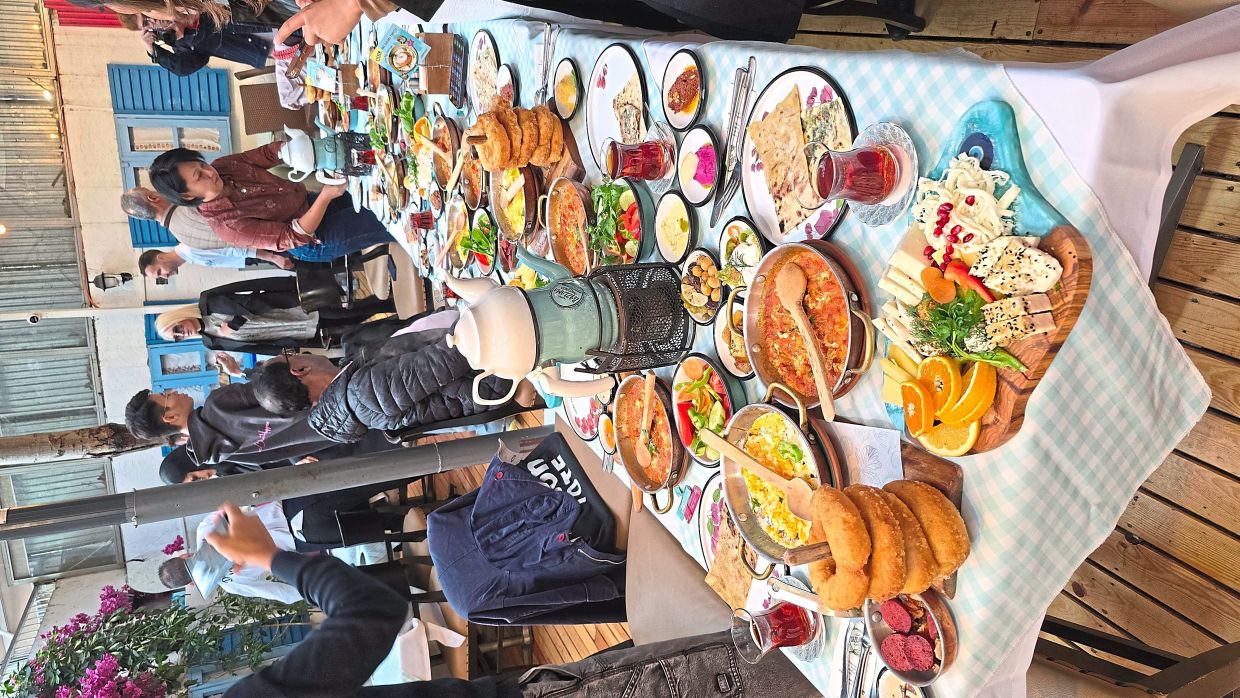
A bountiful breakfast spread with local favourites including simit and tahin.
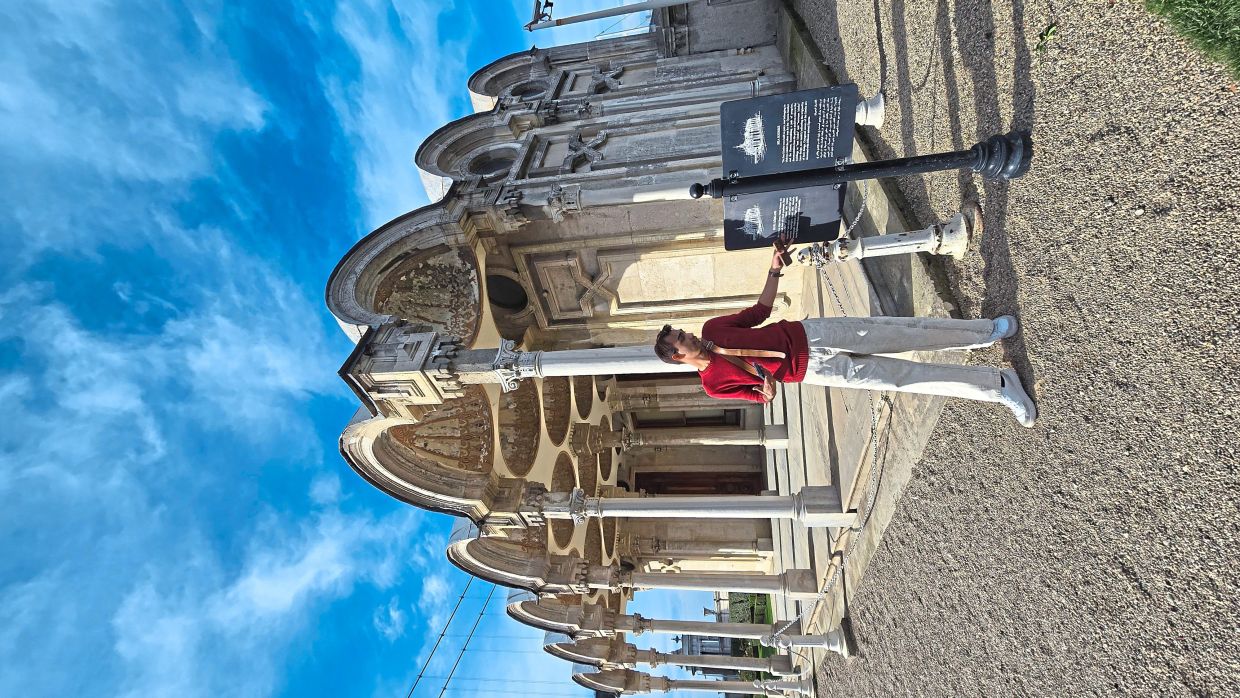
One of the boathouses at the Beylerbeyi Palace in Istanbul.
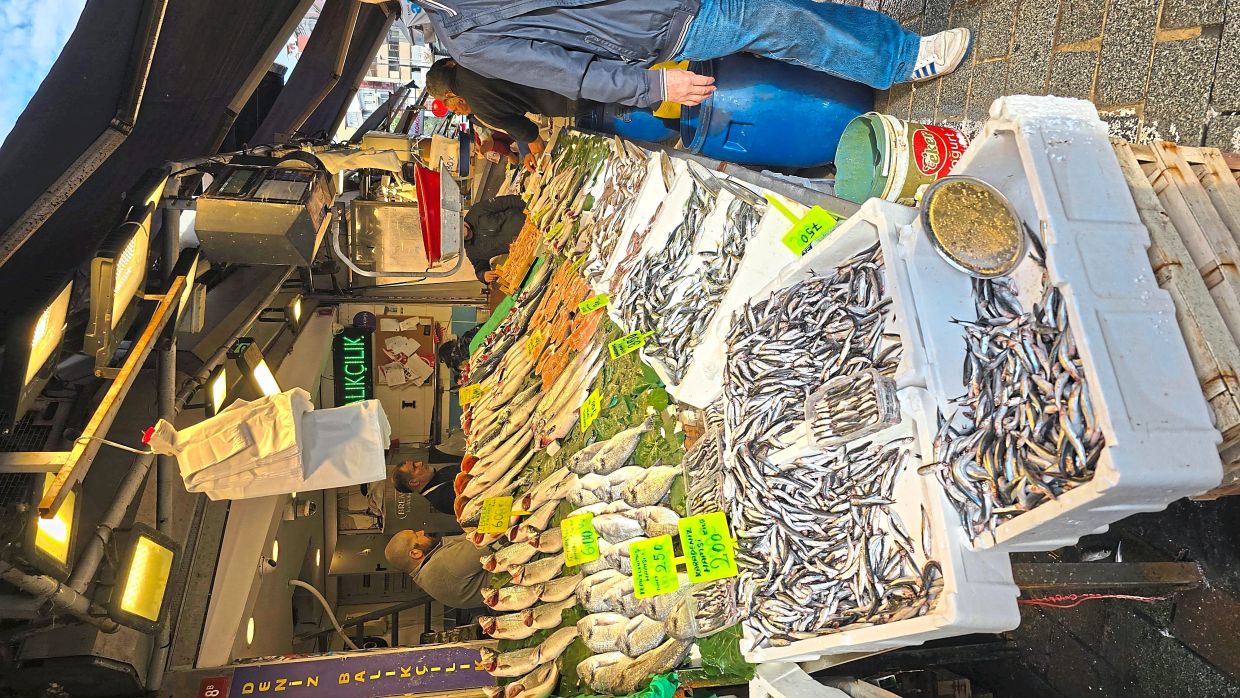
The morning market at Moda sells fresh seafood, vegetables and spices.
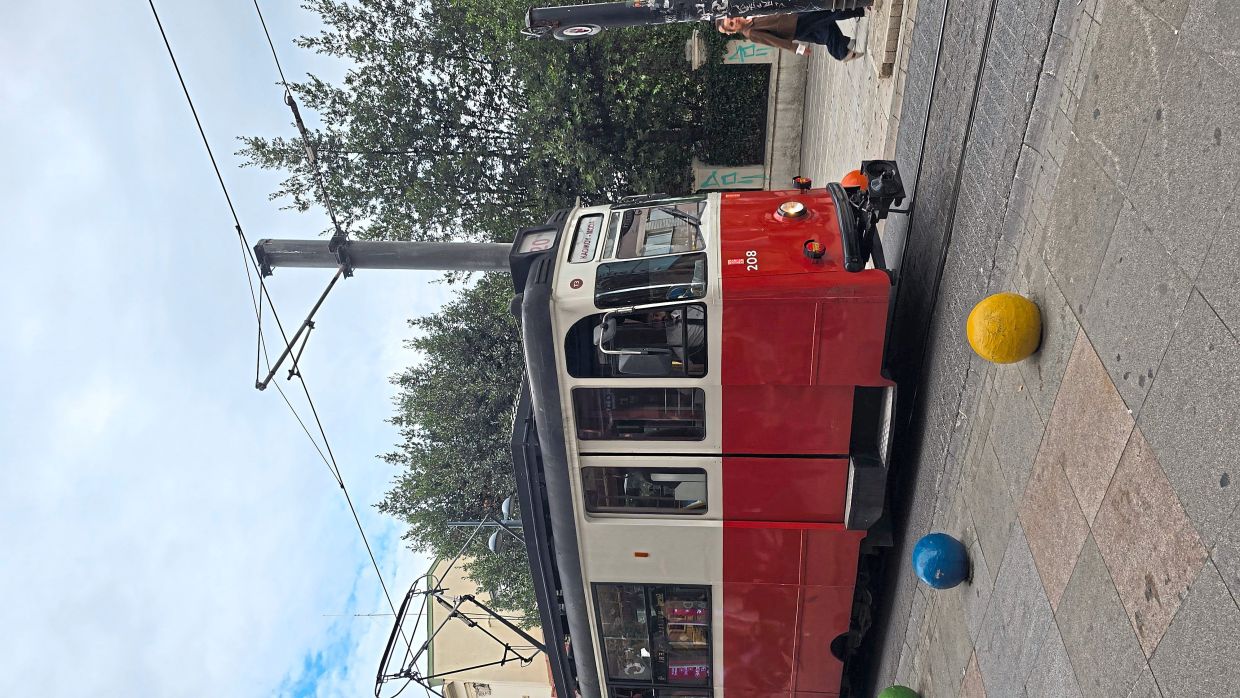
Take the tram, Metro or ferry in Istanbul to avoid getting stuck in traffic.
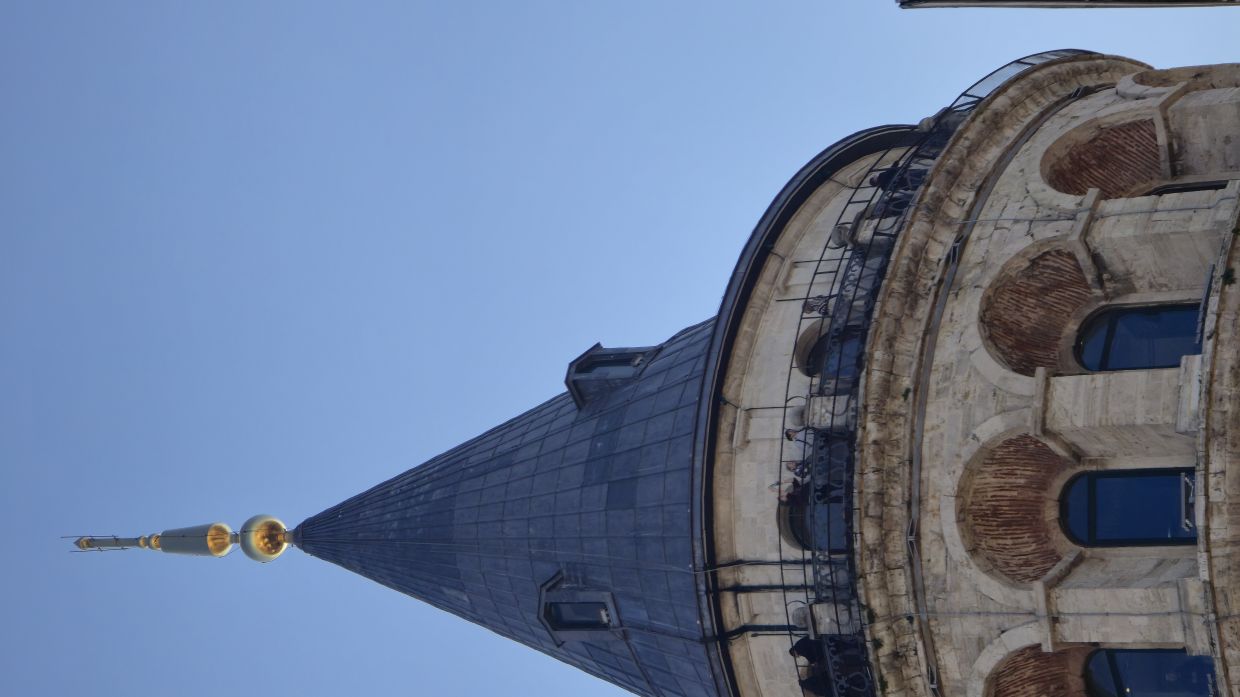
Galata Tower in Beyoglu.