
FEW places offer the kind of raw, unfiltered thrill that comes with casting a line into the brackish mouth of the Tarcoles River in Costa Rica, South America.
On the Pacific coast, west of San Jose, the river winds through dense mangroves and opens into a rich estuary teeming with birdlife, crocodile and fish.
Among the species commonly sought here is the sierra, a silver-coloured, oblong fish prized both for its fighting spirit and for its firm, flavourful meat.
Fishing for sierra in the Tarcoles is not a high-tech affair.
This is a deeply local, almost ritualistic pastime, particularly among Costa Rican families who frequent the river mouth on weekends.
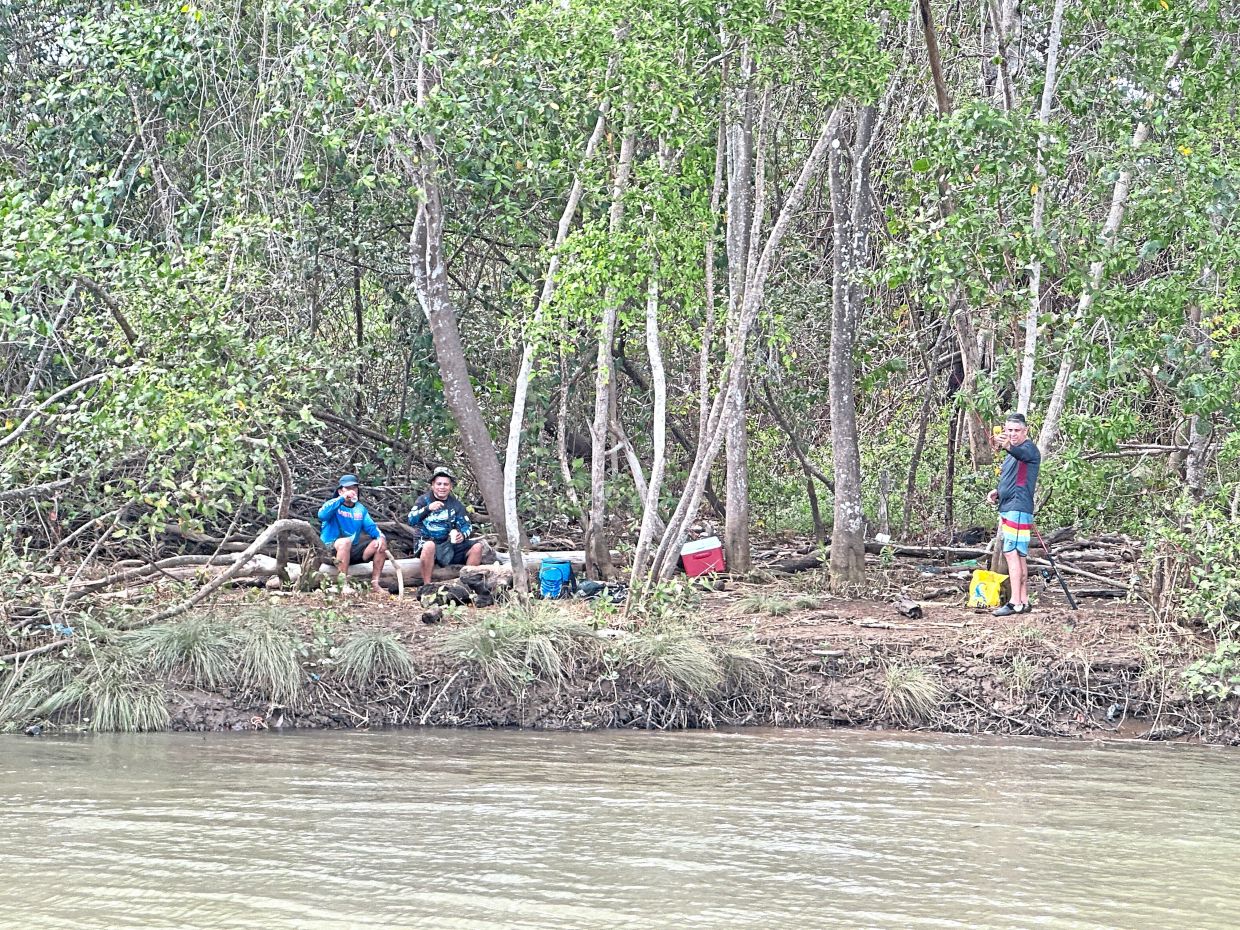
Some come in small boats, while others gather at the river banks, sharing snacks and stories while they cast.
The gear is modest. A light rod and spinning reel, often nothing more than what you’d find in a beginner’s tackle box or just simply handlines.
The set-up is also simple yet effective. One can use either the Carolina rig or a dropper loop rig with a light sinker to counteract the gentle tidal pull.
For the mainline, it’s nothing more than 30lb.
Shrimp, squid or cut bait is used to lure the fish. One can also use a minnow or crank to cast into the silty waters, where freshwater from the mountains meets the salt of the sea.
What makes this experience unique isn’t just the fish or the fishing. It’s the setting.
The river is alive with the sounds of scarlet macaws overhead, kingfishers and herons and other shorebirds stalking the muddy banks.
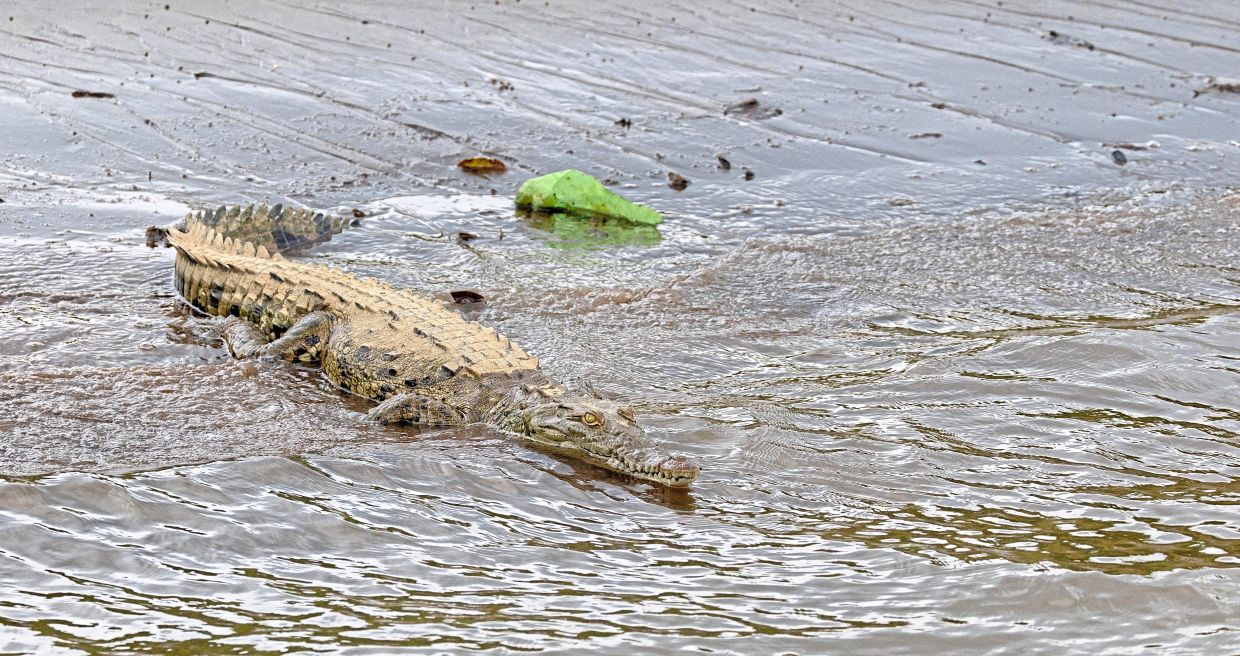
In the water, the occasional splash of a tail or fin signals something bigger moving just beneath the surface in this crocodile country.
One can also catch these prehistoric giants sunbathe along the shore or drift lazily near the mangroves, adding a dose of adrenaline to an otherwise peaceful outing.
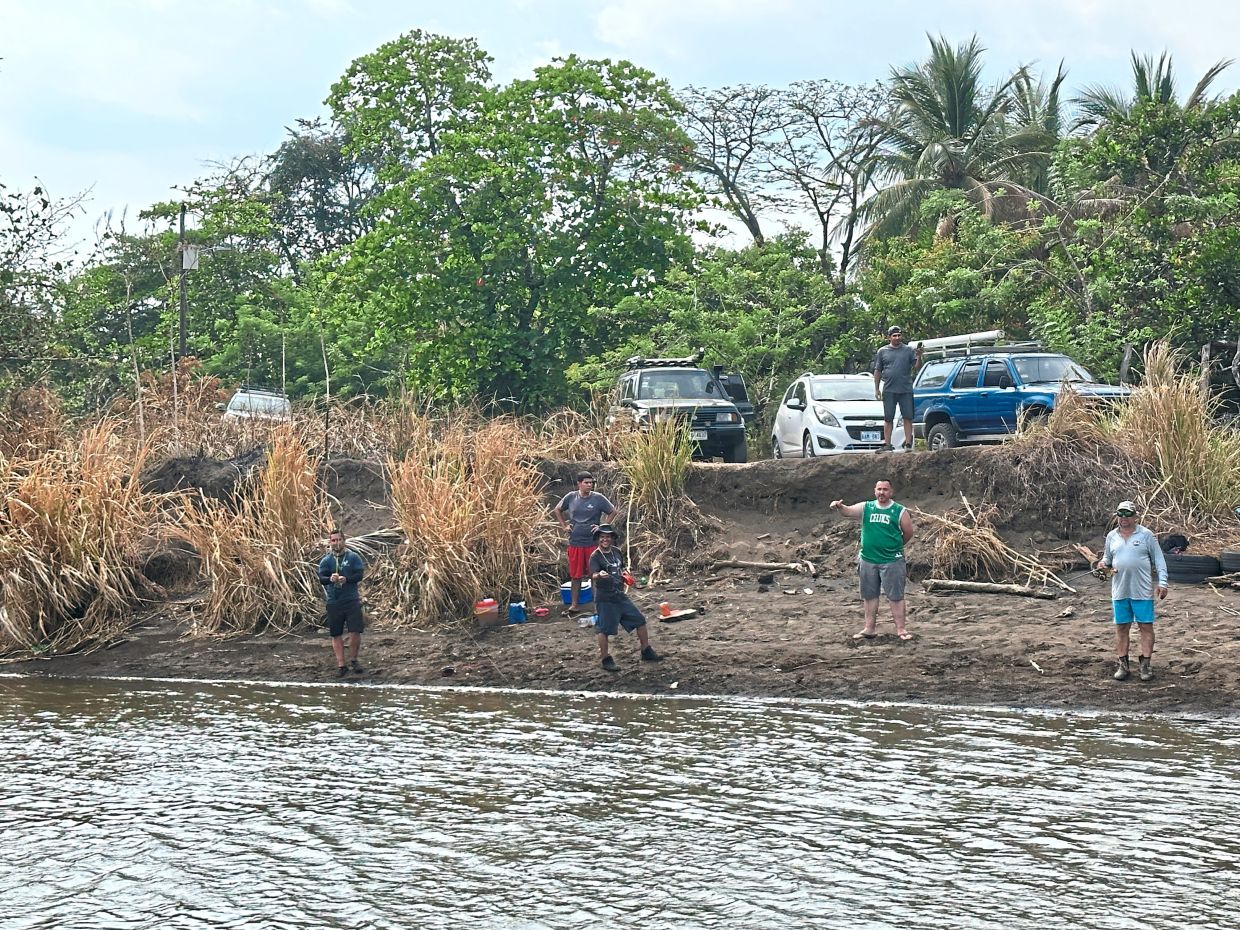
Locals are well accustomed to sharing space with the reptiles as part of the rhythm of life here.
Children are taught early where to walk, where not to wade and how to read the water.
When a sierra takes the bait, the light tackle makes for an exhilarating fight. They hit hard, often making quick, darting runs that test the angler’s patience and finesse.
Landing one brings not only satisfaction but also the promise of a good meal. Grilled or fried with lime and garlic, the flesh is tender, flaky and clean-tasting, all worth the effort.
But sierra isn’t the only prize in these brackish waters. Anglers can also target snook (locally known as robalo), a powerful inshore predator renowned for its explosive strikes and aerial acrobatics.
Hooking into a snook is like grabbing onto a bolt of lightning – fast, unpredictable and thrilling to the last second.
Another frequent catch is the mangrove snapper (pargo), a compact but aggressive fighter that lurks near submerged structures and rocky patches.
Its sharp teeth and sudden lunges make it a challenge and its white meat is highly prized.
During high tides, jacks and ladyfish also patrol the river mouth, bringing an additional level of excitement to the mix.
Though not always table fare, these species are respected for their strength and stamina.
In deeper channels, anglers can even hook into small groupers or the occasional stingray, which offer a different kind of test in terms of brute weight and resistance.
For many Ticos, this isn’t just sport, but a connection to place, family and tradition.
Fishing at the mouth of the Tarcoles is about more than catching fish; it’s about gathering together, enjoying the outdoors and sharing food that comes straight from the water.
As the sun sets behind the Pacific and the river begins to quieten, there’s a sense that this practice – simple, patient and deeply human – anchors something essential in the rhythm of coastal life.
It’s an experience that’s rustic, vibrant and unmistakably Costa Rican.