Long before carbon limbs and precision-engineered cams reshaped the world of archery, the wooden recurve bow stood as a humble and reliable companion, rich in tradition and heritage.
It served as a starting point for countless beginners and remained a favourite among experienced archers who valued its simplicity.
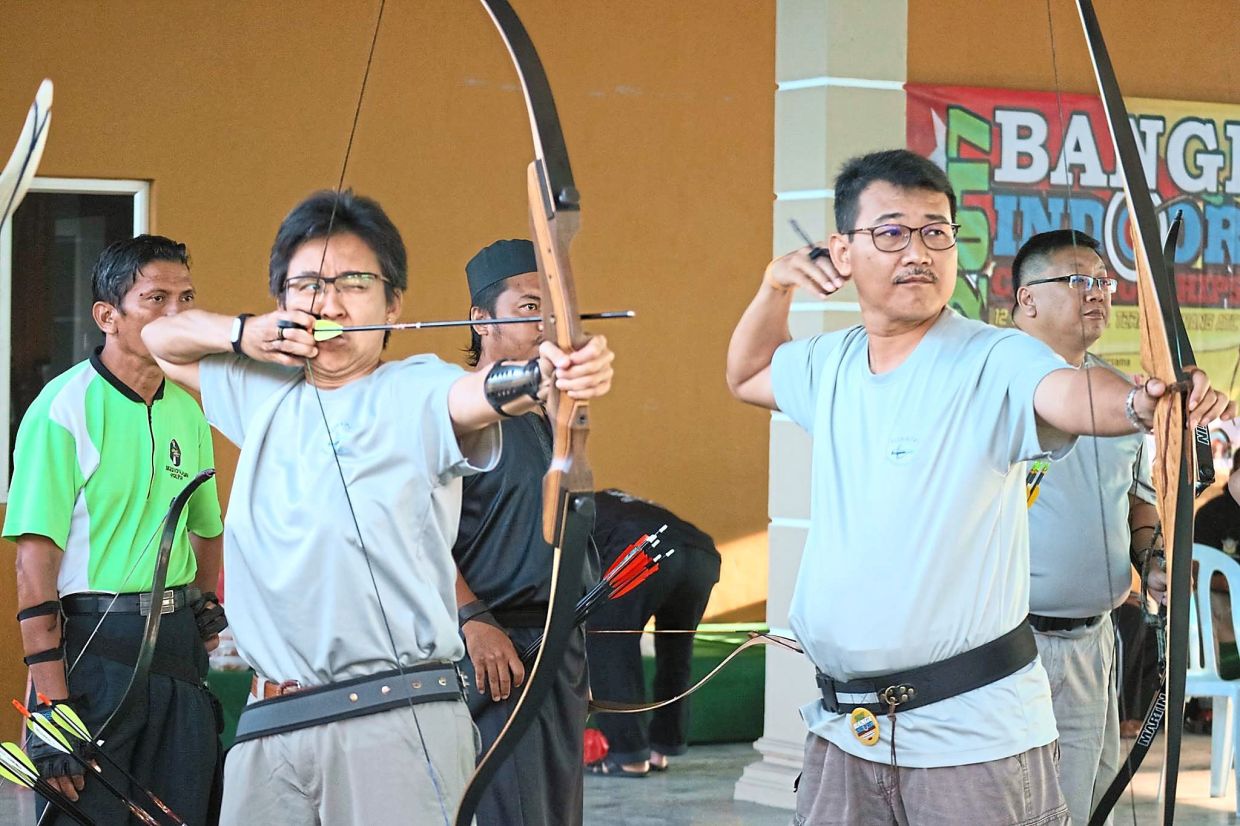
In archery clubs, wooden recurves rest quietly on racks, each one holding the marks of use and memory.
These are the bows that welcome beginners with their straightforward design and steady balance.
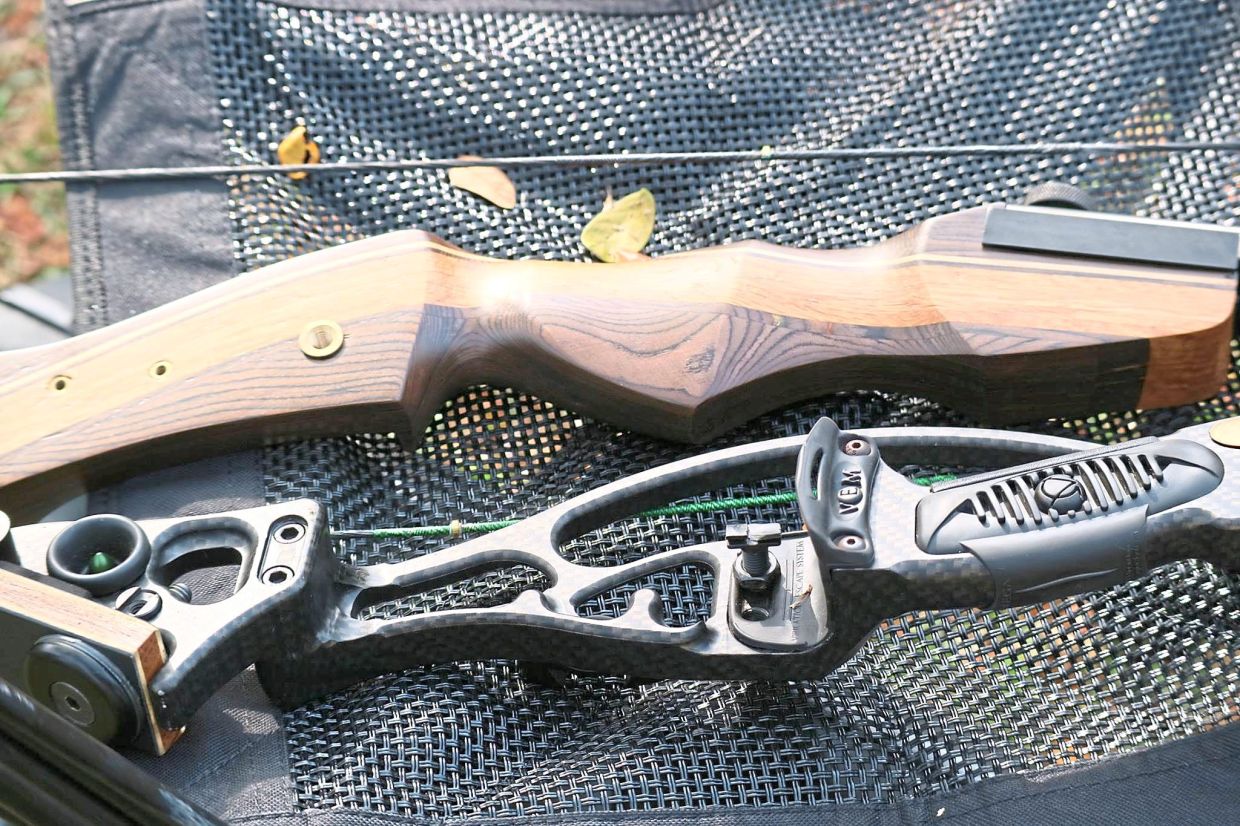
Handled by generations of new archers, they have guided countless first shots, building confidence one arrow at a time.
Without the flash of modern innovation, they remain trusted tools, respected for their simplicity, durability and timeless character.
Among them, two kinds stand out.
First, the one-piece wooden recurve, elegant in its uninterrupted curve, is carved from laminated hardwood and crafted as a single unified piece.
Rarely seen in tournaments, these bows are quietly revered in traditional archery circles and among hunters who favour instinct over sight pins.
They are still being made in US and European factories, although rising tariffs have made them costly.
Bulky and non-collapsible, they demand a special kind of care.
These bows are transported in padded cases and handled with quiet reverence.
In contrast, the takedown wooden recurve is practical, modular and widely embraced.
This bow comes in parts: riser, upper limb and lower limb.
Lightweight and easy to carry, it is a mainstay in youth programmes and introductory classes.
Some models accept simple attachments like arrow rests and stabilisers, offering enough flexibility for junior archers to grow without outgrowing the bow itself.
Among wooden recurves, few names are as well-known as the Samick Sage.
Built in South Korea, this bow has earned a place in the hands of backyard archers, survivalists and small-game hunters around the world.
Known for its durability and surprising accuracy, it earned affection not with flair but with function.
Straight out of the box, the Sage evokes a sense of tradition, recalling archery as it once was before modern additions and technology.
Archers often rig it to suit their style. Some shoot off the shelf, others install rests or leather side plates for a more traditional feel.
And while the Sage welcomes newcomers with open arms, it offers no shortcuts.
Hitting the mark takes time, patience and respect for form.
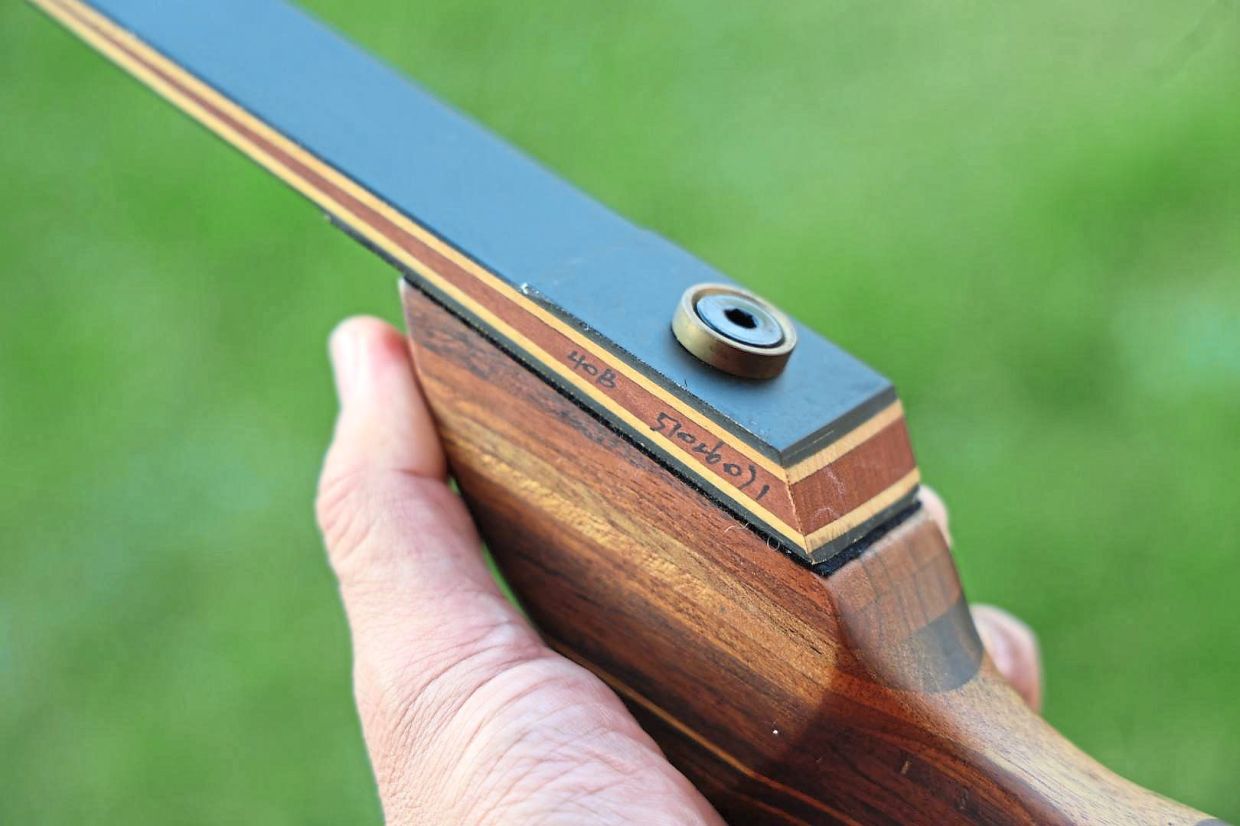
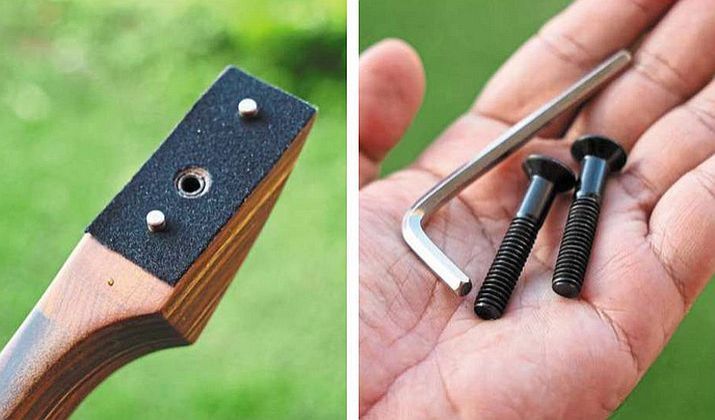
Of course, no bow is without its quirks. Assembling a takedown requires bolting the limbs onto the riser with a hex wrench.
Misplaced bolts can mean the difference between a good day at the range and a silent trip home.
The limbs, made from laminated wood, are known to warp under heat and humidity, particularly in tropical climates.
Vigilant archers watch for subtle bends, swapping out limbs at the first sign of twist or tension.
Yet despite all this, or perhaps because of it, the wooden recurve holds a certain magic.
It slows things down. Demands attention. Rewards rhythm over rush. Its simplicity invites a deeper connection not just to the equipment but to the act of archery itself.
Out on the field, there’s a stillness when the bow is drawn.
A sense of tradition rises in the curve of the limbs, in the creak of string against the wood.
No sights, no noise, just archer and target connected by muscle, breath and memory.
The wooden recurve bow is not just equipment. It is continuity. It is the arrow of time, flying through generations, always landing in the hands of those who appreciate where archery truly begins.