Landlocked countries are countries that do not have any coastlines, and therefore no direct access to the sea.
These countries are instead surrounded by mountain ranges, like in Central Asia and parts of Europe. The only two continents that do not have landlocked countries within them are North America and Oceania.
There are also two places – Uzbekistan and Liechtenstein – that are “doubly landlocked”, meaning they are neighbours to other landlocked countries.
With as many as 44 landlocked countries around the world, there’s no shortage of inland destinations to discover. Here’s a list of landlocked nations that are worth adding to your travel plans.
Austria
Austria’s most popular known exports may be wine and Arnold Schwarzenegger, but if you dive deep enough into the country’s history you will learn some truly fascinating facts about the Austrian (and later, Austro-Hungarian) empire.
Ruled by the Habsburg family for centuries, the empire of Austria back in the day was vast, stretching from Eastern Europe to Central Europe.
Most non-European tourists who travel to Austria today will go for its cultural experiences, visiting its comprehensive art museums, palaces and centuries-old monasteries.
There’s also classical music, where festivals, concerts and orchestras feature the works of famous Austrian composers like Wolfgang Amadeus Mozart, Franz Schubert and Joseph Haydn.
But back to the wine.
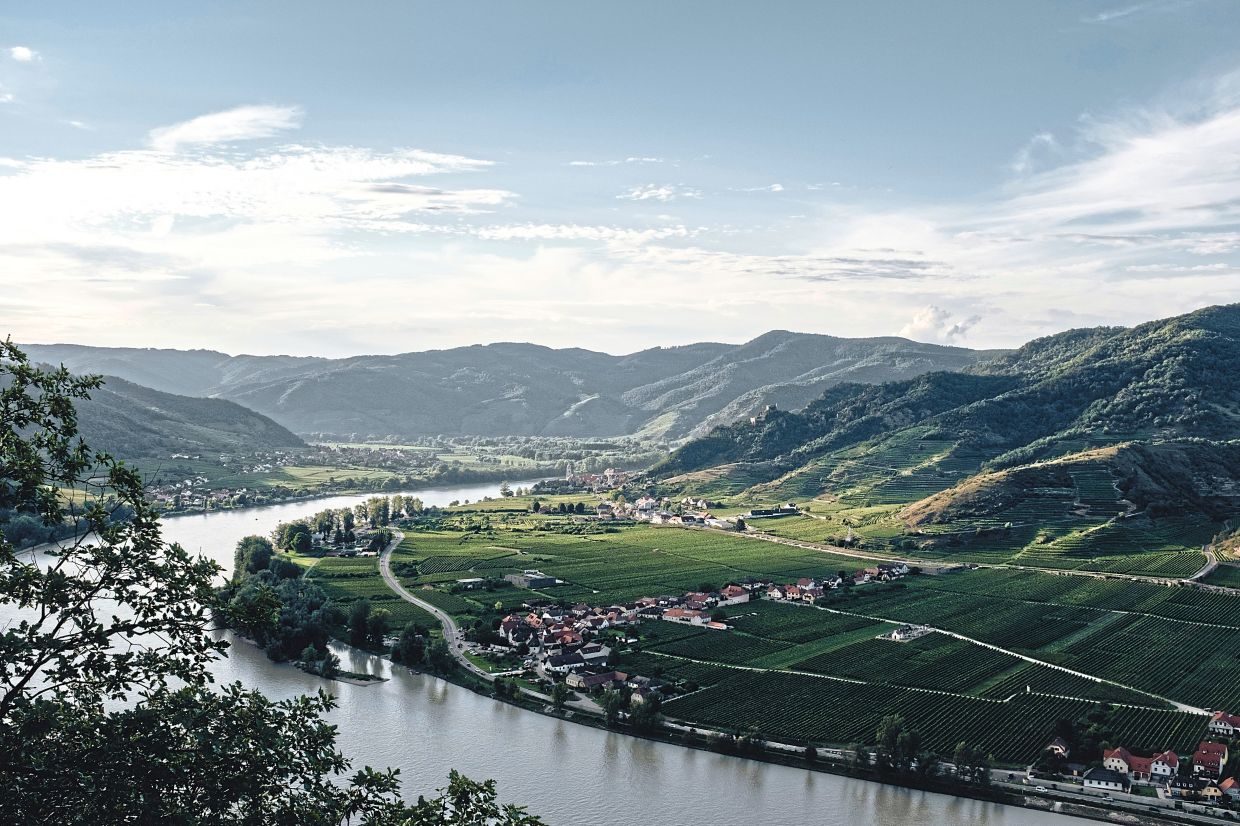
The country has several wine regions, many of which offer vineyard or cellar tours and tasting experiences. Wachau valley in Lower Austria, Steiermark and Burgenland are some of the wine-growing spots to look out for.
The best time to visit is in spring, when there are usually plenty of festivals being held all around the country. Vienna itself hosts the Vienna Spring Festival and Vienna Blues Spring every year. The former, founded in 1992, features classical music, while the latter is a two-month long event that takes place at Der Reigen.
In winter, head to the mountains for some skiing.
Bhutan
If you’re planning to visit Bhutan, the first thing you need to know is its tourism tax or sustainable development fee (SDF), and what it entails. Basically, the SDF – which is different from the Bhutan entry visa (US$40/RM171) – is a daily fee charged to all foreign tourists, regardless of nationality or method of entry.
Currently, the rates are US$100 (RM427) per person, per night, “discounted” from US$200 (RM854) until 2027.
Visitors from India, Bangladesh and the Maldives are charged a lower fee of 1,200 Bhutan rupees, or about RM60 per person, per night.
The SDF is not a service fee, rather it helps the government of Bhutan with forest and wildlife conservation/protection, cultural preservation, waste management and more.
Except for Indians, Bangla-deshis and Maldivians, all tourists must have a registered guide with them at all times. This means that you would need to book a tour package in advance.
There are only two areas in the whole of Bhutan that tourists are allowed to visit independently, and these are the more “touristy” spots (read: crowded).
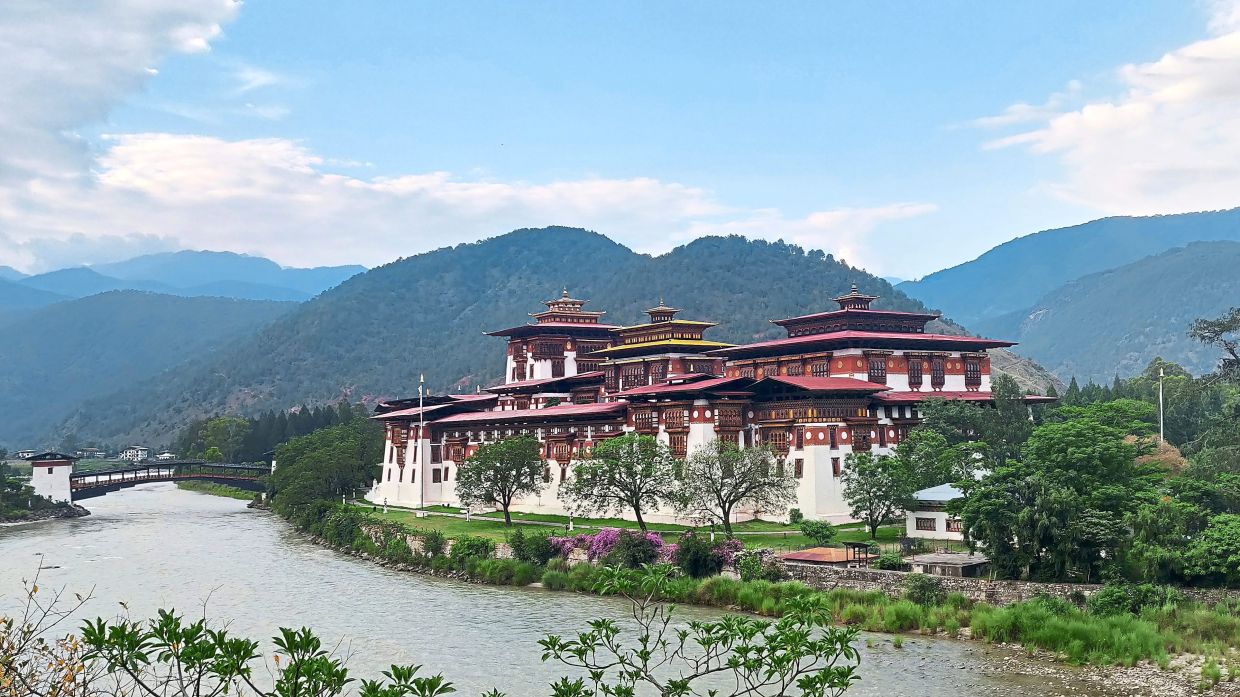
Of course, the one place almost all tourists would want to visit in Bhutan is the Paro Taktsang or Tiger’s Nest, and you would definitely need a guide for this hike.
Bhutan is also famous for its vibrant festivals, which usually take place in autumn. Festivals like the Thimphu Tshechu and Paro Tshechu feature colourful costumes, traditional dances and centuries-old rituals.
The Black-Necked Crane Festival is another fascinating celebration worth checking out. It is held yearly in the Phobjikha Valley to celebrate the arrival of the endangered black-necked cranes, who head to the valley from the Qinghai-Tibetan Plateau after mating and breeding season.
Laos
Head to Laos between November and April, when the weather is warm and dry, for some adventures in nature.
Hike through the Luang Namtha forests and scenic mountain trails, or try the unique “Gibbon Experience” in Bokeo Nature Reserve.
Those interested in cave exploration can also venture into the massive Kong Lor Cave stretching 7.5km, or paddle through the mystical Tham Nam, a water cave.
The warm season is ideal for water adventures – kayak through the rivers or take a peaceful cruise along the famous Mekong River.
Of course, Laos is a nation brimming with culture and history, too. The Plain Of Jars in Xieng Khouang Province, for example, is believed to be between 2,000 and 2,500 years old.
Today, as many as 2,100 massive stone jars scatter across a landscape in more than 90 sites. The history of this archaeological site remains a mystery to this day. In 2019, the Plain Of Jars was recognised as a Unesco World Heritage Site.
Kazakhstan
Thanks to continental climate, Kazakhstan is a winter wonderland. Parts of the country experiences dramatic weather, meaning winters are seriously cold and summers are incredibly windy.
But Kazakhstan is a very big country – the ninth largest in the world, in fact. So there are many places there you can visit for different experiences.
Winter in Almaty, for example, is great for folks who love snow activities like skiing and snowboarding.
The Ile-Alatau National Park, which is also in Almaty, is gorgeous in autumn and winter and perfect for hikers. The Issyk Lake can be found within the park, and its teal blue waters are best viewed in spring.
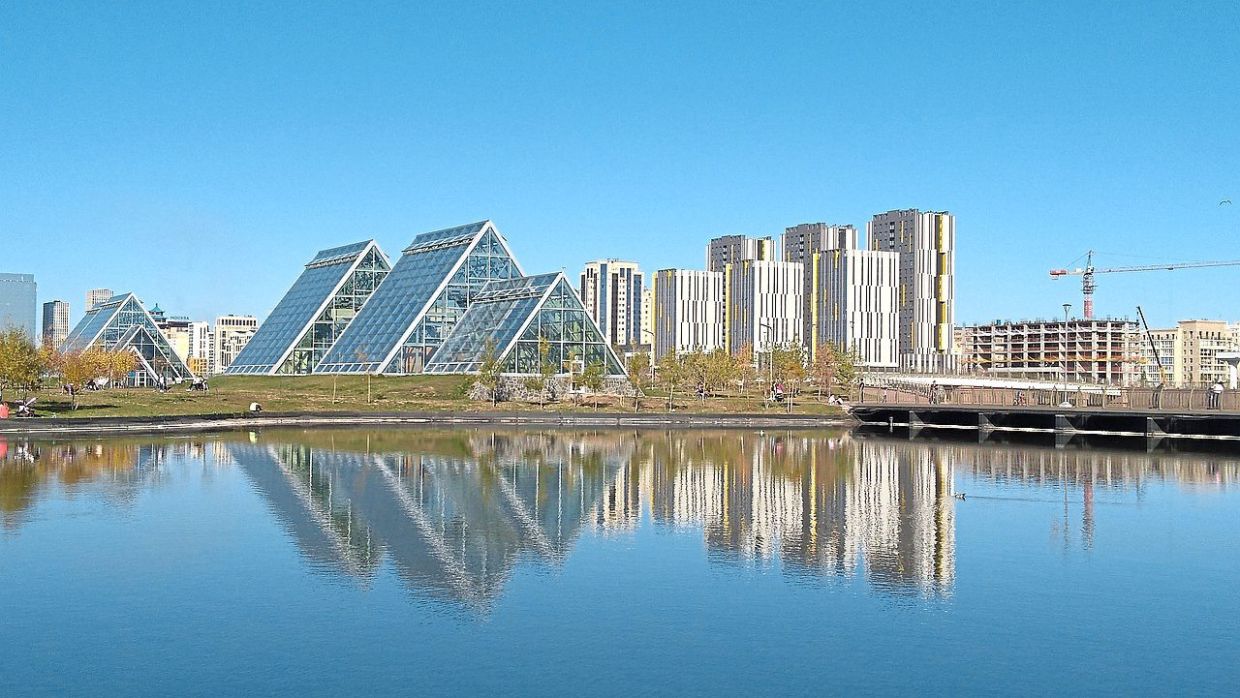
Meanwhile, Astana is where one goes to learn more about Kazakhstan’s colourful history, and nomadic traditions.
Nepal
With clear skies, mild temperatures, and stable weather, the months of September to November are perhaps the best times to go trekking in Nepal.
Whether you’re up for a leisurely day hike or a challenging one-month adventure, there’s a trail for everyone in this country. For example, beginners can start with scenic routes like Champadevi Hill and Nagarjuna Hill near the Kathmandu Valley.
If you seek a quieter, off-the-beaten-path experience, the Langtang Valley trek is a good choice, rewarding trekkers with wonderful views and the dramatic peak of Langtang Lirung.
But these mountainous pursuits can be even more spectacular in the months of March and April, which are great for seeing Nepal’s national flower – rhododendron – in full bloom.
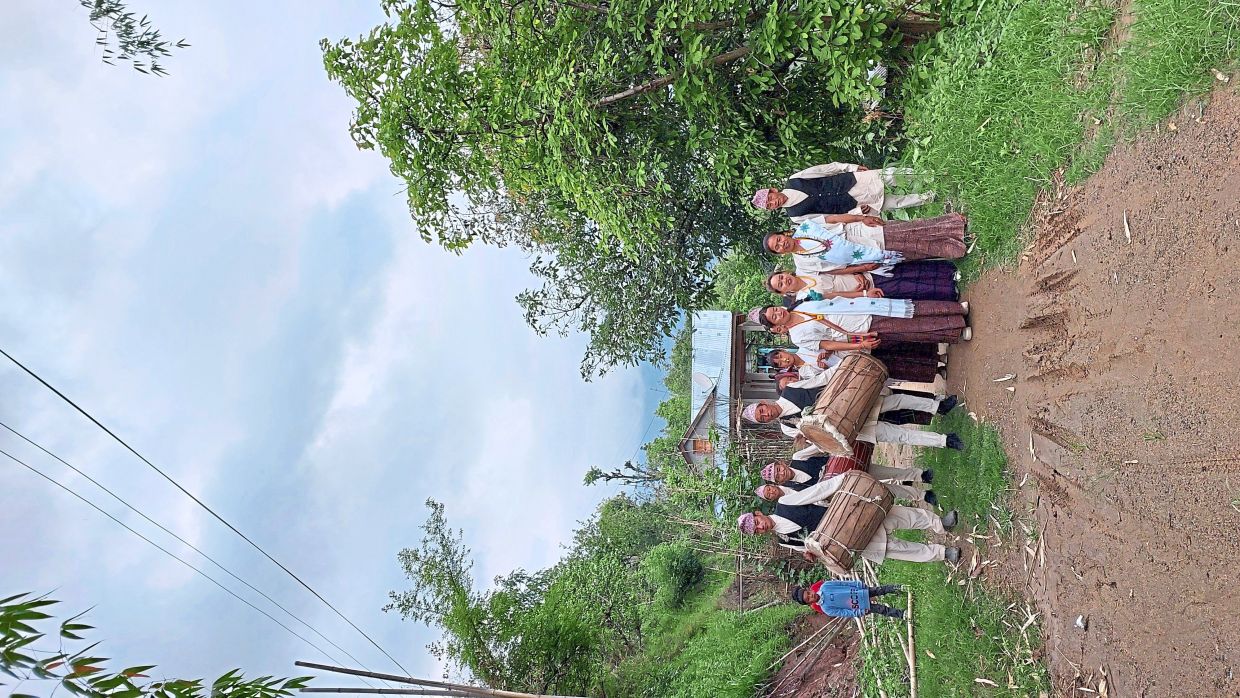
But Nepal isn’t just only about trekking. Cultural tourism is a big thing here, and the best way to experience them is to head to a homestay. Nepal’s Community Homestay Network connects tourists with locals in the best way possible. You can get access to numerous community-led homestay villages that are scattered around the country.
At these homestays, you can learn about the many Nepali ethnic groups and their traditions, cultures and cuisine.
Switzerland
Dominated by the Swiss Alps and the lakes, Switzerland is renowned for ... being neutral when it comes to foreign policies.
But of course, there are other things that the country is famous for, like chocolates, the cuckoo clock and luxury watches in general, its very high cost of living, and the Swiss Army knife.
For tourists, though, there is mostly just skiing and hiking.
The city of Lucerne is ideal for autumn and springtime explorations, where you can stroll by the beautiful lakes, check out lively markets and just sit in the middle of the square and watch breathtaking vistas of the surrounding mountains.
If you are at Lake Lucerne, hop on a boat for some extra fun.
For a taste of medieval charm, venture to the vibrant Old Town, or Altstadt, which has a history that traces back to the eighth century. As you wander through its squares, you will discover many historical landmarks, including the Chapel Bridge. The nearly-700-year-old wooden footbridge is recognised as the oldest in Europe.
While in Zermatt, embark on a rail excursion on the Gornergrat Railway to admire the famous Matterhorn mountain.
St Moritz and the Jungfrau region are home to various ski resorts, but if you’re on a tight budget, you may want to skip this. Head instead to Zurich, and check out the many museums there, like the Swiss National Museum.
Uzbekistan
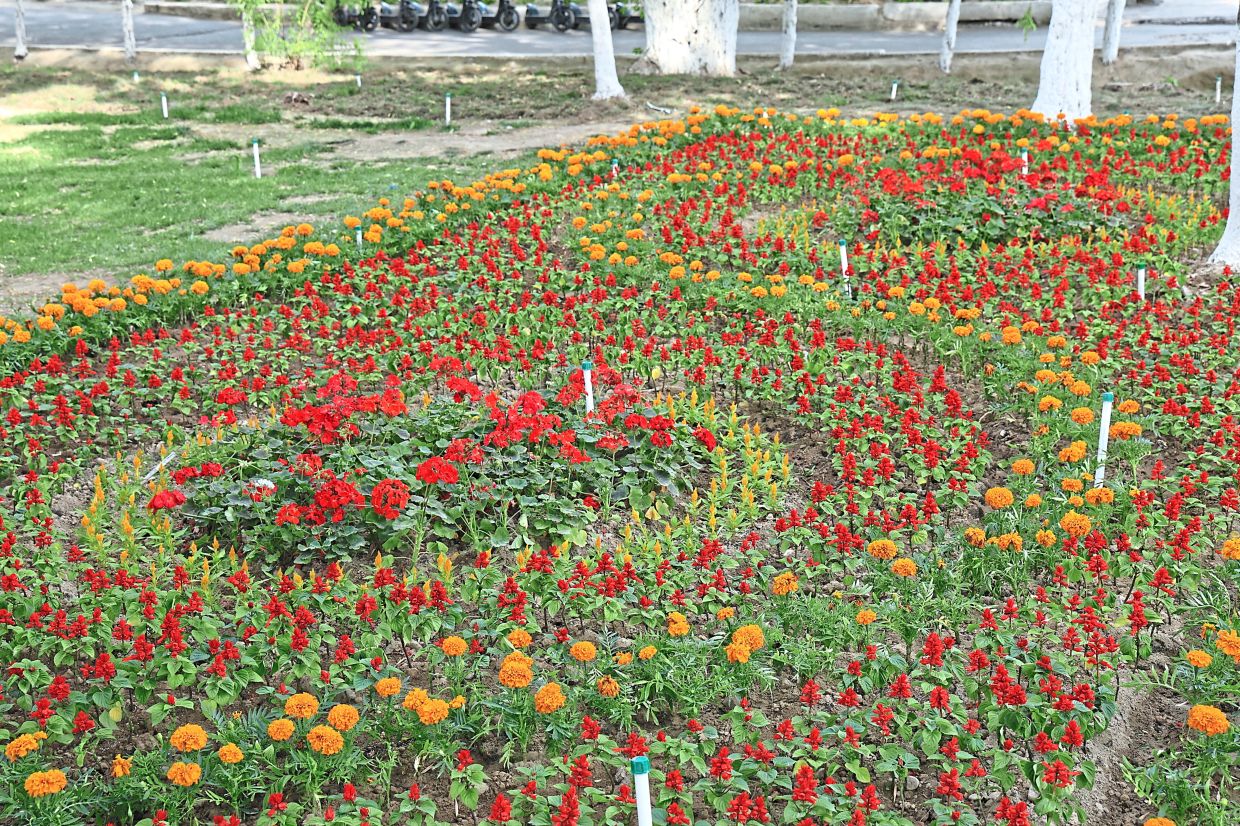
Every March through May, the Central Asian nation of Uzbekistan attracts flower enthusiasts with its stunning spring florals, such as tulips and poppies.
At the heart of this seasonal celebration is the Namangan International Flower Festival, an event that has been held since the early 1960s. Here, Uzbek artists and visitors gather to showcase their artistic floral arrangements, honouring Uzbekistan’s rich botanical tradition.
The streets will also usually be lined with vehicles creatively adorned with a bright array of spring blossoms.
But the festival offers more than just visual delights, as attendees have the opportunity to participate in gardening workshops, where they will learn to craft their own floral masterpieces while enjoying traditional music and dance.
In autumn, different regions in the country celebrate bountiful fruit harvest. Start your agricultural tour in the capital city of Tashkent. From there, board a five-hour train journey to Fergana Valley – known for its fertile soils and abundant fruit orchards – for a vineyard walk and wine-making tour.
This is also when a delightful variety of fruits are perfect for the picking, from plump grapes, to juicy peaches and apricots.
Vatican City
Vatican City, the smallest country in the world nestled within Rome in Italy, is a popular destination this year. For Catholics, 2025 is Jubilee year, a great time to visit the holy city.
Of course, the recent passing of Pope Francis and the pontification of Pope Leo XIV, have also put Vatican City in the news and on the map.
If you wish to visit, autumn would be your best bet, as Christmas tends to be – not surprisingly – very crowded, while summer may get too hot.
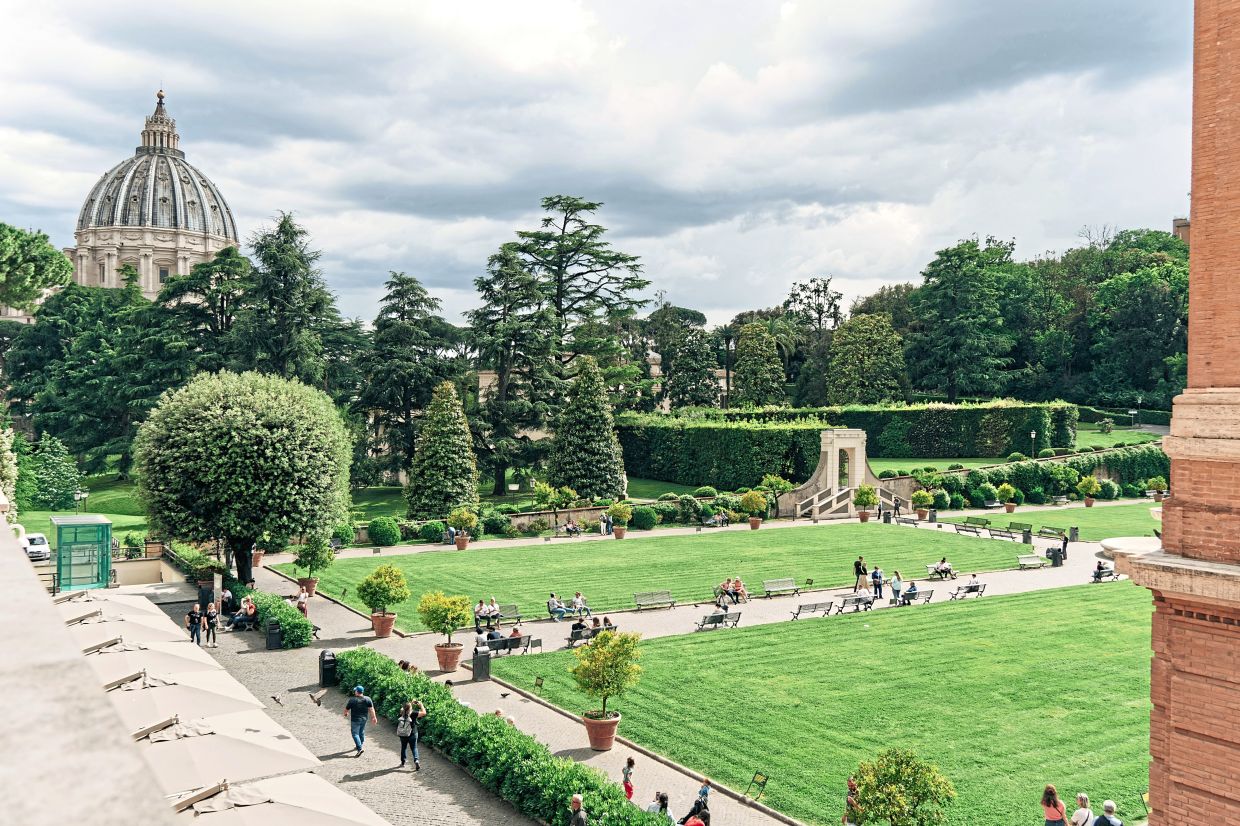
Despite covering just over 40ha, Vatican City has plenty to offer visitors. Don’t miss the Vatican Museums, home to the beautiful Sistine Chapel and the fascinating Gregorian Egyptian Museum.
For one of the best views of Rome, climb the dome of St Peter’s Basilica. You can also book a guided tour of the Vatican Gardens, where the beautifully manicured green spaces take up more than half the country.