
Scientists in China have identified a new type of rare earths formation in the frigid northeastern provinces of Heilongjiang and Jilin – a discovery that could challenge assumptions about how rare earths occur across the country.
Unlike the clay-heavy deposits of southern China – which require chemical leaching to release the elements – the northern formations consist of loose sand and gravel formed by natural freeze-thaw cycles. This difference could make extraction more efficient, less costly and better for the environment.
The find could help China further secure its global dominance in rare earths production, just as Western countries – including the US – scramble to secure supply chains for the critical elements.
The discovery of the new deposits “could potentially rewrite the ‘heavy in the south, light in the north’ pattern of rare earth resources in China”, a team from the Chinese Academy of Sciences’ (CAS) Institute of Geology and Geophysics and the Heilongjiang Bureau of Geology and Mineral Resources said in a paper published in the Chinese journal Acta Petrologica Sinica last month.
Rare earth elements are a group of 17 critical minerals – including cerium, neodymium and dysprosium – that are used to produce electronics, large magnets, superconductors, and green and defence technologies.
As the world’s largest producer and consumer of rare earths, China handles nearly 90 per cent of global processing of the critical minerals.
The CAS-Heilongjiang team said that while rare earths were abundant in China, the places they were found did not always follow the patterns geologists would have predicted from rock types like alkaline granite.
Currently, the abundant deposits found in southern China contain mainly heavy rare earth elements, while those in the north – such as the Bayan Obo mine in the Inner Mongolia autonomous region, the largest rare earth deposit in the world – contain mainly light rare earth elements.
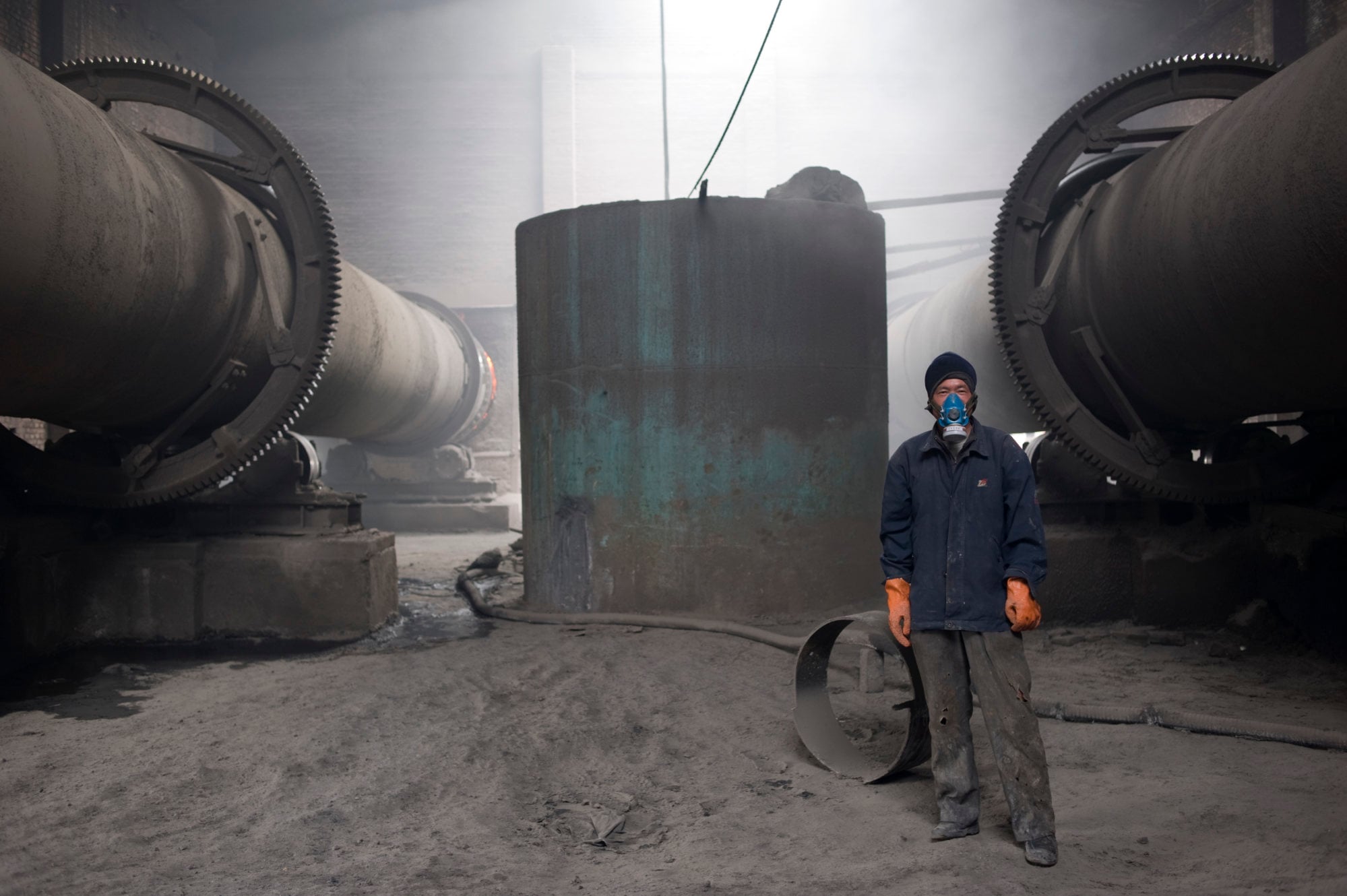
Heavy rare earth elements are generally more valuable because they are scarcer and harder to extract, with demand driven by their role in the production of permanent magnets and electric vehicles.
One form in which rare earths occur – including within the Bayan Obo deposit – is trapped in hard-rock minerals such as bastnaesite, which require energy-intensive mining and chemical processing to break down.
In southern China, rare earths are largely produced from so‑called ion adsorption-type deposits – thick, weathered layers that form when rare earth-rich granites and volcanic rocks break down over long periods in warm, humid climates.
The process leaves behind clay minerals such as kaolinite, which hold the rare earth elements.
“Currently, ion-adsorption-type deposits are China’s most competitive rare earth resources, producing over 90 per cent of the world’s heavy rare earth elements,” the CAS-Heilongjiang team said.
Extracting the minerals can be inefficient and environmentally damaging, however, as it requires the use of chemicals to leach the rare earths out of the clay.
The process could leave about 20 to 25 per cent of the rare earth elements unrecovered, the team said.
After conducting surveys and sampling in Heilongjiang and Jilin, the team identified a new type of deposit containing abundant levels of both light and heavy rare earth elements.
In these mineral dissociation-type deposits, alkaline granite rocks have slowly broken apart under repeated freeze-thaw cycles.
Instead of producing clay, this process breaks down rocks into loose sand and gravel, with rare earth elements being carried in minerals such as monazite and xenotime – the latter being a major source of the heavy rare earth element yttrium.
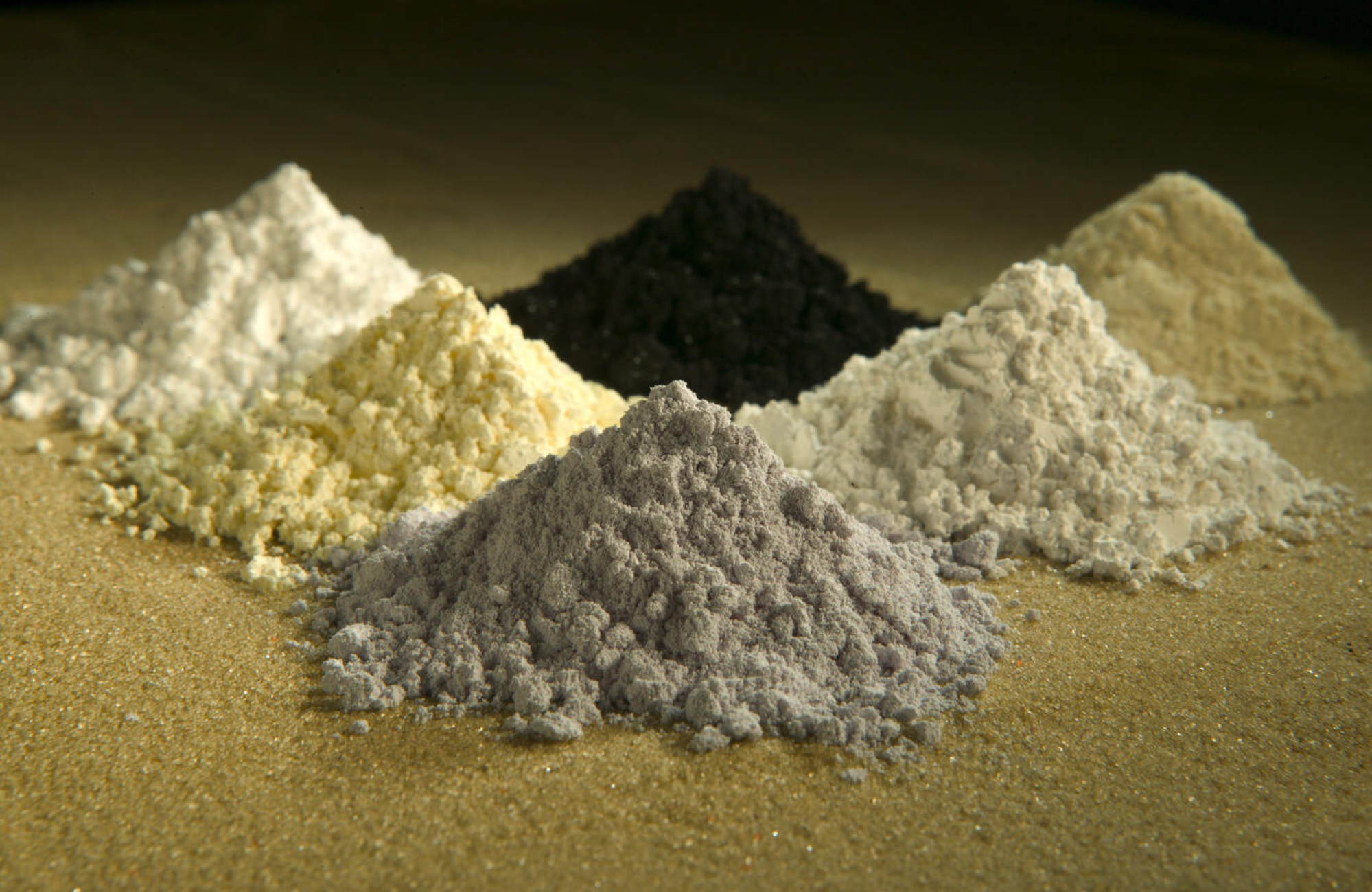
Scientists sampling the area found that some deposits contained light rare earth elements such as lanthanum, cerium and neodymium, while other rocks showed a high abundance of heavy rare earths.
“Compared with ion-adsorption-type rare earth deposits in southern China, mineral dissociation-type deposits show higher total rare earth element concentrations, with significant enrichment in light rare earth elements,” the CAS-Heilongjiang team said.
“Furthermore, the abundance values of heavy rare earth elements [in samples from deposits in Jilin province] are higher than those in other zones and the neighbouring province of Heilongjiang,” the team added.
“These findings broaden the potential scope for rare earth resources, and underscore the industrial and strategic significance of northern mineral dissociation-type rare earth deposits.” -- SOUTH CHINA MORNING POST