The quiver is an indispensable accessory for any archer, serving as a portable arrow container.
Its origins date back to the earliest use of the bow and arrow, evolving across cultures and eras to suit the needs of hunters, warriors and sportsmen.
In ancient times, quivers were crafted from whatever materials were readily available.
Some were as simple as bamboo tubes secured with a rope around the waist, while indigenous tribes in Africa and South America fashioned them from animal skins or tree bark, making them well-suited for hunting expeditions in deserts and jungles.
As archery techniques advanced, so did quiver designs.
Modern hunting quivers often attach directly to the bow, allowing hunters to carry arrows without the need for a hip attachment.
Recurve bows with interchangeable limbs feature specialised mounts that hold up to six broadhead-tipped arrows.
Additional accessories enable hunters to hang their bows on tree stands, allowing for stealthy stalking from a distance.
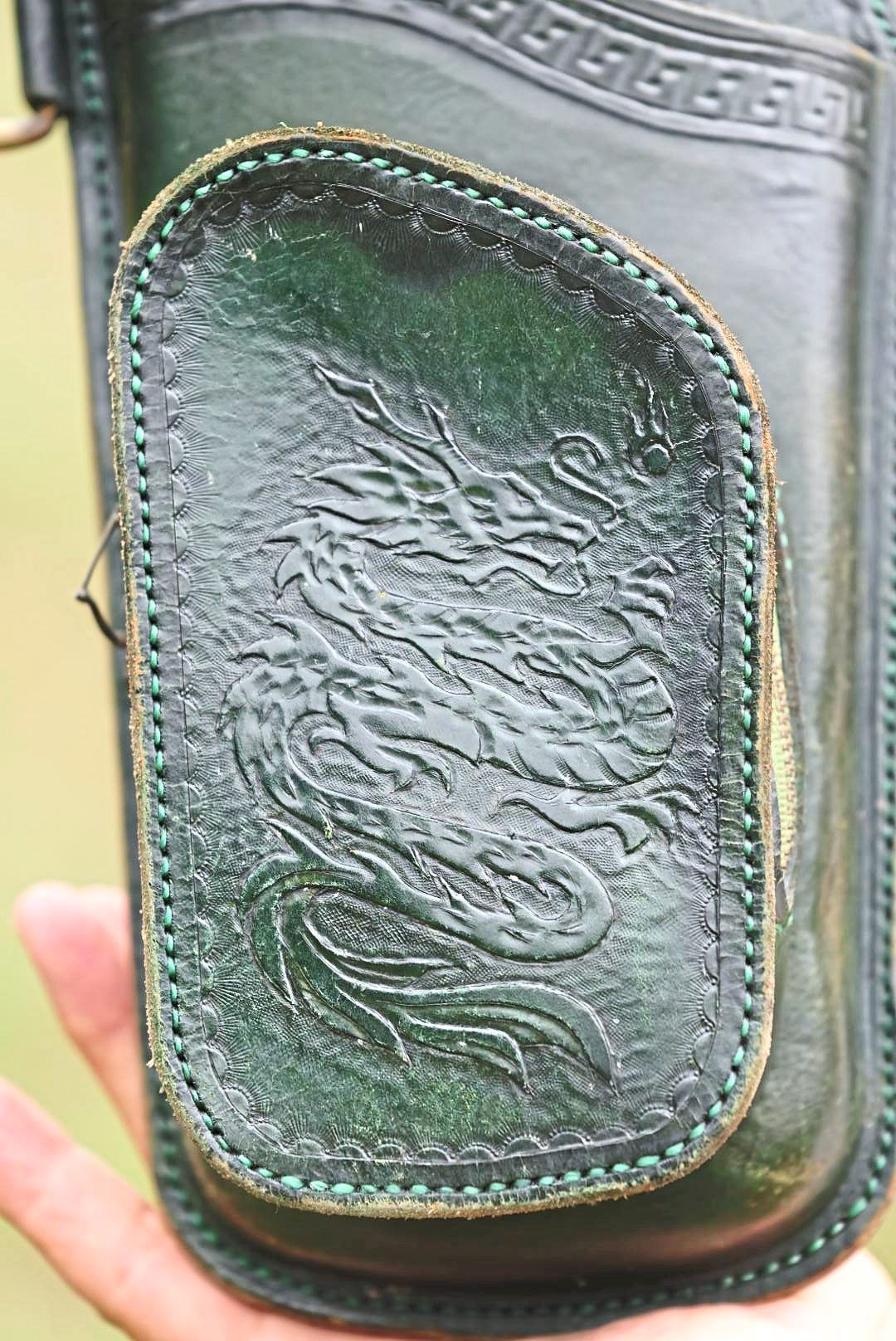
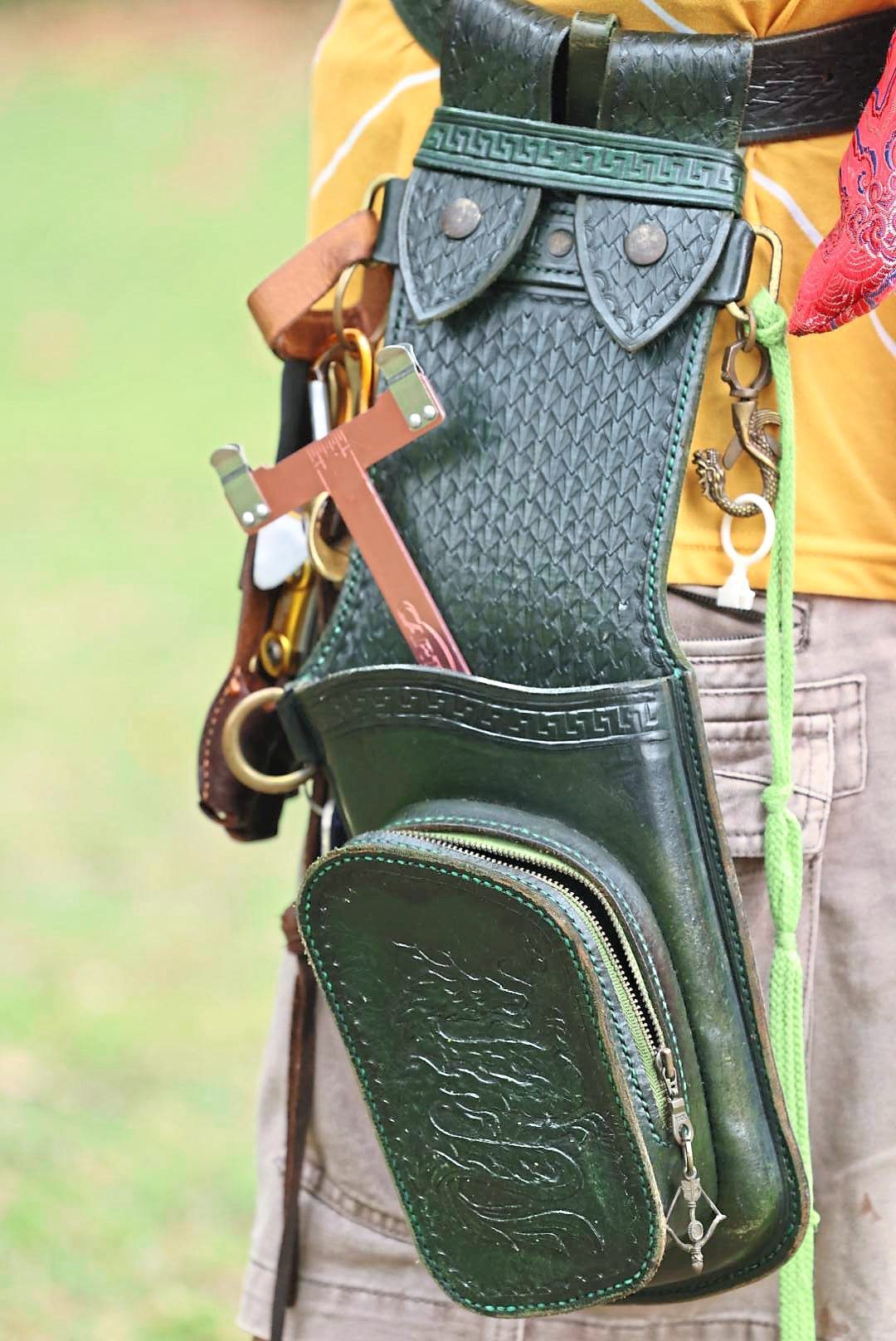
In contemporary traditional archery, quivers made from tanned animal skins remain a popular choice at gatherings and competitions.
European and North American artisans craft elegant leather quivers, some priced at thousands of dollars.
Meanwhile, novice archers often start with mass-produced nylon quivers featuring plastic tube inserts, available from Chinese manufacturers for as little as RM30.
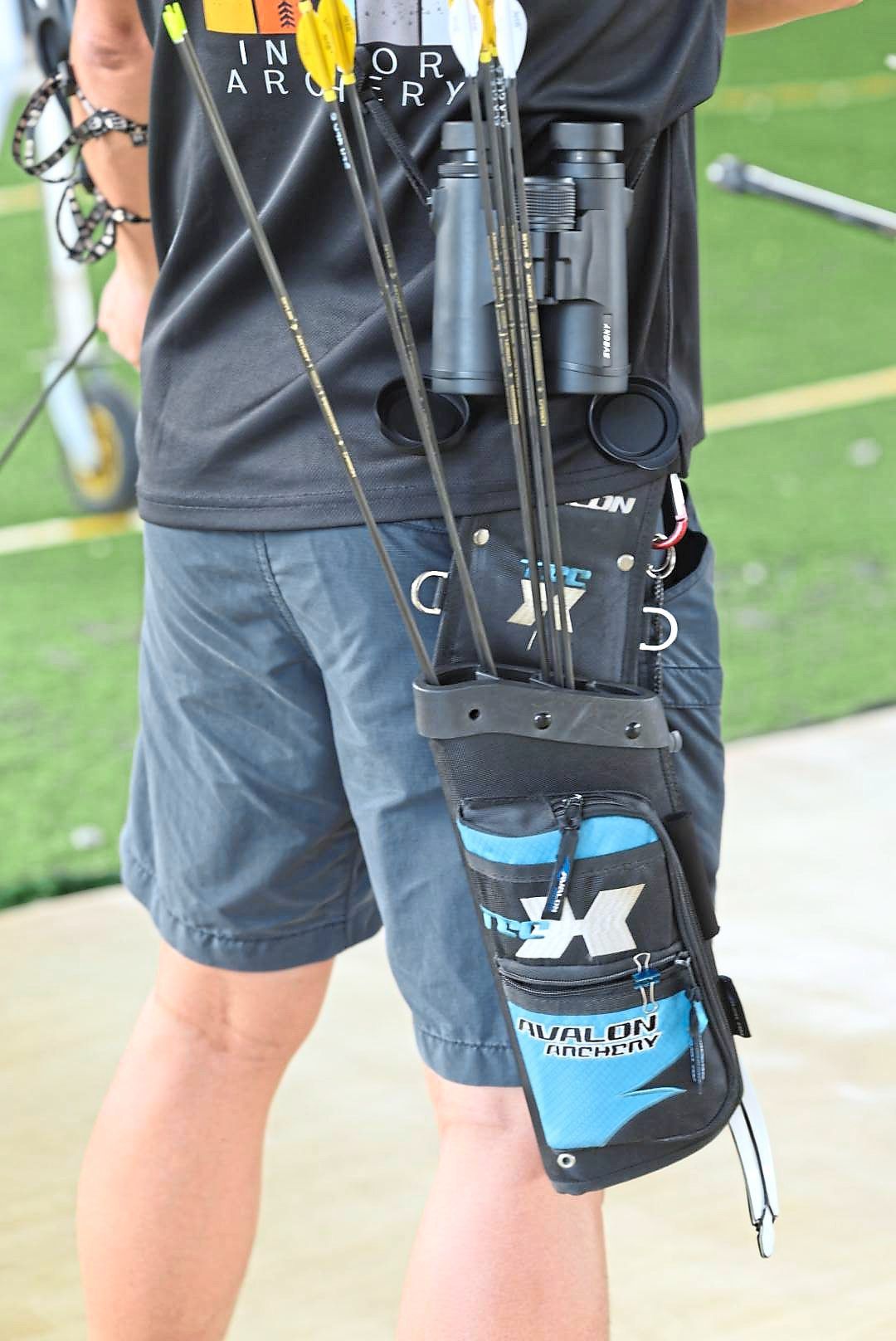
For formal target archery tournaments, quivers are essential, allowing archers to carry up to a dozen arrows and quickly replace damaged ones during competition.
Premium brands offer hip and field quivers as part of complete sets, including belts, with prices starting from RM400.
Those seeking exclusivity often opt for high-end quivers from US luggage brands like Kifaru and Marsupial Gear.
A Kifaru field quiver starts at around RM470, while deluxe models with accessory pouches can reach RM925 before shipping and taxes.
Marsupial Gear’s tournament quiver is priced at approximately RM720, though a fully equipped setup, factoring in accessories and import costs, can easily exceed RM1,174.
For a minimalist approach, pocket quivers made from leather, plastic or ballistic nylon offer simplicity and convenience.
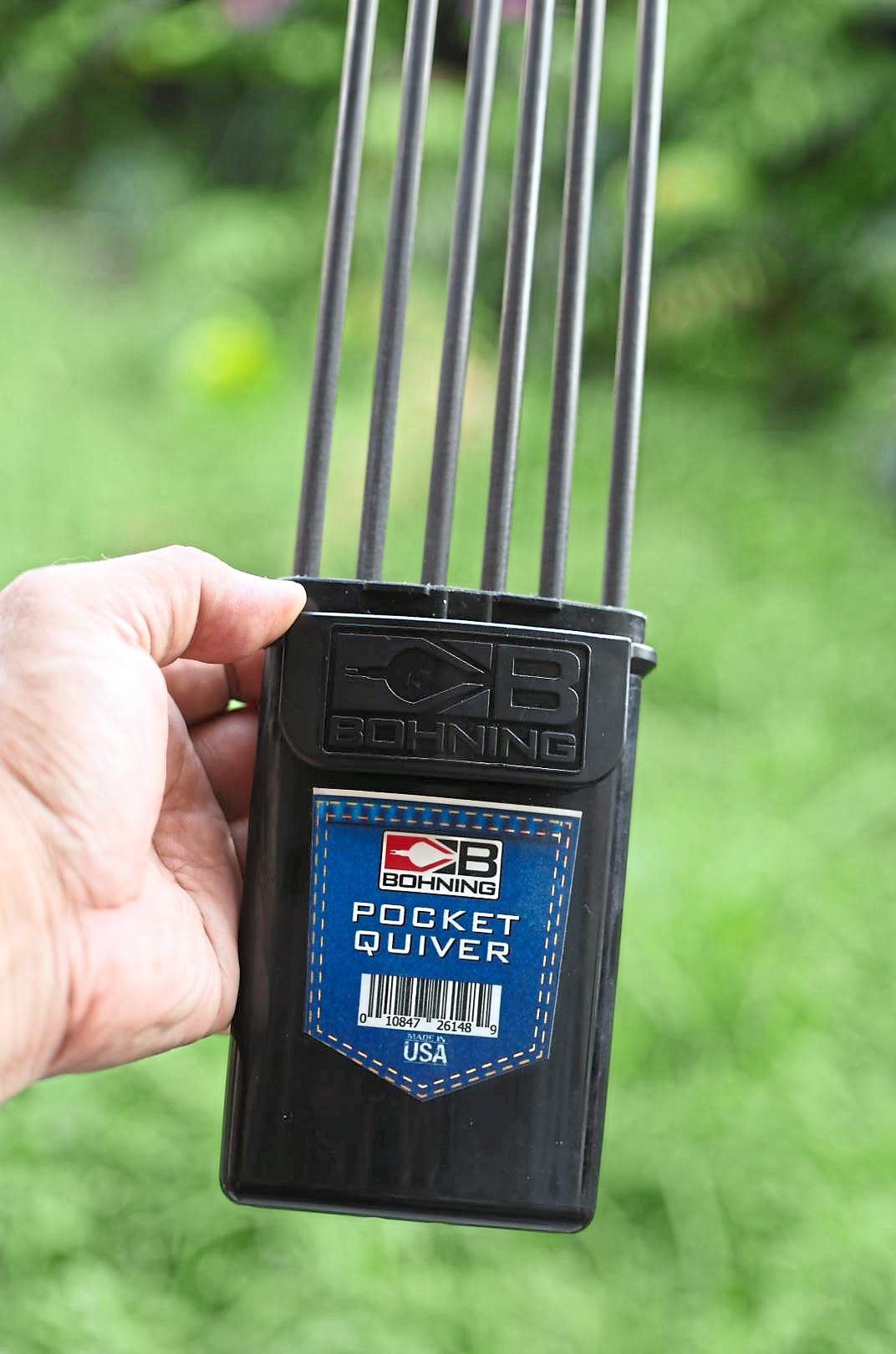
These compact quivers slip into a back pocket and hold up to six arrows, making them a favourite among seasoned archers.
Carrying a pocket quiver is often seen as a mark of confidence, symbolising an archer’s skill and accuracy.
The quiver’s evolution is a testament to the ever-changing nature of archery, continually adapting to the needs and preferences of archers across the ages.