FOR a 4x4 off-roader, heading out without a shovel is practically unthinkable.
When a tyre gets stuck in a rut, a bit of digging is often the simplest way to free it – just remove enough earth to create a shallower gradient for the tyre to climb out.
However, shovels from hardware stores tend to be bulky and heavy. Worse still, some situations call for more than just digging; hoeing may also be needed to clear stubborn earth effectively.
Lugging both a shovel and a hoe (cangkul, in Malay) in an already packed vehicle can feel excessive.
This is where survival or tactical shovels truly shine.
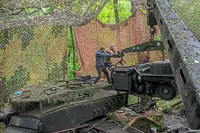
Originally designed as military entrenching tools, these versatile implements were once standard-issue for soldiers who needed to dig foxholes, bunkers, or shelters on the front lines.
Early versions, such as those used during World War II, were simple steel-and-wood designs. But over time, the need for portability led to innovative folding mechanisms.
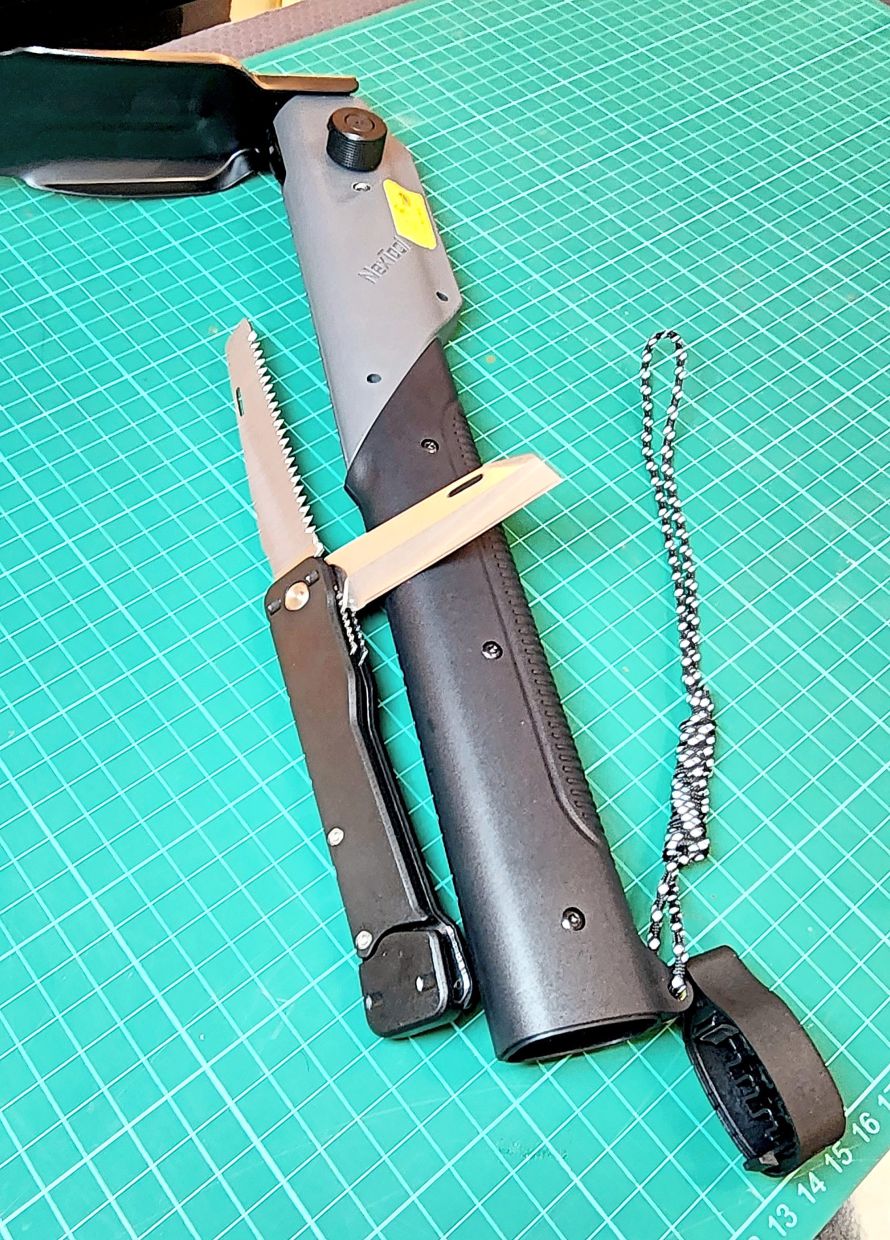
Modern survival shovels can fold down to the size of an open hand and often come with a compact carry case for easy attachment to belts or backpacks.
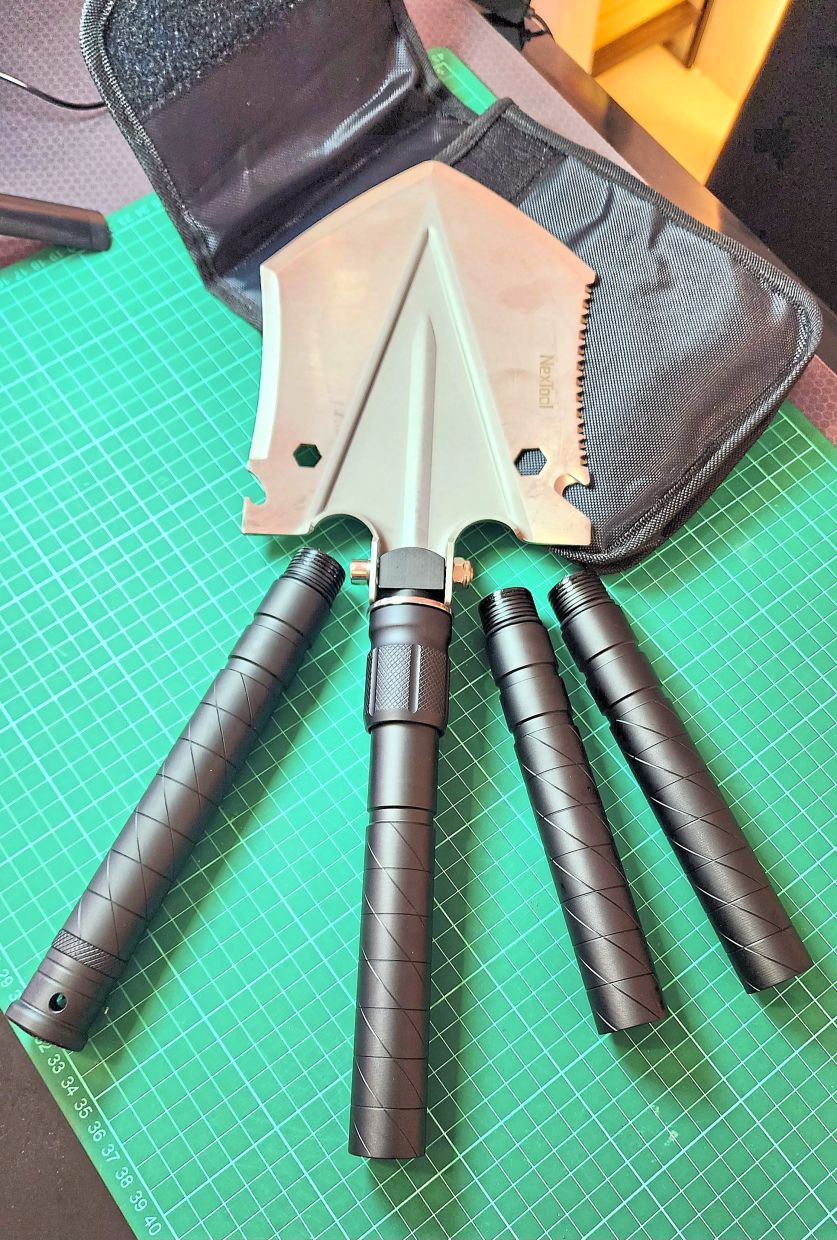
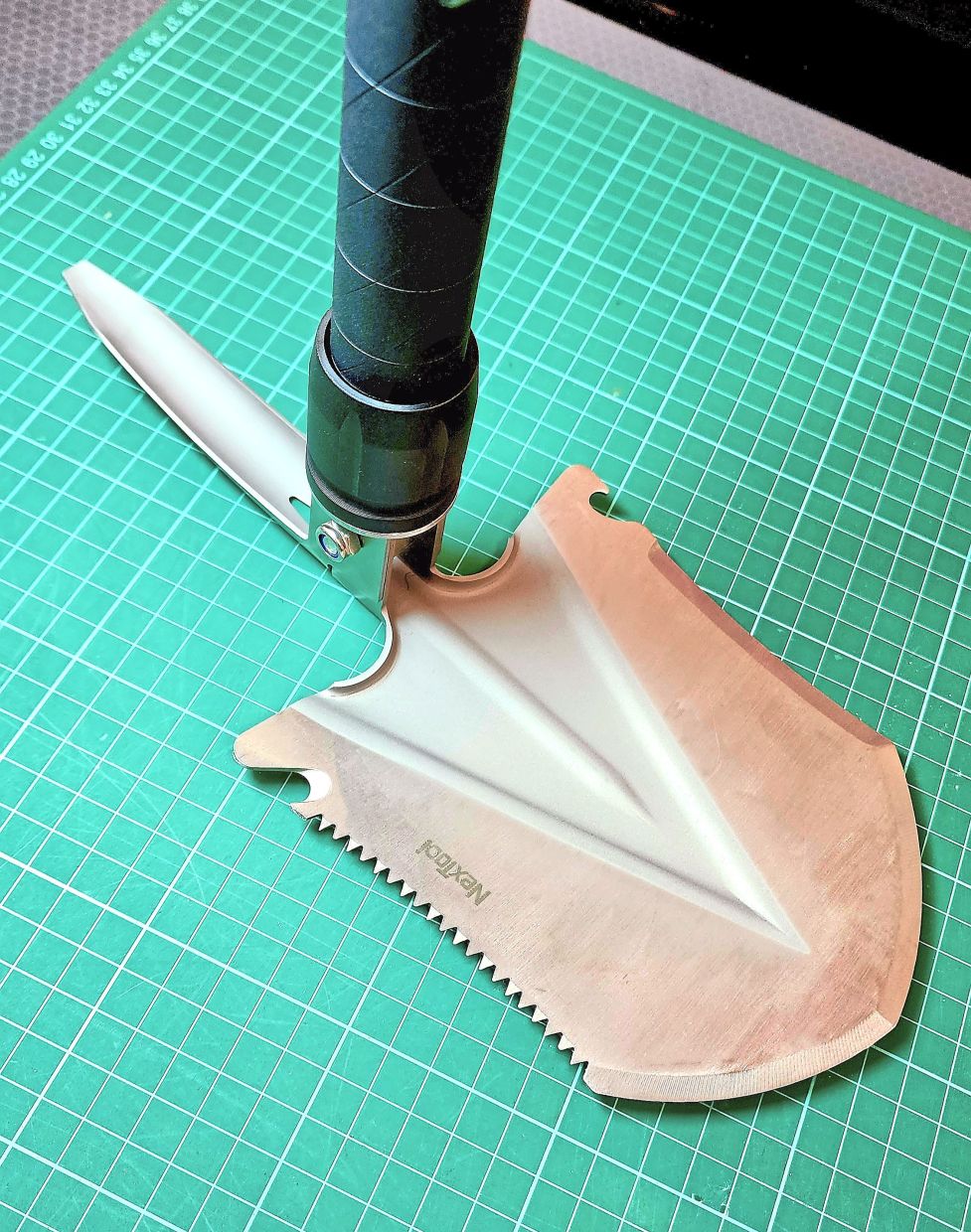
Not only can the shovel’s blade unfold fully for digging, but it can also lock at a 90-degree angle to function as a hoe.
Today’s designs incorporate a staggering array of features.
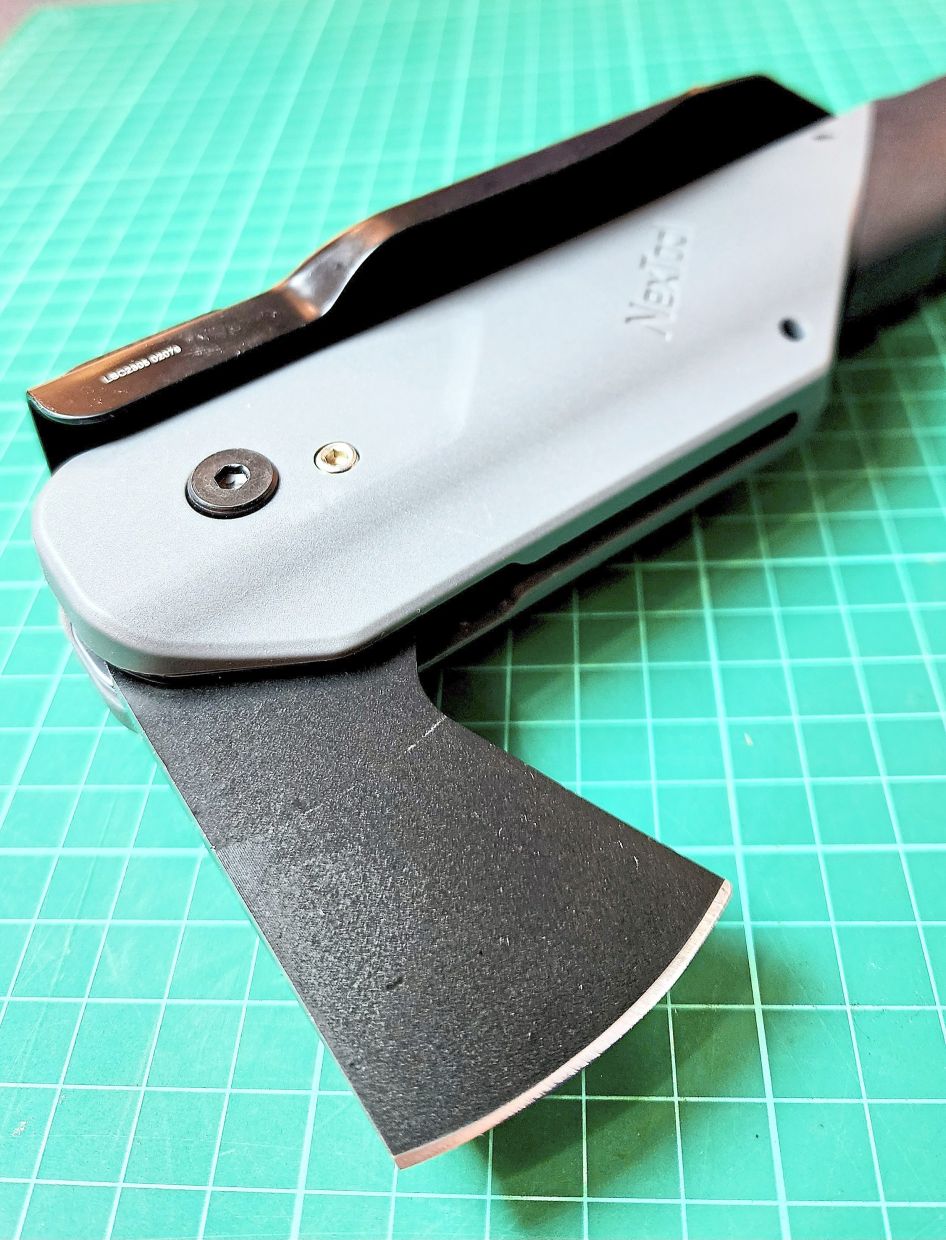
Many models include a folding pickaxe or hatchet, while others sport saw teeth on one edge of the blade and a parang-like edge on the other.
Some even have tapered slots for prying nails or grooves with sharp edges for cutting lashings or opening bottles.
Handles have also seen significant improvements.
Reinforced nylon handles often have hollow interiors to store multi-tools, folding saws or knives.
Others are made from aluminium alloy hardened with magnesium and silicon, offering both strength and reduced weight.
These hollow handles can even hold paracord, fishing lines, hooks, screwdriver bits or ferrocerium rods for starting fires.
Some models feature a built-in compass at the pommel.
While those who stick to managed campsites may not need such tools, wild campers will find survival shovels indispensable.
For instance, digging a firepit ensures a windproof cook fire that conserves firewood. By a riverside camp, shaping the bank into steps can save you from clambering on all fours and returning to camp with gritty hands.
Using a parang for digging, on the other hand, risks blunting the blade unnecessarily.
Survival shovels can range in price from as little as RM20 to over RM1,000.
Beyond added gadgets and features, the price is influenced by the quality of materials. High-end models often use durable steel, aluminium or even titanium for superior toughness and lighter weight.
Ultimately, the best survival shovel for you depends on the kind of earthworks your adventures demand.
Whether you’re off-roading, camping in the wild or simply preparing for the unexpected, this underrated tool could be the difference between hassle and ease.