SOME call it the “gold standard” of camping trips while others don’t even contemplate it even after countless outings in managed campsites.
Wild camping means pitching your tent or lashing your hammock in places that are not managed campsites.
That means no toilets, no power plugs, no road access for you to park your car full of supplies beside your tent.
You not only become one with nature, you temporarily become part of the wildlife and are subject to the laws of the jungle.
Lim Kim Peng, 48, has gone “wild camping” frequently for over 20 years.
“I tried camping in managed campsites once or twice but it didn’t feel real enough. I avoid that now and only camp in the jungle, beside small rivers,” he says.
Interestingly, now that the dry season is here, Lim says he is taking a short break from camping.
“I love camping during the rainy season because it is more cooling and there will be fewer mosquitoes.
“Some people fear the bad weather, but it really depends on your experience level, how familiar you are with the jungle and your ability to recognise a good, safe campsite,” he said.
His recent foray with 10 friends was to the massive Ulu Muda Forest Reserve (105,000ha) last month when it was raining almost daily.
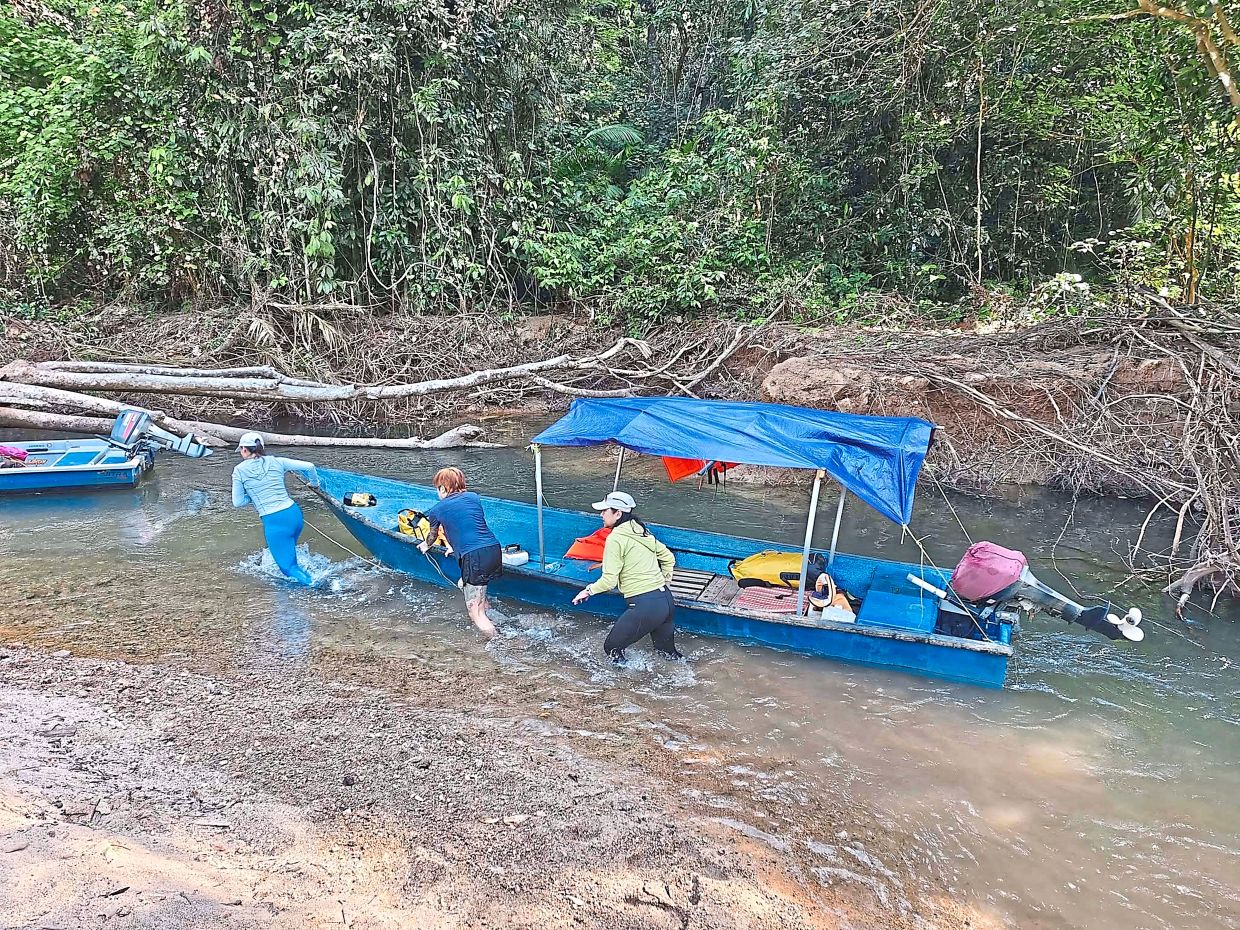
“When Muda Dam is full, we can travel by boat far to the upper reaches, leave the lake behind and enter one of the many small rivers that feed the lake to get to remote areas.
“Then we will be tens of kilometres from civilisation, and you truly experience jungle life,” he says.
Tigers, elephants and wild boar abound, but Lim has camped there so many times over 20-odd years that he knows where the suitable campsites are, away from normal trails.
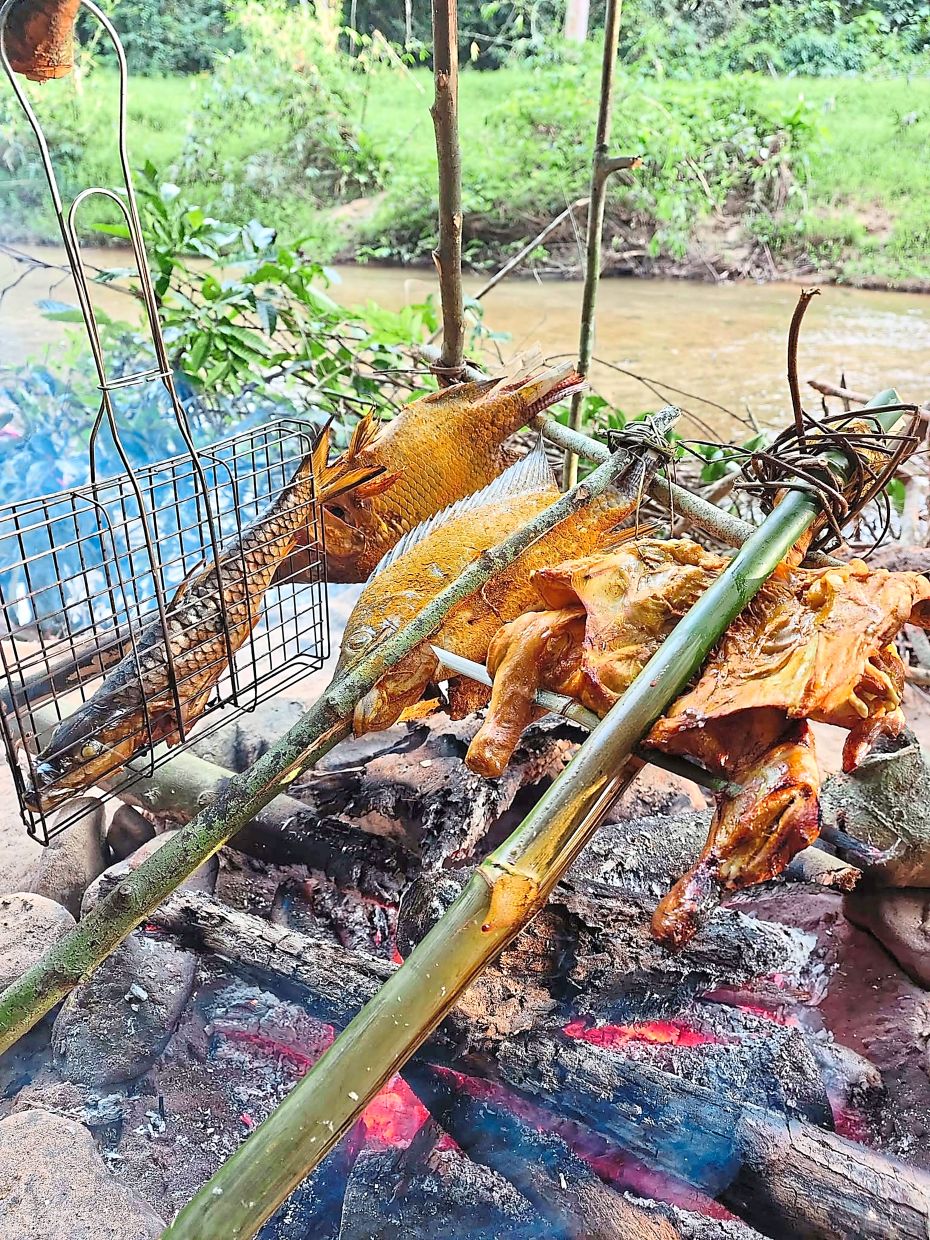
“Then all we really need is a small, smoky fire. I feel that wildlife connects the smell of smoke with the presence of humans and frankly, humans are most dangerous to them because we have hunted them for thousands of years.
“When they smell even a little smoke, they turn away and don’t come near,” he says.
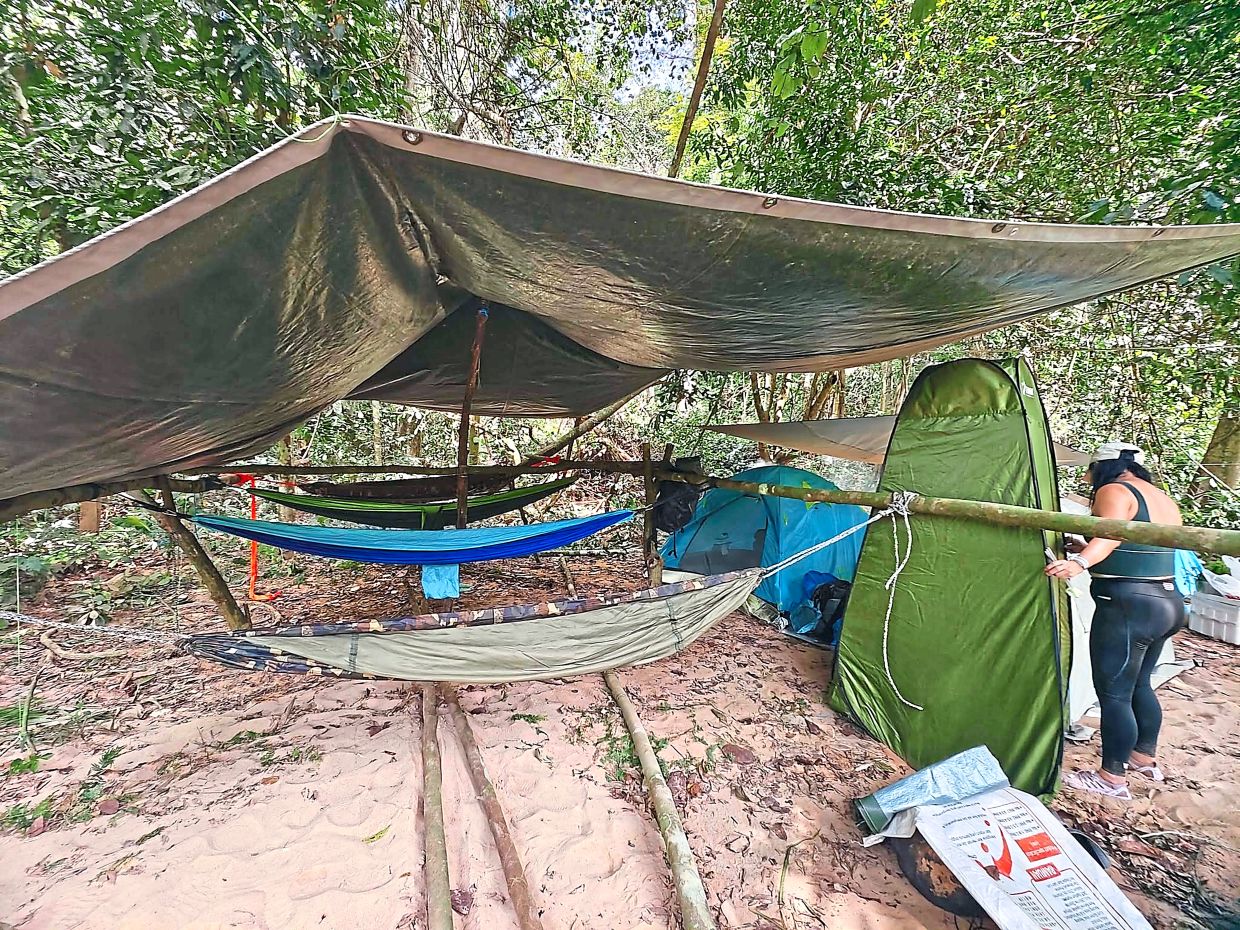
The other crucial camp management detail is to thoroughly clear the ground of all leaf litter and trim away nearby bushes.
He says dangerous creatures like scorpions, centipedes and snakes can enter the campsite using the leaf litter as cover, and such creatures will not move about on bare ground.
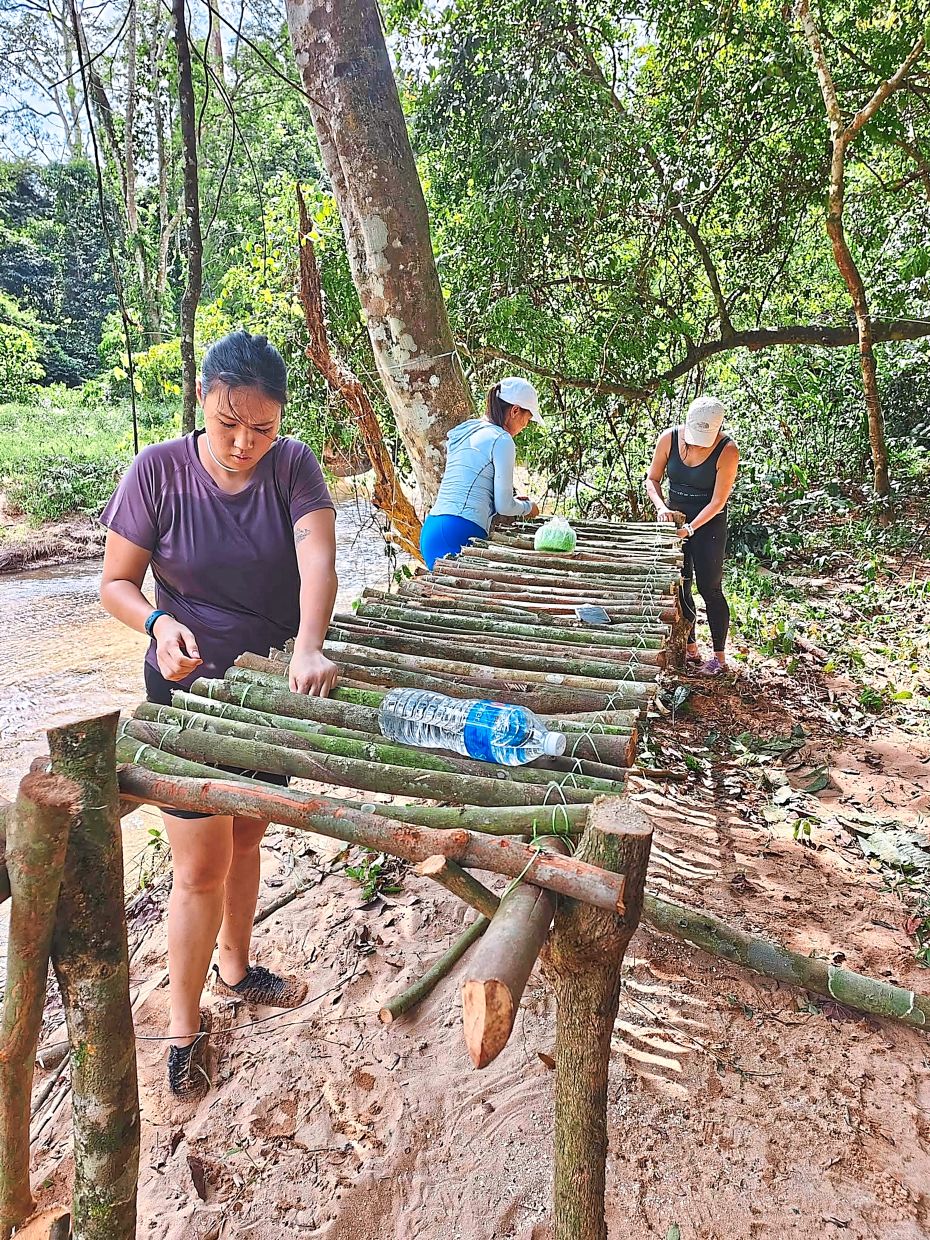
Cutting down small saplings and bamboo to build essential camp furniture is a necessity, Lim says, and he recommends choosing saplings carefully so that the camp needs as few as possible.

“You have to respect the jungle and its resources, so estimate how much wood you need and be economical when building furniture like your table or cooking platform.
“Do not harvest so much wood that after your trip, you end up leaving behind a lot of felled wood,” he says, adding that a small foldable saw is helpful for cutting the saplings into uniform lengths for building furniture.
He does not recommend building large bonfires, which is a waste of wood and too strong for cooking purposes.
While the fire should be kept lit all night long for safety, he says the more important aspect is the presence of smoke, so use the gathered leaf litter of the campsite to get the smoke plumes.
Lim says most of the dense jungles in Malaysia are protected forest reserves, and that means campers need to apply for permits to enter.
The permits are also for campers’ safety because they allow forest rangers to know the number of people in the site so that they can keep tabs on campers.
“If you have never tried wild camping, it is important to go with experienced friends.
“I have brought friends who are first timers along many times.
“Once I organised a trip with about 30 campers, and I roped in several experienced outdoorsmen to be part of the group so that we can help the first timers along,” he says.
After a night or three, when breaking camp, Lim urges people to always bring their refuse out.
“Bring extra trash bags and collect all your rubbish, even the bits of cut string. Don’t leave the slightest trace of your presence behind, but you can leave the camp furniture you build for future campers to use so that they won’t have to harvest tree saplings,” he said.