
For years, brands have increasingly embraced the idea of unisex scents.
A report by The Guardian in 2020, citing various industry insiders, even declared that fragrances had gone genderless.
While this reflects a more fluid approach to perfumery, it does not necessarily mean men and women have identical preferences when it comes to how they like to smell.
The men’s fragrance market, meanwhile, remains a distinct and growing segment.
According to Euromonitor International, men’s fragrances in Asia-Pacific are projected to record 6.8% value growth between 2023 and 2027.
The research firm’s 2023 Voice Of The Consumer beauty survey had already pointed to this trend, finding that 46% of male beauty consumers in the region wore perfume more than once a week.
An article published last year by the United States Chamber Of Commerce also reported that fragrance was the fastest-growing beauty category in 2024, with men among the key drivers of growth.
Despite the growing acceptance of gender-neutral scents, certain fragrance profiles continue to appeal strongly to male consumers.
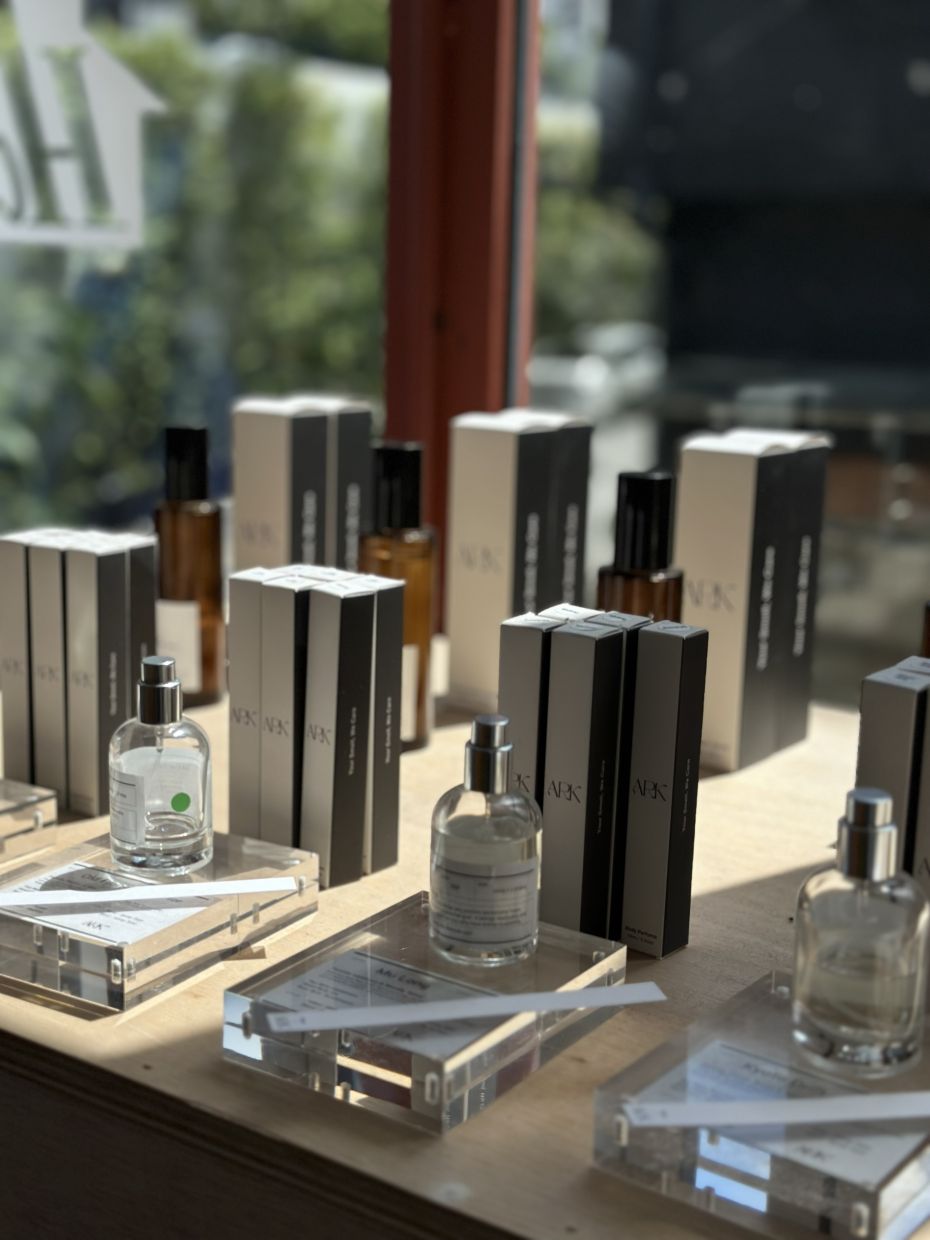
According to Shawn Wong, founder of local fragrance brand Ark Lifestyle, woody, fresh, citrusy and musky notes remain firm favourites.
These feature prominently in his best-sellers. One pairs wood sage with sea salt, while another brings together bergamot, lavender, vetiver, patchouli and cedarwood.
Both, he says, offer a deeper, more mature and sophisticated olfactory experience.
Wong has, nevertheless, noticed younger men becoming more adventurous in their choices.
“They seem more interested in lighter, fresher and gender-neutral fragrances, including tea-inspired, floral and soft musky compositions,” he shares.
Challenging masculine ideals
For Malaysian perfumer Aien Mokhtar, the question is not simply what men prefer, but how those preferences are shaped in the first place.
She suggests that men are often conditioned to gravitate towards particular scent profiles because of the way fragrances have traditionally been categorised and marketed.
Certain notes are still perceived as inherently feminine, fuelling the notion that men who wear them might be considered girly.
Yet these associations do not necessarily hold up in practice.
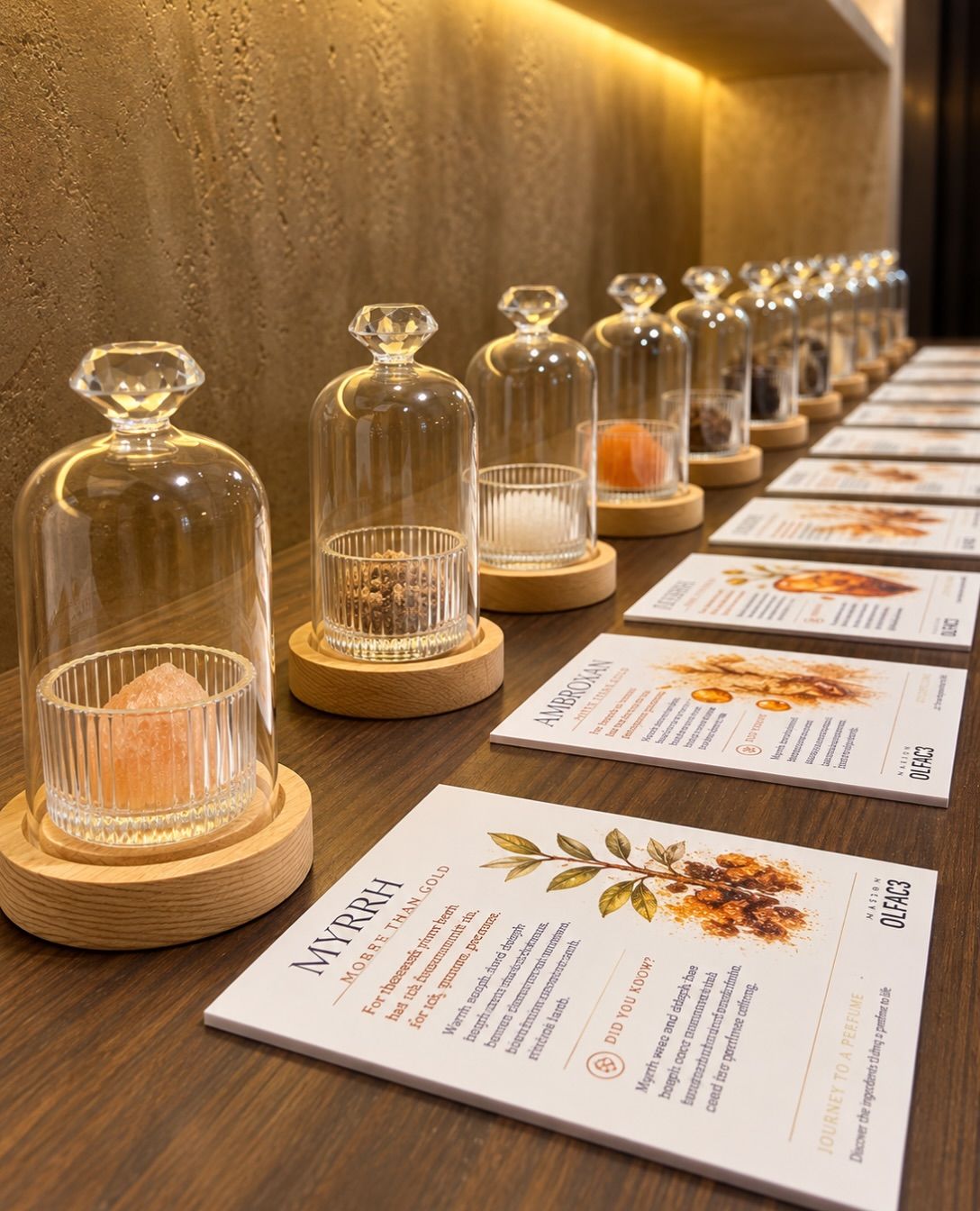
Aien points to one of the creations by her brand Olface, which combines floral and fruity notes with resins and woods to achieve a more androgynous character.
“It’s not your typical sweet, floral-fruity fragrance and, surprisingly, has its fair share of male admirers,” she relates.
There are also assumptions about the age groups driving the market.
Younger men are often seen as more interested in fragrance, viewing it as an accessible way to elevate their personal style, particularly in today’s image-conscious social media era.
Older men, meanwhile, are sometimes presumed to be less inclined to make such purchases.
Aien’s experience suggests otherwise. She says the men who visit her store tend to be in their 30s and 40s.
“While younger men may be showing greater curiosity, that doesn’t automatically translate into purchasing behaviour,” she stresses.
Read more: Is bespoke the future of fragrance? Inside beauty’s new scent status symbol
Capturing a man’s attention
Beyond personal preferences, there are other considerations when it comes to selling fragrance to men, including who ultimately influences the purchasing decision.
According to Aien, women can often have the final say when couples shop for perfumes.
“The man might love a particular fragrance, but his partner’s opinion can definitely influence the decision. And I suppose that makes sense, because she’s going to be smelling it on him too,” she says.
There are exceptions, however.
“Quite a few men are genuinely passionate about fragrances. Some are enthusiasts, connoisseurs or serious collectors,” Aien adds.
“These men tend to know what they like, what they already own, and what they’re looking to add to their collection.”
The way brands position fragrances to male consumers is also evolving.
Wong observes that perfume was once regarded as something used mainly for special occasions. Today, more men are incorporating it into their everyday lives, making it part of how they present themselves.
Traditional marketing, too, is moving beyond familiar gender stereotypes.
“In the past, men’s fragrances featured darker packaging, bold bottle designs and strong, masculine imagery, while women’s fragrances were associated with softer colours, floral elements and more elegant or feminine presentations,” he points out.
“However, these boundaries are becoming less relevant today. Consumers are increasingly choosing fragrances based on their personal preferences, emotions and lifestyle.”
Nevertheless, Wong admits that masculine branding still has its place.
“It plays an important role in influencing purchasing decisions. Traditional masculine branding can still resonate with certain audiences, particularly those who have established preferences,” he explains.
The rise of the male muse
The growing visibility of men in the fragrance market is also reflected in the faces chosen to front these campaigns.
Increasingly, brands are turning to male actors, musicians and athletes as ambassadors, leveraging their star power to connect with consumers and give their fragrances a more recognisable identity.
In 2012, Chanel made headlines by appointing Brad Pitt as the first man to front a campaign for its iconic women’s fragrance, Chanel N°5.
It was perhaps telling that a male celebrity was chosen to represent a fragrance traditionally marketed to women rather than one aimed at men.
Two years ago, Versace named Chinese actor Bai Jingting its global fragrance ambassador, with a remit that included promoting women’s scents such as Bright Crystal, Eros Pour Femme and Dylan Purple.
Against the backdrop of growing interest in men’s fragrances, brands are now stepping up their efforts to promote scents aimed specifically at male consumers.
Recent appointments include Jacob Elordi, Jonathan Bailey, Alexander Skarsgard, Tom Holland, Rauw Alejandro, Omar Apollo and J Balvin, all of whom have been tapped to front various fragrance campaigns.
Closer to home, Emporio Armani appointed Hun Haqeem as its first local fragrance ambassador in 2025, demonstrating how international brands are also seeking to connect with Malaysian male consumers through familiar faces.
Ajay Ramachandran, country manager of Luxasia Malaysia, acknowledges the role ambassadors play in giving a fragrance a more human dimension.
He explains that well-known personalities lend a scent a relatable identity, making it easier for consumers, particularly younger ones, to connect with its positioning.
The growing roster of male ambassadors therefore reflects more than a marketing trend. It also points to the industry’s efforts to engage an increasingly important consumer base.
Ajay makes an interesting observation about how the concept of masculinity itself is evolving.
“Campaigns are moving beyond strength, ruggedness and seduction towards authenticity, self-assurance and emotional depth,” he says.
He adds that featuring local personalities can make fragrance marketing more relatable to Malaysian consumers.
“In our experience, appearances by male celebrities, whether for fragrance, skincare or makeup, create significant buzz and draw very strong turnout at events,” he says.
Read more: Ask The Expert: Your guide to choosing and wearing fragrance like a pro
Guys here want to smell good too
When asked whether Malaysia is seeing similar growth in men’s fragrances, Ajay says the trend is evident here too.
Citing industry data, he notes that men’s fragrances have been outpacing women’s globally.
He also points to Euromonitor International data showing that strong growth in premium men’s fragrances helped lift Malaysia’s fragrance market in 2024.
Ajay describes fragrance as one of the most accessible forms of self-expression for men.
“It offers room to experiment with little social risk. That matters in Malaysia, where grooming habits and beauty perceptions are still evolving,” he says, referring to the lingering perception that taking care of one’s appearance is more of a woman’s concern.
With growing appreciation for fragrance, there is also room for men to trade up to more premium offerings, he suggests.
“As their knowledge grows, so does interest in premium fragrances,” he says.
“Collecting is rising, especially among younger men. They build a wardrobe of scents rather than committing to a single signature.”
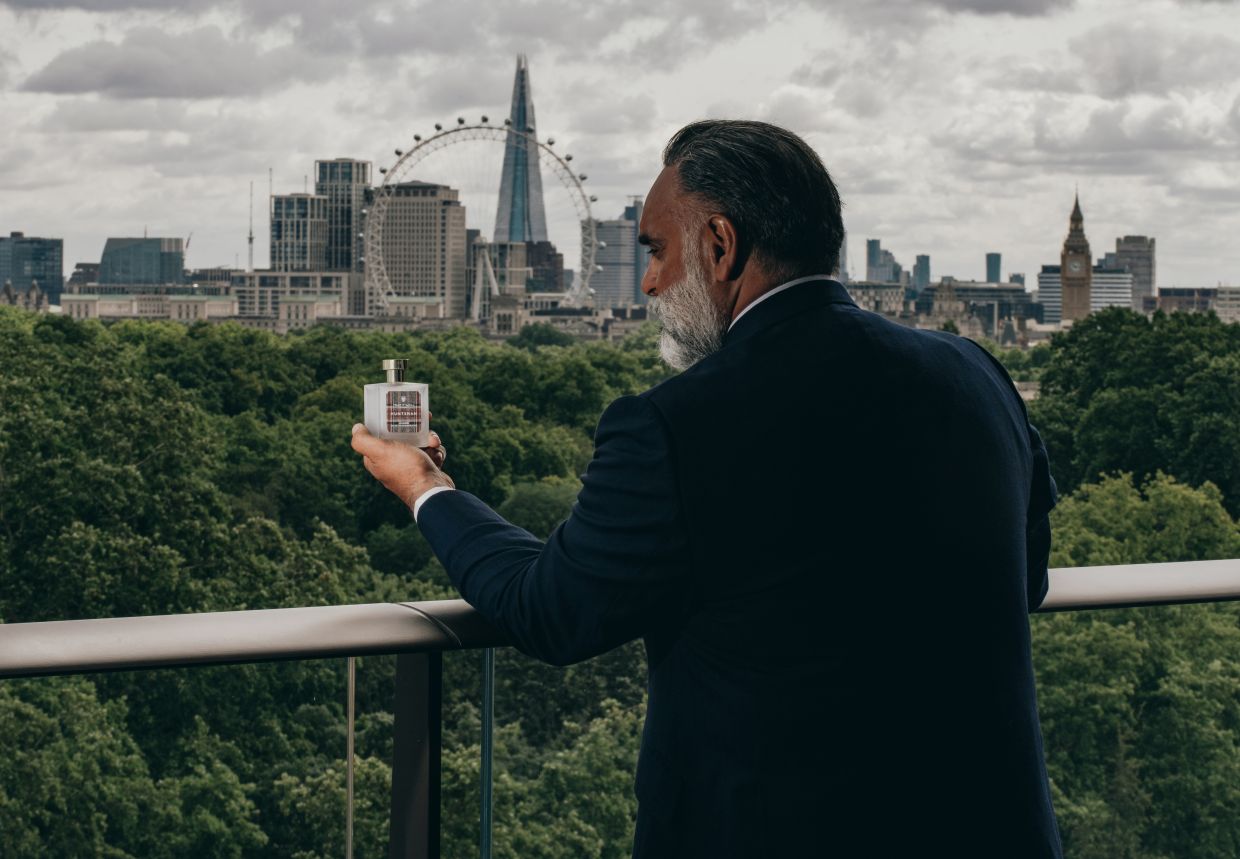
Peter Nastos, general manager of Truefitt & Hill Australasia and South-East Asia, sees a similar shift in men’s attitudes towards fragrance, which has become an increasingly important part of their daily routines.
Speaking at the Kuala Lumpur launch of the barbershop’s latest men’s fragrance, created in collaboration with Savile Row tailor Huntsman, he observes that men are moving beyond owning a single signature cologne.
“Years ago, man would have one cologne and always use the same one. Now, he would know to change his scent to adapt to something as simple as the weather,” he says.
According to him, a person might opt for something lighter during the day, particularly in tropical climates such as Malaysia, and switch to a heavier, woodier scent in the evening when temperatures are slightly cooler.
Fragrance is part of his personality
Nastos observes that men are becoming more discerning about fragrance, taking the time to research a scent’s ingredients and composition before making a purchase.
At Truefitt & Hill’s outlets in Melbourne, he has encountered customers who use apps to check a fragrance’s ingredients while shopping.
“They really, really look into that,” he says, noting that younger consumers in particular are paying closer attention to what goes into their fragrances.
For Nastos, however, the appeal of fragrance goes beyond simply smelling good.
“It’s about how a fragrance makes you feel,” he explains. “It’s more about, ‘I want to complete my outfit by wearing a fragrance, and then I feel like I’m ready to go.’”
Wearing a preferred scent, he adds, can boost confidence and become another means of expressing one’s personality.
Ultimately, the growing interest in men’s fragrances points to a consumer segment that brands can no longer afford to overlook.
As men become more comfortable exploring different scents, from familiar woody notes to more unconventional floral compositions, their expectations and purchasing habits are evolving.
For fragrance brands, this presents an opportunity to engage a wider audience, develop more varied offerings and tap into a market where men are increasingly willing to invest in how they smell.