Nazifi Nasri knows that fashion is a tough industry.
In the age of social media, where visibility is currency, the Malaysian accessories designer is navigating the landscape with a keen business sense.
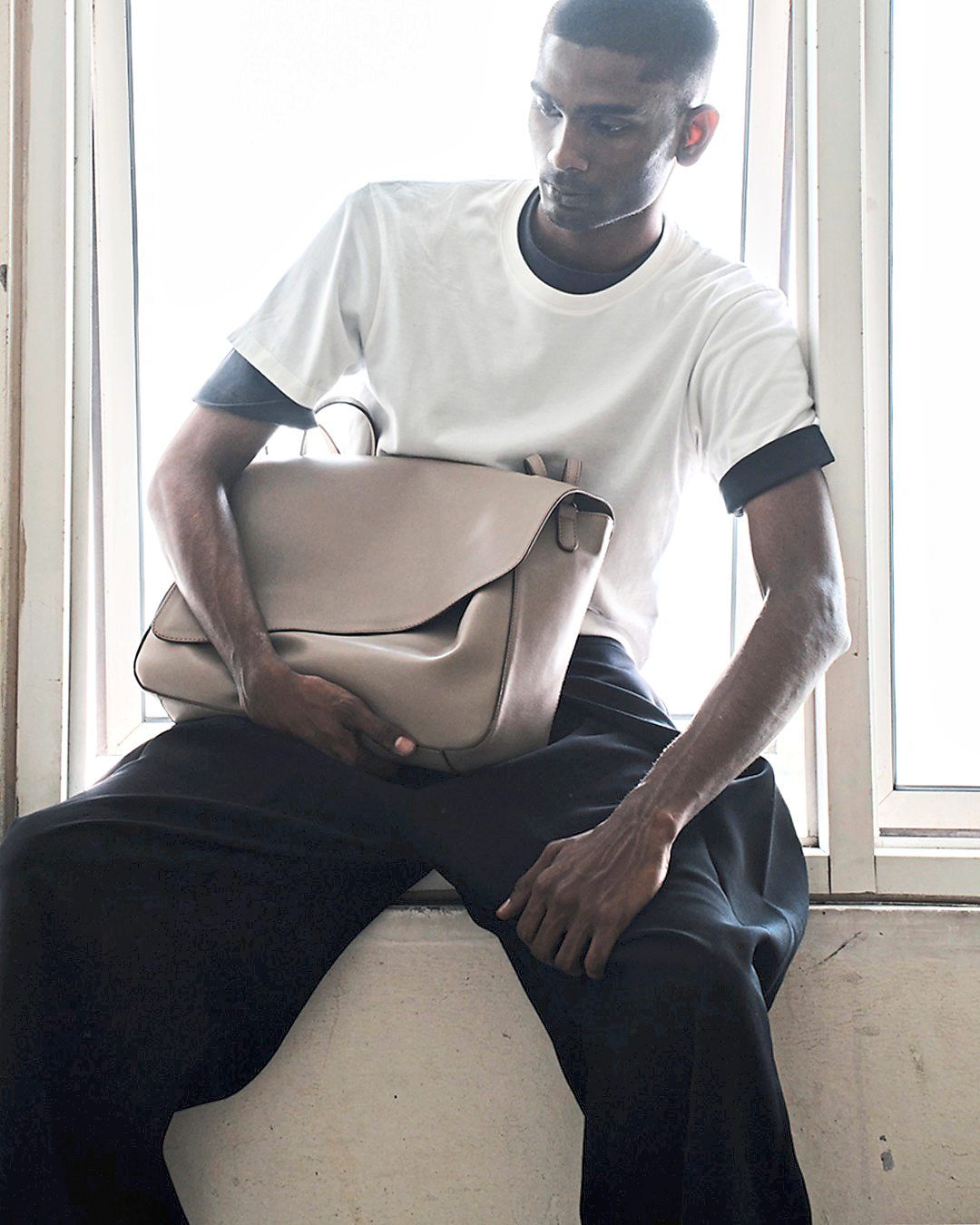
His bags went viral in 2023, drawing extremely long queues at a Hari Raya bazaar in Kuala Lumpur. Since then, his designs have developed a reputation for selling out remarkably fast, sometimes within hours of going on sale.
But when met at his design studio in Petaling Jaya for a recent photoshoot, Nazifi, 33, recalls the experience with some trepidation.
“I don’t want that anymore,” he says candidly.
For him, virality brought a different kind of pressure – one he could do without.
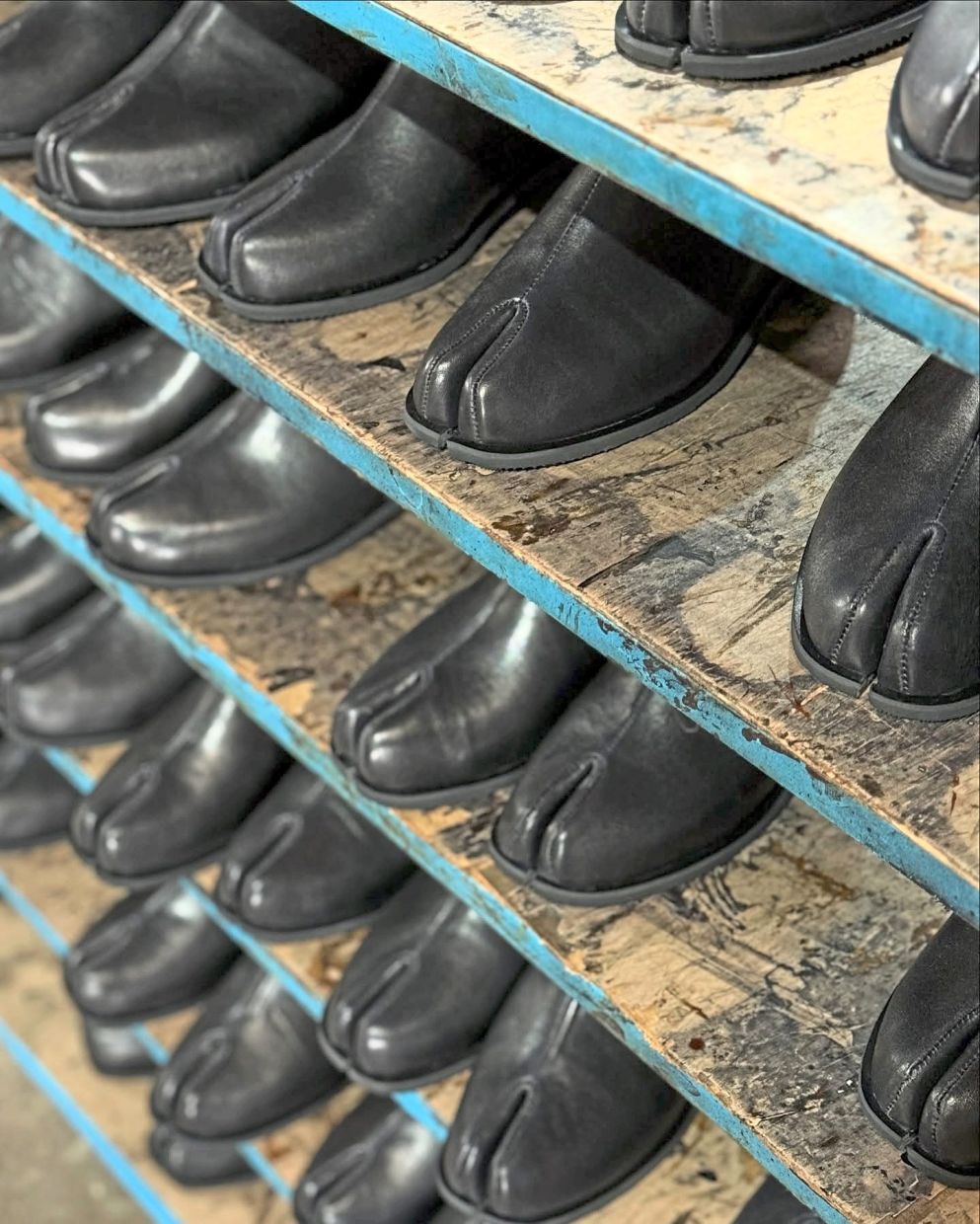
“I just want to design. My main passion is actually footwear,” he reveals, recalling how he started out selling little more than men’s sandals.
Yet there are clear advantages to going viral.
Nazifi made the leap to running his brand full time after his designs caught the mainstream attention of Malaysians.
A business graduate of Universiti Teknologi Mara, he started it as a side venture while working a nine-to-five job.
Perhaps it is his lack of formal fashion training that gives him a useful perspective.
As it is, he approaches designing accessories less as a fashion insider and more as someone with an understanding of his customer.
“I’m very conscious about creating designs that make sense for the local market – things that are simple, wearable and commercially relevant,” says Nazifi, who was born and raised in Johor Bahru.
He presents a more polished, glamorous version of himself on social media. In person, however, he is fairly understated.
Nazifi’s workspace is undecorated and somewhat cluttered, suggesting a man who favours practicality over showmanship.
Speaking to StarTrends, he carries himself with the same relaxed, unassuming manner.
“I prefer the pictures where I’m smiling,” he puts it simply – a departure from the familiar fashion pose, where seriousness is often treated as shorthand for looking edgy, cool and sophisticated, even when it can feel forced or fake.
What parts of your personality do people rarely get to see?
I’m actually quite simple, easy-going and fun.
I’d say I’m quite a nonchalant person too. I don’t take everything too seriously, and outside of work I’m just a normal guy who likes to hang out, travel and have a good time.
I think people probably see a much more relaxed side of me outside the fashion scene.
Read more: Framing fashion: Bibo Aswan, the photographer shaping Malaysia's visual style
As an accessories designer, what draws you to the details that others might overlook? What can a bag, shoe or other accessory communicate about a person that clothing alone cannot?
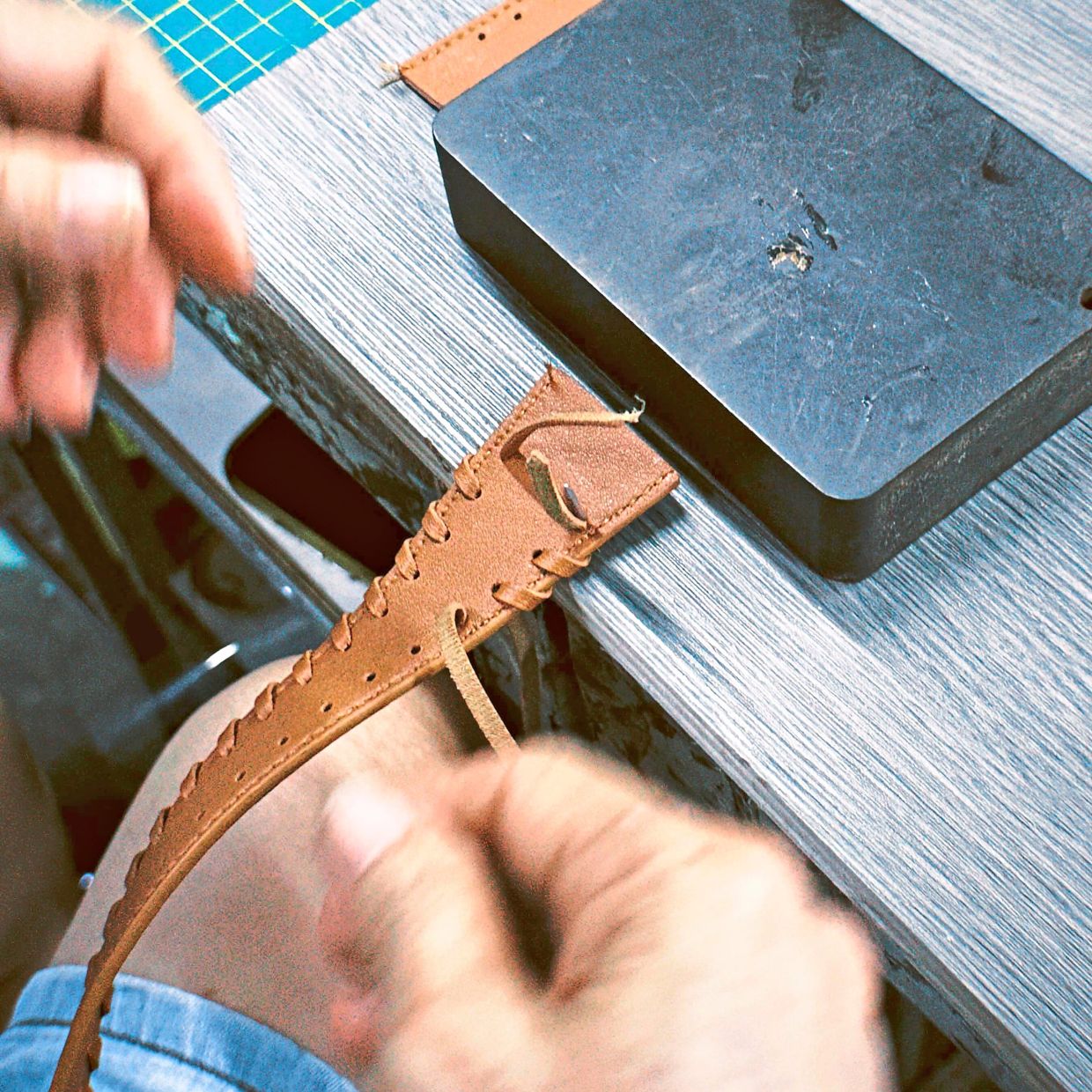
For me, it always comes back to craftsmanship. Things like the stitching, the edge painting, the cut, the proportion and even the shape of a bag can make a big difference.
Sometimes people may not immediately notice these details, but they can feel when something is well made.
I also think accessories say a lot about someone because they’re usually the things people choose very personally. A bag or a pair of shoes can completely change how you carry yourself, even if you’re wearing something very simple.
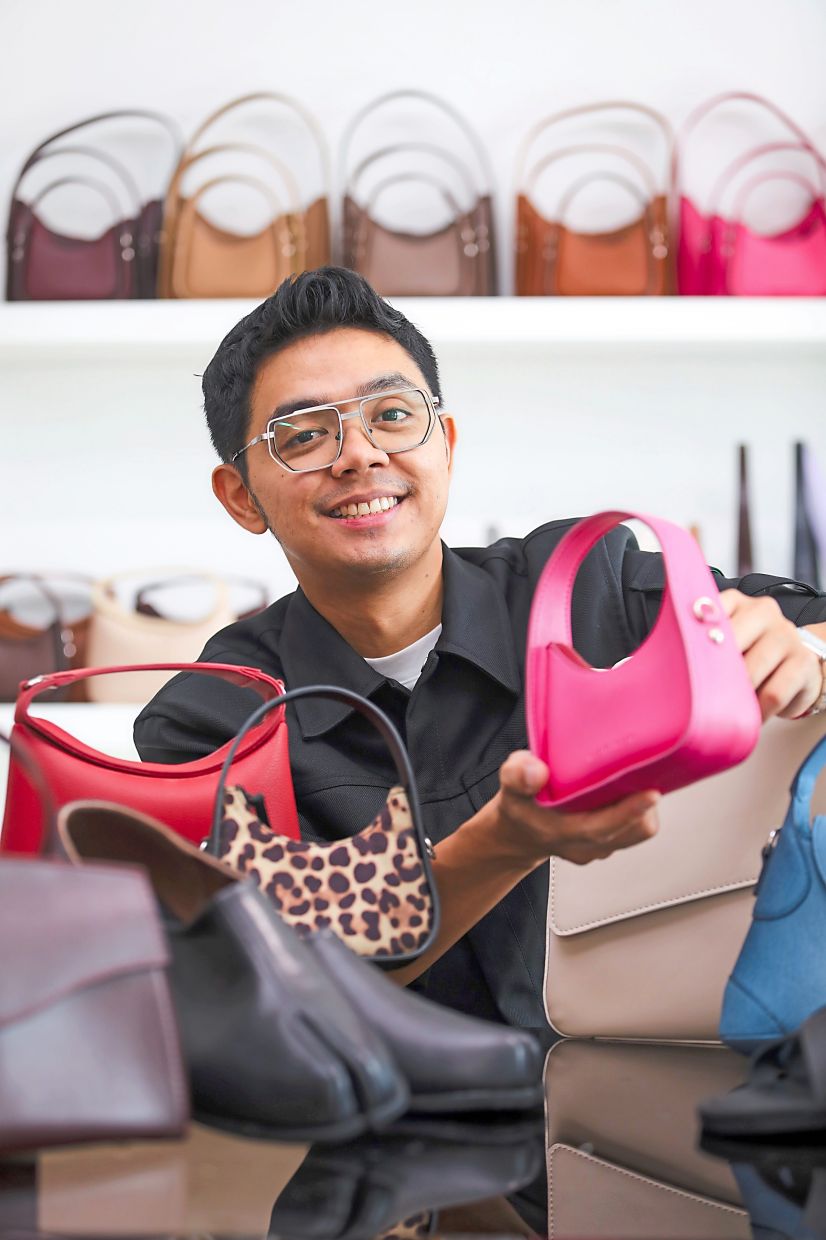
What are the key bag trends right now? The Oked bag that went viral was a smaller design – are tiny bags still having a moment?
I see more people buying bigger bags these days.
I think a bag that can easily fit all your everyday essentials is just more practical.
A few years back, micro bags were the trend. It really took off with Jacquemus, which became a cult favourite among the runway crowd.
You could say it’s a recession indicator – when people start buying bigger bags because they’re more practical and can be used for longer, rather than becoming obsolete when the trend fades.
But I still think it’s simply sensible shopping.
Your work has found an audience online, with certain moments going viral. How do you feel about that kind of visibility, and has going viral changed the way you approach your designs?
Definitely. I’m more careful now. Once something goes viral, you realise that a lot more people are watching and having an opinion.
It has also changed my perspective on the business.
We pay attention to much more detail now because everything can potentially become a viral moment.
In terms of design, I think my work has become more commercial too.
I still want to push creatively, but I also have to be realistic. If something is too fashion-forward and people don’t want to buy or wear it, then it doesn’t really work as a business.
So now I’m constantly trying to find that balance between what I like and what people actually want.
Being in the fashion limelight, how have you dealt with criticism and the need to constantly prove yourself?
I’ve received criticism before, and of course sometimes you take it personally, but I try not to let it stay with me for too long. If there’s something useful in the criticism, I take it and slowly improve.
I don’t really feel like I have to prove myself to everyone. I’d rather focus on the work and let the work speak for itself.
Read more: Fashion ties that bind: Siblings at the heart of Malaysian label Yuleza
What has changed most about you since you first started in fashion? And what part of the younger Nazifi have you deliberately held on to?
I think I’ve become much more careful and aware of my decisions.
When I first started, I was more carefree and would just do whatever I liked.
Now, there are so many things to think about – customers, production, pricing and whether something will actually sell.
But I still try to keep that younger version of myself who just wants to create and have fun with it.
Would you say this chapter of your career is about becoming more yourself? What are you still trying to prove, to the industry, to others or perhaps to yourself?
I think so. Now I’m more comfortable with who I am and what I want the brand to be.
For the next chapter, I want to grow without losing the identity of the brand.
I want Nazifi Nasri to be recognised not just as a local brand, but as a brand that can stand on its own outside Malaysia too.
I don’t think I’m trying to prove that I’m a great designer. I think I’m more interested in proving to myself that I can build something that lasts.