Fashion is very much a part of the Hari Raya festivities each year. Dressing up adds to the joy of celebrating with loved ones.
While everyone approaches it differently, most would agree that wearing something special helps make the occasion more memorable.
“I’d choose something I don’t have to worry about throughout the day, because usually I’m busy in the kitchen or spending time with family,” says Malaysian actress Anna Jobling, when met at a Buka Puasa event recently.
She adds that comfort is a main priority, but her style also leans towards the traditional.
“I don’t like having too many things going on with what I’m wearing. I prefer my festive outfits to be very simple. I celebrate in my kampung and things can get quite hectic during the first few days.”
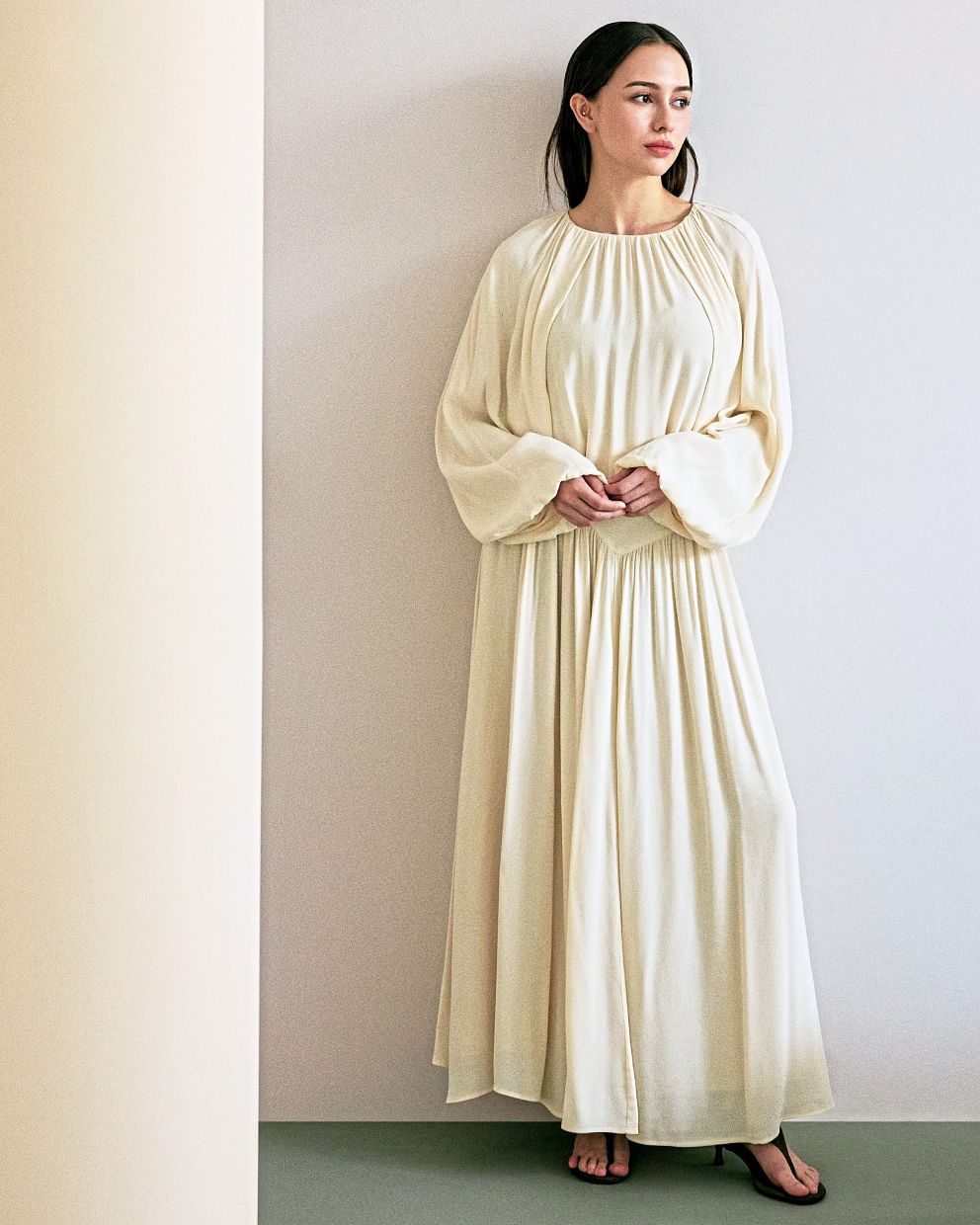
“With the collection I curated, everything is easy to wear. There’s nothing you need to worry about once you put it on,” she shares.
“You can also mix and match the selections to create different looks. They’re all in neutral colours, so it doesn’t mean you can only wear them during Hari Raya.”
Read more: Hydrate, protect, simplify: Caring for your skin during Ramadan and beyond
Designers are well aware of the demand for practical clothing during the festive period.
Nurita Harith says she always balances tradition and modesty with comfort. To make her collections stand out, she incorporates custom prints and quality fabrics.
She adds that while trend shifts tend to be subtle, there are still ways to keep each year’s collection feeling fresh.
“We can’t explore too much when it comes to the cut, but designers still need to try their best to think of something different in order to generate interest and excitement,” she says.
Nurita gives the example of her current collection, which places a stronger focus on exclusivity through prints developed from her own watercolour paintings and translated into custom colour palettes.
Classic and practical styles
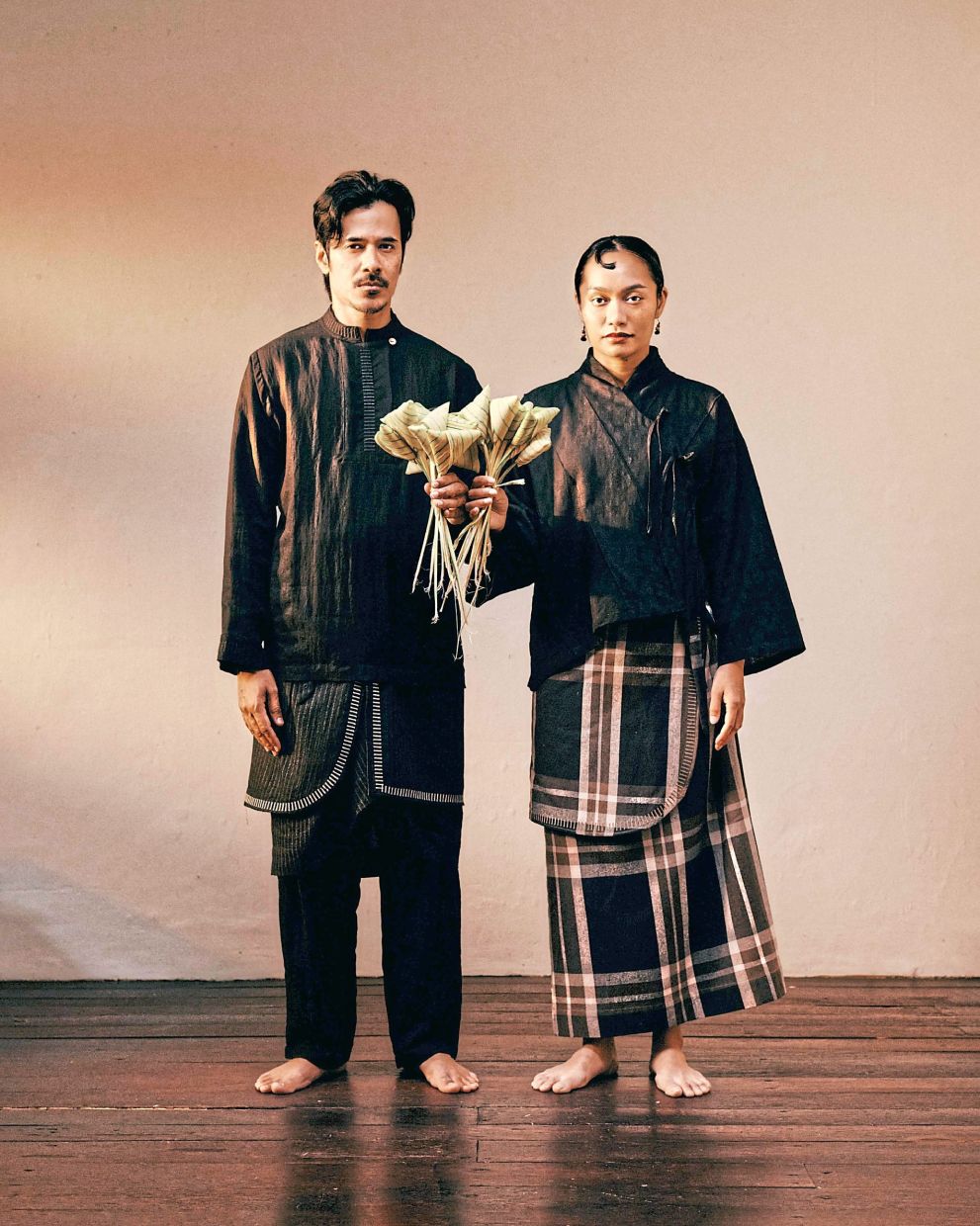
Every year, families embrace the trend of wearing matching outfits for Hari Raya. While bold colours are often the easiest way to coordinate, many brands are leaning towards earthy tones this time around.
“We see the Malaysian tradition of family colour coordination as a beautiful way of showing unity,” says Ana Abu, whose eponymous label draws inspiration from local delicacies for its Hari Raya collection.
The pieces come with playful names like Ketupat Palas Kebaya Jangan and Lemang Baju Melayu.
Ana’s designs reinterpret traditional attire that remains beloved across generations.
One example is a kebaya with a wrap closure and adjustable tie knots instead of traditional buttons.
For more classic silhouettes, she experiments with modern fabrics or contemporary prints.
The overall intention is to offer easy-to-wear essentials – like a samping with a fastening mechanism that requires zero folding.
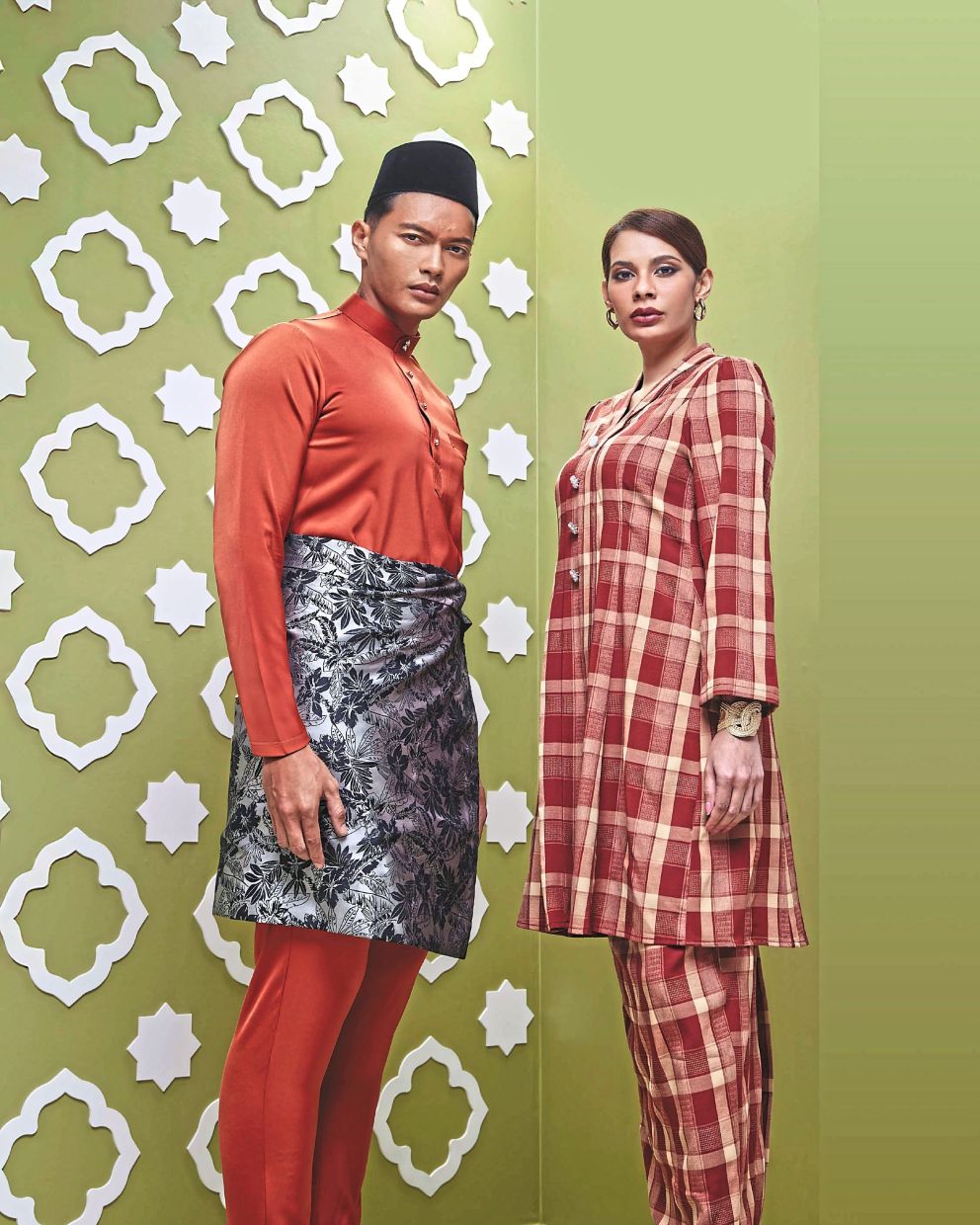
For Zairin Azman, founder of the Umma label, wearability is essential for Hari Raya collections.
“Our collection focuses on breathable fabrics, comfortable cuts and clean silhouettes that allow ease of movement throughout long days of celebration,” she says.
“Each piece balances function and beauty, offering timeless elegance that remains polished from morning prayers to evening gatherings.”
This year, Zairin says she is designing for individuals who appreciate heritage with a modern sensibility.
“The Umma woman and man embody timeless charm, grounded in Malay tradition, yet drawn to modern softness, dreamy fabrics and refined simplicity.”
Read more: Fashion ties that bind: Siblings at the heart of Malaysian label Yuleza
Well-thought out designs
Perhaps another concern when shopping for Hari Raya clothes is quality – as well as pricing.
With so many options available, shoppers are increasingly mindful of whether a piece will last beyond the festive season and offer real value for money.
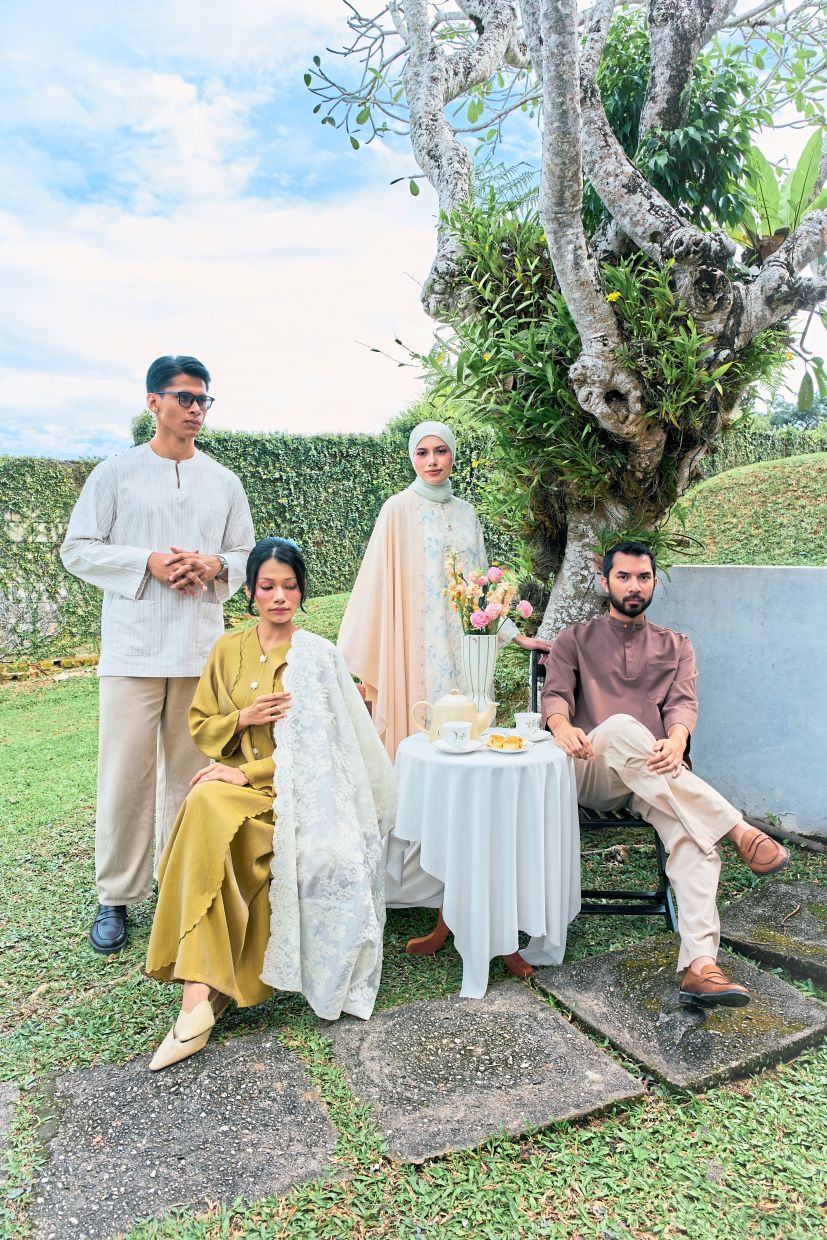
“They want design credibility, quality and reasonable pricing,” she shares.
Lim adds that while affordability is key, aesthetics and functionality should never be compromised.
“Selected designs incorporate hidden zippers at the cuffs to facilitate wudhuk, as well as discreet front openings that are breastfeeding-friendly,” she explains regarding Aeon’s Hari Raya fashion range.
“These are small but meaningful details that make a big difference during the festive season.”
As it is, affordability does not mean style has to be sacrificed.
“Structured drapes, refined finishing and well-considered proportions ensure that comfort and elegance coexist,” says Lim.
“Practical festive style, in our view, empowers customers to feel confident, polished and at ease throughout the entire celebration.”
This focus on wearability reflects a larger trend in festive fashion where brands strive to balance elements of tradition and modernity while offering inclusive pricing and practical designs.
Style is a big part of the celebration, but so is thoughtfulness – and this should not be forgotten.
“Our Hari Raya 2026 campaign is themed ‘Cerita Raya’, which centres on the stories, memories and emotions that make each family’s celebration unique,” Lim concludes.