Family photographs do more than preserve memories. They can also capture the everyday lives of earlier generations and offer a glimpse into Malaysia's social history.
Recognising the importance of such photographs is the exhibition, "Grandparents: A Living Archive 1.0", which takes place from Oct 8-10 at Badan Warisan Malaysia (BWM), 2, Jalan Stonor, Kuala Lumpur.
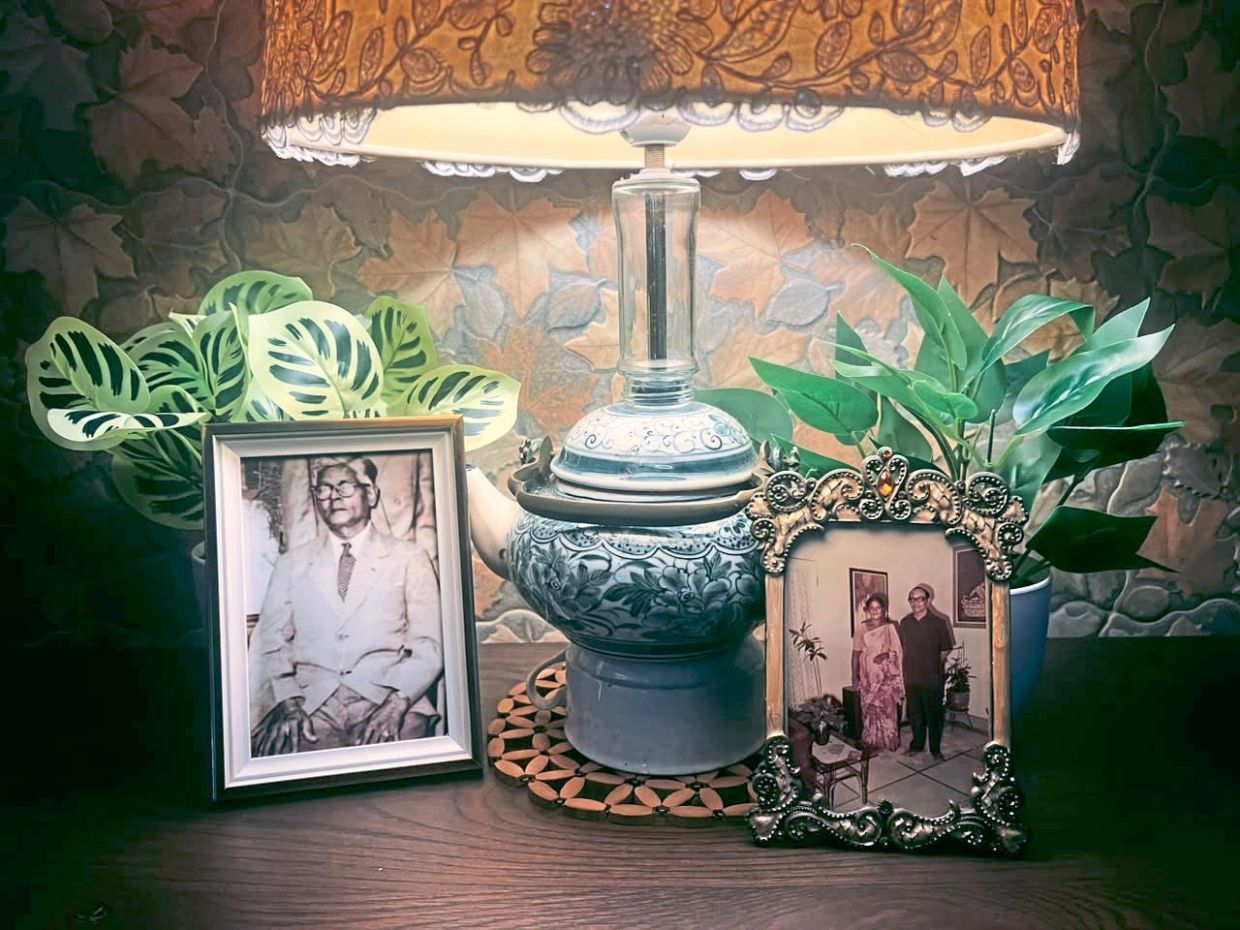
This community-driven exhibition, curated by KL-based history graduate Sonia Latha, 23, brings together photographs contributed by members of the public to explore the lives of grandparents not only as family memories, but also as fragments of a wider social history.
The free exhibition, held from 9.30am to 4.30pm, is built entirely from photographs submitted by members of the public and the curator's grandparents.
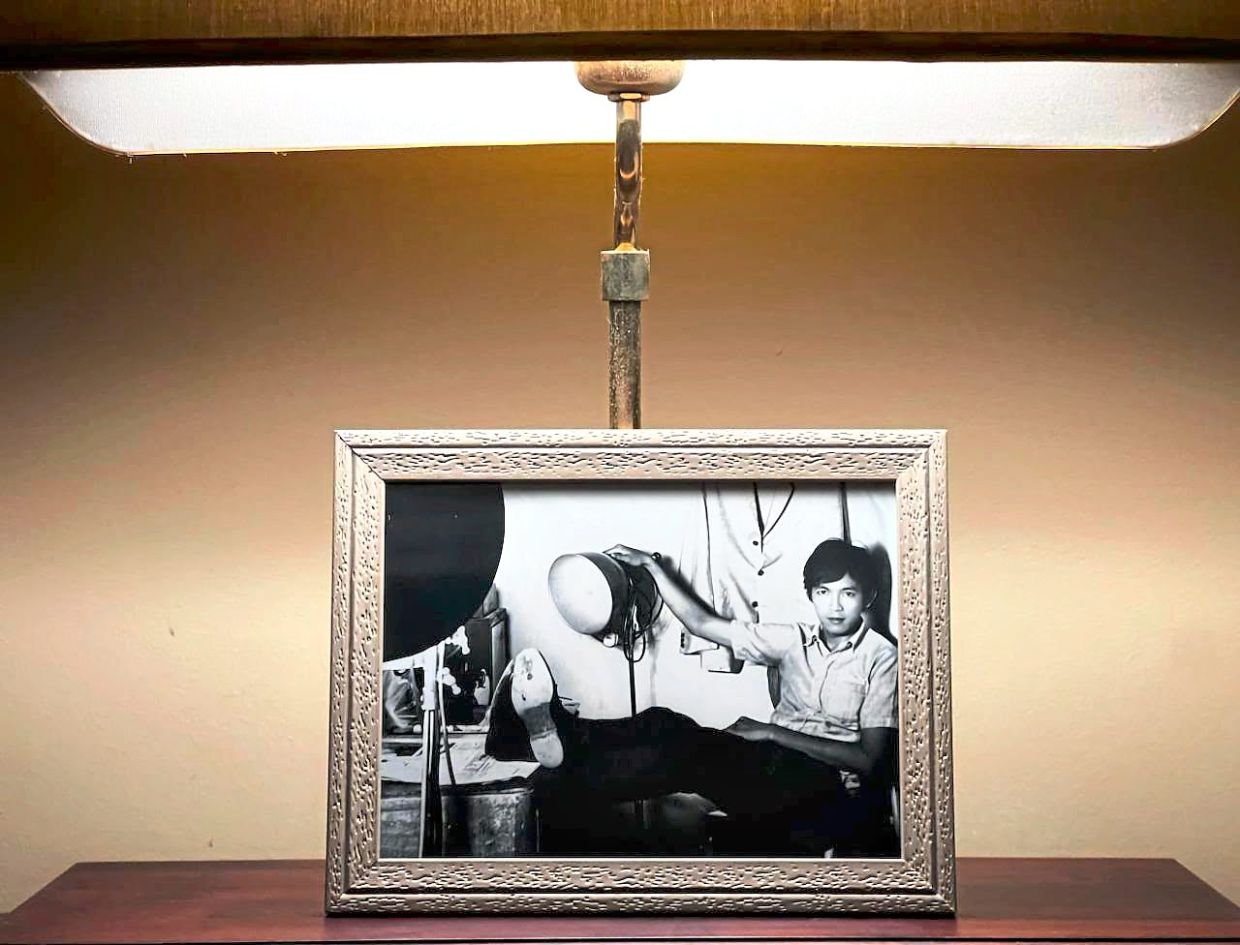
"Rather than drawing from an institutional archive or a single family collection, it brings together photographs that have been privately kept and preserved by families, all of which have never been displayed publicly before.
"The term 'Living Archive' refers to the way these photographs continue to hold and generate meaning through the people, memories and stories connected to them," Sonia says in an interview in KL.
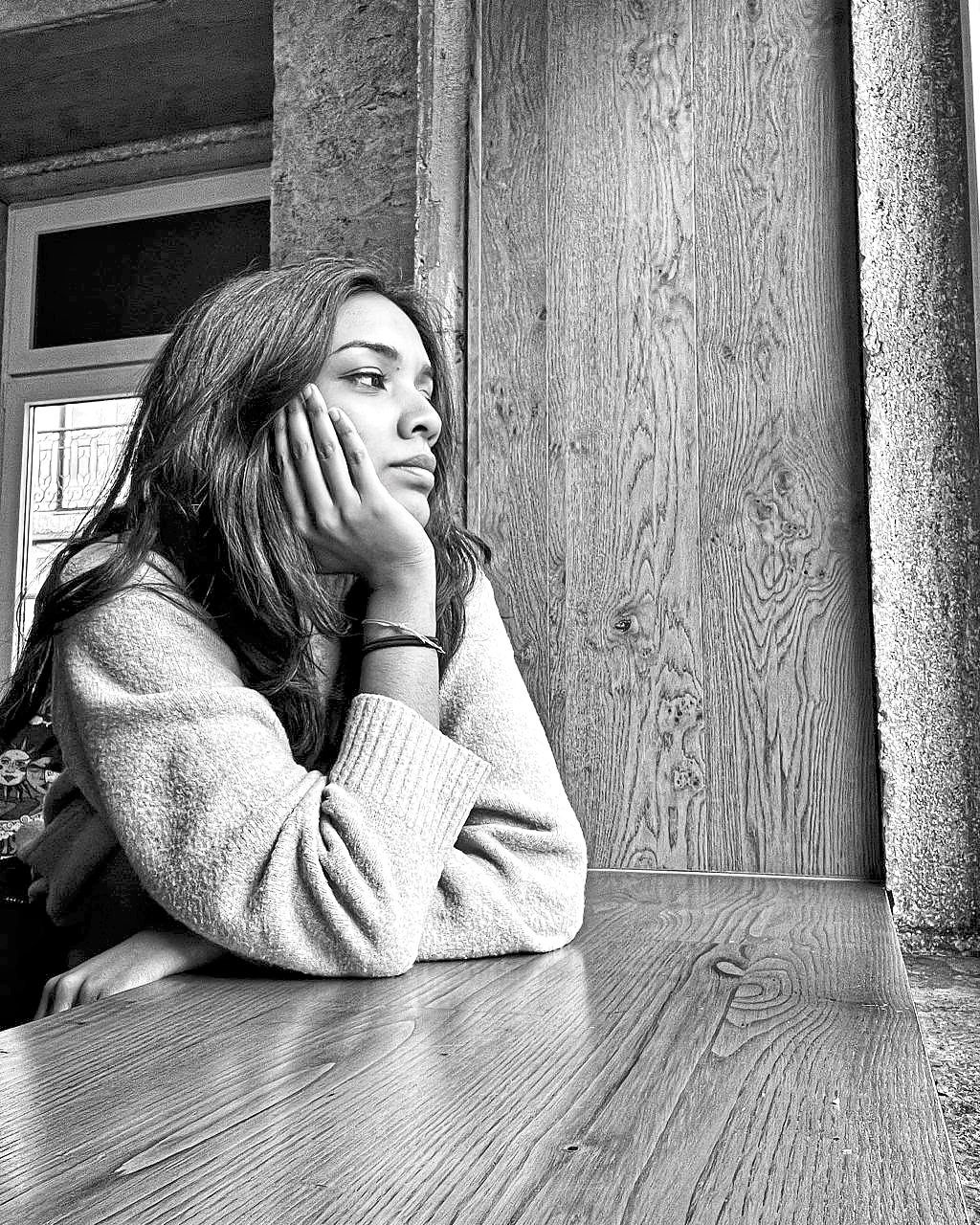
Hence, the term is fitting as the exhibition brings private photographs from the public into a shared space, she says.
"It allows these personal records to become part of a broader, evolving understanding of Malaysian history. The photographs offer glimpses into the everyday lives of earlier generations – from family portraits and celebrations to work, migration, businesses, education and ordinary moments of domestic and social life.
"Individually, they are personal photographs. However, collectively, they offer a way of looking at the people, places and experiences that shaped Malaysian life. Therefore, at the heart of the exhibition is a question about what we consider to be history," says Sonia, a former contributor of The Star's weekly kids column, Starchild.
Official archives often preserve the records of institutions, governments and prominent individuals. However, family photographs tend to remain in albums, drawers and boxes, valued primarily for their personal significance.
The exhibition will be presented in an intimate space at BWM, allowing the photographs to be encountered at a more personal and contemplative scale.
"The smaller setting allows visitors to spend time with photographs and stories, creating an experience that is closer to entering someone’s family album than visiting a large-scale exhibition.
"A photograph may preserve a person’s appearance, a particular place or moment in time, while the stories surrounding it can become increasingly difficult to recover as generations pass."
"Grandparents: A Living Archive 1.0" hence asks what might happen when some of these private records are brought into a public space and viewed as part of a larger historical picture.
"By bringing these photographs together, the exhibition creates a space in which personal memory and collective history can meet. Likewise, each contribution remains connected to the individual or family that submitted it," says Sonia, who holds a Masters degree in International and Asian History from the London School of Economics.
For enquiries, email soniahistorian@gmail.com.