
Rebecca Jo-Rushdy’s relationship with shopping began when she was a young child, with innocent purchases such as a new pencil case or sticker sheet.
“I was eight years old when I discovered the high,” recalls Jo-Rushdy, 39.
“Something small and shiny that felt like possibility.”
As a highly sensitive child who struggled to understand her own sensitivity, shopping became a way of regulating difficult emotions. That pattern continued into adulthood, with everything from notebooks to designer purses providing a brief sense of excitement, anticipation and relief.
“I don’t think I was chasing possessions. I was chasing a feeling,” she recalls, describing herself as a chronic shopaholic then.
The turning point came about 12 years ago. While she was pregnant with her eldest daughter, she discovered Marie Kondo’s book The Life-Changing Magic Of Tidying Up.
What resonated with her was its gentleness rather than a message of restriction or deprivation.
“It wasn’t shaming. It wasn’t rigid. It was gentle. And something in that gentleness landed in my nervous system,” says the international KonMari master consultant who was Malaysia’s first KonMari consultant.
Through what she learnt, she began to examine not only what she owned, but why she was holding on to things.
Jo-Rushdy realised she had never really learned how to let go – whether of possessions, emotions or the need to fix discomfort through acquiring something new.
The process changed her relationship with consumption. Instead of trying simply to stop shopping, she began learning healthier ways to regulate herself through journalling, gratitude, meditation, movement and spending time in nature.

Awareness also became key, she reveals.
“When people truly know what they own, they are less likely to keep searching for things they believe they need.”
She often hears from former clients who rediscover forgotten belongings and joke that they are now “shopping from their own home”.
Jo-Rushdy believes clutter can similarly be a clue to emotional overwhelm rather than a sign of laziness or poor housekeeping. When people are stressed, decision-making becomes harder and possessions can accumulate.
“Clutter isn’t a character flaw – it’s often a clue that someone needs support rather than judgement,” she says.
Her advice is to create a pause between wanting something and buying it. Instead of purchasing immediately, add it to a wish list and return to it later.
Then ask: “Do I really love this? Does it add value to my life? Or am I hoping it will change how I feel?”
Jo-Rushdy is quick to point out that enjoying beautiful things is not the problem. The KonMari philosophy itself celebrates joy, or tokimeki – that feeling of delight when something genuinely resonates with us.
The difference lies in intention.
“If you’re buying something because you genuinely love it, appreciate the craftsmanship, or because it adds value to your life, that’s very different from buying to numb, distract or escape uncomfortable emotions,” she says.
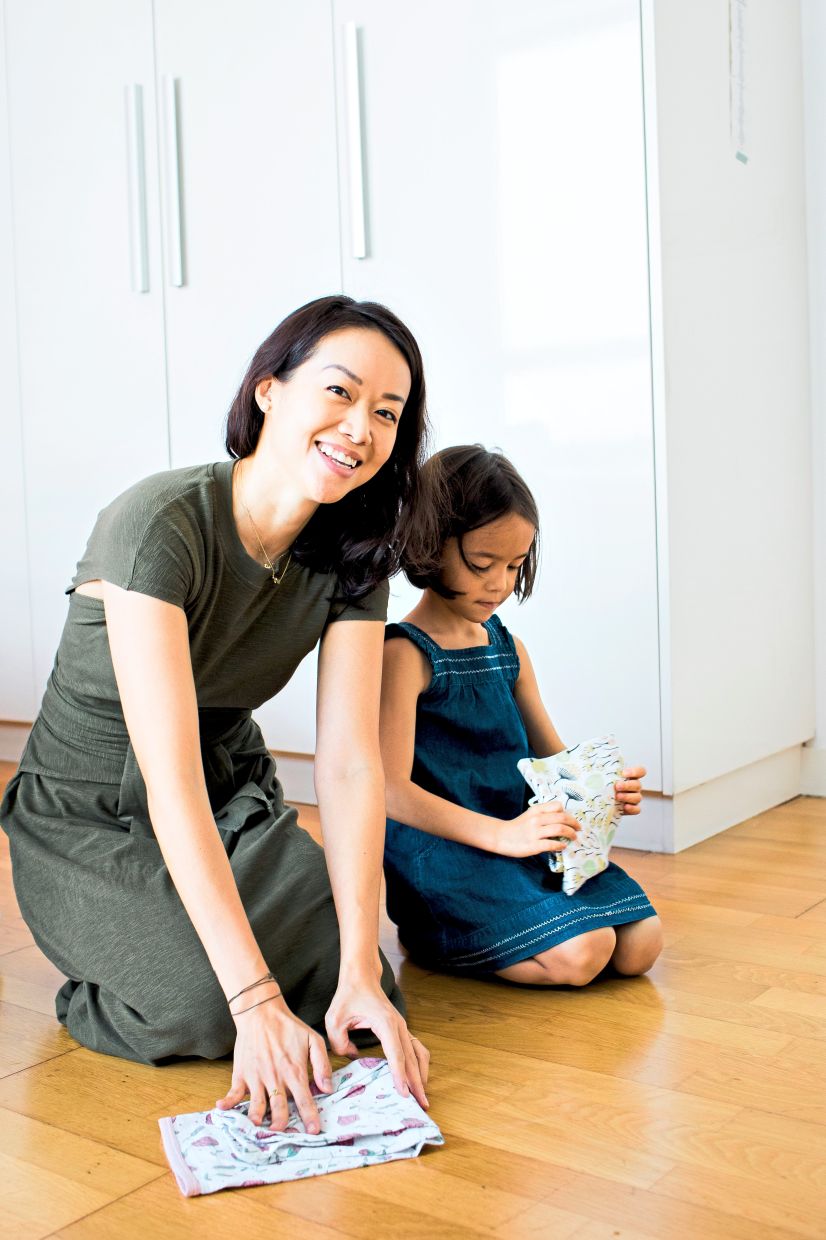
Ultimately, she believes emotional spending should be approached with compassion rather than shame. Behind the behaviour, there may be a genuine emotional need that someone has not yet learned how to meet in another way.
“Awareness is where agency begins,” she says.
For Jo-Rushdy, learning to pause, feel and let go has enabled her to find something more lasting than the temporary high of a purchase: genuine joy in what she already has.
Rethinking our relationship with things
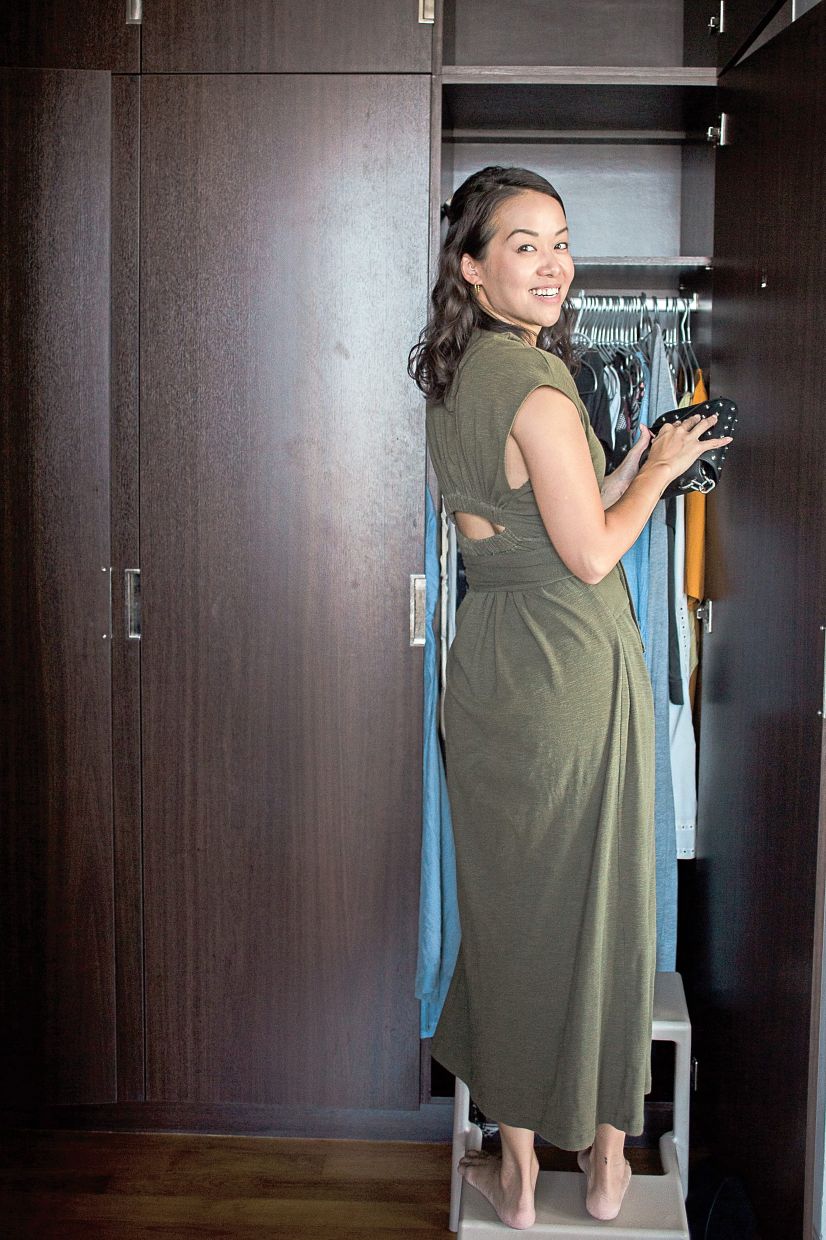

When people truly know what they own, they are less likely to keep searching for things they believe they need, says Jo-Rushdy.
As a mother of two, Jo-Rushdy wants her children to understand that comfort and happiness can come from relationships, creativity, nature, experiences and things they already own.
Jo-Rushdy was Malaysia's first Kon Mari consultant and is currently based in Edinburgh, Scotland, where she lives with her family.
Jo-Rushdy encourages people to rethink their relationship with things because that’s key to dealing with compulsive shopping.