When Dorairaj Nadason applied for a job as a reporter at The Star’s office in Brickfields, Kuala Lumpur in 1980, he never thought he’d embark on a career spanning one of the most transformative periods of local journalism.
The 20-year-old was an agriculture student at Universiti Pertanian Malaysia (now Universiti Putra Malaysia) in Serdang, Selangor, but quickly realised agriculture was not the path for him.
“I knew nothing about it,” recalls Dorairaj with a laugh. “One day, they asked me to buy a trowel. I came back with a towel.”
Determined to change course, he applied to a technical college in Seremban. While on holiday in KL, he decided on a whim to walk into The Star’s office to ask if there were any vacancies.
He was called for an interview, sat for a written English test and, to his surprise, was offered the job.
“If I had studied at the technical college, my life could have gone in a completely different direction. But when The Star offered me the job, the salary was RM450 a month – RM250 as a reporter, RM50 for transport and another RM200 as a cost of living allowance (Cola). That was big money for a 20-year-old.”
Today, Dorairaj is a consulting editor with The Star.
Learning the ropes

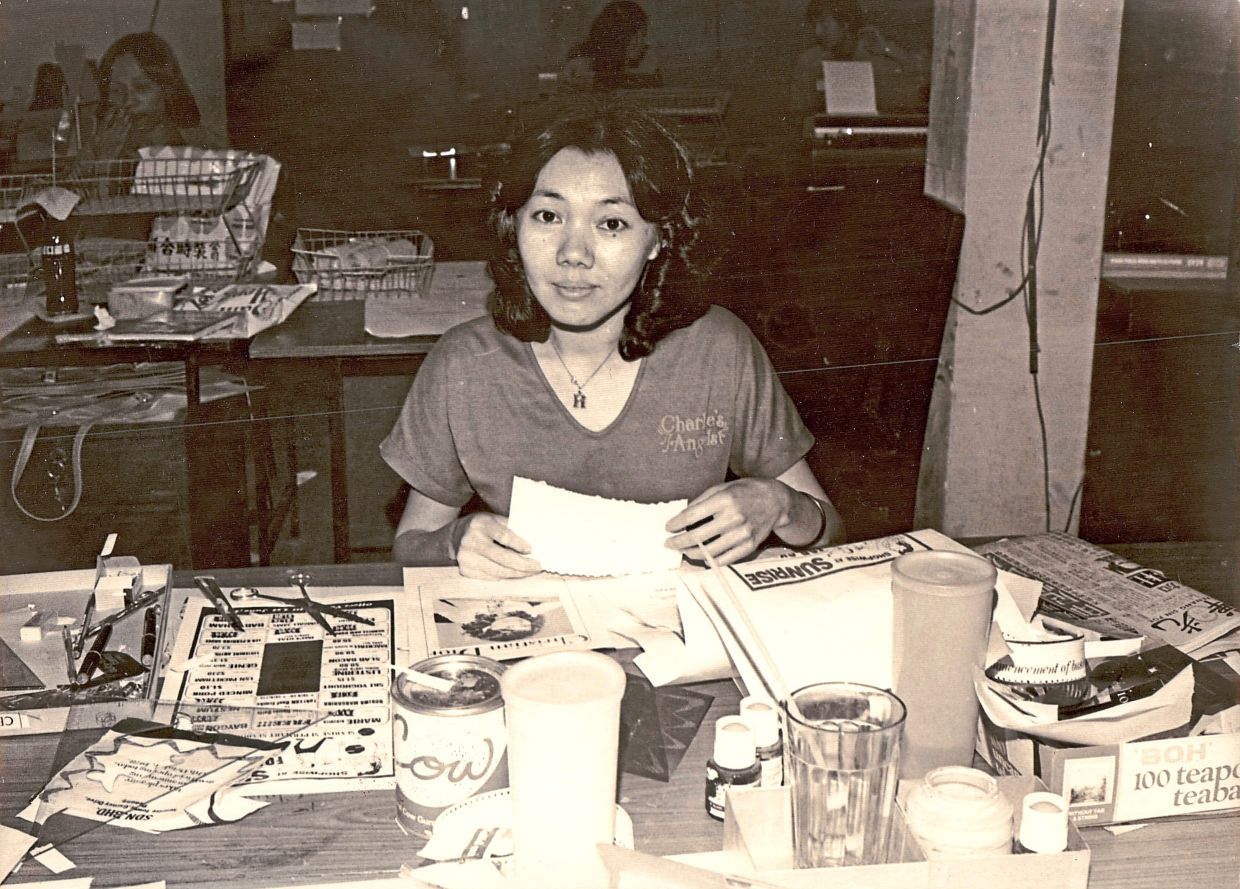
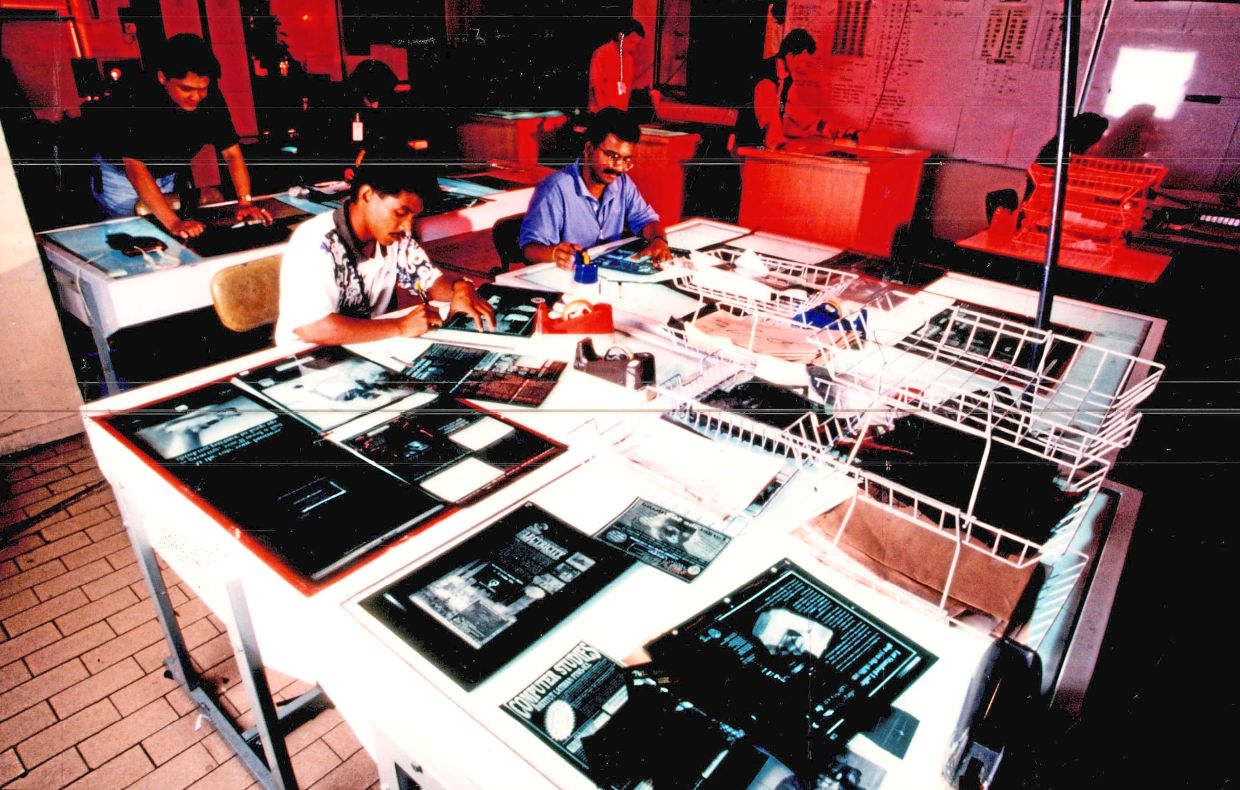
In the pre-digital era, foreign news arrived through telex machines, which printed out stories from international news agencies. After editing, the copy was retyped on IBM electric typewriters before being transferred onto bromide paper (a photographic paper used in newspaper production), cut out and painstakingly pasted onto page layouts using scissors and cow gum adhesive.
“You know the kidnap ransom notes? That’s how the paste-up pages looked like,” Dorairaj says with a chuckle.
He remembers the newsroom at The Star’s office in Brickfields as small and crowded.
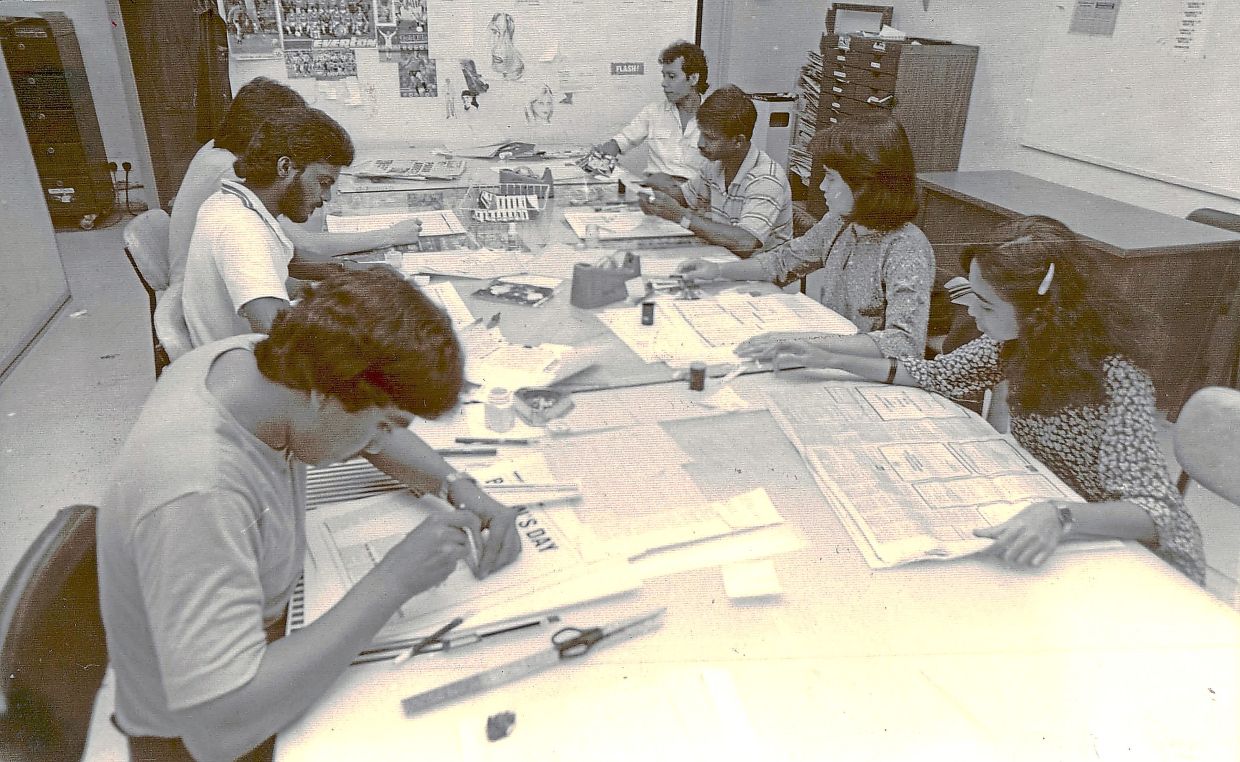
Reporters, editors, sub-editors and photographers worked side by side, while proofreaders and paste-up artists all played crucial roles in getting the newspaper ready for print.
Even editing was a hands-on craft. Stories were typed using trusty Olivetti typewriters with double spacing so sub-editors could cut paragraphs apart and paste in revised sections.
“We didn’t have computers to delete, copy or paste. Cut and paste was done manually using scissors and cow gum,” the Penangite shares.
Photographs had to be developed by hand in darkrooms, where skilled photographers adjusted exposure manually to produce the best images.
After nine months, Dorairaj was transferred to Penang, where he took on the role of a sub- editor.
At the time, The Star produced three editions – the street edition, which was released at 7pm; the first edition, published around midnight for distribution to areas outside Penang, including Kedah and Perak; and the final edition, which went to press at 2am and was sold on the island. Dorairaj was responsible for overseeing the street edition.
The Penang and Kuala Lumpur editions often carried the same stories but with different headlines, page layouts and editorial treatment to suit their respective readers.
“It taught us to think differently,” he says. “The same story could be presented in many different ways,” says Dorairaj, who used to sell the street edition after work to earn an extra RM1 each night. In those days, that small amount was enough to buy a plate of 50-sen Hokkien mee.
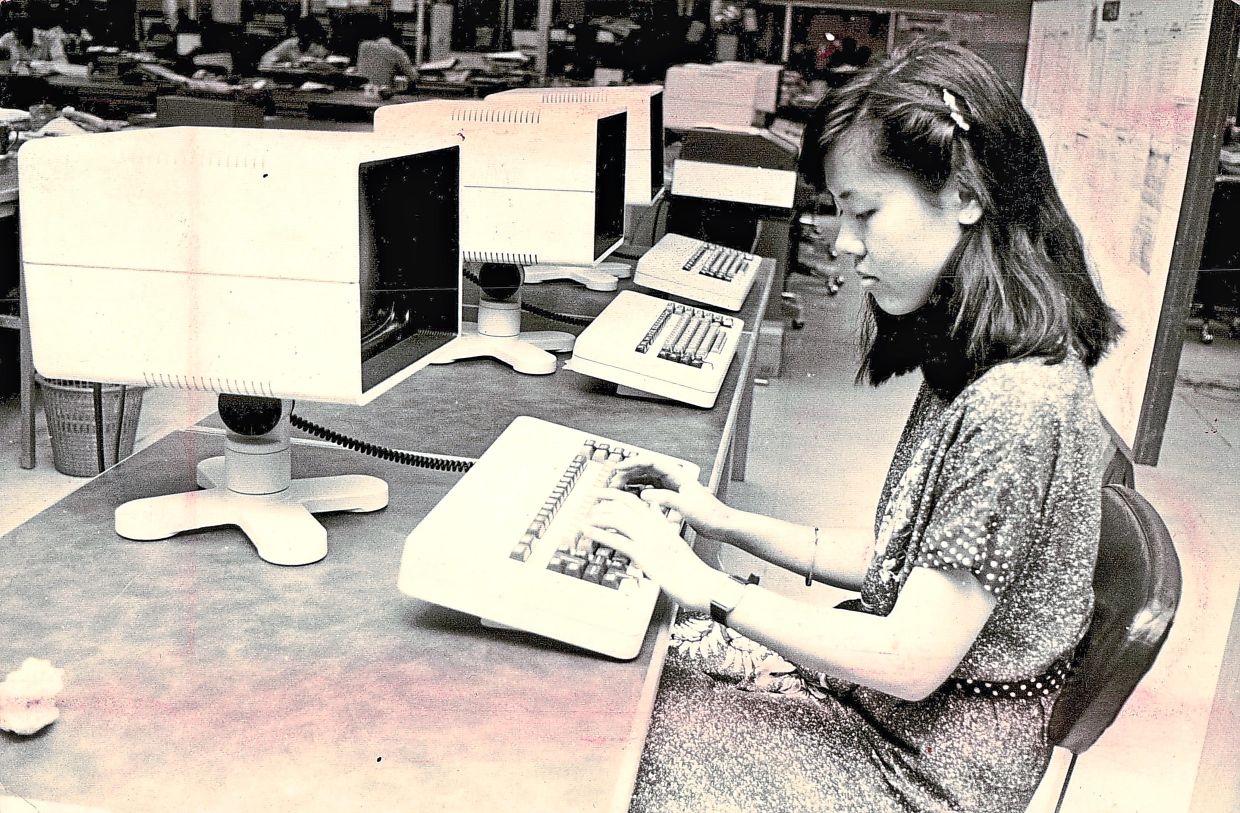
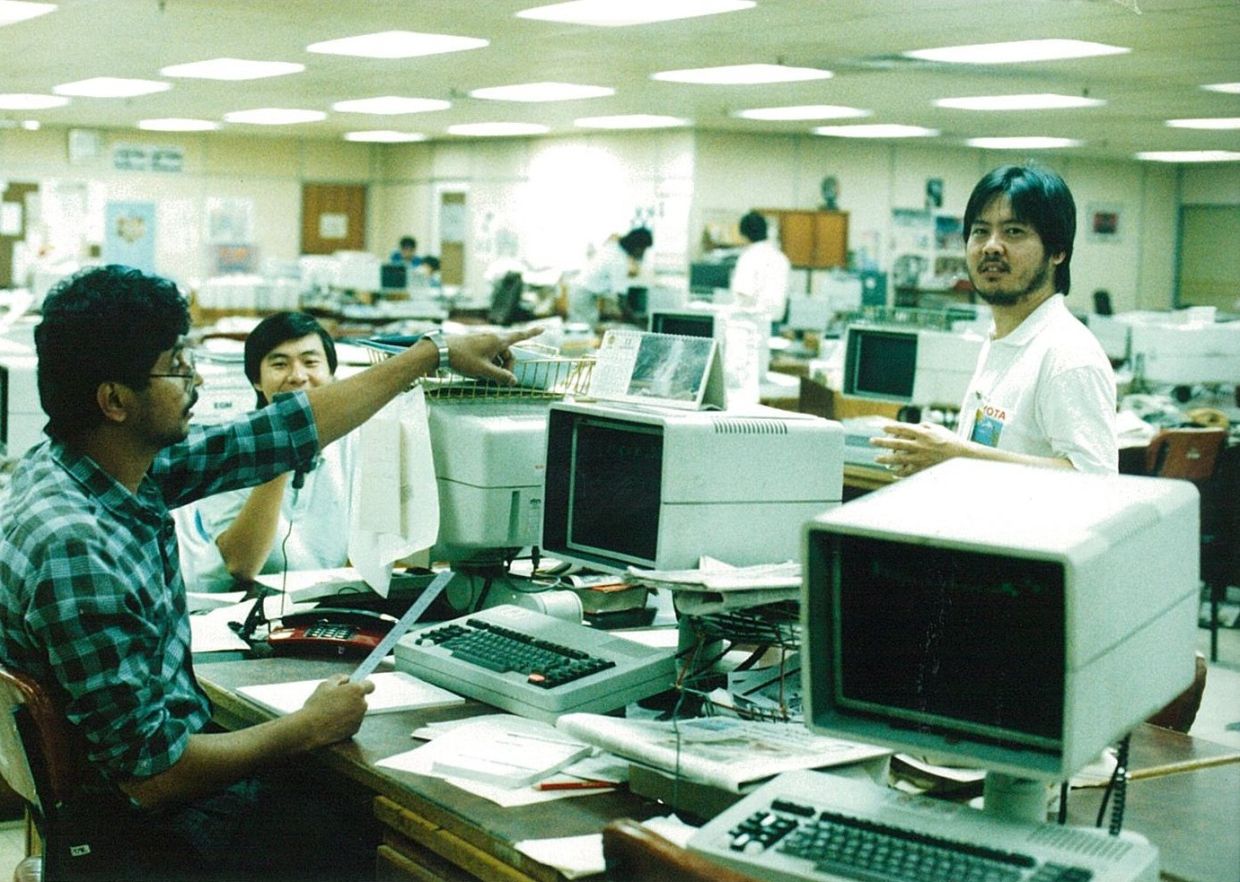
By the mid-1980s, computers made their way into newsrooms, and Dorairaj was among the first to learn the new system. The Star introduced the Atex system, one of the early computerised newsroom publishing platforms that replaced manual typesetting and paste-up methods.
“People joked that we had ‘Atex fever’ because we were learning every day until we fell sick,” said Dorairaj, who was transferred back to The Star’s office at Section 13, Petaling Jaya, in the late 1980s.
Although computers sped up editing, many manual processes remained. Stories were still printed onto bromide paper before being pasted onto pages, and paste-up artists continued assembling each page by hand.
It was only years later that digital pagination and computerised printing transformed newspaper production.
“Now it’s just the press of a button,” says Dorairaj.
Keeping pace with change
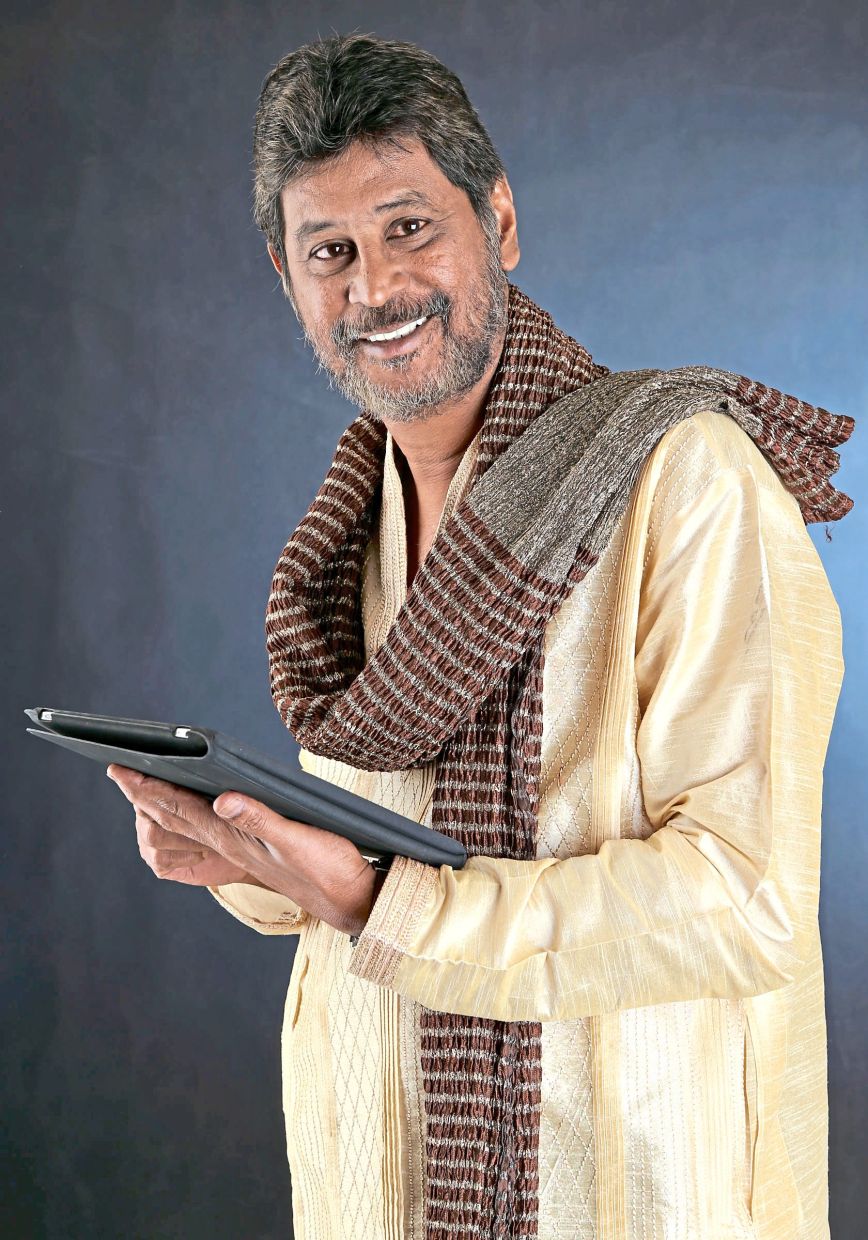
“In those days, people had to wait until the next morning to read the news. Today, everyone has information instantly on their phones.
He believes journalists must offer readers something they cannot get from social media.
“Information alone isn’t enough anymore. You cannot just report,” he says. “You have to tell stories.”
Over the years, Dorairaj also built a connection with readers through his column, “Why Not”, in The Star, allowing him to share stories and perspectives beyond daily news reporting.
For him, journalism is about connecting with readers emotionally.
“You should write as though you’re talking to a friend. Give readers context. Make them think. Make them feel something.”
That philosophy is something he continues to share with younger journalists during newsroom training sessions.
“Every story can become a human interest story,” he says. “It should tug at the heartstrings, excite people or even make them angry. If readers can get the same information from social media, why should they read your story?”
Despite the dramatic technological advances, one aspect of journalism that Dorairaj feels has changed is the sense of ownership.
He remembers living in Section 14, Petaling Jaya (a stone’s throw away from The Star’s former office at Section 13), during his years as a night sub-editor.
After the first edition rolled off the press, he would collect a freshly printed copy, scrutinise every page for errors and return upstairs to correct mistakes before the final edition went to print.
“We were proud of the pages we produced.”
Throughout his career, the father of one has edited hundreds of thousands of stories and worked across different sections of the newspaper.
He believes versatility – once an essential part of newsroom life – remains an important quality for journalists, who are expected to move seamlessly between different beats, from news and business to sports and lifestyle.
His advice to aspiring journalists is surprisingly simple.
“Read,” he says. “Read everything.”
He credits novels by writers such as Stephen King and John Grisham for shaping his understanding of storytelling.
“The language can be simple,” he says. “But it has to be interesting.”
With close to a half century in journalism, Dorairaj has witnessed many changes in the industry. Yet his belief in the importance of good journalism has not changed.
“The tools will always change,” he says. “But good storytelling never will.”
A lifetime shaped by journalism
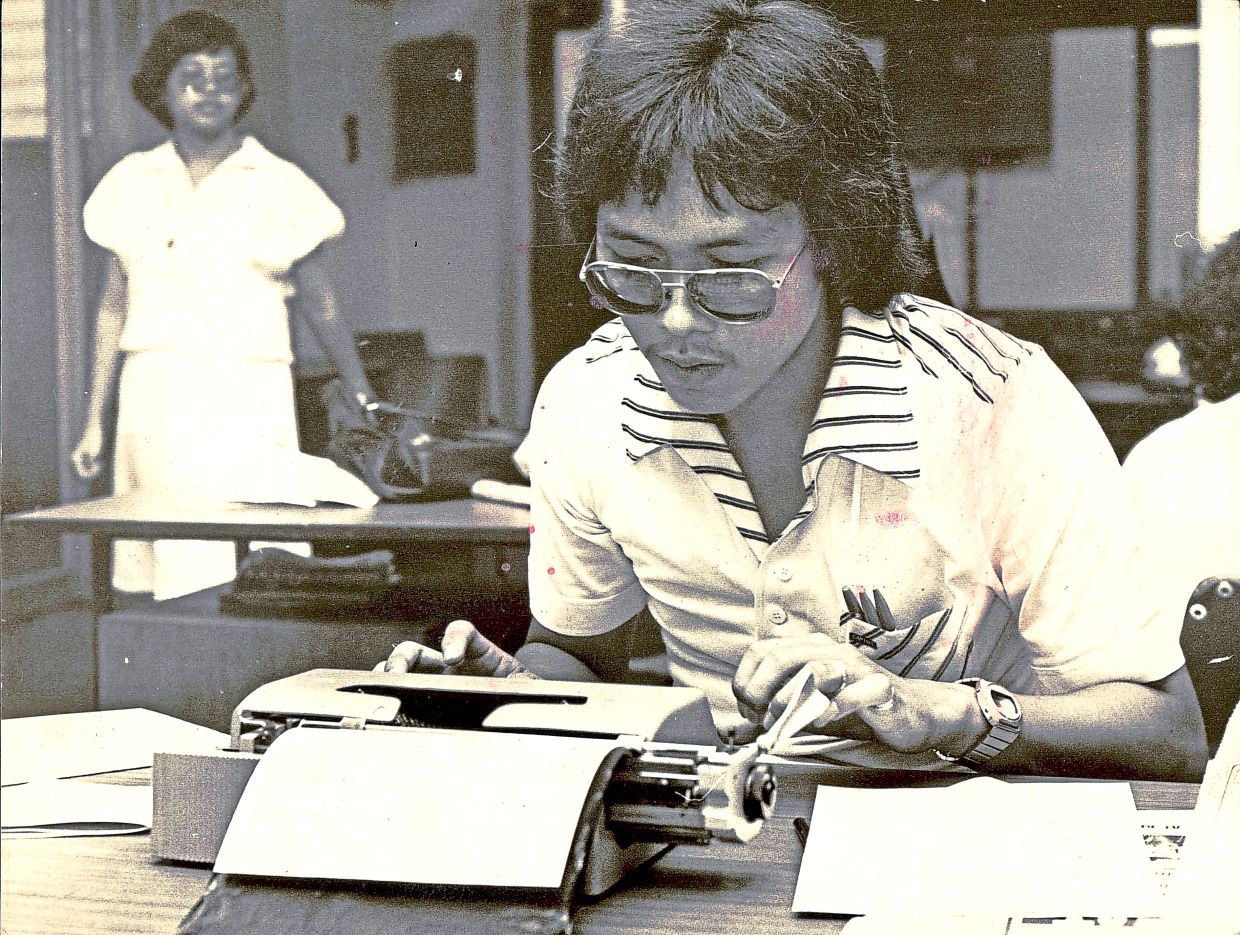
Before computers, journalists relied on typewriters to write and edit their stories. Photos: Filepic
- Filepic
A paste-up artist assembles a newspaper page layout using text cut-outs and cow gum adhesive. Before computers, journalists relied on typewriters to write and edit their stories.
Photo: Filepic
Paste up artists (left) and proof readers hard at work.
Photo: Filepic
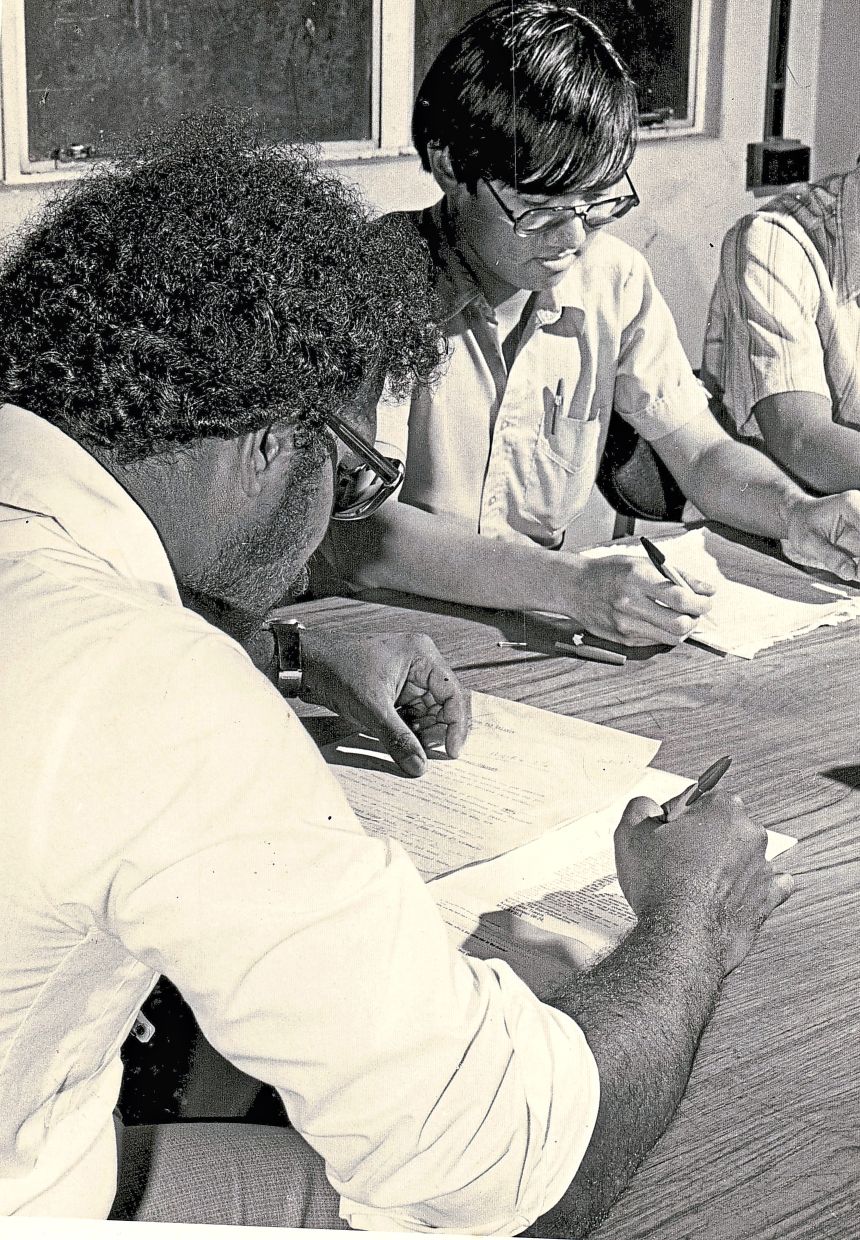
Proofreaders carefully check copy and mark changes by hand before pages go to print.
Photo: Filepic
The Atex system helped streamline newspaper production by allowing journalists to edit stories digitally.
Photo: Filepic
'Give readers context. Make them think. Make them feel something,' says Dorairaj.
Photo: Filepic
Staff in the mounting department prepare finished page layouts before they go to press.
Photo: Filepic
Dorairaj's first front page byline.
Photo: Filepic
Dorairaj (left) with former production editor Khoo Teng Jin (centre) and former senior regional manager of operations David Yeoh in The Star newsroom in 1990.
Photo: Filepic