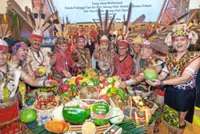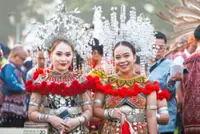
Hari Gawai is celebrated on June 1 as a mark of thanksgiving for the harvest, symbolising abundance and prosperity.
Drinking tuak or ai pengayu at midnight symbolises good health, prosperity and happiness. The festival is also not complete without ngabang (visiting relatives and friends) to enjoy food and tuak.
In many Iban longhouses, the miring ritual is performed on Gawai eve to honour gods, spirits and ancestors. In some communities, a ranyai (a chopped banana or nipah palm trunk) is placed in the communal hall as a focal point for celebrations.
It also serves as a backdrop for performances such as ngajat (traditional dance), bepencha (sword dance) and bekuntau (traditional martial arts display).
Here’s how some Sarawakians will be celebrating the upcoming Gawai festival:
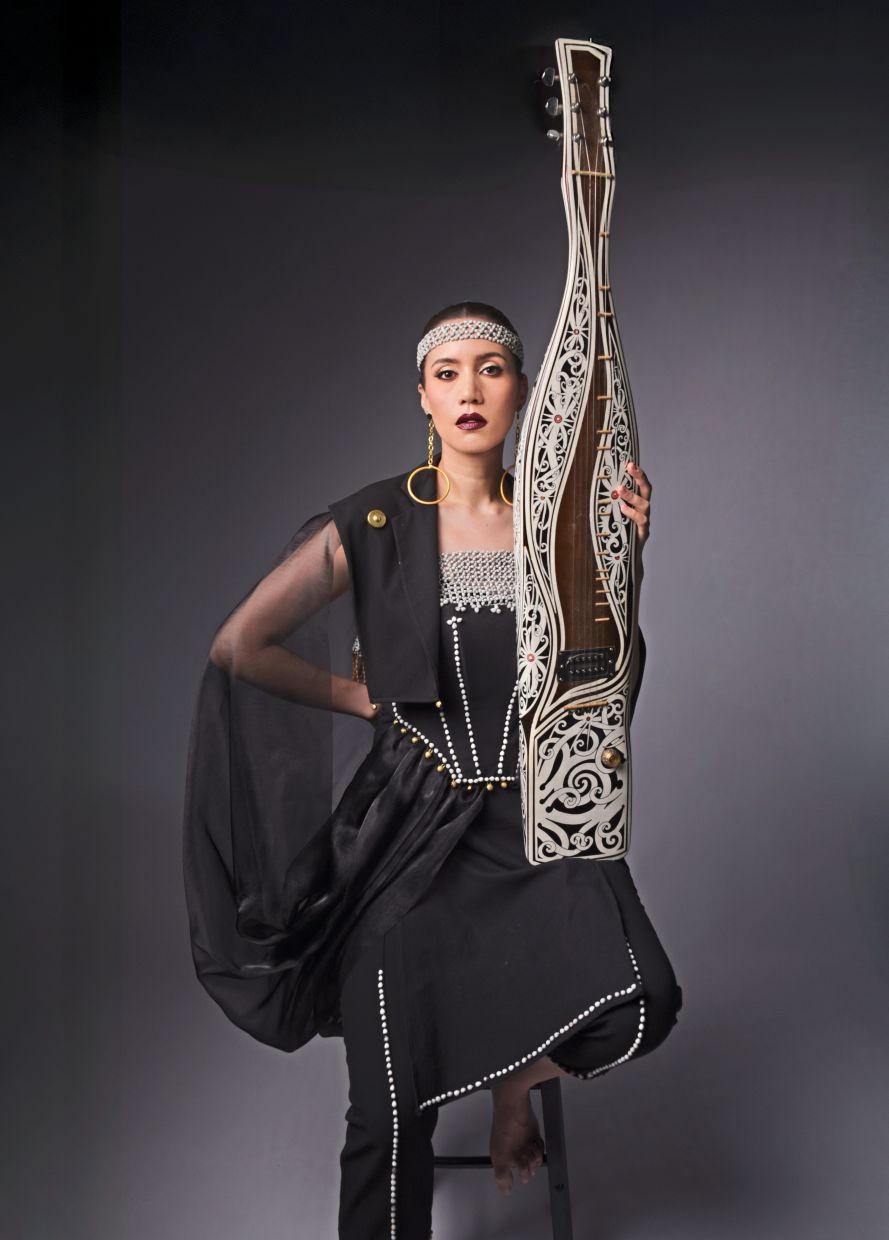
Singer-songwriter and sape player Alena Murang, 37
“I’ll be spending Gawai between Kuala Lumpur and Kuching this year. It’s the peak season for shows and performances for me. During Gawai, I always look forward to local Dayak dishes like ayam pansuh and daun ubi, and of course, new rice. To me personally, the period around Gawai has come to represent a celebration of the indigenous cultures of Borneo.
“It’s a time when new Bornean songs are released, designers unveil new outfit collections, and crafters showcase more of their work. I’ve also just released my latest song, Sekunuh Kamih.
“Gawai is a joyful time to celebrate our cultures in both traditional and contemporary ways.”
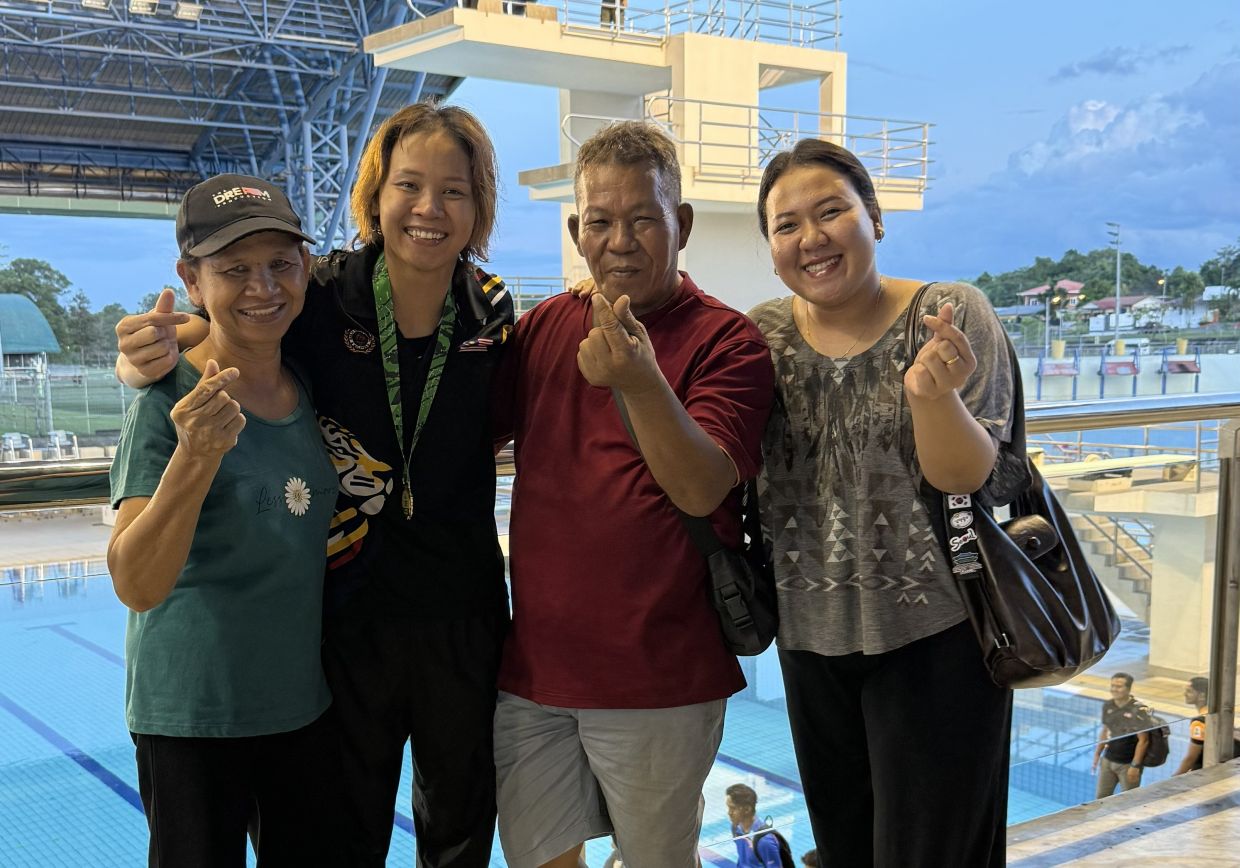
Two-time Olympic diving medallist Datuk Pandelela Rinong, 33
“This Gawai, I’ll be back in Kuching for a few days to spend time with my family, as the celebration falls on a weekend and my diving schedule allows me to take a short break.
“As a Bidayuh, I always look forward to my parents’ home-cooked meals. Personally, Gawai reminds me of my roots and gives me the opportunity to spend quality time with family since I’m based in Kuala Lumpur. I’m also looking forward to eating traditional Bidayuh dishes including sago, kasam dihan (fermented durian often fried with meat) and rotung (sago cooked inside bamboo).”
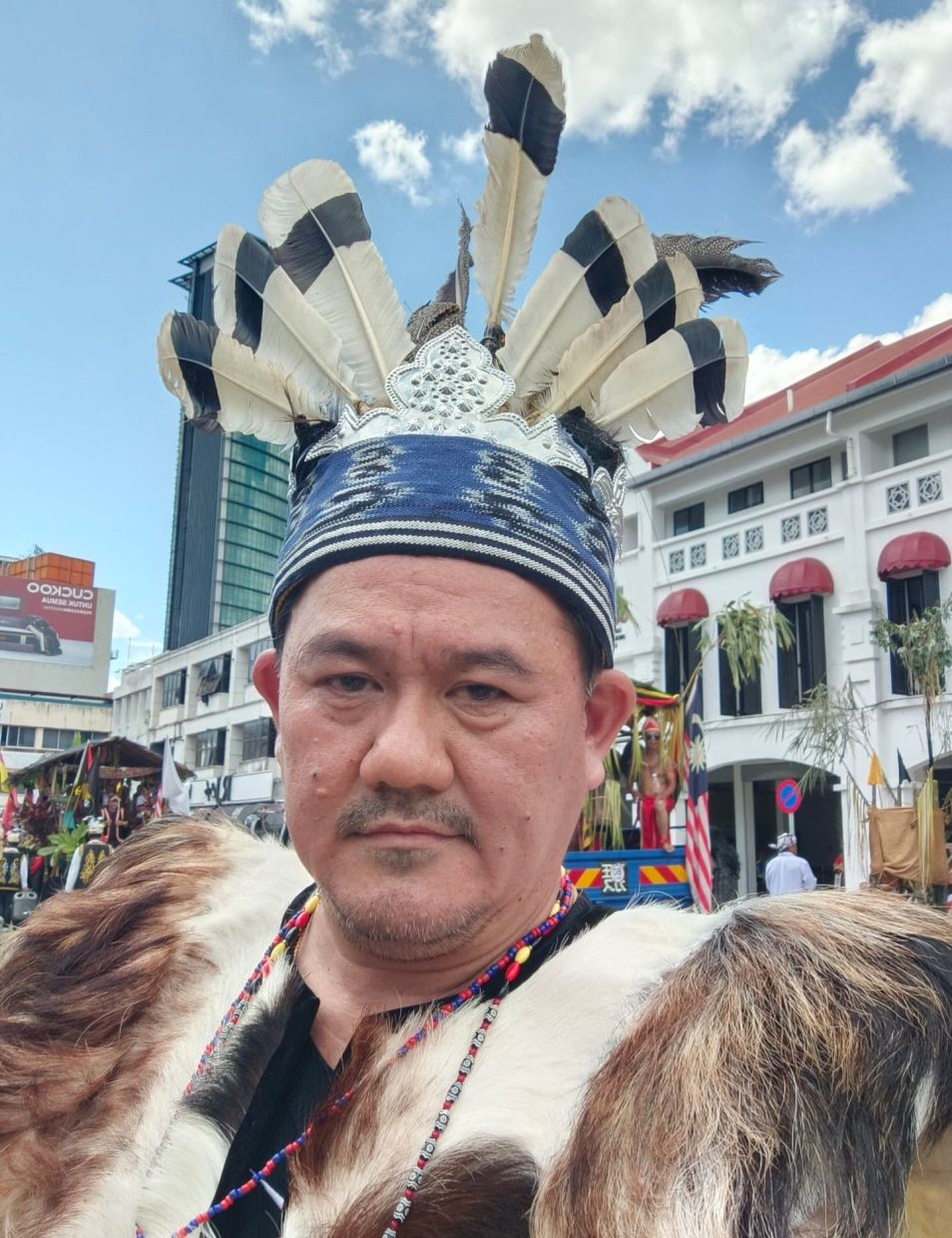
“Gawai is very meaningful to me because it marks the end of the rice harvesting season and the beginning of the Dayak New Year.
“This celebration carries deep cultural and spiritual significance for the Dayak community.
“It is a special time when family members from near and far come together to celebrate in unity and strengthen family ties.
“Gawai also brings hope for prosperity, good fortune, success in education for children, and blessings of good health and happiness for the whole family.
“The spirit of togetherness during Gawai helps strengthen relationships, unity and mutual respect within the community.
“One of the things I always look forward to during Gawai is the traditional food.
“Some of my favourite dishes include bamboo-cooked meals, traditional Dayak delicacies such as kuih jala and kuih cap/kuih bunga ros.
“I am from Kuching but I will be travelling to Rumah Panjang Kaki Wong, Saratok for Gawai.”
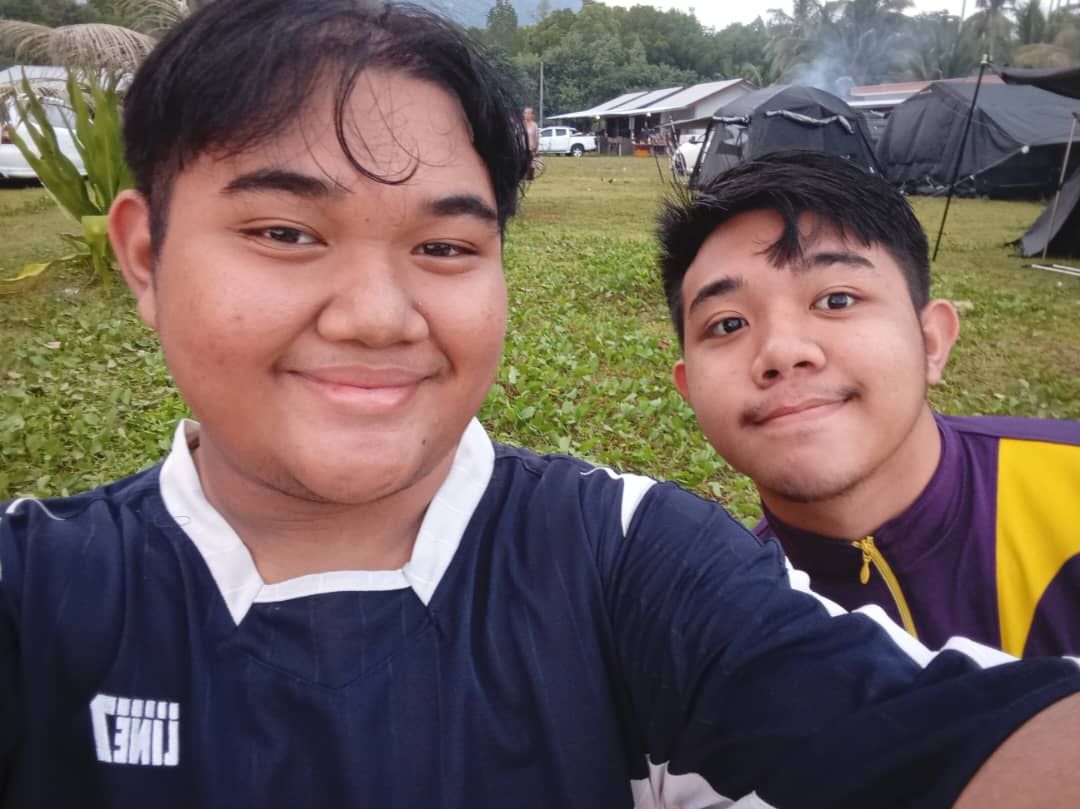
University student Darius Gesy Layang, 19
“My younger brother Archillus Muran, 18, and I will be travelling to Kapit, Sarawak to celebrate Gawai with my father.
“The best part of the festival is spending quality time with family, enjoying traditional food and catching up with cousins and relatives whom I do not get to see often as we live in Kuching.
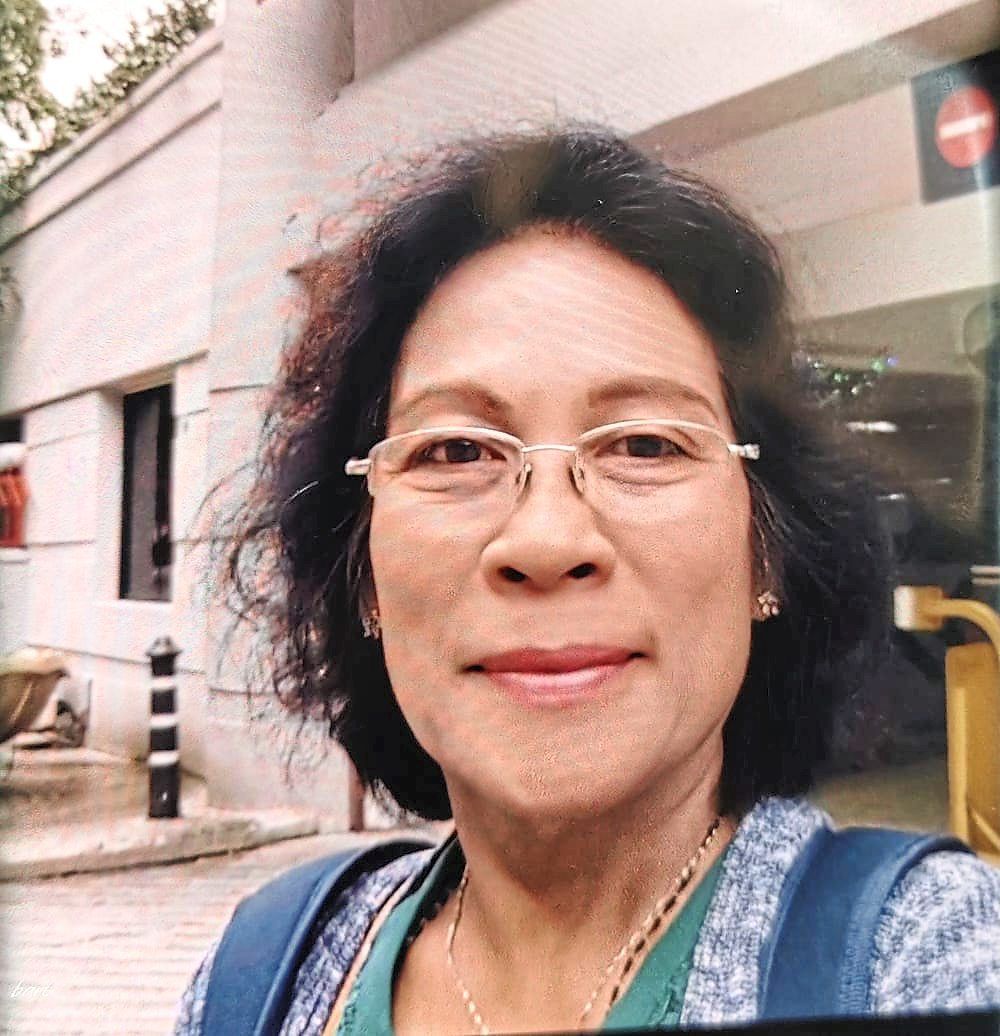
Homemaker Cheryl Lemba Panggai, 72
“I am from Stampin, Kuching, but I’ve travelled to my longhouse in Kaki Wong, Saratok to prepare for Gawai.
“During this celebration, I look forward to traditional food such as glutinous rice cooked in bamboo, barbecue pork, rendang, upa pantu (wild bitter palm), cakes and biscuits.
“I especially cherish this occasion as a meaningful reunion with family, friends and longhouse mates. It is also an opportunity to preserve and showcase Iban culture, traditional costumes, dances and music to the world.”
A festive tradition
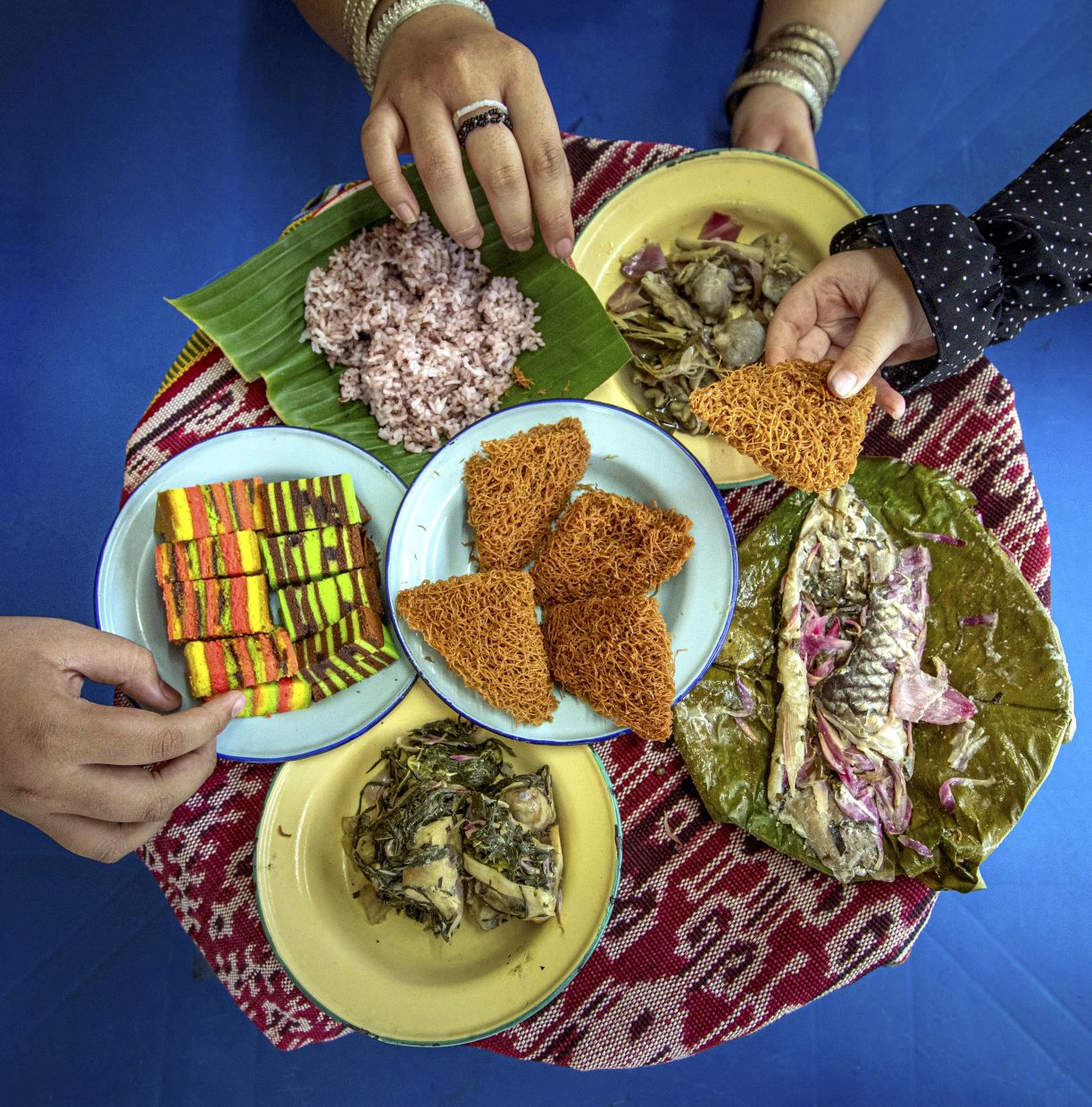
Clockwise from top right: Kasam ensabi, steamed fish, manuk pansuh, Sarawak layer cake, purple rice and kuih jala (centre) are among the items served during Gawai. Photo: The Star/Zulazahar Sheblee
‘The period around Gawai represents a celebration of the indigenous cultures of Borneo,’ says Alena. Photo: Alena Murang
'Gawai is an opportunity to preserve and showcase Iban culture, traditional costumes, dances and music to the world,' says Cheryl. Photo: Cheryl Lemba Panggai
Darius (right) and Archillus will be heading to Kapit this year for Gawai. Photo: Patricia Judin
Pandelela (second from left) is looking forward to celebrating Gawai with her family members (from left) Hartini Lamim, Pamg Joheng and Parcelia Renyelia. Photo: Pandelela Rinong
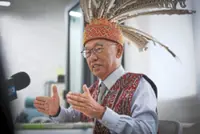
Gawai carries deep cultural and spiritual significance for the Dayak community, says Bartholomew. Photo: Bartholomew Sirow Chong