



With the current Middle East conflict, extreme weather events and overall volatility, a sense of uncertainty has seeped into the everyday life of Malaysians.
As fuel prices increase, causing various repercussions, it is easy to slip into panic and reactive mode.
This is a pattern that plays out across societies, says Universiti Malaya business and economics lecturer Dr Muhammad Aizat Zainal Alam.
“The average Malaysian does not need to be alarmed. Instead, they should remain attentive and adaptive,” he remarks.
“Economic uncertainty is a normal part of the cycle, whether driven by inflation, global developments or domestic adjustments.”
Yet, perception can often outweigh reality, shaping how individuals respond – sometimes more strongly than what the situation itself warrants.
“When individuals anticipate shortages, it will cause an immediate increase in demand, even if supply remains stable. This is reinforced by herd behaviour and coordination failure,” he adds.

In other words, the fear of item scarcity, rather than scarcity itself, can push individuals towards reaction.
According to Taylor’s University lecturer and clinical psychologist Dr Sam Jeng Mun, these reactions are deeply rooted in human psychology.
“Our brains are wired to respond to perceived threats, even if they are not directly affecting us. With constant exposure through news and social media, these events feel closer and more personal,” she says.
This heightened awareness can easily tip into anxiety, especially when global developments are beginning to affect everyday concerns like food, oil prices and even job security.
“Humans are sensitive to changes that may impact basic needs like financial security and access to resources,” she adds.
“That’s why anticipatory worry (thinking about what might happen next) is such a common response.”
That worry can translate into action, often in the form of panic buying, which is where individuals suddenly purchase large amounts of items such as groceries or household supplies. While that may offer temporary reassurance, it can create wider consequences.
“Panic buying can worsen the situation quite significantly. It creates artificial shortages, disrupts supply chains and may lead to price increases. This will disproportionately affect more vulnerable groups,” Muhammad Aizat explains.
From a financial standpoint, it can also be counterproductive as it “locks up liquidity in non-
essential stockpiles rather than preserving financial stability”.

A sense of control
If panic is driven by the fear of losing control, then calm often begins by reclaiming it one small action at a time.
For a mother of two, who only wishes to be known as Aiha, that control starts in the kitchen.
“Food items are the main things I prepare. If an emergency were to happen anytime in the future, I feel secure knowing we have food ready at home so we don’t have to depend entirely on outside sources,” she says, citing the potential of price hikes as her main reason for doing so.
Aiha makes sure her approach is gradual instead of drastically buying everything at once.
Depending on her budget, Aiha will buy grocery items such as rice, flour, spices, canned food and drinking water in stages.
She will then pack perishable food items into vacuum packs, labelling them to keep track of their expiry dates.
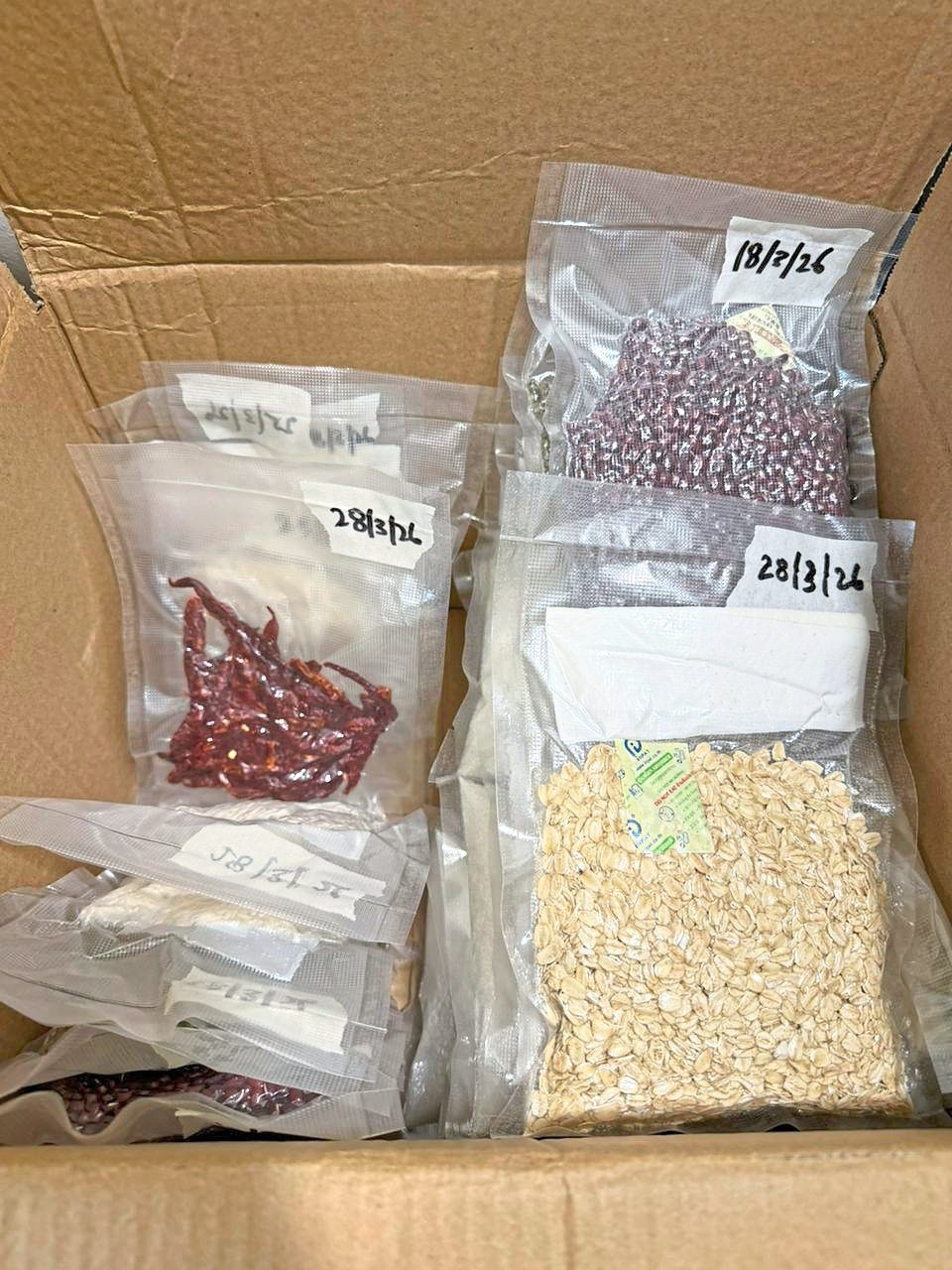
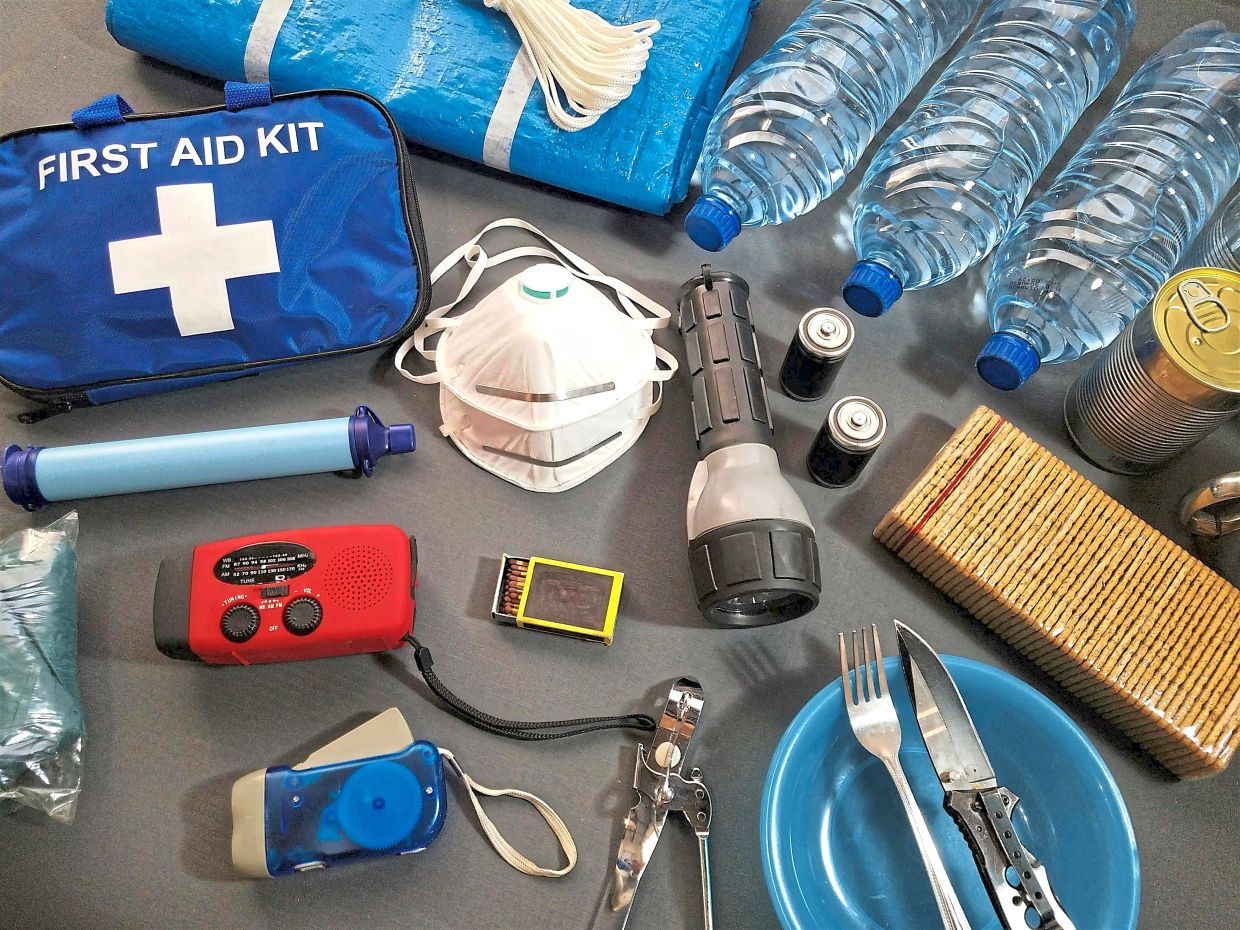
Beyond food, she has also been keeping essential items in an emergency bag within reach as well as preparing power stations and solar lamps at home in case of unexpected electricity disruptions.
Aiha also documents her preparations on TikTok to guide other families on how to do the same.
“To me, being prepared is all about doing what I can at home to make sure we have sufficient basic necessities for my whole family. The world may be uncertain, but at home, we can make sure we’re ready. I don’t see this as being fearful, but a form of responsibility towards my family.”
Similarly, Nur Hazirah Idris has spent the past few years building a home garden, gradually expanding it over time.
“I started gardening as a hobby to fill my free time. At first, I planted simple greens like leafy vegetables, but over time it grew naturally as I learned more,” the 37-year-old says.
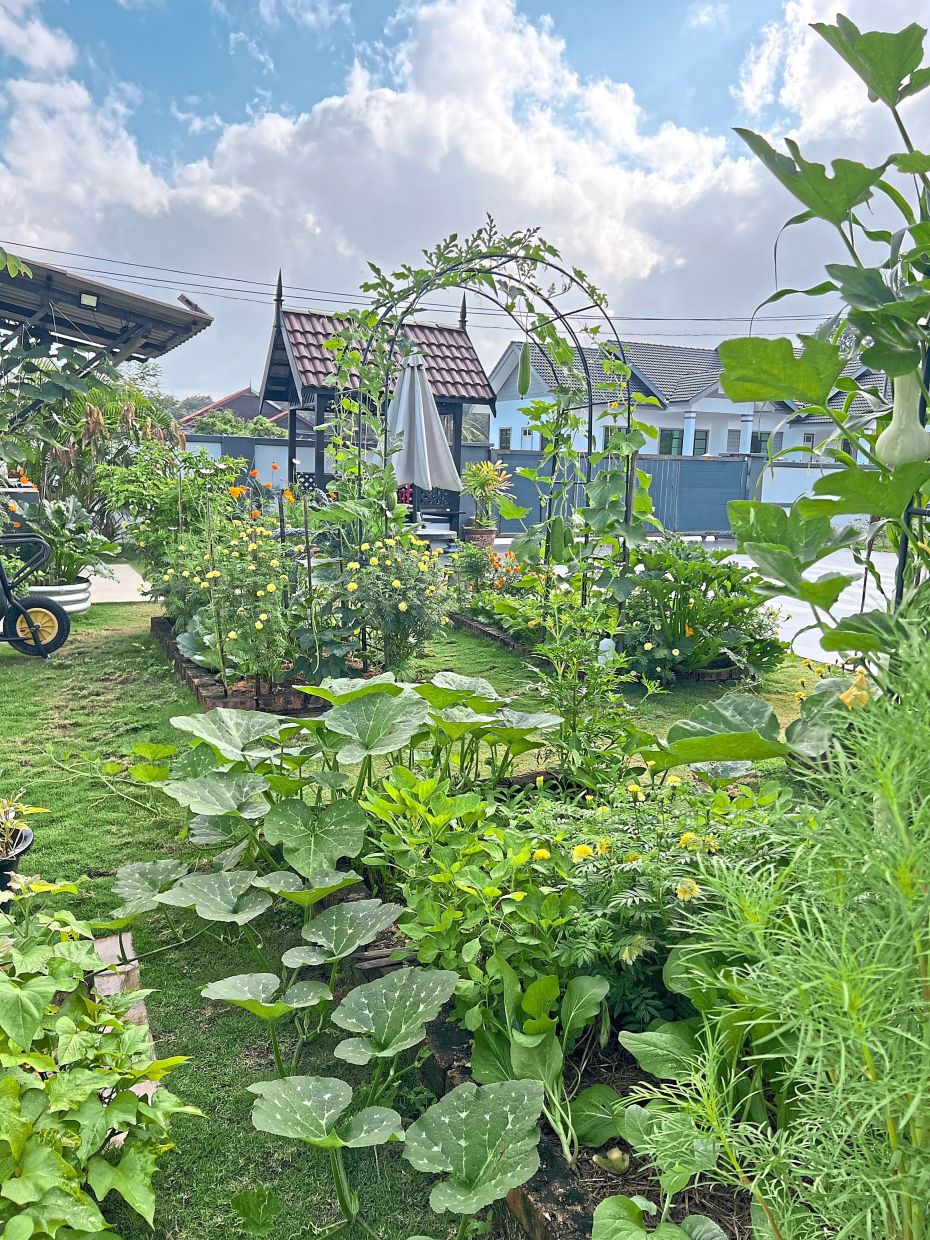
Today, her garden is filled with a variety of edibles such as corn, cucumber, tomatoes and more.
“There are certain ingredients like leafy vegetables and herbs that I rarely buy now because I can just pick them from my garden,” she notes.
While it may not drastically reduce expenses, Nur Hazirah appreciates the physical and emotional benefits it brings.
“What’s more important to me is the convenience and the sense of sufficiency. When I need something, I can just find it at the back of my house instead of having to go to the grocery store.”
More than that, her garden also offers a form of emotional grounding.
“Gardening makes me feel calm and more stable in my daily life. In uncertain times like now, having your own source of food – even on a small scale – gives you a sense of control,” she says.
A lifestyle habit
For camping enthusiast Derick Wee, 44, readiness is ingrained in his lifestyle.
“It’s always good to have some basic things prepared at home because we don’t know when anything might happen,” he says.
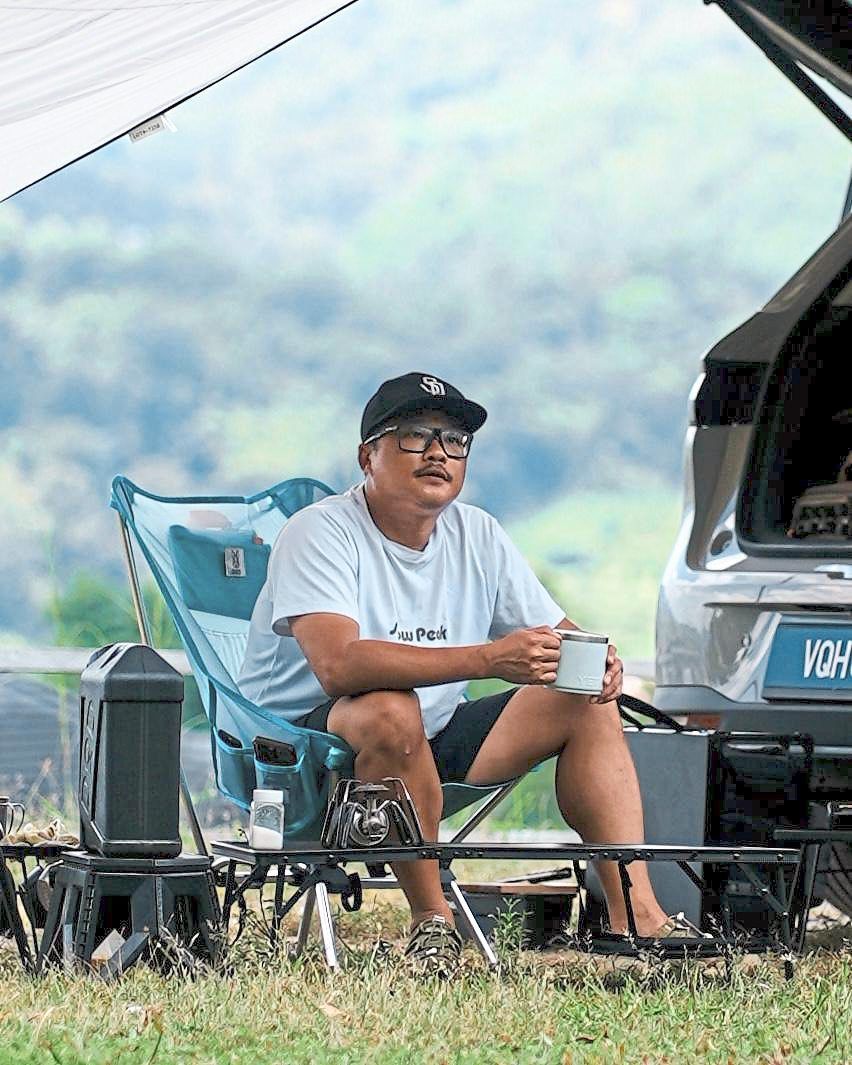
In this context, “anything” extends beyond global tensions to include everyday emergencies such as natural disasters or power outages.
As a camper, Wee already keeps essential gear packed and ready, items that can easily be used as emergency supplies.
Unlike emergency kits that are packed once and forgotten when nothing warrants their usage, camping equipment is used regularly, meaning it is always in working condition.
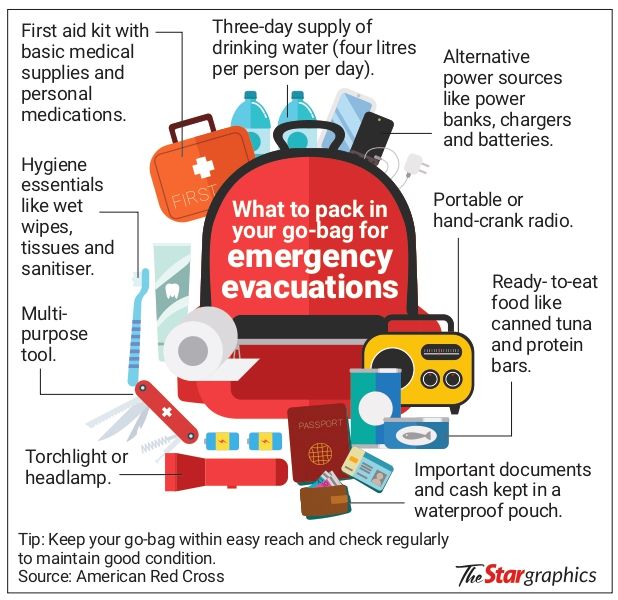
“What usually happens is people prepare an emergency bag and then forget about it. They don’t remember to check if items are expired or if things are still working,” he notes.
Wee suggests that each household has one emergency (waterproof) backpack – also known as bug-out bag – containing important survival items and for putting important documents during rapid evacuation.
With regards to current times, his approach is to maintain his existing preparations, with a little extra thrown in.
“I don’t want to create unnecessary chaos or panic.
“I just make sure what I have now is in good condition and prepare slightly more, enough to sustain my family for a week or two.”
Wee remarks that this mindset was shaped in part by the Covid-19 pandemic experience.
“We saw this happen during the pandemic lockdown in 2020. When the announcement was made, people couldn’t think straight and rationally. They ended up panic buying items and hoarding them, although we had sufficient supplies for everyone.
“Since everything was flying off the shelves, many could not get what they needed, creating more chaos.”
Rather than reacting emotionally, he focuses on moderation.
“You just have to adapt to the situation. That’s what we humans are good at doing in times of crisis,” he says.
Aiha adopts a similar approach at home.
“For me, preparation is about planning and not fear. It’s important to buy items based on a system instead of following your emotions.
“Add little by little, not all at once. When you have a system, you won’t overbuy,” she advises.
Muhammad Aizat concurs, “Responsible preparedness is structured and proportionate. It involves planning ahead, rather than reacting to every perceived risk.”

Discipline over reaction
While physical preparedness offers a sense of control over the situation, financial discipline can provide a long-term buffer.
For Mohd Syuhaidi Abu Bakar, 45, setting a structure when it comes to financial preparation is a good way to begin.
His system is deliberate, involving calculating expenses ahead of time, allocating funds for essentials and maintaining consistent savings.
“I make sure to set aside money for savings, investments and an emergency fund. When my salary comes in, I make it a priority to pay all my credit card bills in full.
“Thereafter, I allocate a fixed budget for food and daily expenses. The remaining balance is saved consistently every month,” he says.
“Having a structured and disciplined savings approach allows me to feel prepared for uncertain situations. As a result, when challenges arise, I am not significantly affected financially.”
He also stresses the importance of establishing limits when it comes to spending.

“I believe one of the main challenges is that people are reluctant to limit themselves.
“However, during times like these, setting boundaries and following them consistently is necessary until the situation stabilises,” he says.
Wee has also found himself being more moderate with his spending recently.
“I do find myself spending less on luxurious items and entertainment. I’m trying to live a more moderate lifestyle now,” he says.
From an economic perspective, that control is exactly what matters when it comes to sustaining budgets during critical times.
“Financial preparedness without fear is about having both buffers and direction,” explains Muhammad Aizat.
“Buffers come from savings and manageable debt, while direction comes from informed planning.
“Ultimately, preparedness is about building the capacity to absorb shocks and navigate uncertainty with confidence rather than reacting to every perceived risk.”
He also sets out a realistic plan families can follow to manage expenses.
“Households can manage rising costs through gradual and practical adjustments.
“This includes tracking spending and comparing it against benchmarks such as Belanjawanku (a comprehensive budgeting tool designed to help Malaysians better manage their finances) and prioritising essential expenditure while reducing non-essential spending, substituting instead with more cost-efficient alternatives where possible,” says Muhammad Aizat.
“Planning purchases in advance helps reduce impulsive decisions, while maintaining consistent savings, even in small amounts, supports longer term stability.”
The main objective, adds Muhammad Aizat, is not a drastic lifestyle change but sustained and manageable improvements in financial behaviour.
Choosing calmness
If uncertainty is unavoidable, then calm is something that must be built intentionally over time.
“Staying calm does not mean ignoring the situation or suppressing emotions.
“It means being able to regulate your emotional responses without becoming overwhelmed by it,” says Sam.
That balance, she adds, is key to maintaining psychological steadiness in trying times.
“It involves maintaining balanced thinking, staying grounded in facts rather than worst case scenarios, and continuing with daily routines and responsibilities.”
Those steps can be as simple as sticking to routines by maintaining regular daily activities, practising grounding techniques such as deep breathing, staying connected to people who matter, and focusing on what can be controlled such as budgeting, planning groceries or managing schedules.
If worry and anxiety start to take over, Sam says it is important to recognise them as natural responses to uncertainty.
“Focus on bringing your attention back to the present and what you can do today, rather than trying to solve an unpredictable future.
“Break things into small, manageable steps to restore a sense of control,” she says.
It is also important to set boundaries against worry by limiting excessive thinking about the “what ifs”, reducing overexposure to distressing news online, and engaging in activities that give a sense of meaning and calmness.
“If the anxiety becomes persistent or overwhelming, seeking support from a mental health professional can be a helpful and proactive step.”
In today’s uncertain landscape, the instinct to react is ever-present.
Yet, many Malaysians have proven that a steadier response is possible.
More often than not, preparedness is achieved through simple and consistent habits instead of major changes.
While uncertainty continues to affect the world and our lives, how we respond to it remains firmly in our hands.
