The earth is charred and the acrid smell of toxic smoke still hangs in the air of the Australian eucalyptus forest.
Somewhere between the skeletal trunks, a dog stops, lowers his nose and lies down at the foot of a tree. That is the signal: Something is still alive up there.
The dog is called Bear and he made headlines around the world as a master sniffer for injured koalas. Now, at 11, the four-legged helper is retiring.
“Bear has been a huge part of our lives, and a tireless ambassador for koalas for a decade, and I can’t believe we won’t walk the bush in search of koalas together anymore,” says Romane Cristescu of the University of the Sunshine Coast (UniSC), one of his former handlers.
This very special dog melted hearts around the world "and opened many doors so we could have critical and difficult conversations about climate change and its impacts on the threatened koalas," the expert says.
Favourite reward: a ball
Blue-eyed Bear was one of the first dogs in Australia to be trained by the animal welfare organization International Fund for Animal Welfare (IFAW) and a UniSC team to track down live koalas by the smell of their fur. For humans, spotting them is difficult because the marsupials live so high up in the trees.
Each time, his absolute favourite toy – a ball – was his reward. Bear also received various awards for his bravery and a documentary, "Bear – Koala Hero", and a children's book are dedicated to him.
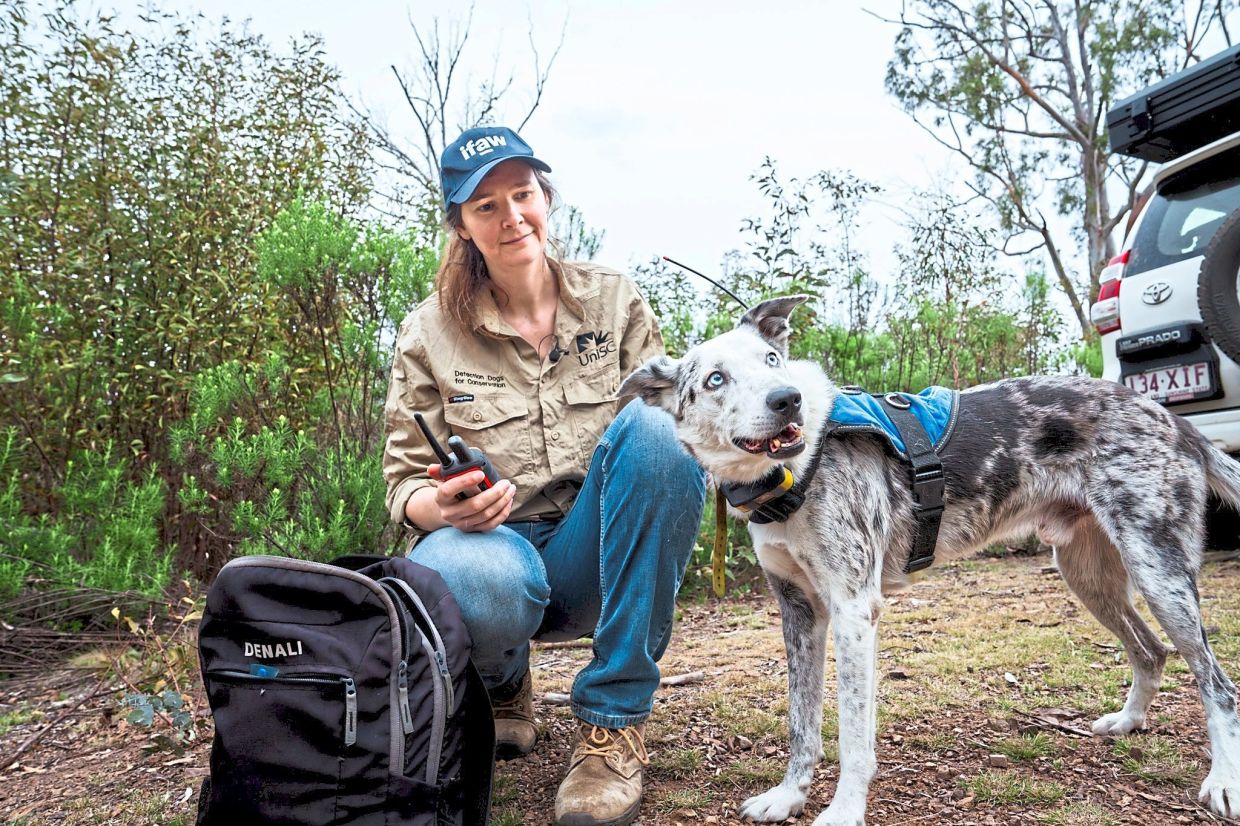
Bear made headlines around the world especially during the catastrophic bushfires from August 2019 to March 2020 thanks to his fabulous nose for marsupials in distress. As an Australian Koolie, he is an extremely eager and highly intelligent dog. During his career, he tracked down more than 100 koalas in need of help, IFAW says – and even Hollywood stars such as Tom Hanks and Leonardo DiCaprio celebrated the talented four-legged friend on social media.
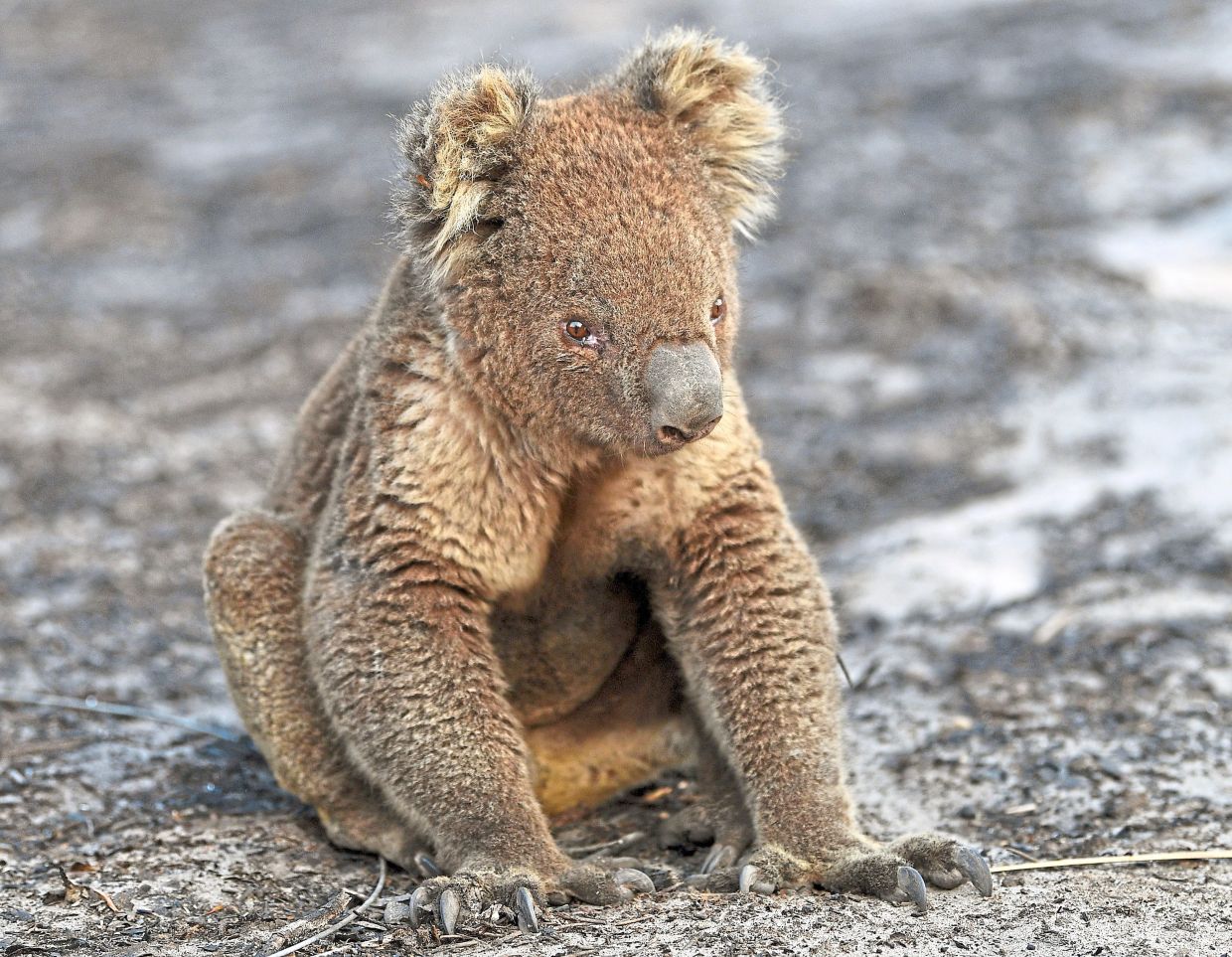
In the so-called "Black Summer," more than 19 million hectares of land went up in flames, including many forests. Countless animals died. At least 60,000 koalas, which are native only to Down Under, were killed, injured, displaced or traumatised, according to estimates by the environmental organization World Wildlife Fund (WWF). Images of animals with singed fur and burnt paws went around the world.
In this difficult situation, Bear and his fellow detection dogs began their special mission. Koalas are particularly defenceless against the flames: They move slowly and live mainly in the crowns of eucalyptus trees – exactly where fires can rage quickly and with great intensity. Even if they survive, many suffer burns and smoke poisoning and then remain weakened in the trees, often without access to food or water.
Life-saving
Bear also had to protect his paws when he picked up a scent on the burnt ground. "Now he has taken off his boots for the last time," IFAW has said. "But his legacy will continue through the next generation of detection dogs who will follow in his famous pawprints," says the organisation's programme director, Josey Sharrad.
Bear was once considered hard to rehome because of his seemingly boundless energy and love of play.
"The worst pets often make the best detection dogs, and Bear is a classic example of this. His energetic nature and ball obsession made him the perfect candidate," Sharrad explains.
When Bear first entered the fire zone, no one had any idea what he would achieve – until he exceeded all expectations, Sharrad recalls.
"That’s when we realised we weren’t just working with a dog, but a true hero."
In research, dogs have long been considered particularly suitable for searching for wildlife: Their sense of smell is many times more sensitive than that of humans, they can be trained to detect specific scents and systematically search large areas.
Other animal species are also trained for special tasks. Rats, for example, are used in mine detection or to track down diseases because they are light, fast and easy to train. Dolphins are used by militaries to locate objects underwater, including mines. Nevertheless, dogs are considered the most versatile detectors worldwide, including for drugs or avalanche victims.
Retirement days ahead
Bear now lives with one of his former handlers, Riana Gardiner, on the Sunshine Coast north of Brisbane. He still spends a lot of time outdoors, especially at the beach, an IFAW spokeswoman said.
After 10 years on koala duty, he can now enjoy having his belly rubbed in peace and playing his favourite game – fetching.
"By his personality, which is both joyful and goofy, he was able to bring light to the most dire moments of many people’s lives," IFAW says in tribute to the four-pawed rescuer.
What remains is gratitude for the years shared with this extraordinary dog. – dpa