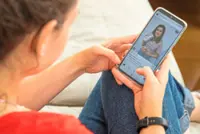
When Puteri Nur Nilam Syahira Roslan, 26, scrolls through her phone after a long day, she often finds herself watching videos of K-pop idol Zerobaseone’s Zhang Hao.
For her, Hao is more than just an artiste – he’s her source of joy, strength and inspiration.
He doesn’t know she exists, but by watching his performances, interviews and keeping up with his updates, she’s built a connection with him that feels real to her. His presence comforts her, brightening even her hardest days.
International Islamic University Malaysia lecturer and clinical psychologist Nur Aini Alegrea Suner says this situation is called a parasocial relationship – a one-sided emotional bond that people form with media figures such as actors, singers, podcasters or even AI-generated personalities.
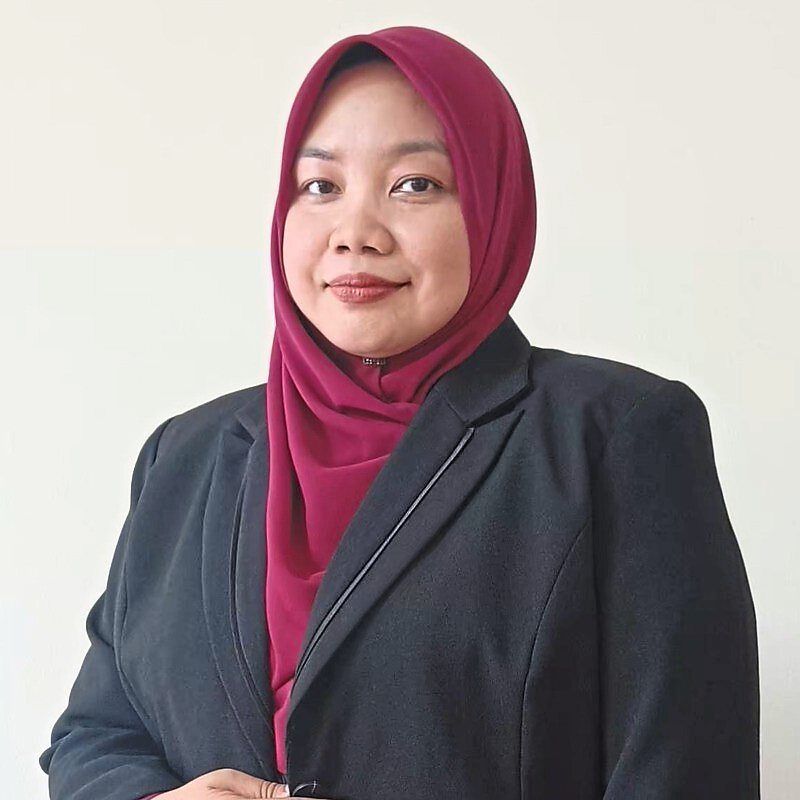
“The concept was first coined by sociologists Donald Horton and Richard Wohl in 1956, who observed that television audiences often behaved as though they had genuine, personal relationships with on-screen personas,” she says.
“These connections can feel surprisingly authentic because the brain processes familiar faces and voices through the same emotional pathways used for real-life relationships.”
Not new
Parasocial relationship is not a modern phenomenon. It has existed for centuries.
“In earlier generations, fans developed strong feelings for public figures and expressed them by writing letters, collecting memorabilia or, during English playwright William Shakespeare’s time, by following him from theatre to theatre,” says Nur Aini.
The difference now is that fans have easier access to these figures due to the significant evolution of technology. “Social media allows artistes to respond directly to fans, share updates and do livestreams, creating an illusion of mutual connection that feels intimate but remains one-sided,” she adds.
For Najlaa Huda Abdul Rahman, 25, digital platforms deepen her attachment to K-pop star Lee Heeseung of Enhypen.
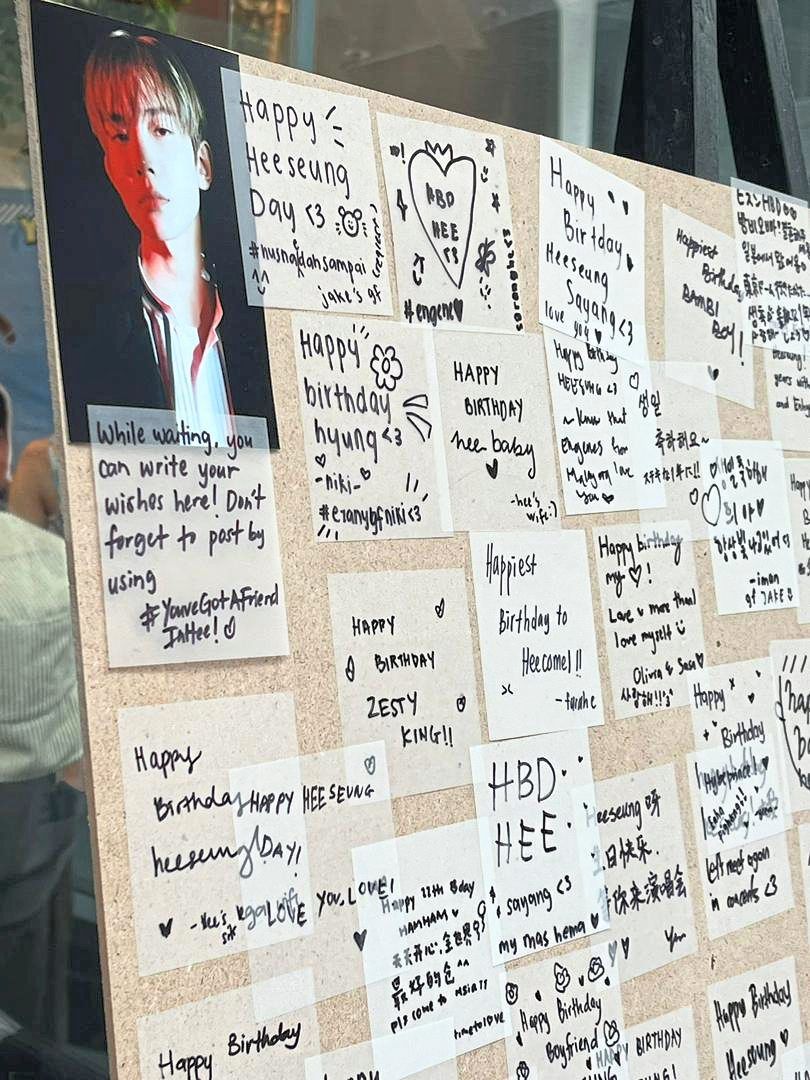
“Whenever I felt burned out during my undergraduate years, I would watch clips from Lee’s livestreams, and it immediately comforted me. His words were exactly what I needed to hear during those times,” she says.
Nur Nilam also feels social media helps make her connection with Hao stronger.
She says seeing Hao’s online updates makes her feel like she’s part of his journey, as if she’s growing alongside him.
When former dedicated fan of BTS’ Kim Taehyung Nur Alia Azwa Mohamad Zaki, 23, was struggling to love herself, she would watch videos of Kim because it helped her forget negative feelings.
Nur Aini explains that current parasocial relationships can feel more immediate and emotionally intense than in the past because technology feeds audiences with daily content of their idols.
Good or bad?
“Whether a parasocial relationship is beneficial or harmful depends largely on its intensity, purpose and impact on real-life functioning,” says Nur Aini.
Moderate parasocial relationships can improve individual well-being by providing comfort, reducing loneliness and even serving as role models.
“They can offer stability during times of stress and be a safe, private outlet for emotional expression,” she adds.
Nur Nilam says her bond with Hao is deeply meaningful and fulfilling.
“Hao is like my personal emotional support. I look up to him when things get tough because he motivates me to be the best version of myself.”
Similarly, Najlaa Huda views her attachment to Lee as a healthy escape.
“It is a medium for me to stay calm in the chaos of my life. I can distract myself by thinking about Lee, and if he’s happy, then I’ll be happy too.”
Nur Alia, who has stopped feeling more than admiration for Kim due to real-life responsibilities that come with adulthood, still credits Kim for the person she is today.
“I learned a lot from Kim’s friendship with his group members and applied it to my own life.”
Nur Aini cautions that the positive aspects of a parasocial relationship can turn negative when it begins to replace – rather than complement – real-life relationships.
“The warning signs that a parasocial relationship is doing more harm than good are when a person prioritises media interaction over in-person contact, experiences distress when the media figure does not post or skips life commitments to follow a celebrity’s updates,” she explains.
Nur Nilam, Najlaa Huda and Nur Alia all agree that fans need to understand their boundaries between themselves and their idols.
“The relationship becomes toxic when so-called fans blur the line between admiration and obsession. When these fans become possessive and intrusive, it ruins the experience for everyone,” says Nur Nilam.
“Setting boundaries is important so that you know where your priorities lie. If fans feed into their delusions, they may end up harassing the artistes,” says Najlaa Huda.
“There are limits to everything we do, and our interactions with idols are no different,” says Nur Alia.
Nur Aini concludes that while everyone is free to find comfort in media figures, try to also make space for the imperfect but present people in your life, the ones who can offer real hugs, shared meals and conversations that go beyond a glowing screen.