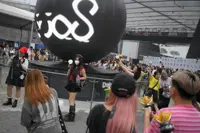
IF you’ve ever opened your X (formerly known as Twitter) account at midnight and wondered why your timeline is flooded with Korean song lyrics, birthday hashtags, and perfectly edited videos – you’ve met Malaysia’s K-pop fans in action. They’re not just chatting about their favourite idols. They’re running online operations with the precision of a PR agency.
A recent study of K-pop fans’ social media habits shows that their online activity is far from random. They log in with clear goals: to get the latest updates, interact with like-minded fans, and be part of something bigger than themselves. For many young Malaysians, these fandoms are not just hobbies – they’re digital families.
That sense of family can turn into real-world impact. We’ve seen Malaysian K-pop fans raise funds for flood relief, collect donations for local orphanages, and even join international campaigns like Kpop4planet, which pushes for ecofriendly practices in the music industry. These aren’t just fan clubs, they’re community organisers in disguise.
But anyone who’s spent time in these online spaces knows the other side of the story. Rivalries among fandoms, disputes over translations, and heated debates about rumours can spiral into cyberbullying.
A local study of Malaysian K-pop fans pointed out that this online hostility is becoming more visible, especially on X. It’s a reminder that the same platforms that unite can also divide.
And yet, it’s hard to deny the influence these fans have. They know how to “trend” topics, flood algorithms with content, and sustain a conversation online for days. In the age of digital politics and online activism, these skills aren’t just for show, they’re a kind of social capital. Politicians, brands, and even NGOs could learn from how Malaysian K-pop fandoms mobilise so quickly and so effectively.
The challenge for us, as a society, is figuring out how to encourage positive energy – charity, creativity, activism – while addressing the toxic elements that can make social media a hostile place. Fans, social media companies, and entertainment agencies all have a role to play here.
At the end of the day, whether you’re hardcore Army, a casual Blackpink listener, or someone who still can’t tell EXO from NCT, one thing’s clear: Malaysia’s K-pop fans are shaping online culture in real time. Their stage may be digital, but their influence is very real.
And if we can channel that influence in the right direction, maybe we’ll all have a reason to join the encore.
MUHAMMAD AMIRUL ASYRAAF ROSLAN
Product expert
Already a subscriber? Log in
Get 20% OFF The Star Digital Access
Cancel anytime. Ad-free. Unlimited access with perks.