Just like matcha, it comes from Japan and is also green tea variety, but hojicha not only tastes milder (and slightly chocolaty), it also serves as a matcha alternative for anyone who wants less of a caffeine jolt.
Hojicha, which translates as "roasted tea", contains less caffeine than matcha tea, says nutrition specialist and consumer advice advocate Daniela Krehl.
"But it also contains fewer health-promoting plant substances such as polyphenols and tannins."
So what else distinguishes the two Japanese trend teas? Matcha is made from young leaves grown in the shade. For hojicha, older leaves and stems are used and are strongly roasted after steaming.
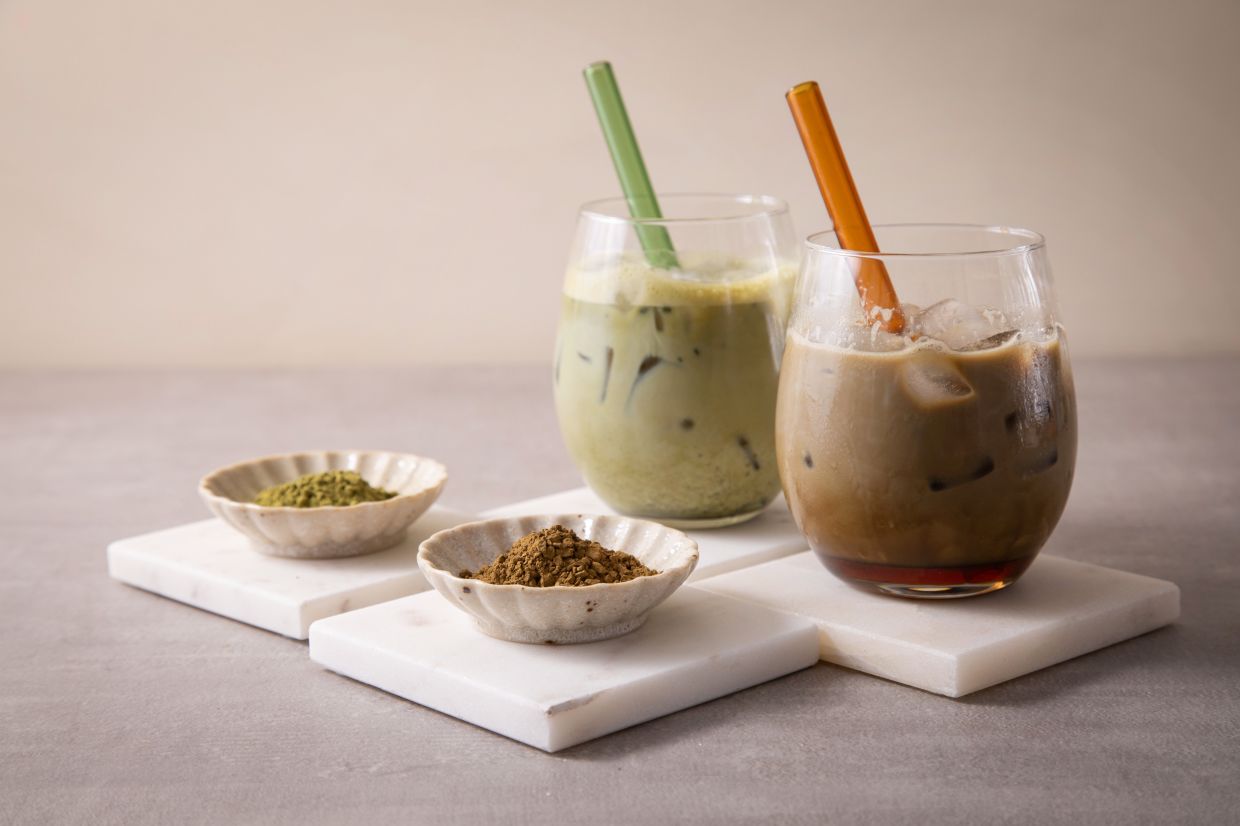
That gives hojicha its brown colour and its sweet, caramel-like aroma, which some drinkers describe as almost coffee-like. For this reason, it goes well with milk.
However its caffeine kick is nothing like coffee - or matcha, for that matter.
Matcha often contains more caffeine than conventional green tea, and matcha drinks can even approach the caffeine content of an espresso, depending on how they are made.
While its taste is pleasant, its smell is somewhat controversial and has been described as dirty, smoky and even like seaweed, although many drinkers say they don't notice this.
If you find you like hojicha lattes and want to make them quickly, hojicha powder instead of loose-leaf tea can be a handy choice.
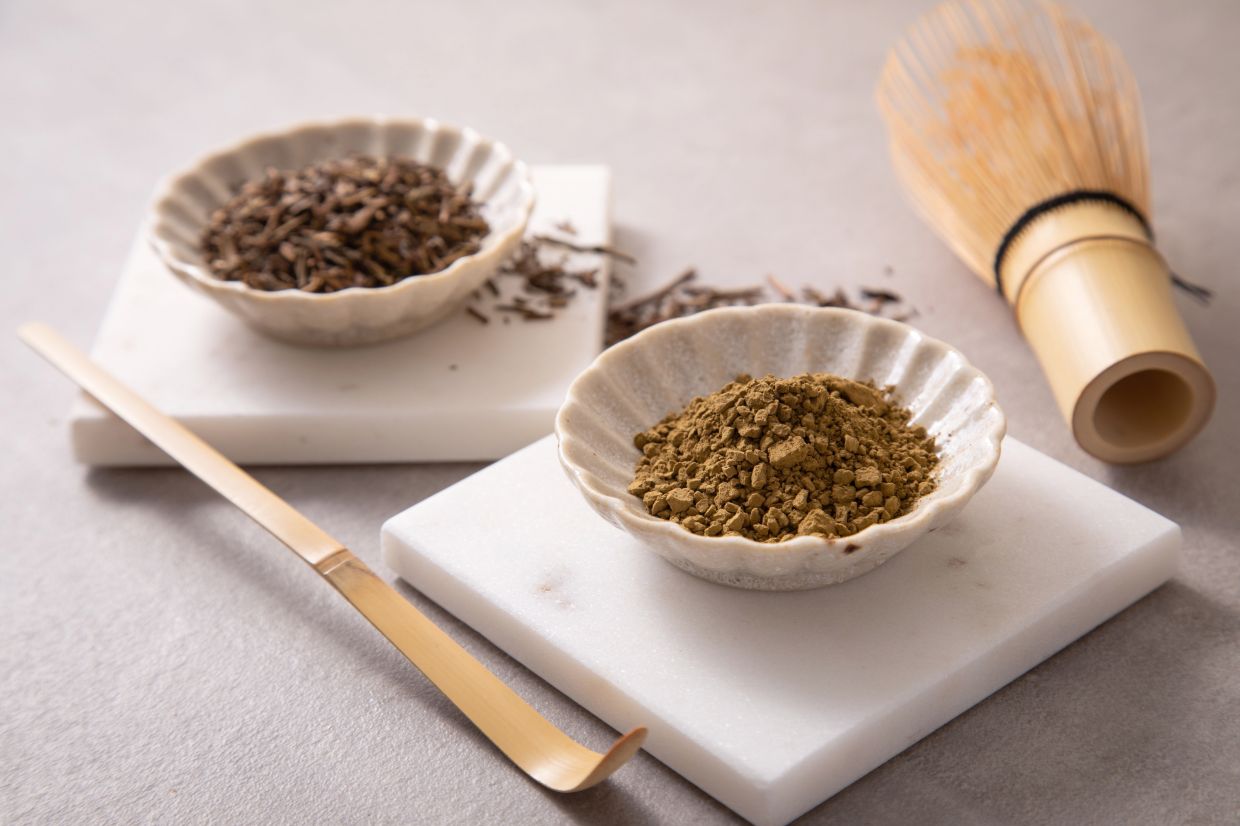
However, with the powder - unlike with tea brewed in the traditional way - you are consuming the whole leaf, including any possible residues or impurities.
That's why hojicha powder isn't advised as a daily drink - just as with matcha green tea powder.
Not only are some of the widely circulated health-promoting claims about green tea powder not proven, but the tea plants can also absorb aluminium, which can damage the nervous system and bones in high amounts over the long term.
Matcha powder can also contain lead, which is harmful to the kidneys and cardiovascular system. – dpa