When Kim Niehaus first became a Taylor Swift fan in school, classmates made fun of her.
"If you showed up in a Taylor Swift T-shirt, it was ultra embarrassing," she recalls.
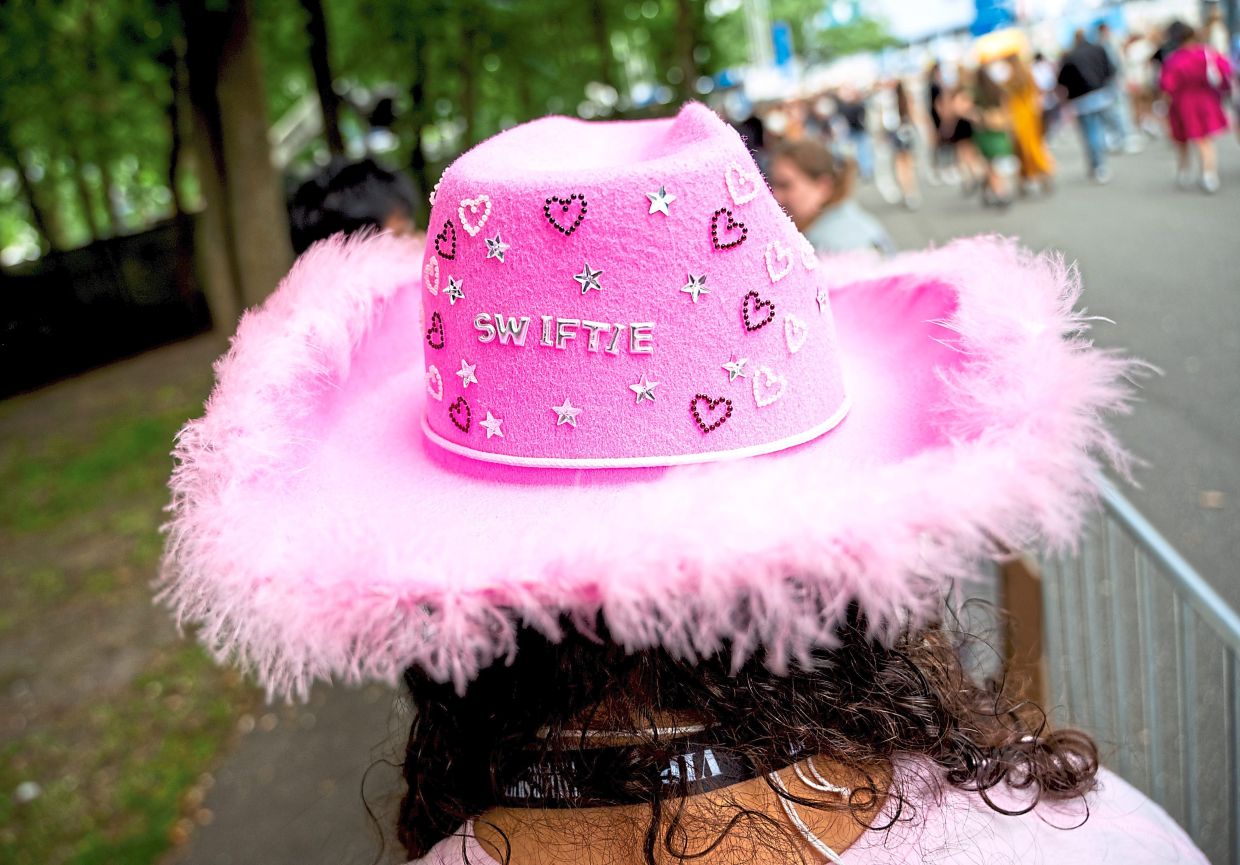
Still, she remained loyal – even once skipping two hours of class to catch a concert.Years later, Niehaus is an influencer who talks about how fan culture can create a powerful sense of belonging.
From Swift to K-pop idols to local bands in different countries, superfans are increasingly visible and prompting a rethink of what it means to be a fan today.
Where 'Stan' comes from
Extreme dedication in fan culture is often described with the term "Stan".
The word is said to originate from US rapper Eminem's 2000 song of the same name about an obsessive fan whose devotion ends tragically.
Psychologists call these one-way bonds "parasocial relationships", which are emotional connections a fan feels toward a public figure who does not know them personally.
Parasocial was even recently named Cambridge Dictionary's Word of the Year.
"Fan culture is parasociality," social psychologist Johanna Degen says.
As in other areas of life, these relationships can vary in intensity and emotional tone.
More than liking music
Swiftie Niehaus wants to challenge the stigma around being a fan – partly because the experience has shaped her in positive ways.
"That really touched me," Niehaus recalls.
From that moment, fandom became more than just music. She saw other fans enjoying themselves openly, without judgement, and realised she had found a place where she belonged.
Online and offline, she now experiences fan culture as a powerful source of connection and community. Wanting to find others who shared her enthusiasm, she started fan accounts on social media.
"I never expected that," she says. "I just wanted to meet people who liked what I liked, because I didn’t have that in my everyday life."
What draws fans to stars
"Some fans try to compensate for insecurities or areas where they feel lacking,” says media researcher Holger Schramm.
Others see stars as role models who inspire them, or as figures who provide guidance during uncertain stages of life. For some, the emotional investment is deep; for others, it remains admiration from afar.
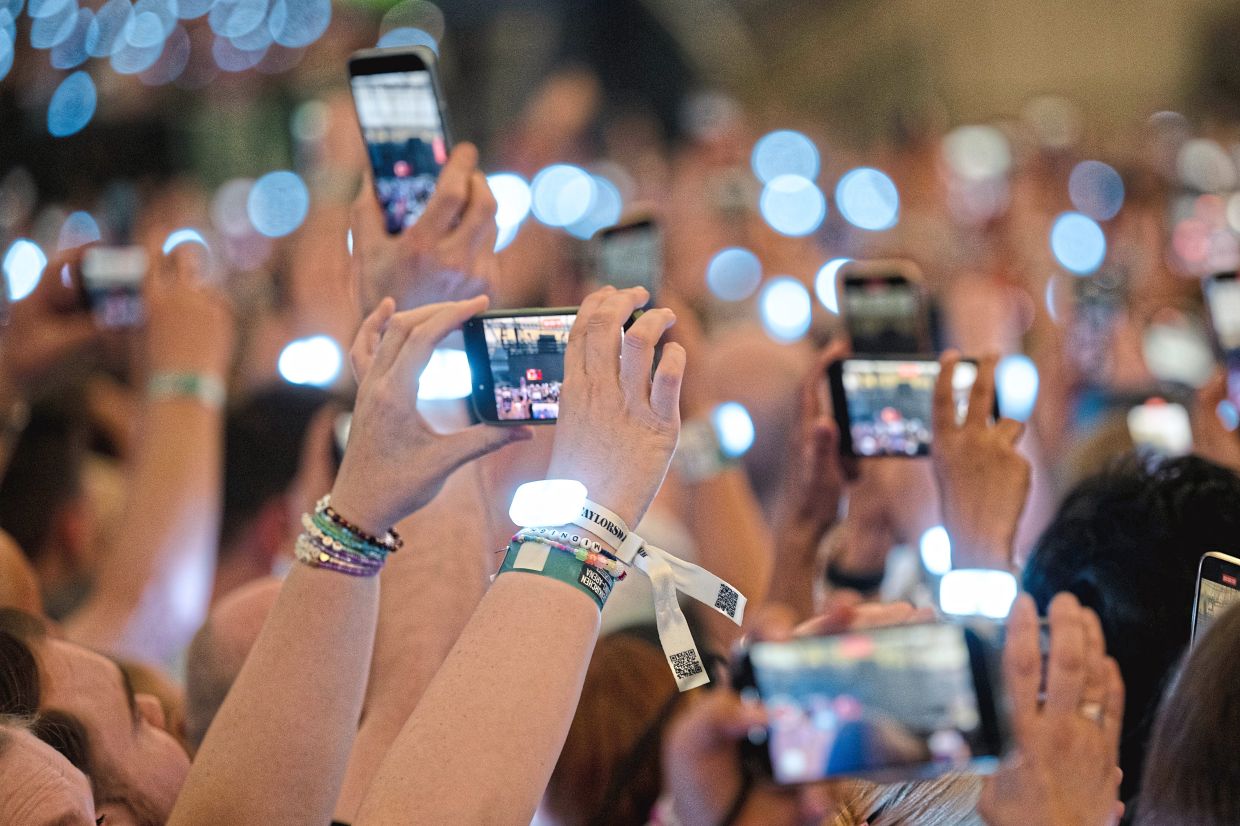
However, Schramm notes that most fans are not seeking to fill a personal gap. Instead, they are drawn to the powerful feeling of emotional closeness that develops around someone who has achieved "star" status.
That sense of intimacy between fans and public figures is not new.
For decades, teen magazines have created an illusion of personal access through posters, interviews and special features.
"Social media multiplies these effects and gives users an even stronger impression of direct contact with celebrities," says Schramm.
When fandom goes too far
But this digital closeness has a darker side too. Degen explains that online interactions blend emotional needs with commercial interests.
"The design of these platforms is meant to create familiarity and exclusivity," she says. "This leads to attachment, loyalty and a sense of obligation, which can then be translated into clicks, engagement and purchases."
Influencer Marie Joan recently highlighted how this can spill over into real life. In a YouTube video, she described strangers kissing her in the street because they felt connected to her from online interactions.
"But I don't know you - please don't just kiss me," she told viewers.
"It can become uncomfortable for influencers when followers blur boundaries," says Degen.
"For the fans, however, the closeness feels completely natural, because they spend so much time consuming the influencer's content that they feel they truly know them."
In extreme cases, that emotional investment can escalate. German journalist Jens Balzer recently reported that several writers who offered negative reviews of Taylor Swift's new album were flooded with online threats.
"When your idol is attacked, it can feel like a personal attack," says Schramm.
Niehaus has witnessed these dynamics first hand.
"In every fan community, there are people who go too far - who believe they have personal relationships with artists, or take on debt to buy merchandise," she says.
She also sees a double standard in how society views obsessive fandom.
"But a woman who goes to multiple concerts for her favourite female artist is often judged as excessive, emotional or irresponsible." - dpa