Without using resistance bands, dumbbells or free weights, can you gain muscles?
Indeed you can.
This is where calisthenics comes in.
It may be a fancy word, but basically, it is a type of workout that uses your own body weight for resistance to develop strength, as well as endurance, flexibility and coordination.
The word is derived from the Greek words kallos (beauty) and sthenos (strength).
Historically, the roots of calisthenics can be traced back to ancient civilisations, including Greece, India and China, where long before the invention of sophisticated gym equipment, people relied on bodyweight exercises to strengthen their bodies.
The earliest evidence of calisthenic-like movements can be found in prehistoric cave paintings and ancient artifacts.
These images depicted humans performing activities that resembled modern calisthenic exercises, suggesting that using bodyweight training was an integral part of life for our hunter-gatherer ancestors.
Survival often depended on physical prowess and activities such as climbing, running, jumping and wrestling naturally developed strength and functional fitness.
The Greeks placed a high value on physical fitness, and these exercises were integral to warrior training and athletic preparation.
Meanwhile in India, calisthenics was associated with ancient yoga practices, where practitioners used bodyweight exercises to prepare the body for meditation and physical readiness.
In China, Shaolin monks were believed to be trained in calisthenics so that they could protect their monasteries from robbers.
Over time, calisthenics gained popularity in different cultures, with Australia introducing it as a competitive sport in the late 19th century.
Today, there are plenty of global calisthenic competitions, with the highlight being the annual World Calisthenic Championship.
A low-cost workout
Because it doesn’t require gym membership or expensive equipment, calisthenics is a practical, low-cost solution applicable in many settings.
You can do it in schools, homes, workplaces, correctional facilities, and even in a small hotel room while on vacation (or when quarantined, like during the Covid-19 pandemic).
Basically, everyone can benefit from calisthenics, as building muscle strengthens your bones, makes everyday tasks easier and supports healthy ageing by improving balance and preventing frailty.
Also, having more muscles enables you to burn more calories at rest, which supports weight management.
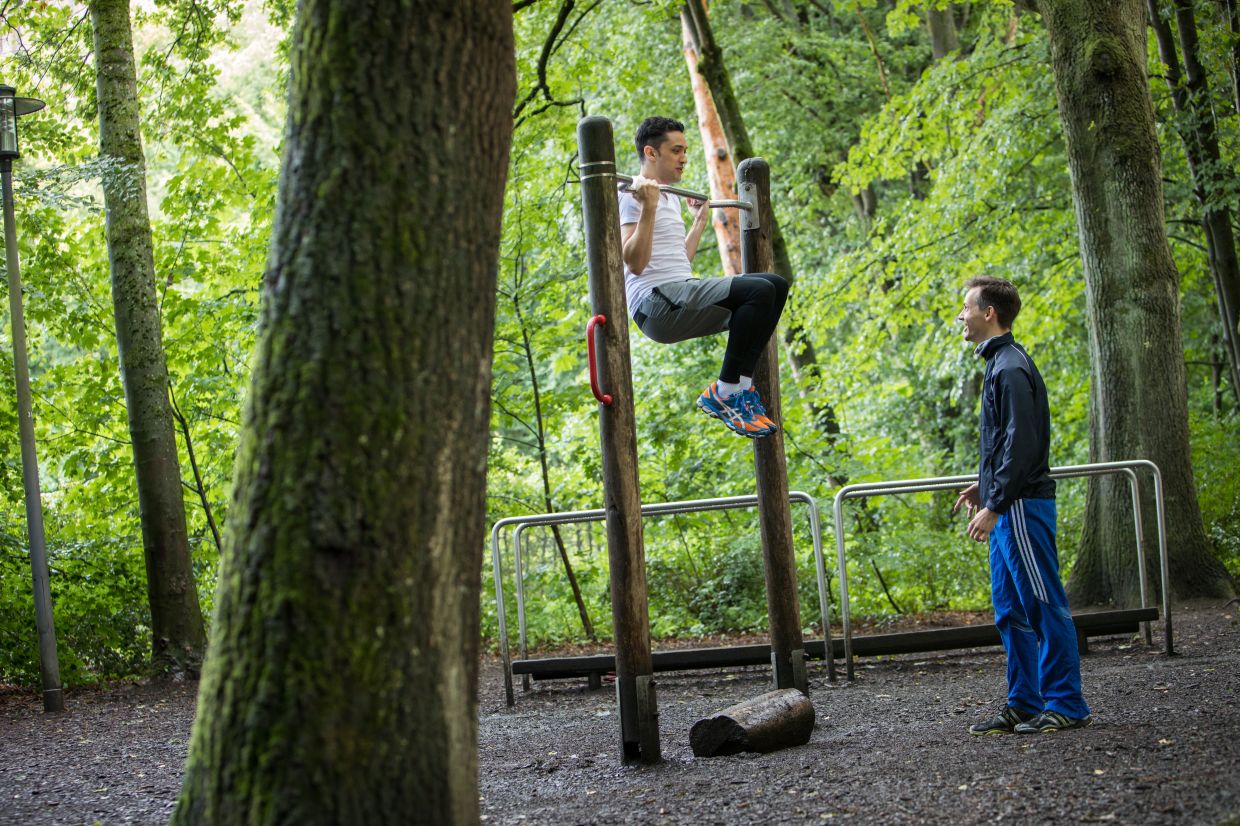
Common calisthenic exercises include push-ups, planks, squats and pull-ups, all of which can effectively engage multiple muscle groups simultaneously to build better overall fitness.
Advanced exercises include complex moves like the planche (a skill where the individual holds their body parallel to the ground, supported only by their arms) or the pistol squat (a single-leg squat where one leg is extended straight out in front while the body lowers into a deep squat).
Getting started
Some of you may already be doing calisthenics without realising it, but if you haven’t, here’s how to get started.
Put on a pair of shoes and find a space big enough for you to move – ideally, outdoors as fresh air works wonders to regulate your mood and mental health.
Grab a bottle of water to keep hydrated, and if possible, a buddy or two for extra motivation.
An example of a calisthenics routine could look something like this.
First, warm up with five to 10 minutes of brisk walking, light jogging or 20-30 jumping jacks, followed by dynamic stretching.
Then begin with one set of eight to 12 repetitions of each of the following exercises:
- Squats
- Tricep dips
- Plank (hold for 30-60 seconds)
- Reverse lunges (step back to lunge)
- Push-ups (you may leave your knees on the floor if full push-ups are too difficult)
- Chin-ups or pulls-ups (though you’ll need a bar for this)
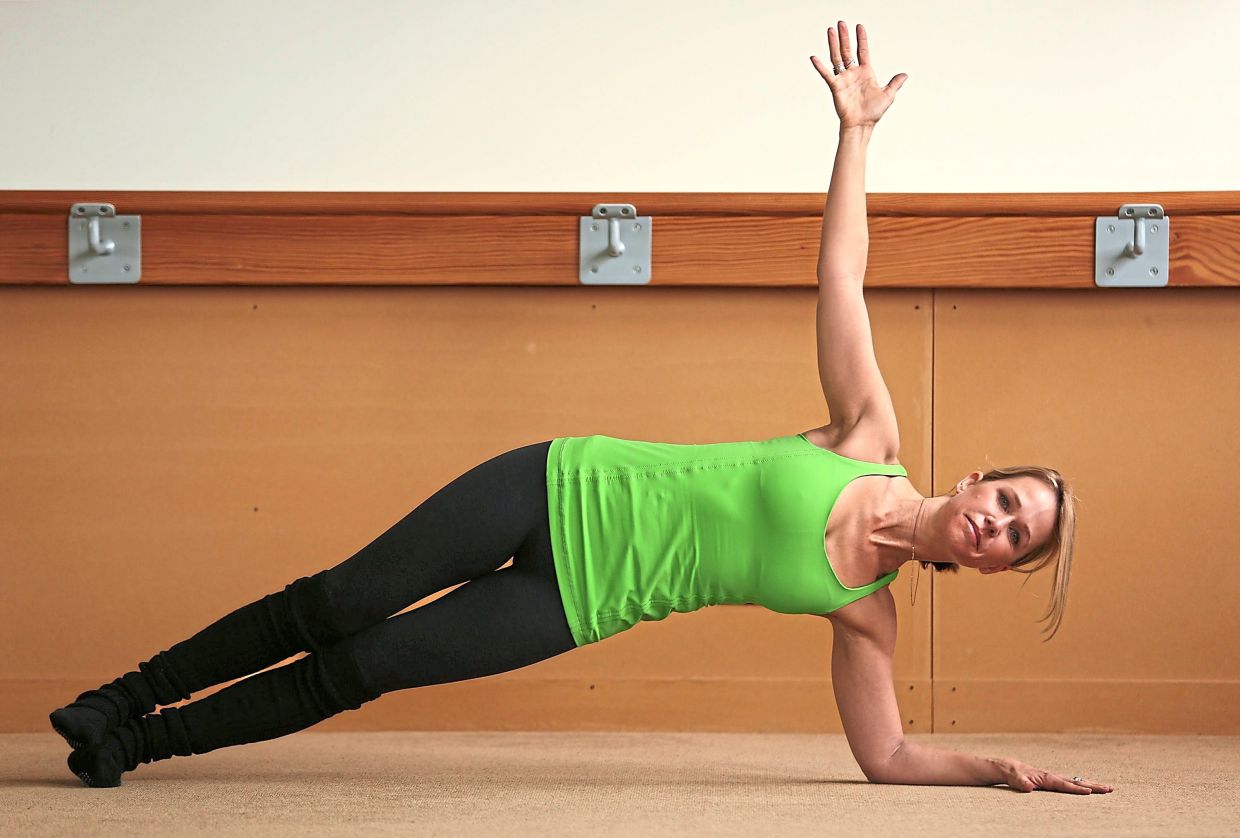
- Side plank on both sides (hold for 30-60 seconds).
End with 10 minutes of static stretching to cool down.
If the above routine is too difficult, you can modify the exercises to fit your fitness level, e.g. just do a half squat instead of a full one, or hang on to the bar instead of doing chin-ups, or just do five repetitions of each exercise.
Once you start feeling stronger, progressively challenge (or overload) your muscles by either increasing the repetitions, sets, difficulty level, decreasing the rest time in between sets, or slowing down the speed of the exercise.
Performing exercises at a deliberate and slower pace increases muscle engagement, reduces injury risk and improves mind-body connection.
So, instead of doing quick squats, perhaps take four counts to go down, hold the position for four counts and take another four counts to come back up – you’ll definitely feel the burn in your thighs!
Whichever speed you choose, remember to always focus on proper form.
Another important tip is not to lock your joints, i.e. when straightening out your legs and arms, always leave a slight bend in your knees and elbows respectively.
The drawback
The purpose of calisthenics is to gain muscles, not bulk (muscle hypertrophy).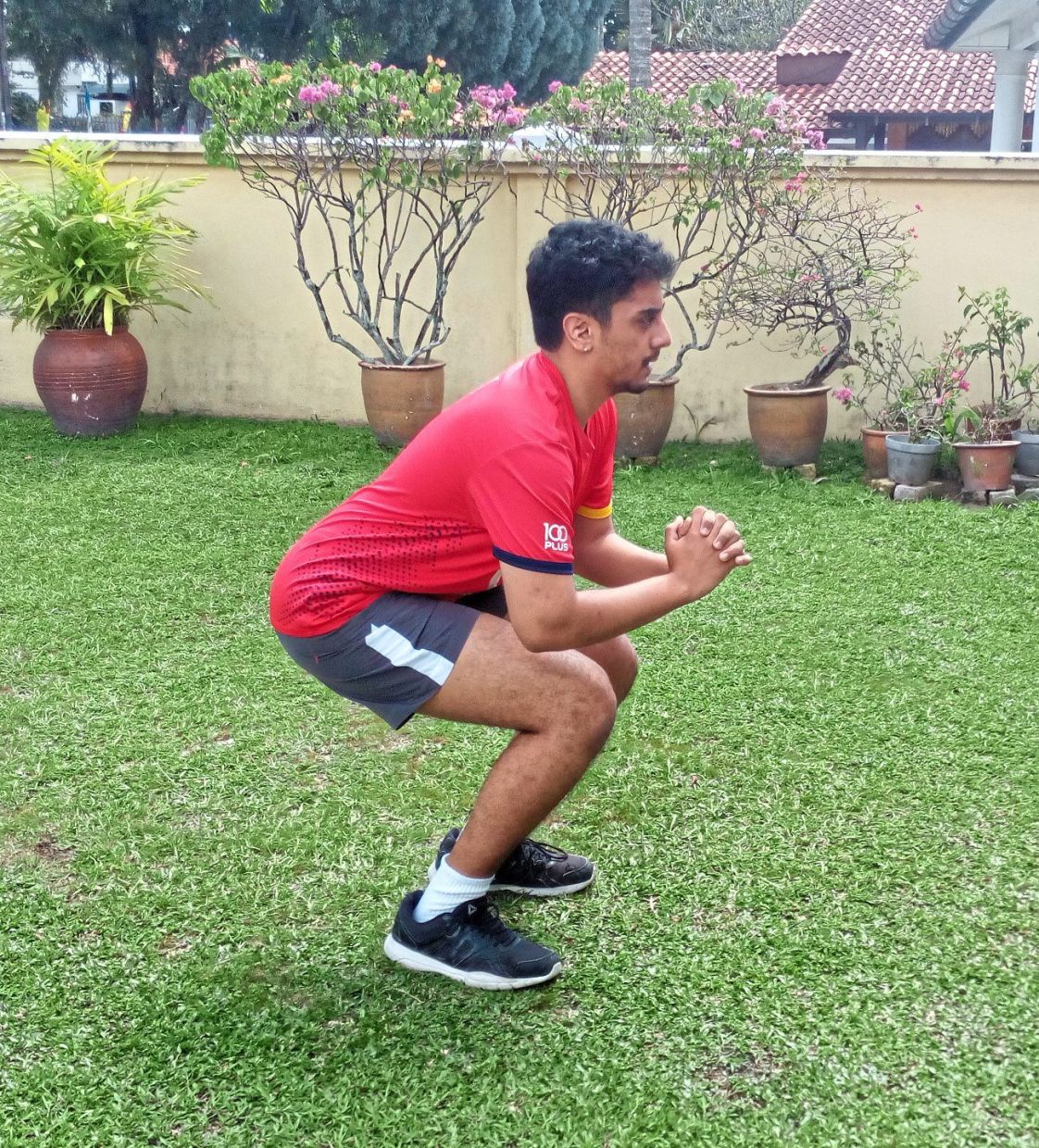
If your intention is to significantly increase muscle mass and size for aesthetic purposes, then it may be hard to get there with calisthenics alone, unless you are really consistent in your progressive overloading.
That means you have to do an exercise to the point where you feel you are close to “failure”, i.e. the point where you have to stop.
The key here is that you don’t have to get to the point of failure to achieve muscle growth, but you do have to put in sufficient effort.
To achieve your goals faster, you would probably have to lift heavier weights.
One option is to lift weights once a week and do calisthenics another two days a week, or vice versa.
Choose what works for you.
Lastly, note that building muscle isn’t just about working out, factors such as nutrition plays a critical role too.
Ensure your diet is balanced with a good mix of carbohydrates, fats and proteins.
Protein is essential for muscle repair and growth, so aim to include high-quality protein sources in every meal, such as chicken, fish, eggs, beans and lentils.
Revathi Murugappan is a certified fitness trainer who tries to battle gravity and continues to dance to express herself artistically and nourish her soul. For more information, email starhealth@thestar.com.my. The information contained in this column is for general educational purposes only. Neither The Star nor the author gives any warranty on accuracy, completeness, functionality, usefulness or other assurances as to such information. The Star and the author disclaim all responsibility for any losses, damage to property or personal injury suffered directly or indirectly from reliance on such information.
Already a subscriber? Log in
Get 20% OFF The Star Digital Access
Cancel anytime. Ad-free. Unlimited access with perks.