
It was nearly midnight when Amir’s parents finally brought him to the hospital’s emergency department.
The two-year-old had been having diarrhoea for three days.
What started as a few loose stools had become frequent watery motions.
Then came the vomiting.
Every attempt to drink seemed to end up on the floor.
Both parents looked exhausted and worried.
“He hasn’t passed urine since this morning,” they said.
As I examined him, I noticed his lips were dry and his eyes appeared slightly sunken.
He was quieter than most toddlers his age.
Then came a sentence I have heard many times over the years: “We stopped giving him milk because we thought it would make the diarrhoea worse.”
Another family member had advised them to reduce his fluids.
A neighbour had suggested antibiotics.
Someone else recommended some medicine to stop the diarrhoea immediately.
Like many parents, they were trying to do what they thought was best.
Unfortunately, many of the things we commonly believe about diarrhoea are not always true.
And when it comes to childhood diarrhoea, myths can sometimes be more dangerous than the illness itself.
Preventing dehydration
Diarrhoea remains one of the most common childhood illnesses worldwide.
Most children will experience several episodes during their early years.
The good news is that the vast majority recover completely.
The bad news is that many children become unnecessarily ill because treatment is delayed, hydration is inadequate, or parents are distracted by treatments that are less important than they seem.
One common misconception is that children should stop drinking when they have diarrhoea.
In reality, diarrhoea causes the body to lose water and important salts.
Vomiting makes matters worse.
The greatest danger is often not the infection itself, but dehydration.
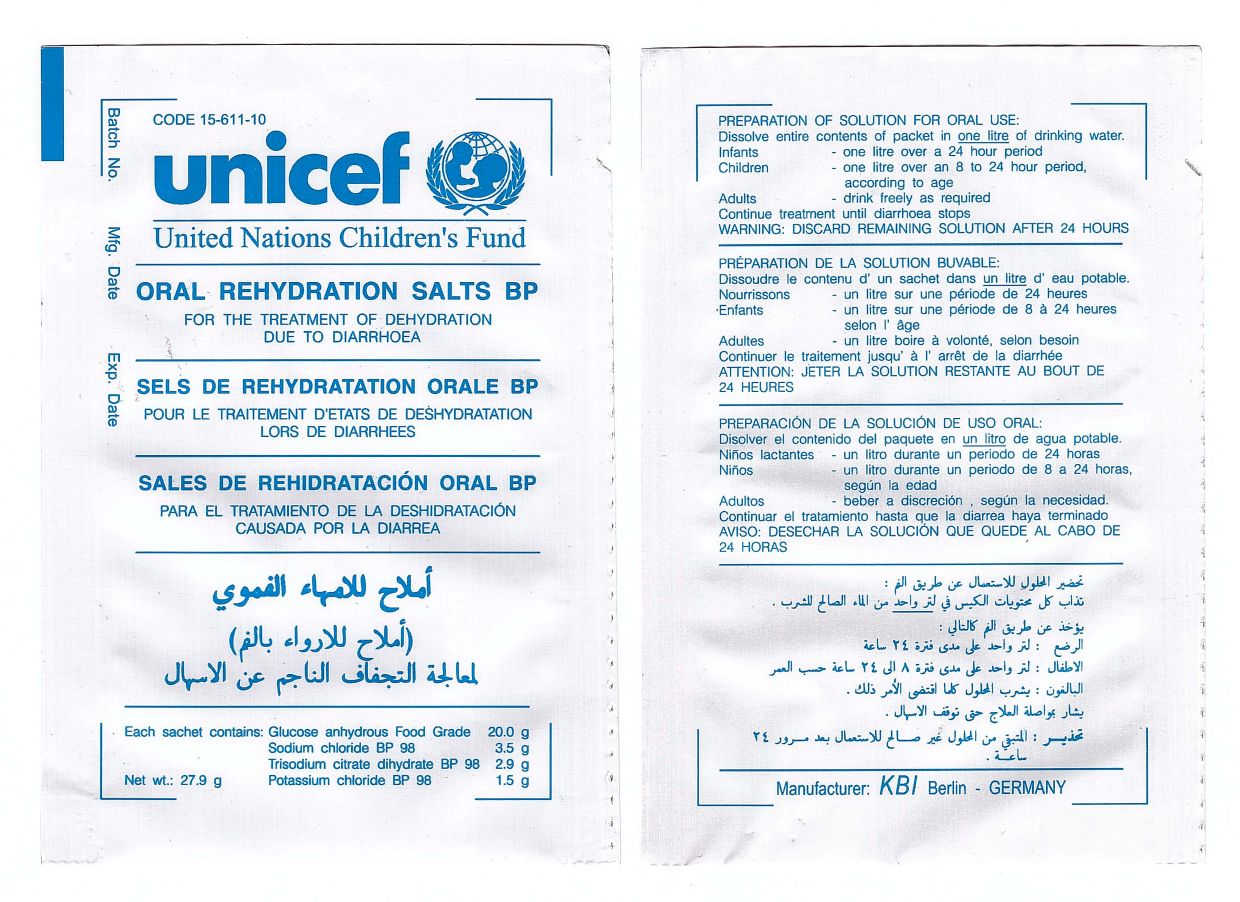
This is where Oral Rehydration Solution (ORS) becomes important.
Many parents are disappointed when they are only prescribed ORS.
“Doctor, that’s all?” they’d say as they were hoping for something stronger and more impressive.
Yet, ORS is one of the most important medical discoveries of the last century.
It has saved millions of lives worldwide.
Its purpose however, is often misunderstood.
ORS does not stop diarrhoea; it prevents dehydration.
That distinction is important.
A child may continue to pass loose stools while taking ORS, but if he remains well-hydrated, alert and active, he is already moving in the right direction.
Don’t stop the fluids
Another common myth is that milk should be stopped.
Years ago, this advice was commonly given.
Today, we know that most children should continue their usual feeds during diarrhoea.
Breastfeeding should continue. Formula-fed infants should continue their regular formula. Older children should continue eating age-appropriate foods.
The gut needs nutrition to heal.
Starving the intestine does not make recovery faster.
In fact, prolonged food restriction may slow recovery and contribute to weight loss.
Amir’s mother looked surprised when I advised her to resume feeding.
“But won’t it worsen the diarrhoea?” she asked.
For most children, the answer is no. The body needs the energy to recover.
“Doctor, every time he drinks, he vomits.” That is another sentence doctors hear almost daily.
Many parents assume that if a child vomits after drinking, there is no point offering fluids.
In reality, small sips given frequently are often far more successful than large amounts given at once.
ALSO READ: How to keep your child hydrated if he is throwing up
Antibiotics not needed
Then comes the inevitable question: “Can I get antibiotics?”
Many parents associate diarrhoea with infection.
Infection means bacteria; bacteria means antibiotics.
The logic seems straightforward. The reality is more complicated.
Most episodes of acute childhood diarrhoea are caused by viruses.
ALSO READ: This highly infectious virus causes severe diarrhoea in young children
Antibiotics do not work against viruses.
Giving antibiotics unnecessarily may expose children to side effects and contribute to the growing problem of antibiotic resistance.
Not every episode of diarrhoea needs an antibiotic.
Sometimes, the best treatment is supportive care, hydration, nutrition and time.
Parents are often surprised to hear that some children recover perfectly well without receiving a single antibiotic.
Clearing the infection
Another request commonly heard in clinics is for medication to stop the diarrhoea immediately.
After all, if there is a medicine that can stop a runny nose or suppress a cough, why not one for diarrhoea?
The answer lies in understanding what diarrhoea actually is.
In many cases, diarrhoea is the body’s way of clearing an infection from the gut.
Completely stopping bowel movement activity may not always be beneficial and some anti-diarrhoeal medications are not recommended for young children because of potential side effects.
The goal is not necessarily to stop every stool instantly, but rather, to keep the child hydrated while recovery takes place.
This is also where selected probiotics may play a role.
Probiotics are beneficial microorganisms that help support the natural balance of bacteria within the gut.
Certain probiotic strains have been shown to shorten the duration of acute infectious diarrhoea and may help children recover faster.
While they are not a substitute for ORS, they can be a useful addition to supportive treatment in appropriate situations.
Parents should discuss with their doctor which, if any, probiotic is suitable for their child, as not all products are the same.
When to see the doctor
As the night progressed, Amir’s mother sat beside him, replaying every decision she had made over the previous three days.
Should she have come earlier? Should she have continued his milk? Had she waited too long?
However, as Amir received fluids and resumed feeding, things slowly improved.
The vomiting became less frequent. He started asking for drinks. He became more playful.
His mother smiled for the first time that night.
Yet, not every child follows such a straightforward course.
One of the biggest challenges is that many families seek treatment late.
Sometimes, parents wait because they expect the diarrhoea to stop on its own.
Sometimes, they focus on finding the “right medicine” while dehydration quietly worsens.
Knowing when to seek medical attention is therefore crucial.
Parents should seek medical care if their child:
- Is unable to drink
- Develops persistent vomiting
- Becomes unusually sleepy
- Passes blood in the stools
- Develops signs of dehydration, such as dry lips or reduced urine output, or
- Is becoming progressively unwell.
Trusting parental instinct is important too, as parents often know when something is not right.
As Amir left the hospital, clutching his mother’s hand, there was no prescription for a miracle drug in his discharge summary.
There was only a lesson his parents will never forget.
When diarrhoea strikes, the goal is not to stop every stool.
It is to keep the child drinking, feeding and smiling until the storm passes.
Dr Naveen Nair Gangadaran is a paediatrician at Hospital Tuanku Ja’afar, Seremban, and council member of the Malaysian Paediatric Association. For more information, email starhealth@thestar.com.my. The information provided is for educational and communication purposes only, and should not be considered as medical advice. The Star does not give any warranty on accuracy, completeness, functionality, usefulness or other assurances as to the content appearing in this article. The Star disclaims all responsibility for any losses, damage to property or personal injury suffered directly or indirectly from reliance on such information.