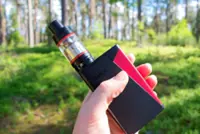
Malaysia is facing a growing challenge as vaping becomes increasingly common among adolescents, young adults and long-time smokers seeking alternatives.
While e-cigarettes are often promoted as a comparatively “safer” option, vaping is not harmless and can lead to nicotine dependence, with potential health risks for users and those exposed to vape aerosols.
These concerns highlight the need for greater public awareness and accessible support to help individuals stop smoking or vaping.
Flavoured vape liquids, sleek devices and social media marketing can make vaping appealing, particularly to adolescents and young adults, while reinforcing the perception that it is harmless.
Its growing popularity among adolescents is reflected in the National Health and Morbidity Survey, which found that current e-cigarette and vape use among school-going adolescents aged 13 to 17 increased from 9.8% in 2017 to 14.9% in 2022.
Despite the perception of safety, most vape liquids contain nicotine, a highly addictive substance.
Repeated nicotine exposure can lead to dependence, while nicotine use during adolescence can affect brain development, including functions involved in attention, learning and impulse control.
Severe health risks
Besides nicotine, studies have detected harmful chemicals in vape aerosols, including formaldehyde, acrolein and heavy metals such as nickel and lead.
These substances can irritate the lungs and trigger inflammation.
Although the long-term effects are still being studied, research has linked vaping to respiratory symptoms such as chronic cough, shortness of breath and wheezing.
Nicotine can also increase heart rate and blood pressure, adding to concerns about the cardiovascular effects of vaping.
Vaping has also been associated with e-cigarette or vaping product use-associated lung injury (EVALI), a serious condition involving inflammation and damage to the lungs.
In addition to respiratory symptoms, people affected may experience chest pain, fever, nausea or vomiting.
In severe cases, lung function can deteriorate and blood oxygen levels may fall, requiring hospitalisation, oxygen therapy or breathing support.
Beyond these health risks, the sale of vape liquids adulterated with illicit drugs has raised further concerns in Malaysia.
In January 2026, local media reported that analyses of seized vape products, including those marketed as “magic mushroom”, had identified ecstasy and synthetic substances that mimic the effects of cannabis.
These substances can affect brain function, altering perception, mood and behaviour, while impairing judgement and coordination.
Their effects can be unpredictable, particularly when users do not know the substances or doses they are inhaling.
Misleading product names can therefore conceal serious risks beyond nicotine dependence.
Effects on others and social norms
The risks of vaping also extend to people nearby.
While vaping is often portrayed as less harmful to others than cigarette smoke, secondhand exposure to vape aerosol is not risk-free.
The aerosol can contain fine particles, nicotine and other potentially harmful chemicals that bystanders may inhale.
Avoiding vaping around others is particularly important when children, pregnant women or individuals with asthma are present.
Indoor vaping can also leave nicotine and other chemical residues on surfaces, creating the potential for “thirdhand exposure” through contact with contaminated surfaces or dust.
Although the long-term health effects of this exposure are still being studied, keeping homes and cars free from smoking and vaping can help reduce exposure among family members.
Vaping can also shape social norms and perceptions of nicotine use, particularly within the family.
The presence and use of vaping devices at home can make the behaviour seem normal and acceptable to children and adolescents, potentially encouraging experimentation.
Parents and caregivers therefore have an important role in discussing the risks of vaping and maintaining a smoke-free and vape-free home.
When a young person is already vaping, a supportive conversation can help identify difficulties with stopping and encourage them to seek professional help.
Understanding dual use
Some users turn to vaping in an attempt to stop smoking but continue using both products.
This pattern, known as “dual use”, exposes them to harmful substances from both cigarette smoke and vape aerosol and should not be regarded as an effective way to protect their health.
Continuing to smoke carries substantial health risks, even when vaping is added to the routine. Individuals who use both products are encouraged to seek professional support to stop smoking and vaping, with treatment tailored to their nicotine dependence and needs.
Treatment and support to quit
In response to nicotine dependence, Malaysia’s healthcare system continues to emphasise a comprehensive approach to cessation.
Quit-smoking services now cater to both smokers and vapers, recognising that the underlying issue is nicotine dependence regardless of the delivery method.
Stopping can be difficult because nicotine withdrawal may cause cravings, irritability, restlessness and difficulty concentrating.
Support to stop smoking or vaping is available at participating Health Ministry (MOH) hospitals and health clinics.
Services may include assessment, counselling, suitable treatment and follow-up support.
Individuals can contact a nearby MOH facility to check service availability and registration arrangements.
Quit-smoking appointments can also be booked through MySejahtera, subject to available services and appointment slots.
For those seeking support outside MOH facilities, selected private clinics and community pharmacies offer cessation services through the mQuit programme.
Individuals can visit the JomQuit website (https://jomquit.my/) to locate participating providers and check the services offered.
The website also provides digital guidance through Cik Era AI, offering a convenient starting point for those seeking help to quit.
Healthcare professionals assess nicotine dependence, review health conditions and recommend suitable treatment.
One option is nicotine replacement therapy (NRT), which provides controlled amounts of nicotine to reduce cravings and withdrawal symptoms without exposure to cigarette smoke or vape aerosol.
Nicotine patches release nicotine steadily, while faster-acting products such as gum or mouth sprays help manage cravings as they arise.
The appropriate treatment depends on the individual’s nicotine use, health status and needs.
As accessible front-line providers, pharmacists help individuals select suitable NRT products and doses, explain the correct techniques for using them, and advise on possible side effects.
This guidance is important because incorrect use can reduce treatment effectiveness.
Pharmacists also monitor progress and review treatment with the healthcare team when necessary.
For those who vape, assessment considers the products used, their nicotine content and frequency of use, rather than relying solely on comparisons with the number of cigarettes smoked.
Alongside treatment, doctors, pharmacists and other trained healthcare professionals provide behavioural counselling to help individuals identify triggers, develop coping strategies and stay motivated throughout the quitting process.
Follow-up appointments allow progress to be monitored, side effects to be managed and treatment to be adjusted when necessary.
This coordinated approach addresses both nicotine dependence and the habits associated with smoking or vaping.
Advice for those who wish to quit
Once support has been sought, a practical quit plan can help turn the intention to stop into action.
This may include setting a quit date, identifying situations that trigger smoking or vaping, and preparing ways to manage cravings.
Removing cigarettes, vaping devices and related supplies from the immediate environment can help reduce reminders and temptation.
Family members and friends can support the effort by offering encouragement and avoiding smoking or vaping around the individual.
Stopping smoking or vaping may take more than one attempt.
A lapse does not mean that the effort has failed; it provides an opportunity to identify what made stopping difficult and review the quit plan with a healthcare professional.
Continued counselling, appropriate treatment and follow-up support can help individuals work towards lasting cessation.
Those who have already stopped smoking should avoid returning to cigarettes while seeking help to stop vaping.
With appropriate treatment and continued support, stopping smoking or vaping is achievable, even when more than one attempt is needed.
Pharmacists can support this process by guiding the appropriate use of nicotine replacement therapy, providing counselling and monitoring progress.
Individuals are encouraged to seek help at participating MOH facilities or from selected private clinics and community pharmacies offering cessation services through the mQuit programme.
Together with greater awareness and supportive environments that discourage nicotine use, these services can help protect users, those around them and younger generations.
Audrey Lim Huili is a pharmacist at the Institute of Clinical Research. This article is courtesy of the Health Ministry’s Pharmacy Practice and Development Division. For more information, email starhealth@thestar.com.my. The information provided is for educational and communication purposes only, and should not be considered as medical advice. The Star does not give any warranty on accuracy, completeness, functionality, usefulness or other assurances as to the content appearing in this article. The Star disclaims all responsibility for any losses, damage to property or personal injury suffered directly or indirectly from reliance on such information.