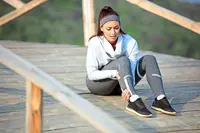
Balance is a key word when it comes to everything in life, even exercise.
At any age, performing balance exercises helps in our daily living activities to improve stability, increase coordination and prevent falls.
It’s something we take for granted and seldom pay attention to until we lose balance, take a tumble and sustain an injury.
As early as our 30s, we begin to lose that all-important muscle mass, as well as experience age-related deterioration in the visual, somatosensory and vestibular systems.
The decline is very gradual, but by the time you hit the mid-60s, the curve drops steeply and that’s when balance training is important.
In a 2022 study published in the British Journal of Sports Medicine, researchers found that people who were middle-aged and older (out of 1,702 subjects ranging from ages 51 to 75), and couldn’t hold their stance for a 10-second count on one foot, were twice as likely to die in the subsequent 10 years than those who could.
Shocking, right?
Even for younger individuals, a lack of balance can lead to sports injuries and impede overall physical performance.
Balance training is one of the four types of recommended exercises, along with aerobic, strength and flexibility, to improve health and physical ability.
Depending on where their affinity lies, most people tend to focus on endurance or strength training as part of their fitness routine.
The mind-body lover will gravitate towards the likes of yoga and pilates to improve their flexibility, and perhaps, strength.
While there are components of balance in mind-body exercises, one can always practise simpler ones off the mat.
Any activity that keeps you upright, i.e. on your feet, can aid in balance – even just walking.
According to the American Heart Association, older adults should engage in balance exercises at least three times a week, in addition to doing other age- appropriate exercises.
So, incorporate single leg exercises into your daily routine.
Standing on one leg for a minute may sound easy, but try turning your head to the right and test your balance.
Then turn your head to the left.
It definitely takes a bit of work to keep steady.
Other simple exercises include sitting down on a chair and standing up without using your hands, and walking while alternating knee lifts with each step.
Hold the knee up for three seconds before putting the leg down.
To improve balance, you will also need to work on core strength, i.e. strengthening the abdominal muscles.
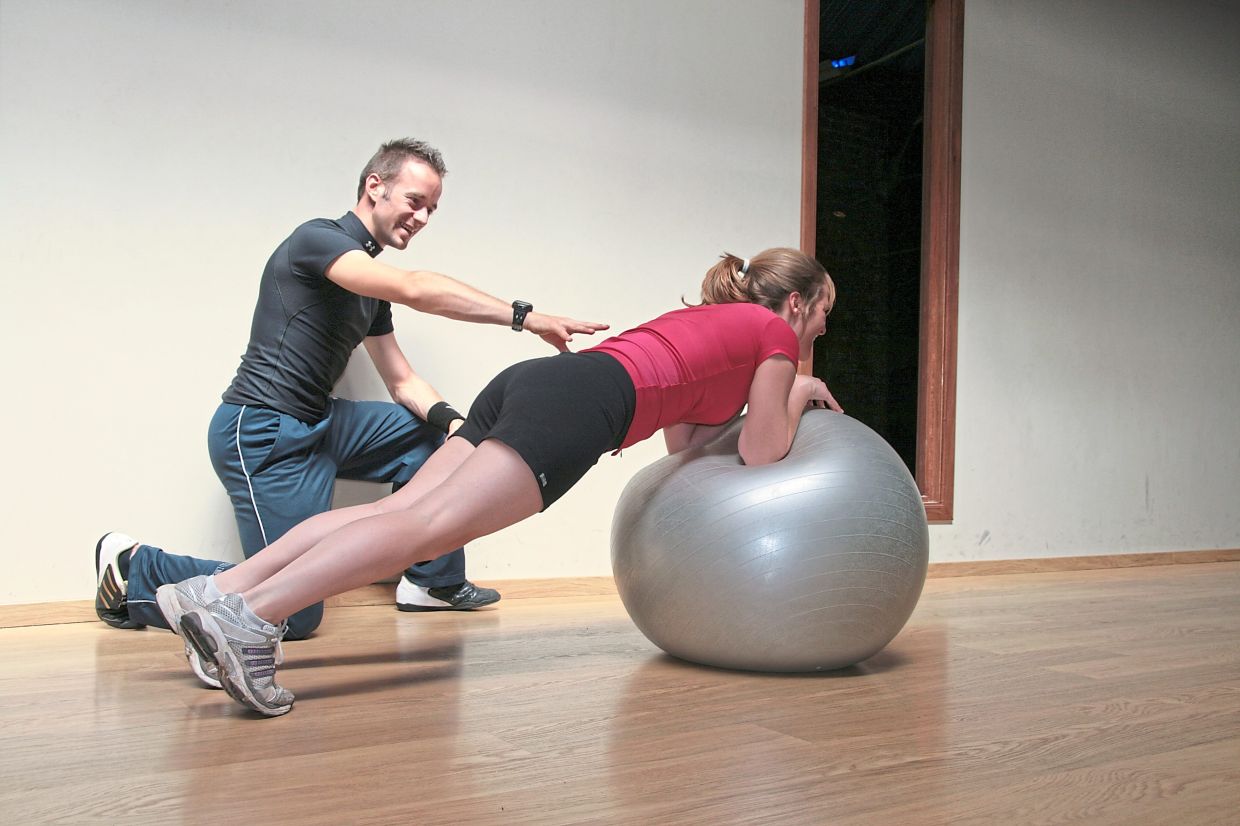
The younger ones with better fitness can challenge themselves by performing the plank on a stability ball (see the photo gallery below), while the less fit ones can begin with simple crunches before progressing to floor planks.
This is also a balance exercise, but the focus is on the abdominals instead.
It should take no longer than 15 minutes to complete some of the balance exercises on this page.
You don’t have to do them together with your regular exercise routine.
Save them for a different time, perhaps during a commercial break while you’re watching television.
Once your balance improves, you’ll be able to control your movements better (especially to prevent falling), as well as recover your momentum and react quickly.
However, if you’re experiencing severe dizziness that does not go away, do seek prompt medical advice before attempting these exercises.
Revathi Murugappan is a certified fitness trainer who tries to battle gravity and continues to dance to express herself artistically and nourish her soul. For more information, email starhealth@thestar.com.my. The information contained in this column is for general educational purposes only. Neither The Star nor the author gives any warranty on accuracy, completeness, functionality, usefulness or other assurances as to such information. The Star and the author disclaim all responsibility for any losses, damage to property or personal injury suffered directly or indirectly from reliance on such information.
Already a subscriber? Log in
Get 20% OFF The Star Digital Access
Cancel anytime. Ad-free. Unlimited access with perks.


If balance is a problem, you can start with calf raises. Hold onto something with your two feet flat on the ground. Rise on the balls of your feet and hold for 10-15 seconds before coming down. Do two sets of 10-12 repetitions. Progress to holding on with one hand, then one finger, and finally, release the support and allow your arms to just hang down while doing the exercise. — 123rf.com
For the fitter folks, you can challenge your core muscles by doing a plank on the stability ball. — Wikimedia Commons
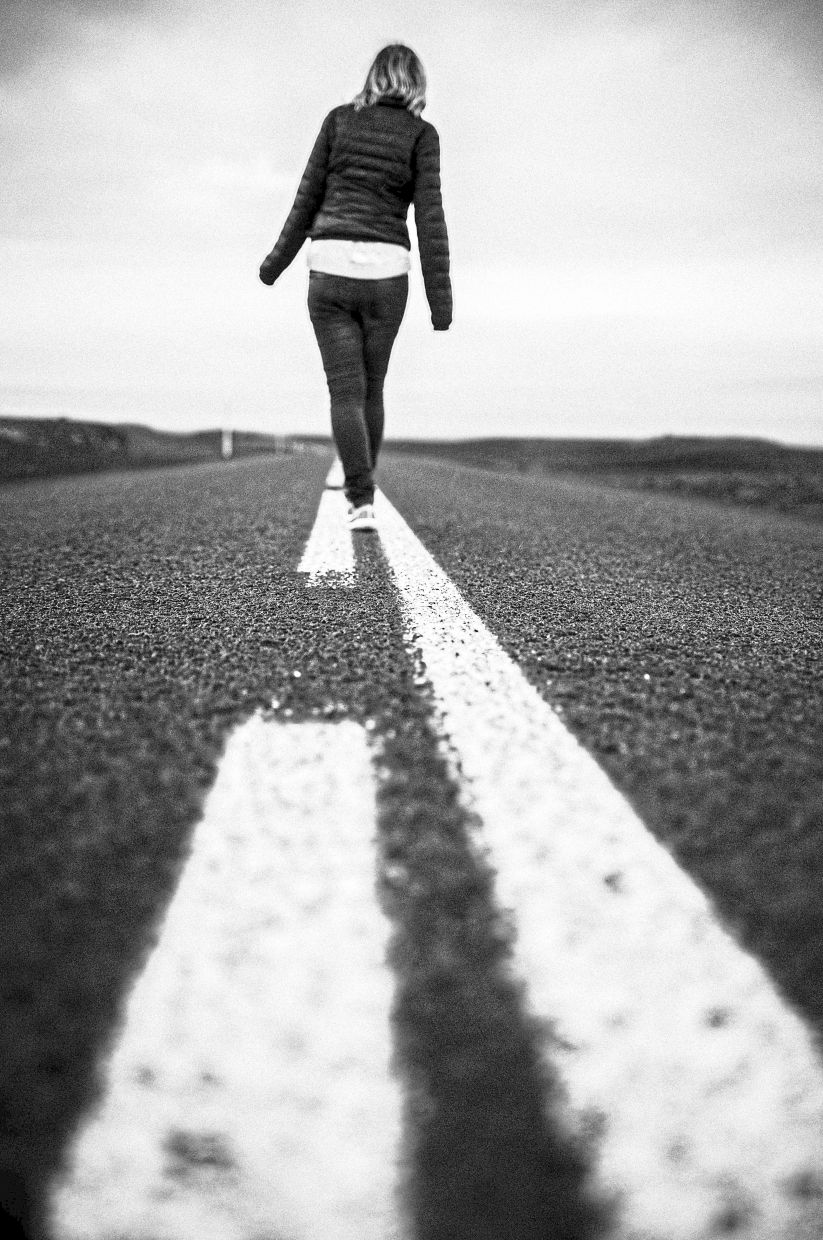
Heel to toe walk: Walk on a line, ensuring that the heel of your front foot and the toes of your back foot are touching. Start by putting your arms out for balance. Once you get the motion, relax the arms and look ahead while you walk. Take 10 steps forward and backward. — Photos: Pexels
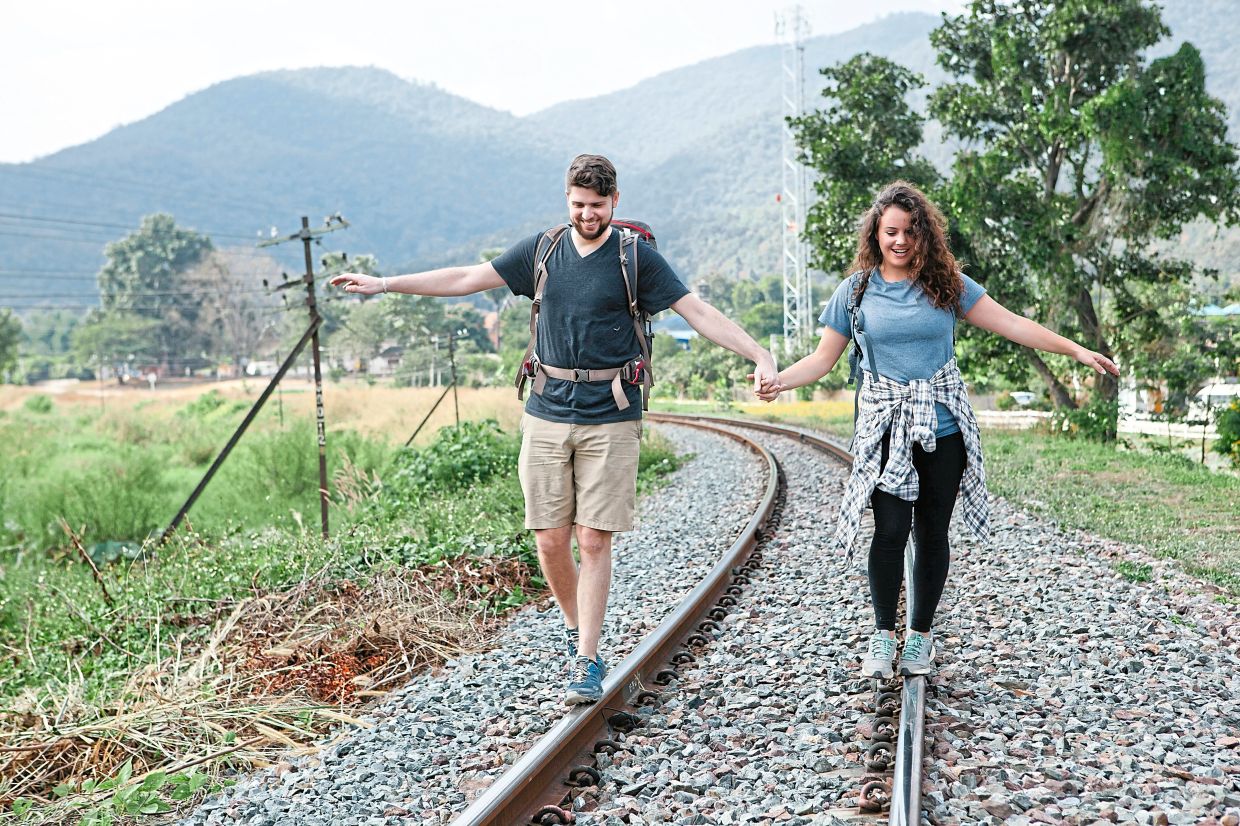
Heel to toe walk: Once you get better at the heel to toe walk, take the exercise up a notch by walking on an elevated surface like this railway track (although not when there are trains running obviously).
This single leg balance may look simple, but I can assure you it is not! First, hold one leg close to your chest and keep your back straight without leaning back. Keep your supporting leg straight for 30 seconds, then switch sides. Repeat the exercise with the supporting leg bent. Once you have mastered this, try the positions again with your head looking to the right and left respectively, holding for 30 seconds each time.
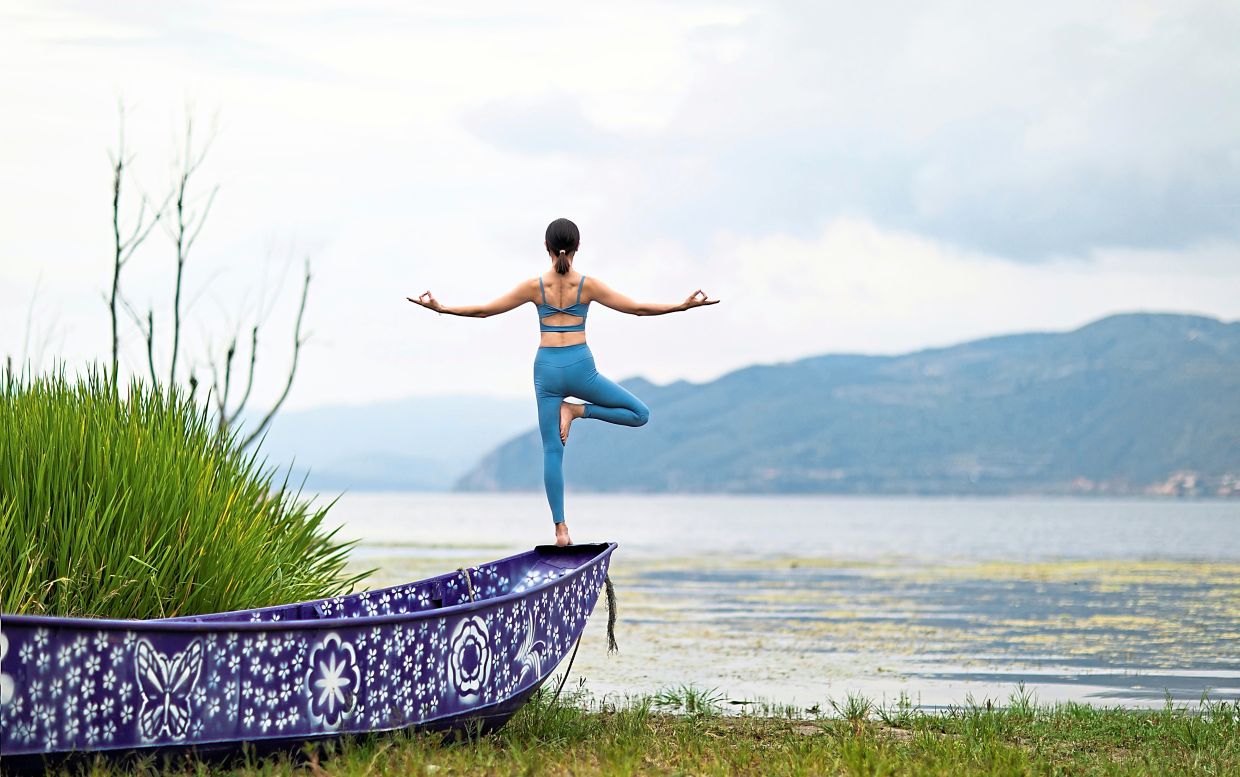
Pictured here is the yoga tree pose where the practitioner is balancing on the tip of a boat. You can try this pose on a flat surface first; if that's easy, close your eyes to challenge yourself.