More than 10,000 Malaysians are currently waiting for life-saving organ transplants.
According to the official pledge portal of the National Transplant Resource Centre (NTRC), the number stands at 10,325, with 10,284 patients waiting for kidneys, 13 for livers, 17 for hearts, three for lungs and eight for combined heart-lung transplants.
Yet the number of available donors remains painfully small.
The website, dermaorgan.gov.my, also shows that 422,126 Malaysians have pledged to donate their organs, but only 1,084 pledges have ultimately translated into actual donations after death, resulting in 3,414 organs and tissues being donated.
This leaves Malaysia’s cadaveric organ donation rate – about 1.3 donors per million population – among the lowest in the world.
Yet behind these stark statistics, there are deeply personal moments that unfold quietly inside hospital intensive care units (ICUs).
It is here – often after days of fighting to save a patient’s life – that doctors and nurses must sit with grieving families to discuss the possibility of organ donation.
“These are some of the most sacred conversations we have in the ICU,” says consultant intensivist and head of critical care services Dr Premela Naidu Sitaram.
Families, she says, are often confronting the shock of sudden loss. “They are facing one of the worst moments of their lives. Initiating the conversation requires sensitivity, correct timing and deep respect.”
The transition from saving a life to requesting a donation must be handled with extreme care. “The approach for organ donation is never introduced in the same breath as the declaration of death,” Dr Premela says. “It involves multiple family conferences.”
“The family members must be given ample opportunity to ask questions and clear all doubts,” she explains.
“Most importantly, they must clearly understand the diagnosis of death. There must not be any confusion, and they must not feel compelled or rushed.”
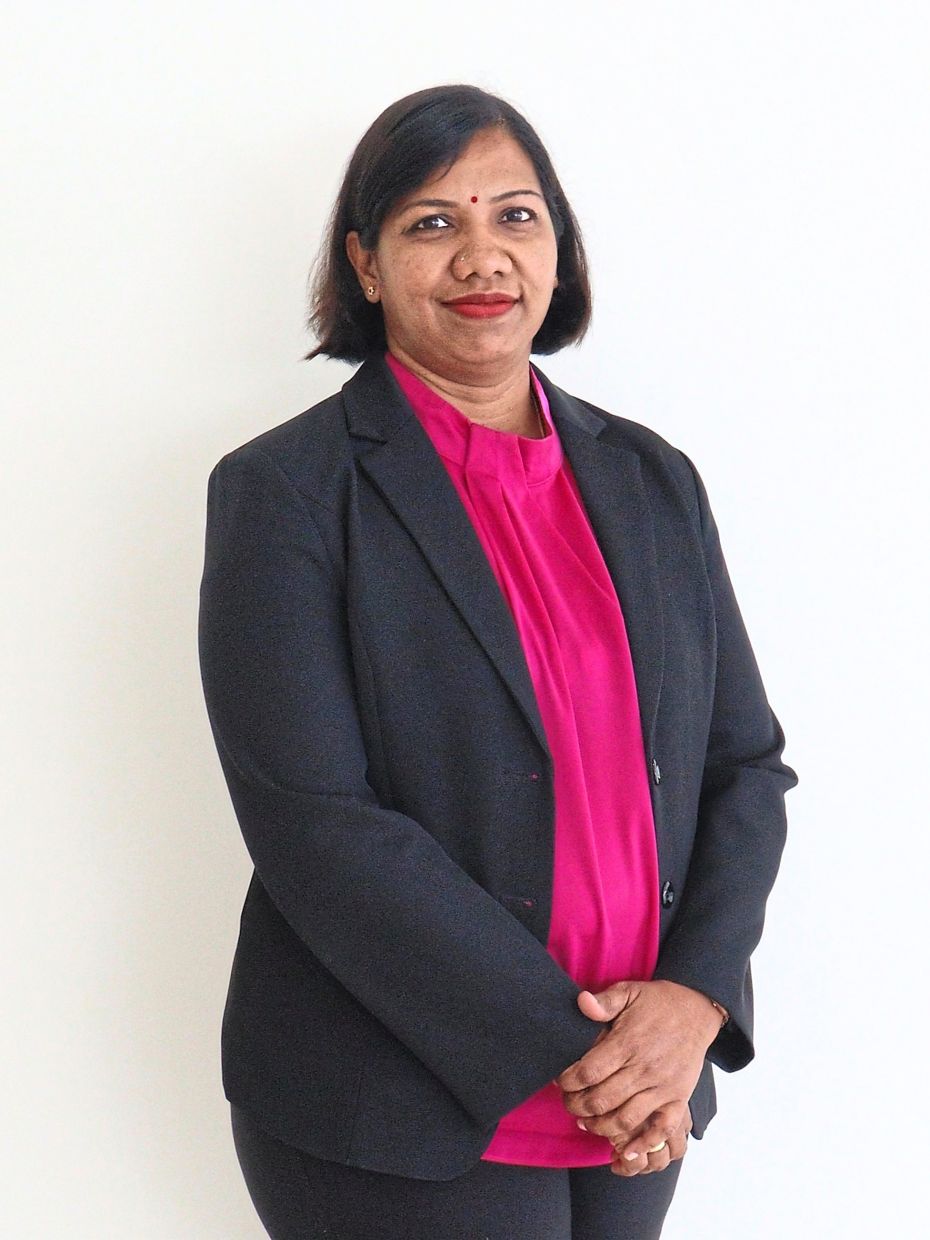
Working alongside her is Sharon Ann Selvaraj, a senior nurse manager for the critical care unit who helps guide families through discussions with sensitivity to their cultural and personal beliefs.
“Our approach is to support, not persuade,” she notes. “We make it very clear that organ donation is entirely their choice and that there is no obligation to decide immediately.”
The weight of these conversations might overwhelm an outsider, yet within the ICU, this work is guided by a deep belief in the possibility of survival – even when that survival comes in a different form.
Building trust
“Contrary to popular belief that the ICU is where patients come to die, I saw it as a place where the sickest of patients had a chance to survive,” Dr Premela reflects, recalling the thought that drew her to the field decades ago.
“It is a place where family members have hope and faith.”
“Intensivists are involved from the moment a patient is admitted,” says Dr Premela. “We spend a lot of time building rapport. There’s a circle of trust that exists, which makes breaking bad news and the organ donation conversation smoother. It does not get easier, but it is a conversation that becomes relevant at that point.”
Selvaraj says that once a patient’s prognosis points towards end-of-life, her role is to guide families with empathy and clarity.
“We listen to their questions, address their fears, and respect their beliefs,” she says, adding that the most common concerns raised by families often revolve around body integrity, pain and cultural practices.
To this, Dr Premela reassures that the procurement surgery is performed with utmost respect, like any other operation.
“The body is carefully reconstructed and skin closure is neat, allowing open-casket funerals or cultural burial practices,” she continues.
“The moment a family consents to donation, the whole team is mobilised and the standard operating procedures are structured so that unnecessary delays are avoided.”
Once consent is obtained, Selvaraj will then coordinate with the NTRC by submitting the required clinical information and investigation results to initiate the organ procurement process.
She adds, “It is about honouring both the patient’s wishes and the family’s emotional journey. Even in grief, families can find a sense of purpose in giving others a second chance at life.”
Loss and hope
Selvaraj remembers a case involving a patient battling cancer who had pledged her corneas. Despite their grief, her family honoured her final wish.
“Seeing how organ donation gave the family a sense of purpose amid their loss was meaningful,” she says. “They found comfort in knowing that the gift would restore someone else’s sight.”
For Dr Premela, every case is heartwrenching and heartwarming in equal measure. “That’s the nature of the organ donation process,” she says.
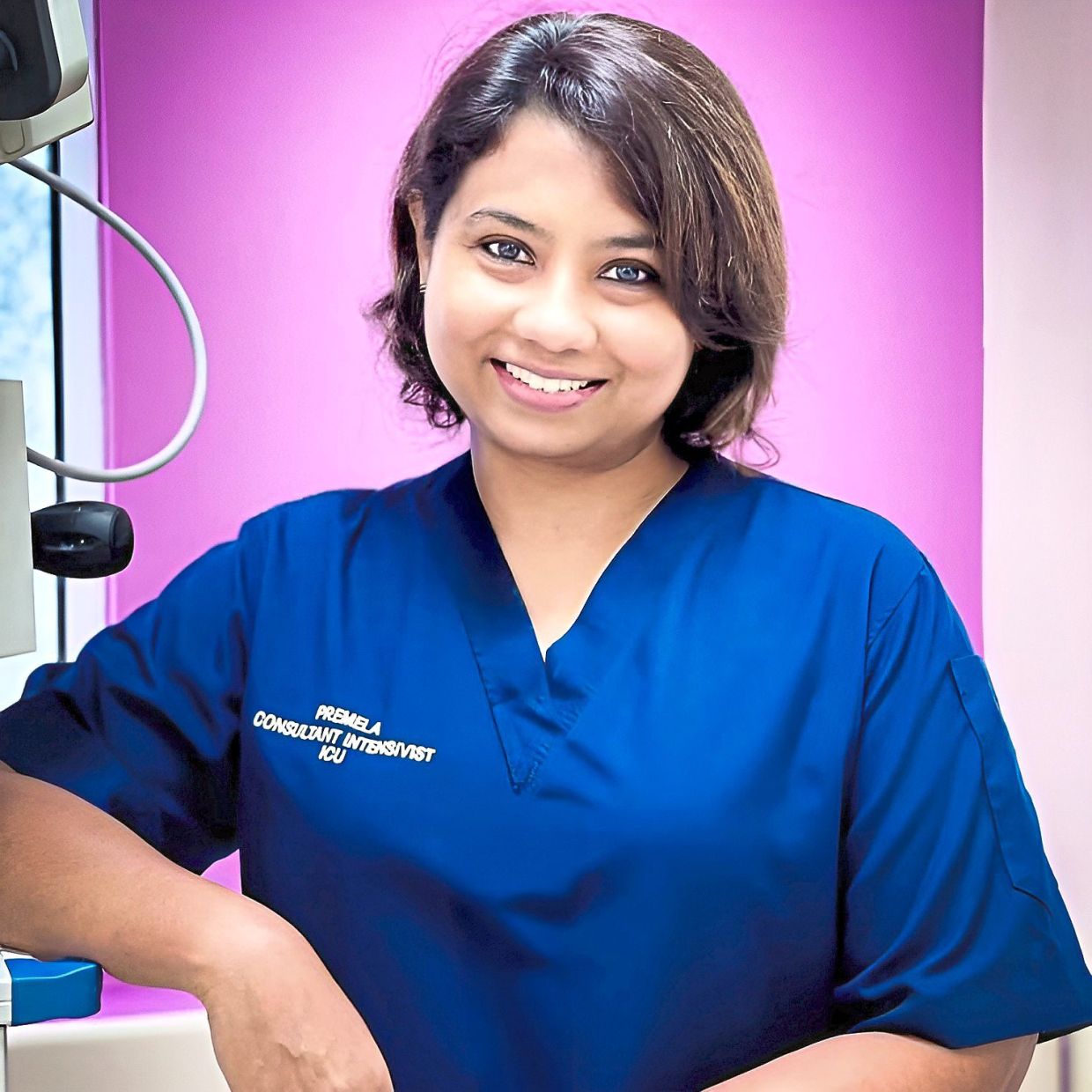
“There were patients who died waiting for life-saving organs and subsequently became organ donors themselves.”
Dr Premela recalls her first Malay donor, a young man who became brain dead after a motor vehicle accident. The image of his young wife and two-year-old daughter saying goodbye moved the entire ICU team to tears.
“A few days later, the wife and daughter came back to thank us for giving meaning and closure to his sudden and unexpected death,” she says. “This was a very humbling and uplifting moment all at once.”
For organ pledger Nur Sitifarah Redzuan, her job as a cardiac ward sister allows her to see how organ donation can save lives.
“I have seen patients waiting with hope and families praying for a second chance,” says the 35-year-old mother of three, who registered as a donor at age 20.
For her, faith and profession are inevitably linked.
She says as a Muslim, she believes in the value of helping others.
“Organ donation is my small contribution. When my life ends but my organs could allow someone else to continue living ... that thought gives me comfort.”
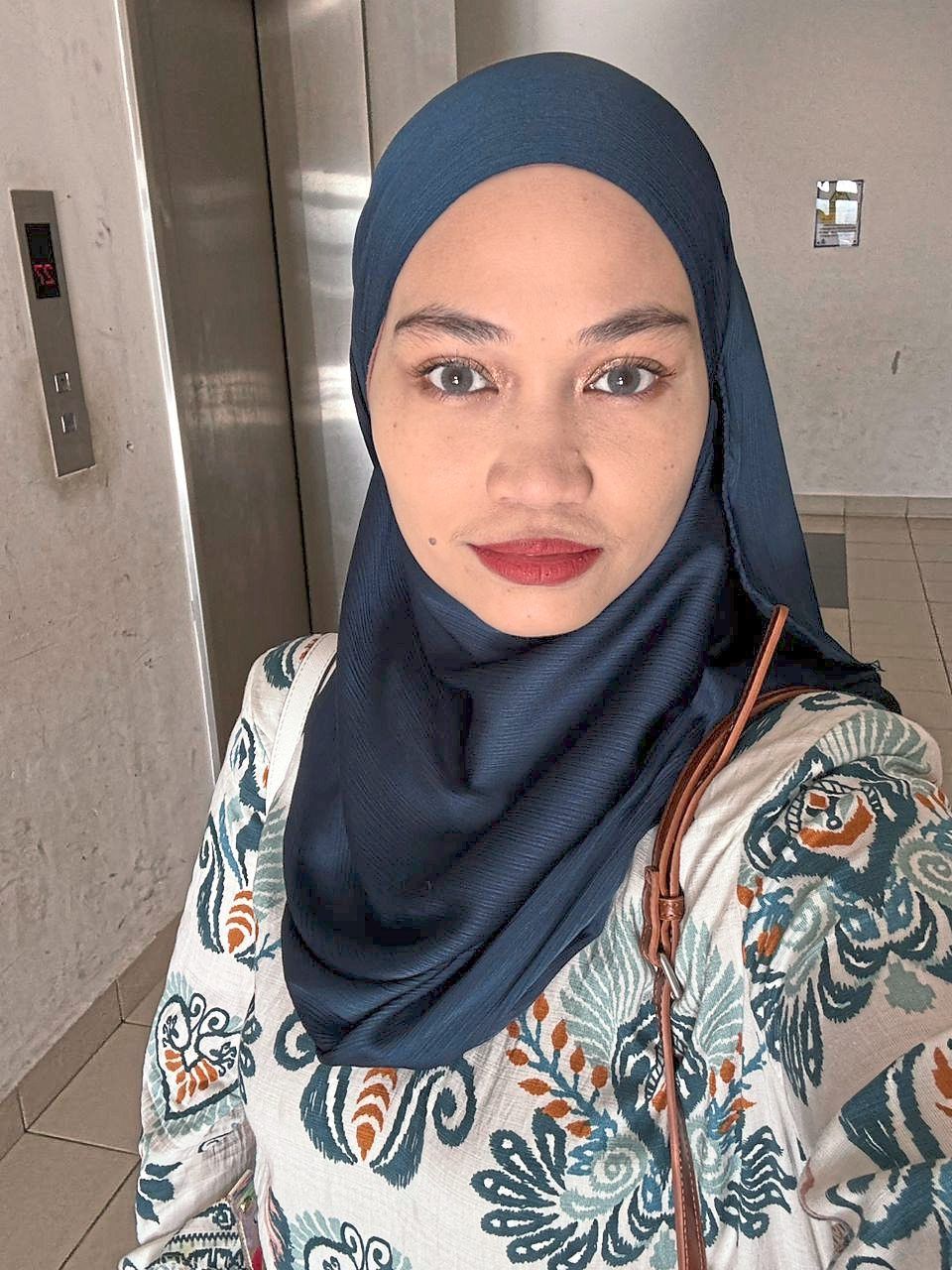
She says that initially, her family had reservations regarding religious rulings.
However, after learning that organ donation is permitted in Islam as an act of sadaqah or continuous charity, they became her biggest supporters.
For Nur Sitifarah, the decision ultimately comes down to compassion.
“It is about giving hope to another mother, another child, another family,” she says.
Your guide to being a donor
Here’s a simple guide if you want to register as an organ donor.
Who can register?
> People of all ages are eligible to register. However, those under the age of 18 require consent from a parent or legal guardian.
> You do not need to undergo a medical examination to become a pledger. The suitability of organs is determined by medical experts at the time of passing.
> Registration is also open to foreign nationals residing in Malaysia.
The pledger’s responsibility:
> The most crucial step after registering is informing your family. In Malaysia, the next of kin are the ultimate decisionmakers. Medical personnel will not proceed with organ procurement unless the family has given their explicit consent.
Why telling your family matters:
> It simplifies the consent process for medical staff during a difficult time.
> When a family is aware of your intentions, they are more likely to proactively inform the hospital that you wished to be a donor.
> The hospital will work closely with the family to ensure the donation process respects their needs, such as ensuring the body is returned for funeral rites at the requested time.
How to make your wish known:
> Use the Ikrar Derma Organ feature in your MySejahtera app to register as a pledger.
> Visit dermaorgan.gov.my for comprehensive information on eligibility, religious ruling and resources to help start the conversation with your family.
Source: National Transplant Centre