
When 14-year-old Muhammad Mikhail Qaiser Mohd Yuzaini goes for his school sports day, it’s not medals or podiums that weigh most on his mind – it’s whether his size will make him stand out for all the wrong reasons.
Weighing 103kg at 169cm tall, he is clinically obese, but his story is more than just about numbers.
“I’m often judged for my body size,” he says. “It’s not just about weight – it’s the constant burden of shame, isolation and anxiety. I wish people would show empathy instead of being judgemental.”
Muhammad Mikhail’s school has been a rare safe haven. His teachers are supportive and step in when bullying happens. Yet, even in this positive environment, certain challenges remain – from struggling in Physical Education to the sting of being separated by body mass index (BMI) in activities.
His plea is simple: “To parents, please stop commenting about your child’s weight. Show him or her unconditional love and create a healthy home environment. To teachers, please advocate these students. And to policymakers, please think about our mental health, not just our bodies.”
Muhammad Mikhail is speaking at the Malaysia’s Adolescent Obesity Crisis – a forum by the Health Ministry, in collaboration with Galen Centre for Health and Social Policy and pharmaceutical company Novo Nordisk – where government officials, medical experts, public health advocates and the adolescent patient with his parents have gathered to share why obesity should be tackled as a chronic disease, not just a lifestyle issue.
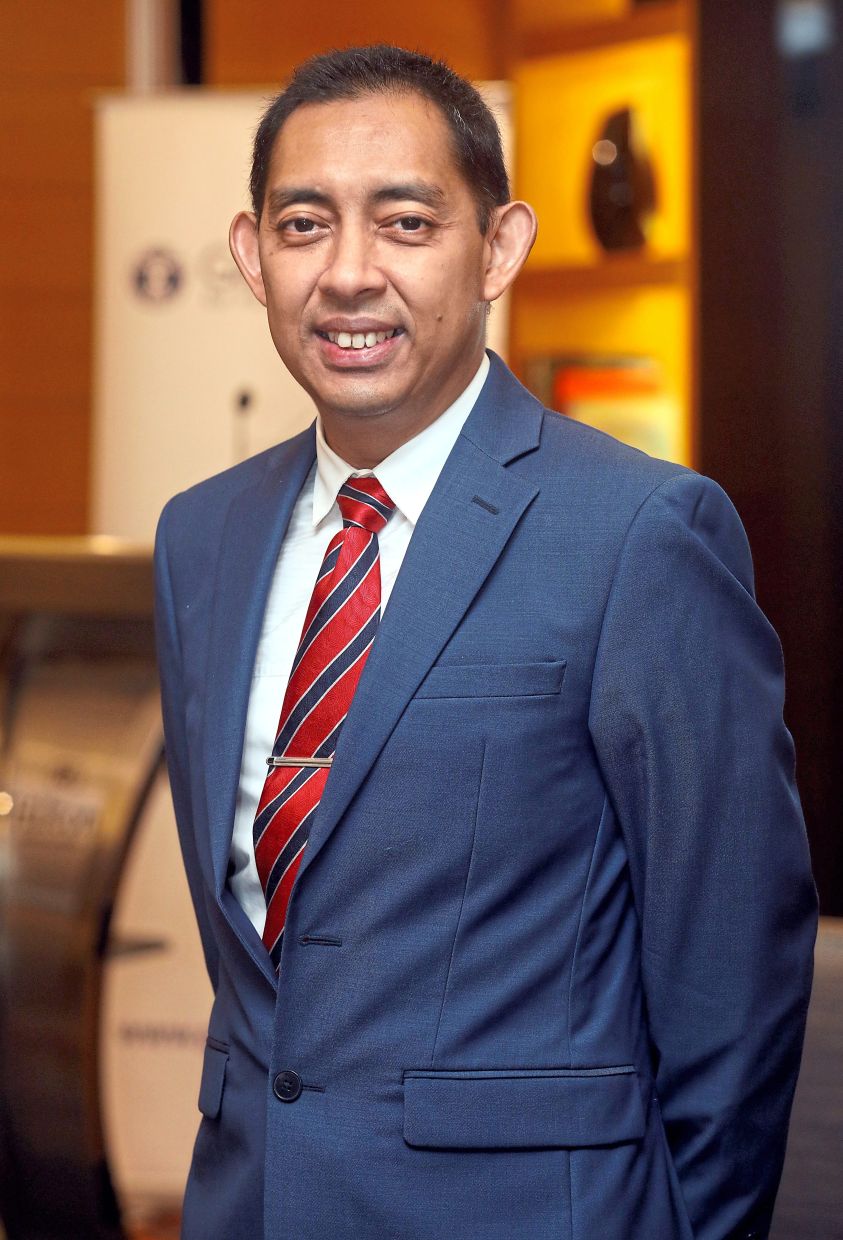
According to the 2024 National Health and Morbidity Survey, 13.6% of adolescents in Putrajaya are obese – the highest rate in Malaysia – and the national statistics is just as grim.
More than half of Malaysian adults are overweight or obese, and almost a quarter meet the criteria for obesity.
Last week, Health Minister Datuk Seri Dr Dzulkefly Ahmad said the ministry will place special emphasis on tackling obesity and diabetes in Budget 2026, to be tabled on Oct 10, with several proposals on the matter already submitted.
Dr Dzulkefly added both conditions are key contributors to the rising cases of non-communicable diseases (NCDs) in the country.
The consequences of teen obesity are already visible.
“We’re seeing more young people with Type 2 diabetes, hypertension and fatty liver disease,” says Prof Dr Muhammad Yazid Jalaludin, senior consultant paediatric endocrinologist and Malaysian Endocrine and Metabolic Society (MEMS) vice-president.
“Two-thirds of obese children we’ve screened already have some form of fatty liver disease – and these are kids under 18.”
Galen Centre founder and CEO Azrul Mohd Khalib says this is why addressing obesity early is critical.
“If we wait until adulthood, we’d be dealing with a cascade of health issues – diabetes, hypertension, cardiovascular disease, fatty liver, kidney problems – that are far more difficult and expensive to manage. Early prevention is not just life-changing, it’s life-saving.”
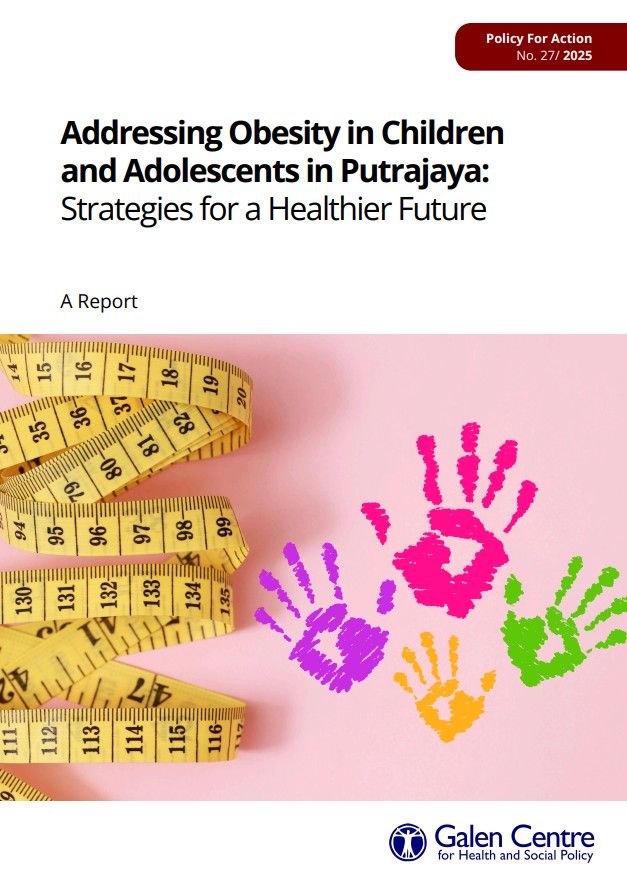
The Galen Centre’s 2025 report, "Addressing Obesity In Children And Adolescents in Putrajaya", highlights that obesity is not a simple lifestyle problem.
It’s a chronic disease shaped by genetics, biology, environment and socioeconomics – and early intervention can help change its trajectory.
“Obesity runs in our family,” he says. “Diet and exercise help, but without the right strategies – and sometimes medical intervention – it’s hard to lose weight.”
At home, his mother, Zaliza Mat Som, a healthcare assistant, is up early to prepare balanced meals.
“We exercise portion control and eat more healthy food such as lean protein, vegetables and fruits,” she says. “It’s harder to control outside food, so we focus on eating healthy at home. Even with all these, his size doesn’t change much – so we know it’s not just about diet.”
Their approach is tailored – taking into account that some exercises are difficult for Muhammad Mikhail and could be demotivating. With guidance from his physician Dr Muhammad Yazid, Muhammad Mikhail now spends an hour daily on the treadmill and avoids sugary drinks.
His goal is to reach 80kg, not to fit societal ideals, but to join more activities without physical discomfort.
Obesity is still widely misunderstood in Malaysia, highlights Azrul.
“The condition is not just a lifestyle choice. The affordability of healthy food plays a huge role. For example, in Putrajaya, the cost of living is high and for many B40 families, healthy options are out of reach. So they resort to cheap, filling but low-nutrient food.”

“We need to make healthy food accessible, especially for lower-income families. Prevention starts at home, but affordability matters too.”
For girls, the stigma can be even worse.
“Weight is tied to beauty and self-worth in our society,” says Malaysian Obesity Society (MYOS) president and senior consultant endocrinologist Prof Dr Rohana Abdul Ghani.
“Girls and women often suffer in silence, juggling cultural food norms, family duties and body image pressure.”
Malaysian Endocrine and Metabolic Society (MEMS) president, who is also MOH’s Endocrinology Subspecialty Service head Dr Nurain Mohd Noor says the belief that body-shaming someone encourages them to lose weight is harmful.
“It only causes emotional distress and can lead to eating disorders or avoidance of the healthcare services they badly need.”
Experts from the forum agree on several strategies:
> Create a stigma-free home environment: Avoid negative comments about weight. Praise effort, not appearance.Encourage healthy habits for the whole family, so the child isn’t singled out.
> Focus on balanced, affordable meals: Follow the suku-suku-separuh guideline – one-quarter carbohydrates, one-quarter protein, half fruits and vegetables. Use smaller plates for children. Cooking methods matter too: opt for steaming, baking or grilling over frying.
> Make activity enjoyable, not punishing: Choose exercises suited to the child’s ability and interests. For Muhammad Mikhail, the treadmill works; for others, it might be dancing, cycling or walking the dog. The goal is to build consistency, not athletic performance.
> Seek professional help early: Screening is a must for obesity-related conditions such as diabetes, hypertension or fatty liver. Paediatricians and dietitians can tailor interventions to a child’s age, growth stage and mental health needs.
> Include mental health support: Weight stigma can erode self-esteem. Counselling or peer support groups can help children cope with anxiety, depression or social isolation.
It has shown positive results, but scaling it up requires commitment from multiple ministries.
Inclusivity is key, says Dr Noraryana. “When programmes only select students with ‘ideal’ BMIs, they exclude those who might benefit most from it. Every child should have the opportunity to participate.”
Outside school, enforcement matters too. Dr Rohana questions why unhealthy food vendors are allowed just outside school gates despite in-school healthy eating policies.
“We can’t expect children to make the best choices when the environment works against them.”
Both Dr Rohana and Dr Nurain stress the importance of reframing obesity as a chronic disease.
“This shift reduces blame on the individual and opens the door for better policies, insurance coverage and treatment access,” says Dr Rohana.
Dr Nurain says there is a need to promote realistic and inclusive images of being healthy. “Make it clear that health is more than a number on the scale.”
For Muhammad Mikhail’s parents, the journey is ongoing.
“It’s about persistence,” says Mohd Yuzaini. “Some days are harder than others, but as a family, we keep moving forward.”
Experts echo this sentiment. Obesity management is a marathon, not a sprint. It requires whole-of- society effort – from government policy and school programmes to what’s served on the dining table.
“Obese children are not failures,” says Dr Muhammad Yazid. “They are kids with potential, dreams and talents – just like any other child. They deserve the chance to grow up healthy in every sense of the word.”
For Muhammad Mikhail, that means one step at a time – sometimes literally, on the treadmill in his living room. And with each step, he’s not just working towards a number on the scale, but towards a future where his worth is never defined by it.